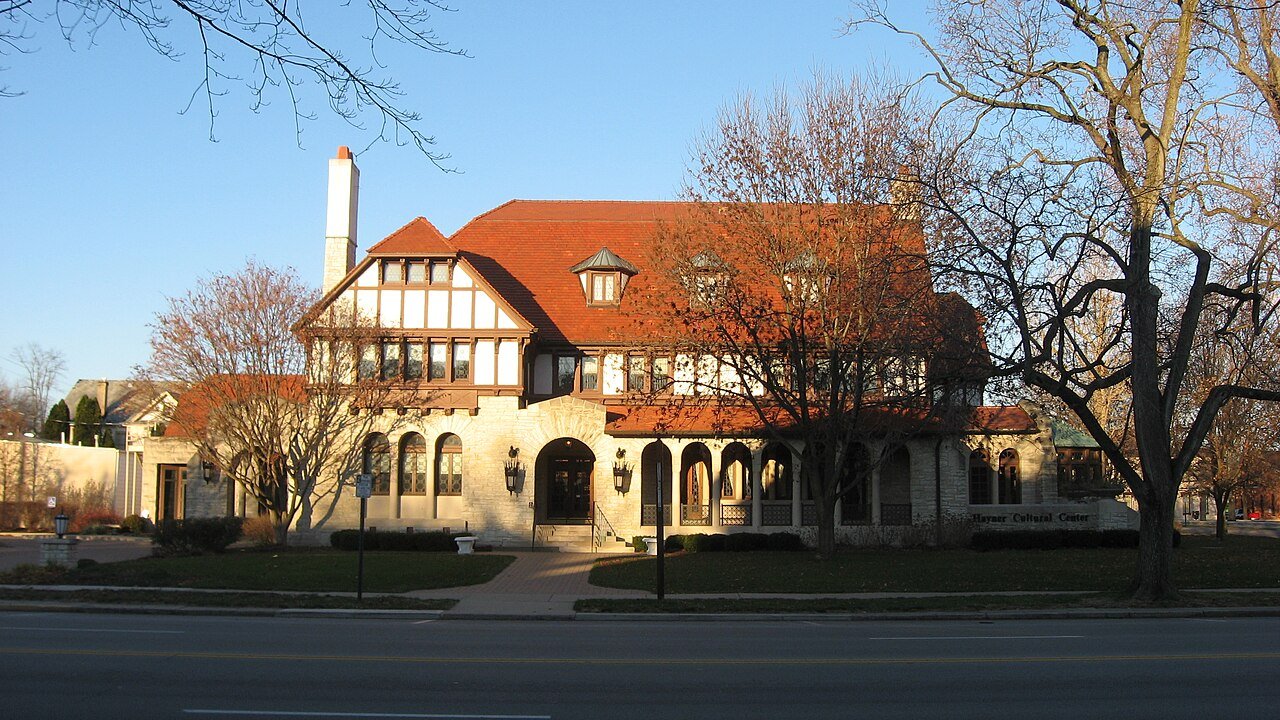
Troy is the seat and the showpiece of Miami County — roughly 26,000 people arranged around one of Ohio’s handsomest downtowns, where the courthouse’s Second Empire tower looks down on a Public Square that is actually a circle, brick storefronts radiate down four spokes, and the Great Miami River slides past behind a levee that has kept its promise since 1918. It is a town that wears its history in public — the Troy-Hayner Cultural Center’s 1914 mansion, the WACO biplane legacy, Hobart’s welding empire — and hosts one of the Midwest’s great small-city festivals every June, when the Strawberry Festival pulls crowds many times the city’s population onto that levee. Greater Dayton Pest & Rodent covers all of it: ants, mice and rats, wasps, termites, mosquitoes, spiders, roaches and bed bugs, twenty-five minutes straight up I-75 from our Dayton routes. Call (937) 569-3330 or book online.
Four Troys, four pest problems
Reading Troy for pest work means reading four distinct cities that share a zip code. The historic core — the square, the spokes of Main and Market, the Southwest Historic District’s blocks of Italianates and Queen Annes — is century-plus housing stock with stone and early-concrete foundations, balloon framing, and the accumulated grade changes of a hundred years of sidewalk work: textbook mouse and odorous house ant country, and the county’s densest concentration of termite-vulnerable wood detail. The levee and river corridor — Treasure Island, the recreation trail, the festival grounds — is moisture, mosquito pressure, and the scavenger insects that follow big public events. The I-75 edge along Route 41 and Experiment Farm Road is logistics, retail and industry — dock-door rodent pressure and commercial-kitchen accounts. And the postwar-to-new south and east — ranches off Dorset and McKaig giving way to fresh subdivisions — runs the classic suburban board: carpenter ants in mature-tree neighborhoods, new-construction ant surges where slabs meet disturbed farm soil. One town, four playbooks; the inspection tells us which one your address runs.
The square that is a circle — and its old-bones housing
Troy’s Public Square is the rare downtown that traffic engineers and preservationists both love: a working traffic circle ringed by three-story nineteenth-century commercial blocks, with the 1888 courthouse a block north crowned in a dome you can see from the interstate. For our work, that beauty is a data set. Buildings of that era share party walls, interconnected basements, and utility chases that have been re-drilled a dozen times a century — which means the square’s restaurant row shares its pest pressure the way it shares its foundations. A roach introduction in one kitchen is a block problem within a season if nobody maps the wall voids; a mouse population wintering under one storefront shops the whole block’s floor gaps. Our commercial accounts downtown get the block-aware treatment: we ask about neighbors, we inspect shared basements where access allows, and we place monitoring so an introduction anywhere on the block announces itself at our stations before it announces itself to a customer.
The residential rings around downtown — the Southwest Historic District’s showpieces, the workers’ cottages east of Market, the streetcar-era foursquares walking out Main — run the era-read we apply across the valley’s historic stock. Houses built before 1930 were built breathing: stone or rubble foundations with generous gaps, cellar doors and coal chutes long painted shut but never sealed, sill plates resting on rough-cut stone with daylight visible at the corners. Mice treat these as designed entry. Our rodent program here is exclusion-first and heritage-respectful: the twelve-doors inspection finds the actual entries, and everything we install is reversible — copper mesh, discreet sealants color-matched to mortar, door sweeps that don’t argue with original millwork. No foam beads on a painted-brick Italianate, ever. The house survived a century looking like this; our work should be invisible at the curb and permanent at the sill.
The levee, the 1913 memory, and what water discipline means
Troy’s relationship with the Great Miami was renegotiated in March 1913, when the flood that remade the whole valley put downtown under water. The Miami Conservancy District’s answer — the levee system that has protected the city for over a century — is why Treasure Island hosts concerts instead of silt. But a levee changes pest ecology in ways riverside homeowners inherit: it concentrates the river’s wet margin into defined public corridors (the recreation trail, the park bottoms) where mosquito production runs high in wet summers, and it puts a permanent moisture gradient through the neighborhoods closest to the channel. Houses in the blocks between downtown and the levee run damper basements than the uplands — and damp basements are the whole story of spider pressure, camel crickets, millipede invasions in wet springs, and the moisture-loving conditions termites scout for. Our riverside protocol pairs treatment with the moisture conversation: downspouts, grading, dehumidification — because chemistry against a water problem is rental relief, and we’d rather fix the condition once.
Strawberry Festival weekend: the doctrine’s biggest stage
The first full weekend of June, Troy’s population effectively multiplies as the Strawberry Festival takes over the levee, the square and every parking lot in between — strawberry doughnuts, strawberry salsa, and one of Ohio’s largest outdoor food events by sheer sugar tonnage. The festival doctrine we run across the valley was practically written for this weekend. Sugar plus June is wasp arithmetic: colonies founded in April are hitting their growth curve exactly as tens of thousands of berry-topped funnel cakes arrive, so host-block businesses get pre-festival eave patrols in the last week of May — finding golf-ball paper nests before they become softball problems over a vendor tent. The ant response is equally predictable: every trash corridor and syrup spill seeds odorous house ant trails that outlast the weekend, so downtown accounts get a post-festival sweep while the trails are still fresh enough to read back to their colonies. And the residential blocks that absorb festival parking — the historic rings, mostly — inherit a weekend of car snacks and sidewalk drips; their ordinary June defense simply lands a week early. The festival is Troy at its best. The week after is when a route company earns its keep.
Hobart, WACO and the working city
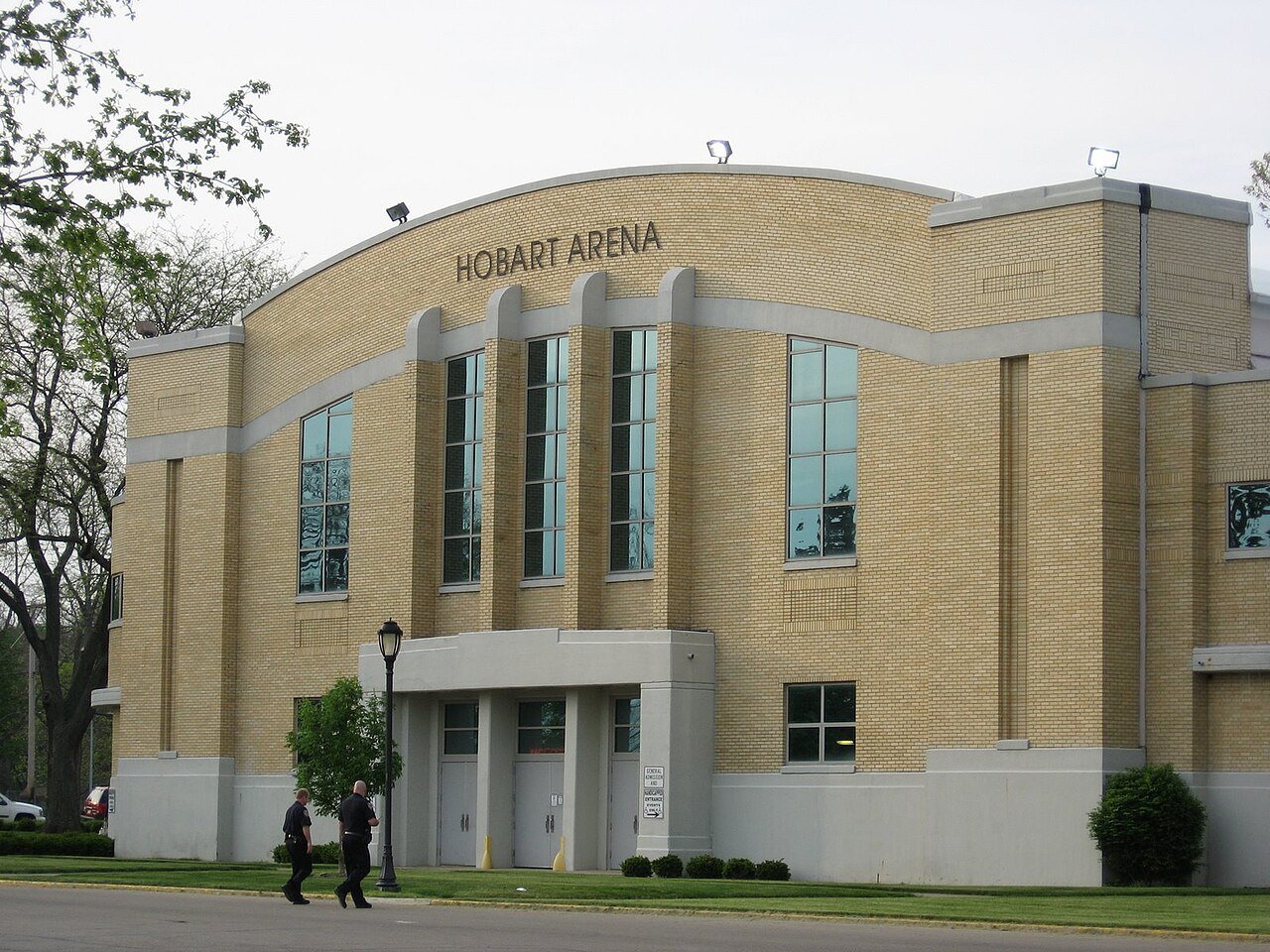
Troy has always built things. Hobart Brothers put the city’s name on welders and airport ground-power units worldwide; WACO built biplanes here when Troy was briefly an aviation capital, and the WACO Air Museum keeps them flying; today the I-75 edge carries food processing, packaging and logistics operations that make Miami County a genuine manufacturing county. That industrial base is commercial pest work at professional stakes. Food-adjacent plants run audited IPM programs where documentation is the deliverable — trend logs, corrective-action records, the paperwork that passes third-party audits. Dock doors are dock doors everywhere: rodent pressure proportional to pallet traffic, managed with exterior baiting grids and door-discipline conversations. Warehouse mezzanines grow pigeon and sparrow issues; break rooms grow ant files; and the arena — Hobart Arena, the city’s 1950 landmark barn for hockey, concerts and graduations — runs the event-venue playbook: concession-driven scavenger management on a calendar that never quite goes dark. We service all of it from the same routes that cover the square’s bistros, because in a town Troy’s size, commercial and residential are the same map.
The Troy pest calendar
Late winter (February–March): mice consolidated indoors announce themselves in historic-district walls and new-subdivision garages alike; the best exclusion weather of the year, because active entries show themselves. Spring (April–May): termite swarm season — a cloud of winged insects from a porch crack in the Southwest Historic District deserves a same-week free identification, not a winter of wondering; ant trails wake with the soil; wasp queens found nests under every eave in town. Early June: festival week — see above; pre-event patrols for the host blocks, and the year’s first mosquito treatments along the levee corridor as the river margin warms. High summer (July–August): peak everything — wasp colonies at maximum, mosquito generations stacking in wet years, ant pressure steady; the September anchor visit is already on the books. September: the anchor — the single highest-leverage visit of the year, perimeter defense laid down while yellowjacket colonies peak and before the first cold snap sends the field-edge mice toward foundations; Troy’s edges touch working farmland on three sides, so the harvest-eviction surge is not a rural abstraction here. October–November: exclusion season proper — seal in fall, quiet all winter. December–January: interior follow-ups, attic checks, and the planning conversations that make next year cheaper than this one.
Landlords, boards and the institutional file
Troy’s rental stock spans the whole spectrum — subdivided Victorians near downtown, garden apartments off McKaig, newer single-family rentals on the south side — and our landlord program scales across it: per-door portfolio pricing, direct-tenant scheduling that takes the coordination burden off the owner, documentation per unit that stands up in deposit disputes, and the shared-wall protocols that make multifamily bed bug responses actually work (inspect adjacent units always; treat the introduction, not just the complaint). HOAs in the newer subdivisions get common-ground contracts — playground mulch beds, retention-pond margins, entrance monuments where ground-nesting yellowjackets love the landscape fabric. And the institutional city — schools, churches, the county’s own downtown buildings — gets IPM built for buildings full of people: exclusion and monitoring first, targeted treatment on schedules that never intersect with occupancy.
Termites and the county seat’s wood
A courthouse town keeps its wood: porch columns and gingerbread in the historic district, sill plates hand-hewn before the Civil War in the oldest survivors, and — less romantically — decades of additions, porches and garages whose grade lines have crept up against siding all over town. Eastern subterranean termites do not care which century the cellulose came from. The inspection logic in Troy follows moisture and contact: buried grade lines where landscaping has risen over brick, porch skirts touching soil, the damp riverside basements described above, crawlspaces under century additions that nobody has entered since the Nixon administration. Our approach is monitoring-first — bait systems that watch the soil year-round rather than a one-time barrier that degrades in silence — and Bryan holds the state 10A and 10B licenses plus Category 12, which means both treatment and the WDI real-estate inspections Troy’s active housing market keeps ordering. When a Public Square-adjacent Victorian goes under contract, the inspection that protects the deal comes from the same company that knows the block’s soil.
Why Troy calls us instead of the national franchises
- Owner-operated, licensed, local: Bryan Camden’s state licenses (10A, 10B, Category 12) ride on every truck; you get a technician who answers to the owner, not a franchise script.
- The two-tier structure, stated plainly: one-time jobs priced as one-time jobs, and the Protection Plan — with its re-treatment guarantee — for households that want the problem owned year-round.
- Photo-first triage: text a picture of the insect, the nest, the droppings; we identify before we dispatch, and honeybee swarms get referred to beekeepers, free.
- No crisis markup: the emergency line prices urgent work at the same rates as scheduled work — a policy, not a promotion.
- Twenty-five interstate minutes: Troy sits on our I-75 spine; next-day is the norm, same-day is genuinely available most weekdays.
Do it yourself, or call?
Honest triage, Troy edition. A visible paper-wasp umbrella at reachable height, a stray line of ants after a rain, a single mouse in a new-build garage — reasonable DIY territory, and our guides tell you how. What earns the call: anything in a wall void (wasps or mice — sealing an active entrance is the classic self-inflicted disaster), termite evidence of any kind (the stakes-to-savings ratio is absurd), bed bugs (the DIY failure rate approaches total), German roaches in any multi-unit building, and any recurring problem that has survived two store-bought attempts — recurrence means a condition, and conditions need diagnosis, not more spray.
Troy questions, answered straight
We’re near the levee and the mosquitoes are relentless. Can treatment actually help?
Yes, with honest framing. Your yard’s barrier treatment knocks down the mosquitoes resting in your vegetation and re-applies through the season; what it cannot do is treat the public river corridor they fly in from. The combination that works: our yard program plus ruthless standing-water discipline on your own quarter-acre (gutters, plant saucers, the kiddie pool) — most riverside customers describe the difference as “we got our porch evenings back,” which is the real goal.
Our historic-district house has mice every fall. Is that just life with an old house?
It’s life with an unsealed old house. The stone-foundation stock can absolutely be excluded — it just takes the twelve-doors inspection seriously done and reversible materials that respect the architecture. Our sealed historic-district customers stay sealed; the workmanship is guaranteed, and re-entry through our work brings us back free. Fall is the season; September beats October.
A vendor at the festival got swarmed by yellowjackets. Whose problem is that?
During the event, the festival’s and the city’s — and the organizers run it well. Your problem is the week after, when the same colonies redirect from vendor row back to neighborhood grills and garbage cans. That’s the post-festival window our June residential visits are timed around. If you find the nest itself on your property, that’s a one-time removal priced by nest type and height, no drama.
Do you handle the WDI inspection for our home sale?
Yes — NPMA-33 wood-destroying-insect inspections, lender-ready, on transaction timelines (48-hour scheduling is the norm). Category 12 licensed, flat-priced, and if the inspection finds activity, you get a straight answer about what treatment actually costs before anyone panics a deal.
Same price in Troy as in Dayton?
Same price. Troy is on our interstate spine, not the edge of the map — no travel surcharge, no small-city premium, and the published pricing logic applies county-wide.
The county seat, covered
Troy anchors the Miami County file the way the courthouse anchors the skyline: everything north of the Montgomery line routes through its logic. From the square’s circling traffic to the levee’s long green mile, from Hobart’s docks to the Strawberry Festival’s powdered-sugar Saturday, this is a city we can read block by block — the era of every foundation, the season of every pest, the week each neighborhood’s pressure turns. Neighbors in Tipp City, Piqua and Covington ride the same routes; the full roster lives on the county page, and the service-area map shows how the fifth county joins the other four. One truck, one standard, one number.
Start the easy way: text a photo of whatever you found to (937) 569-3330 — we identify free, quote honestly, and get Troy on the schedule this week. Prefer forms? Book online and we’ll call you back. Sting allergies, active wall noise, or a kitchen you need back tonight: say so, and the priority lane opens at regular prices — that’s the policy the whole county gets.
Troy, the strawberry city’s season is open — and the trucks already know the way.
Troy questions we hear
We’re near the levee and get mosquitoes all summer. Can you actually help next to a river?
Yes, with honest boundaries. Nobody controls the river corridor’s airspace — but most backyard mosquito misery is bred within a couple hundred feet of where you feel it: gutters, plant saucers, tarp folds, the neglected birdbath. Our seasonal program treats the resting vegetation on your property and eliminates the breeding sites you own, which typically cuts bites dramatically even riverside. The levee towns’ version of perfect is “evenings on the patio are pleasant again” — and that we deliver.
Our downtown building shares walls with three neighbors. What does pest control even mean in that situation?
It means block thinking. We treat and monitor your space, place stations at the shared-wall crossings where pressure travels, and document what we find — and when the evidence says the source is next door, we tell you that plainly, because treating your side of someone else’s problem forever is a subscription to nothing. Several square-adjacent owners coordinating one program is the actual fix, and we’ve brokered exactly that conversation before.
Do you charge more to come up from Dayton?
No. Troy is twenty-five minutes up I-75 on routes we already run — no trip charges, no mileage lines, same rates as everywhere else. The pricing page is the pricing.
The county seat, covered
Troy is the kind of town the valley points to — the circle, the courthouse, the strawberries, the river held politely behind its levee for a century. It deserves pest control with the same standards: licensed, owner-run, honest about what things cost and what the fix actually is. From the Southwest Historic District’s painted ladies to the newest slab on the south side, from Hobart’s docks to the smallest kitchen on the square, Greater Dayton Pest & Rodent covers the county seat — and the rest of Miami County with it. Call (937) 569-3330, text a photo, or book online — and if it’s festival week, call anyway. Especially then.
Frequently asked questions
Do you provide pest control in Troy?
Yes — Troy anchors our Miami County routes, from the courthouse square’s historic blocks through the newer plats east and the farm edges all around.
What pests are most common in Troy?
County-seat mix: historic-downtown foundation mice and moisture basements, farm-edge rodent surges each harvest and frost, cicada killers in the Great Miami terrace soils, and the stink bug flights that bean-field adjacency guarantees every September.
How much is pest control in Troy?
Same formula county-wide — most Troy homes run $39–$55/month quarterly, one-time work flat, farm-campus properties walked and quoted as campuses. Free: (937) 569-3330.
Why does Troy get the September stink bug wave so hard?
Geography — the surrounding soybean and corn acreage is the summer host, and Troy’s sunny walls are the winter audition. The September barrier-plus-seal package is practically a Troy municipal tradition; flyway houses should book by Labor Day.
Do you serve Troy’s farm-adjacent properties?
A specialty — barn-and-outbuilding rodent programs, grain-adjacent exclusion, and the campus quotes that treat the property as the system it is. The harvest-season mouse surge is on our calendar before it is on yours.
How fast can you reach Troy?
Miami County routes run weekly or better — typically days, priority faster, no travel charges.
Do you serve Troy businesses?
Yes — the square’s restaurants and shops, the industrial corridor’s plants and warehouses, and the medical offices each get their matched program with documentation; food-facility work is a Troy staple.
What about termites in Troy’s historic blocks?
The downtown stock’s age and the river-valley moisture keep pressure real — free annual inspections for everyone, bait monitoring for the older streets, and the no-drilling argument matters in Troy’s finished old basements.
Do you know the levee and river-corridor mosquito pattern?
Well — post-storm floodwater waves off the Great Miami plus container tigers in town; the season program leans on timing and the audit here more than anywhere north of Dayton.
How do I start service in Troy?
Instant quote, free photo ID, or (937) 569-3330 — free estimates, honest triage, first visits typically within the week.
Troy Pest Control, Service by Service
Deep-dive guides to how each service plays out in Troy specifically — the historic architecture, the county edge, and the seasonal patterns behind each pest:
- Wasp and hornet removal in Troy — historic-porch paper wasps, old-tree hornets, and the September ground-nest rush
- Ant control in Troy — flood-plain surges, downtown brick colonies, and the moisture map the trails are drawing
- Spider control in Troy — the river-to-façade pipeline, and the storefront program built for the square
- Rodent control in Troy — the harvest wave, and sealing matched to the house’s era
- Bed bug treatment in Troy — the I-75 exit file, the weekly crew rhythm, and the auction flashlight
- Cockroach control in Troy — the square’s vertical ecosystem, and the county-seat paper trail
- Flea treatment in Troy — the barn-cat reservoir, and the 4-H season script
- Termite control in Troy — flood-plain moisture, century timber, and the portfolio program that completes the ledger
- Termite inspection in Troy — what an inspection actually covers, what it costs, and why a sale here rarely forces one.