Troy’s ants work a town the Great Miami built — literally. The river’s levee system, the flood-plain soils under the older neighborhoods, and the seasonal moisture cycle that comes with riverfront living all shape which ants thrive here and when they head indoors. Downtown’s brick blocks and courthouse-square architecture add the masonry angle: pavement ants working century-old brick walks and foundation joints, and the moisture-following species reading every old building’s damp history. Ring it with Miami County farmland — field ant mounds, and the agricultural edge’s constant colony pressure — and Troy runs a fuller ant roster than towns twice its size. Here’s the local map, and the colony-level approach that works on all of it.
Troy’s Ant Roster, by Neighborhood
- The historic core: pavement ants own the brick walks and stone foundations — the sand piles between downtown pavers every May are their calling card — while the district’s older frame buildings run the moisture-ant file: carpenter ants tracing decades of roof and gutter history, and acrobat ants flagging damp window frames and porch columns wherever water has worked.
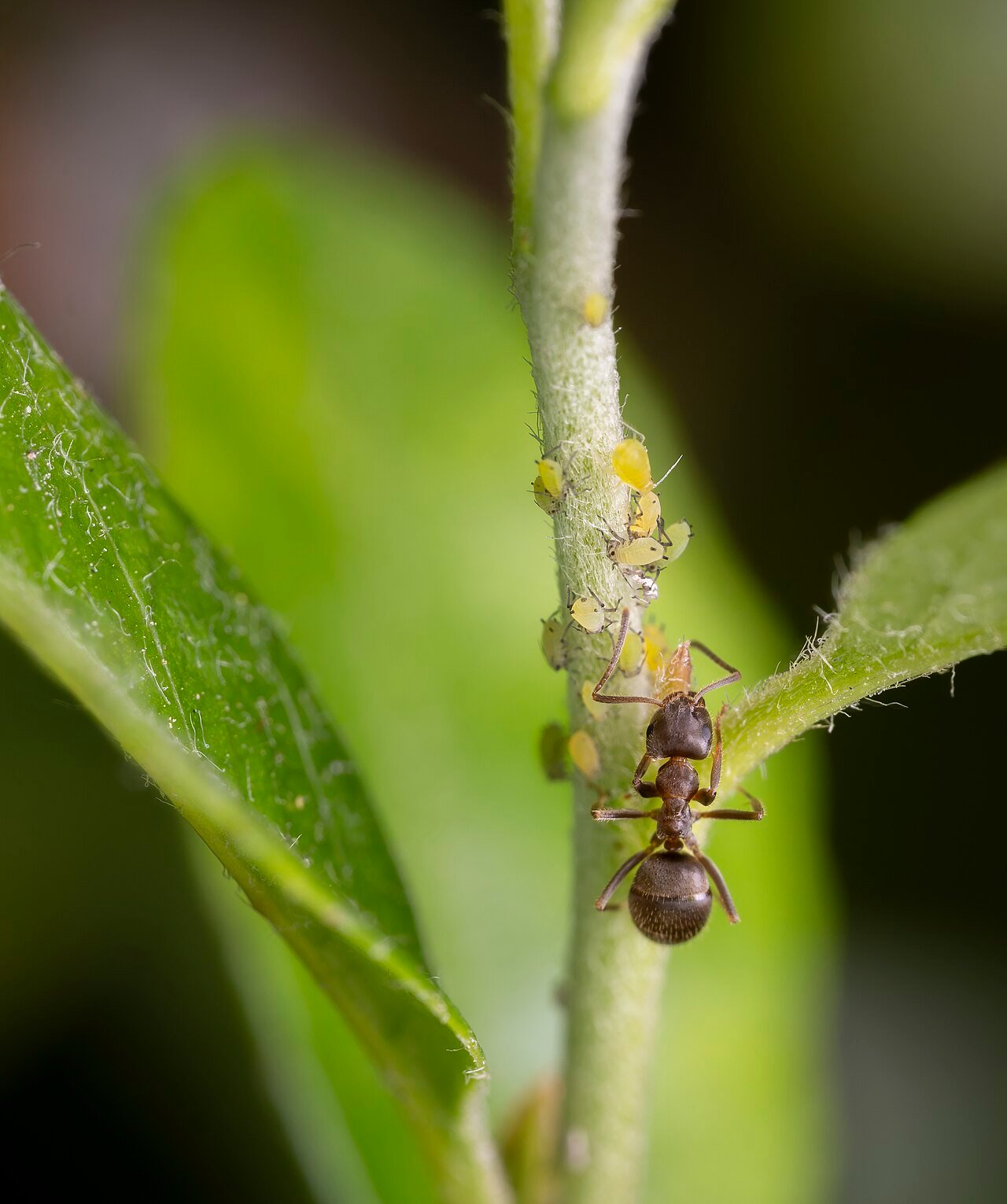
- The river-adjacent streets: flood-plain soil holds moisture, and wet springs push soil-nesting colonies — odorous house ants above all — toward foundations early and often. The post-rain kitchen trail arrives here first every June.
- The postwar and newer rings: the standard suburban mix — odorous house ants running aphid economies in the landscaping, pavement ants in the driveways — at ordinary pressure.
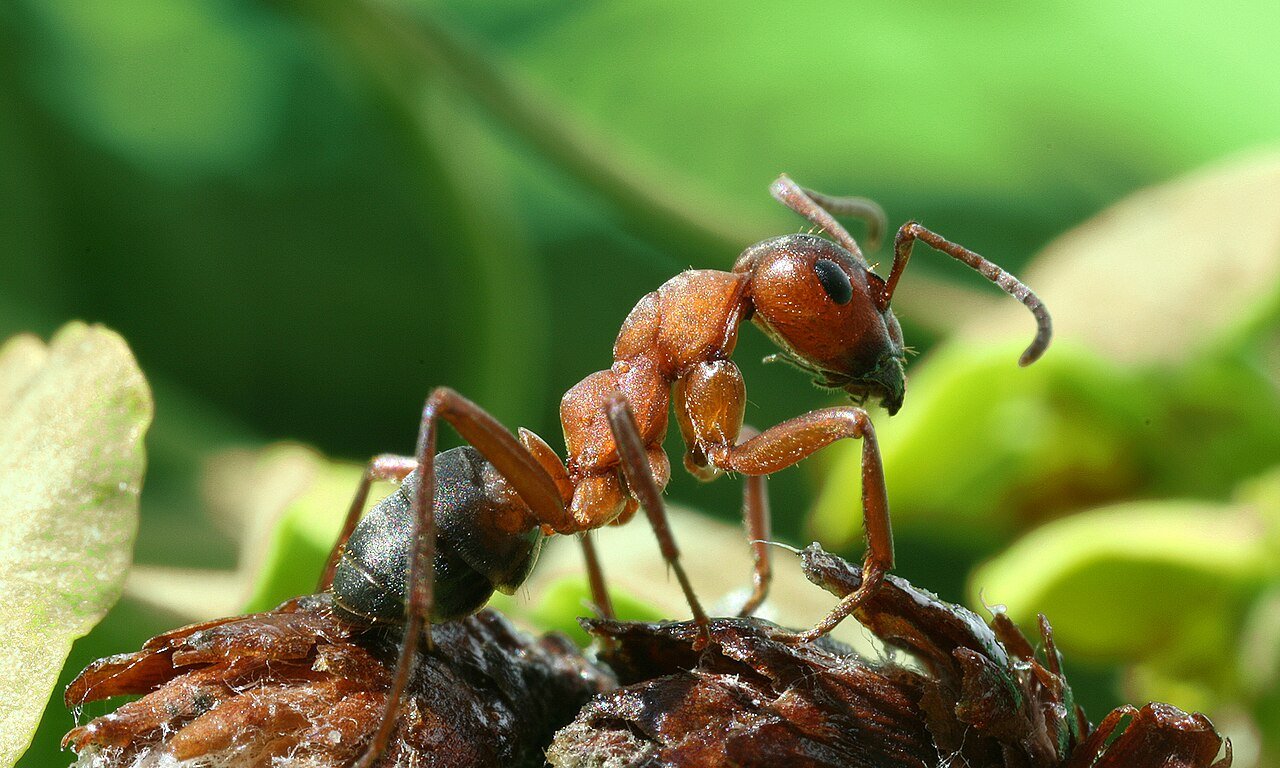
- The county edge: big field ant mounds in lawns backing to farmland (harmless, mistaken for fire ants annually — the acquittal), plus the heavy background colony pressure agricultural margins always run.
The Moisture Story: Why Troy’s Ants Follow the Water
More than any town we serve, Troy’s ant calendar is a hydrology report. Wet springs saturate the flood-plain soils and flush ground-nesting colonies upward — the June surge that follows every rainy stretch is colonies relocating and rerouting foraging toward the driest reliable structures on the block. Late-summer drought flips the mechanism: the aphid honeydew economy on the street trees browns out, and the same colonies probe kitchens as backup pantries. And in the older housing, chronic moisture — the slow roof stain, the damp sill, the gutter that’s overflowed since spring — writes the carpenter ant story: big black ants indoors, especially in early spring, are a structural moisture finding before they’re an ant problem (the full triage here, and the sawdust-and-swarmers signs on the black ant roundup). The practical rule for Troy homeowners: ant trails tell you about water first — fix what they’re pointing at, and the treatment holds; ignore it, and next year’s colonies read the same map.
Colony-Level Treatment, Troy Edition
The method is the library’s standard — identification under magnification, then non-repellent baiting matched to the species’ current craving, carried home by the workers to the queens — with Troy’s local emphases: bait chemistry matters more here because the roster is wide (sugar-economy odorous house ants, grease-preferring thief ants, and protein-cycling spring colonies all take different formulations, and misidentification costs weeks); perimeter work leans on the masonry — treated bands at stone foundations and brick joints, with the downtown buildings’ deep crevice systems getting crack-and-crevice placements sprays can’t reach; and the moisture counsel comes in writing — the gutter, the grade, the damp sill that the trail identified. What we don’t do is spray trails through kitchens: repellents scatter colonies, split odorous house ant nests into several, and erase the trail map that makes baiting work — the whole case lives at ants in the house, with the home-remedy honest grades (vinegar, borax) linked from there. Expect trails to swell for a day as bait moves — the plan working — then collapse inside two weeks, guaranteed under the Protection Plan.
The Troy Ant Calendar
March–April: carpenter ant season opens in the historic housing — indoor sightings now are the year’s most important early warning, and winged emergences get the termite check before anyone exhales. May: pavement ant emergence across the brick downtown and older driveways. June–August: the hydrology months — post-rain surges from the flood-plain streets, drought-driven kitchen probing late, and the thief ant’s grease-trail cameo in high summer. September–October: the pre-winter foraging push — peak baiting season, colonies at their hungriest — and the sealing window before frost drives everything toward heated foundations. Winter trails mean indoor colonies, and an earlier call. One flat price, a licensed applicator who can read a Troy trail’s moisture message, the method at ant control — and the rest of the town’s file, wasps included, at Troy pest control.
Trail on a Troy Counter After the Rain?
Species identified, bait matched to the craving, colony ended at the source — and the moisture it was pointing at, named in writing. One flat price, guaranteed.
Frequently asked questions
Why do ants show up in Troy kitchens right after it rains?
Flood-plain soil saturates fast, flushing ground-nesting colonies — odorous house ants above all — toward the driest structures on the block. The river-adjacent streets get the June trail first every year; it’s hydrology, not housekeeping.
What are the sand piles between the bricks downtown?
Pavement ant colonies excavating the joints of century-old walks and foundations — the May emergence is a Troy tradition. Harmless outdoors; the treatment case starts when trails move into the buildings.
Are big black ants in an older Troy house serious?
Worth prompt attention — carpenter ants indoors, especially in early spring, mean moisture-softened wood somewhere: a roof stain, a damp sill, a gutter’s history. The ant treatment and the moisture fix travel together, and winged emergences get the termite check first.
Why did my ant bait get ignored?
Probably wrong chemistry for the species — Troy’s roster is wide, and grease-loving thief ants famously ignore sweet baits while spring colonies cycle protein cravings. Identification under magnification picks the formulation; that’s half the job.
Are the big ant mounds in my yard near the farmland fire ants?
No — Ohio has no established fire ants; those are field ant mounds, and the big reddish defenders bite but can’t sting. Harmless to lawns at normal densities, and we’ll confirm from a photo free.
Why does spraying the trail make ants worse?
Repellents scatter foragers, warn the colony, and split odorous house ant nests into several — multiplying the problem — while erasing the trail map that makes baiting work. Non-repellent baits carried home to the queens are what end colonies.
When is the best time to treat ants in Troy?
Any active trail is treatable, but September–October is the sleeper window — colonies forage hardest before winter and find bait fast, and it’s the right month to seal foundation gaps before frost. Steady winter trails mean an indoor colony and an earlier call.
What does ant control cost in Troy?
One flat price: identification, matched baiting, masonry-aware perimeter work, and the moisture counsel in writing — with free re-treatment between quarterly visits under the Protection Plan.