
Troy’s roach file centers on the square. The county seat’s historic downtown runs the classic mixed-use recipe — restaurant row at street level, apartments above, century basements below, all sharing walls and vertical chases around the courthouse circle — and that architecture, more than any household habit, decides where the town’s serious roach work happens. The levee adds the second front: the riverside storm infrastructure hosts the drain-commuting species, surging up through the older blocks’ floor drains after every high-water stretch on the same hydrology clock as the town’s ant file. And the residential rings run the regional standard at county-seat volume: importation cases in the moving boxes, June’s wood roaches at the porch lights, and the false-alarm gallery a farm-edge town generates. Here’s the whole map, square to levee to street.
The Square’s Vertical Ecosystem
- Restaurant row’s baseline: food-service density around the circle sustains the background pressure every historic downtown carries — grease infrastructure, dumpster staging, and delivery-cardboard volume feeding the kitchen species’ economy. The commercial kitchens themselves run our documented monitoring programs; the buildings above and beside them inherit the geography.
- The stack effect: street-level to apartment via shared chases and party walls — the connected-building biology that makes unit-by-unit treatment rented reinfestation, and coordinated building programs (documented for the square’s owners) the version that holds.
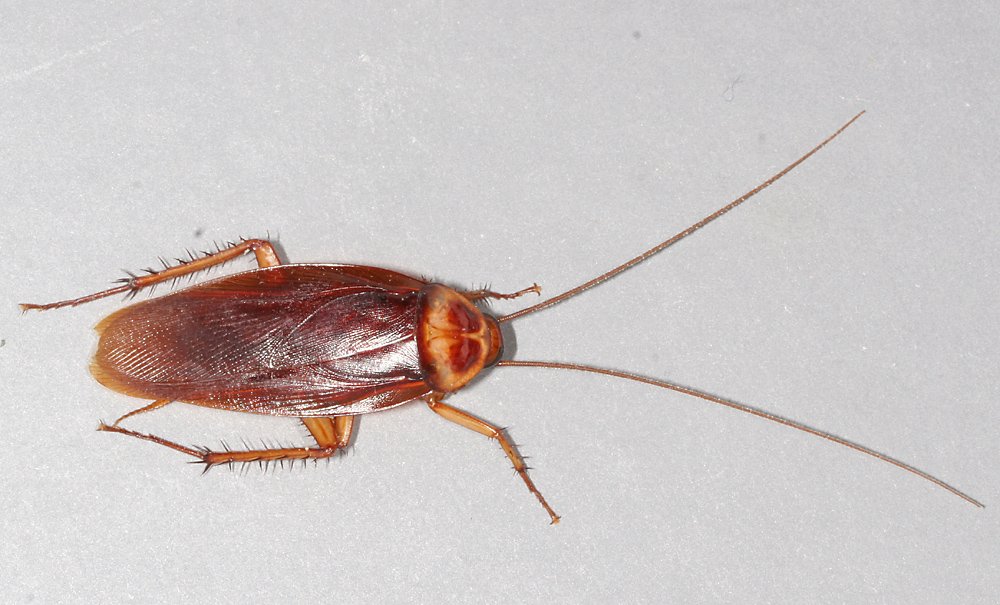
- The century basements: stone-walled, damp, and drain-floored — the big American and Oriental commuters’ downtown headquarters, managed on the infrastructure playbook: wet traps, screened drains, dehumidification, low-zone baiting.
- The high-water surges: levee-town hydrology pushes the drain population upward after wet stretches — a week of valley-block surfacing that reads as invasion and resolves as plumbing, closed by the water-the-traps protocol (the water bug file).
The Residential Rings and the Honest Sort
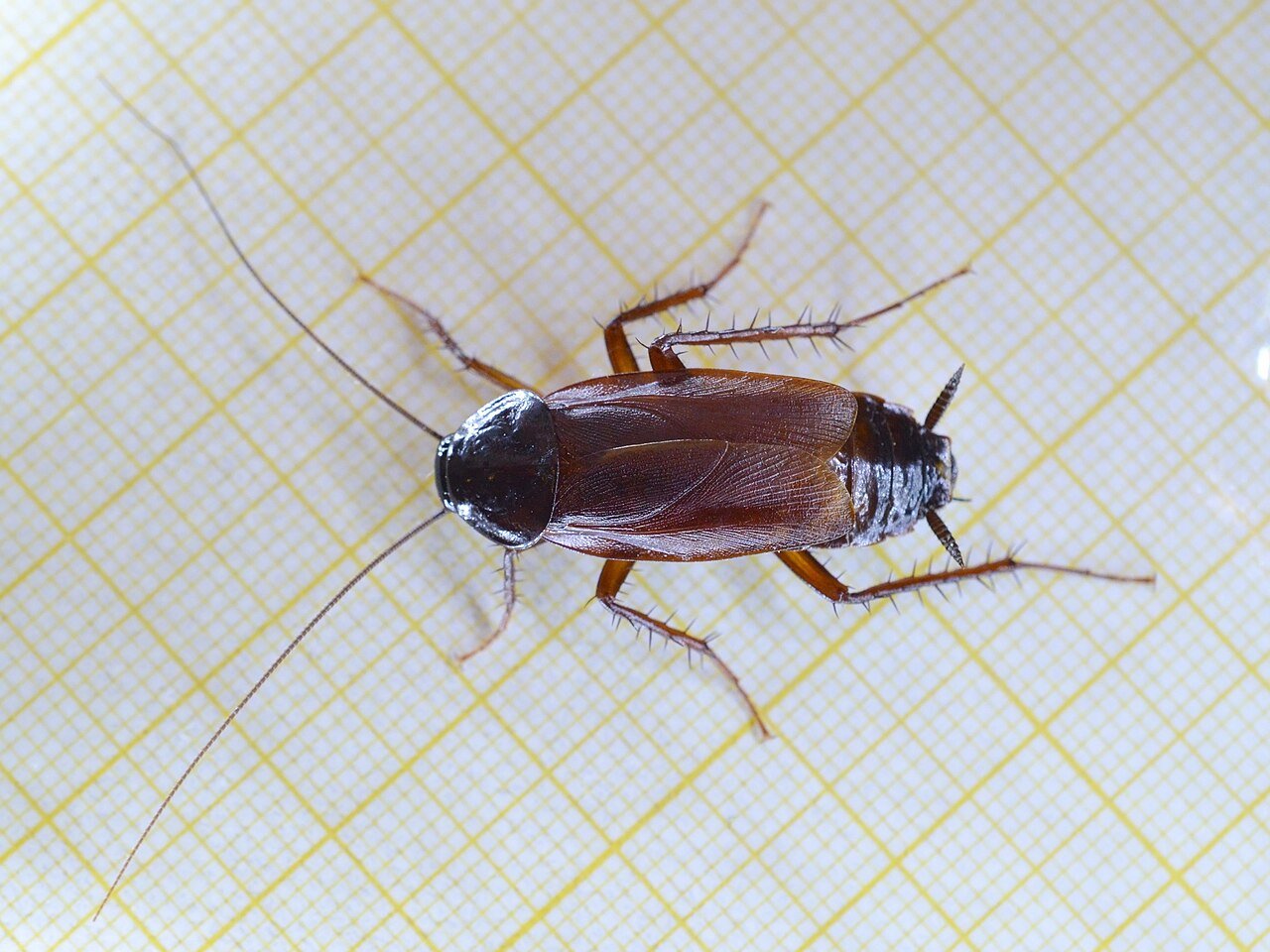
Off the square, Troy’s roach work runs the standard county-seat sort. The importation cases: the striped kitchen species arriving in moving boxes, auction hauls (the antique economy’s cardboard moves as much risk for roaches as for bed bugs), and secondhand appliances — compounding on the 50-day clock wherever it lands, cleared by crevice-placed gel baiting with growth regulator and follow-ups inside the reproduction window. The June file: wood roaches off the levee corridor and farm edges at every porch light — the free-identification dustpan case, annually. The false alarms: ground beetles and crickets from the ag margin, sorted by photo before anyone spends a dollar, with the two-stripe check settling the only identification that changes stakes (the Ohio lineup, the nymph alarm). The don’t-do list holds county-wide: no foggers into century voids or anywhere else (the indictment), no bleach-mopped placements, and no treating weather as infestation.
The Troy Calendar and Bottom Line
The square runs year-round (heated mixed-use has no off-season, and building programs launch best in fall before winter density); the levee front surges with the spring rises and late-summer storms; the residential rings peak with moving season and the June porch-light weeks. The strategic windows follow: drain protocol before the spring rises, building programs documented and launched in fall, auction-cardboard discipline year-round, and same-week verification (free, from a photo) for any striped sighting anywhere. One flat price residential, documented agreements for the square’s stacks and kitchens, the method at cockroach control — and the county seat’s whole ledger, now six services deep, at Troy pest control.
Roaches Above the Restaurant — or After the River Rose?
The square’s stacks get building programs, the levee blocks get the drain protocol, and the verdicts stay honest — flat-priced and guaranteed across Troy.
The Square’s Paper Trail
One county-seat specific deserves the closing word: documentation density. The square’s buildings answer to more stakeholders per address than anywhere else in Miami County — health inspectors on the kitchens, landlords on the stacks, historic-district considerations on the structures, and the county’s own offices around the circle — and roach work there is paperwork as much as placement. Our commercial and building programs produce the trail as a matter of course: service logs, placement maps, monitoring counts, and the findings letters that move a stack’s owner or satisfy an inspector before the question finishes. For the square’s restaurant operators specifically, the monitoring-log rhythm is the difference between an inspection line item and an inspection story — and for the apartment tenants above them, the documented building case is what converts “the roaches come from downstairs” from suspicion into a scheduled treatment. County seats run on records; so does their pest control.
Frequently asked questions
Why does my apartment above a Troy restaurant get roaches?
The stack effect: street-level food service and upper-floor apartments share chases and party walls, and populations travel both directions. Building-level coordinated treatment — documented for the owner — is the version that holds; unit-by-unit is rented reinfestation.
What are the big roaches in the downtown basements?
American and Oriental commuters headquartered in the stone-walled, drain-floored century basements — managed on the infrastructure playbook: wet traps, screened drains, dehumidification, and low-zone baiting rather than kitchen panic.
Why do roaches surface after the river runs high?
Levee-town hydrology — wet stretches push the drain population upward through the older blocks’ floor drains for about a week. It reads as invasion and resolves as plumbing; the water-the-traps protocol closes the route.
Do auction boxes really carry roaches?
Cardboard is the kitchen species’ number-one vehicle, and the antique economy moves it constantly — same-day breakdown and disposal after every haul, plus a flashlight pass on secondhand appliances’ motor voids, closes the route.
Are the June roaches at my porch light a problem?
Wood roaches off the levee corridor and farm edges — unable to breed indoors, dead within days, and identified free so nobody buys treatment for weather.
What documentation do the square’s businesses get?
Service logs, placement maps, monitoring counts, and findings letters — the paper trail that satisfies health inspectors, moves building owners, and turns tenant suspicion into scheduled treatment. County seats run on records; so does their pest control.
When should a Troy building launch a roach program?
Fall — before winter concentrates populations indoors — with the drain protocol ahead of the spring rises and same-week verification for any striped sighting year-round. The 50-day reproduction clock rewards every week of head start.
What does cockroach control cost in Troy?
One flat price residential; documented service agreements for the square’s stacks and kitchens, scoped to the building. Free photo identification either way — and half the calls end with “it’s just the June wood roaches.”
The Kitchen-Species Clock, One More Time
Because the county seat’s mixed housing makes it worth restating plainly: wherever the striped kitchen roach lands in Troy — square stack, ring house, or farm-edge rental — the arithmetic is identical and unforgiving. One overlooked egg case is thirty to forty nymphs; maturation runs fifty to sixty days in any heated kitchen; and the difference between the single-cycle clear and the building project is almost entirely the calendar date on the first call. The two-stripe check takes half a second, the photo verdict is free and same-day, and the placement program that follows clears low-pressure cases before the second generation exists. Troy’s roach outcomes are decided in week one — and week one is always cheaper than it looks.