Somewhere between the bleach myth and the bug bomb sits the internet’s most almost-right pest remedy: the borax recipe. And this page — part of the same myth-testing series that has buried bleach, rubbing alcohol and foggers — arrives with a twist ending: borax genuinely works. Boric acid and borax are real insecticides with a century of professional use and legitimate research behind them; the gel baits our own technicians place are, in several products, boron chemistry in a nicer suit. So why do most kitchen borax projects fail anyway? Because the chemistry was never the hard part — the delivery is: concentration, placement, patience and species-matching decide everything, and the DIY recipes get at least one of the four wrong by default. What follows is the honest version: how boron compounds actually kill insects, the recipe that works on ants (with the mistakes that quietly sabotage it), why roaches need the dust rather than the syrup, where the safety lines with kids and pets really sit, and the specific situations where the twenty-dollar professional bait or the service call genuinely is the cheaper path. Greater Dayton Pest & Rodent, free ID line as always: (937) 569-3330.
First, the chemistry: how boron kills an insect (slowly, which is the point)
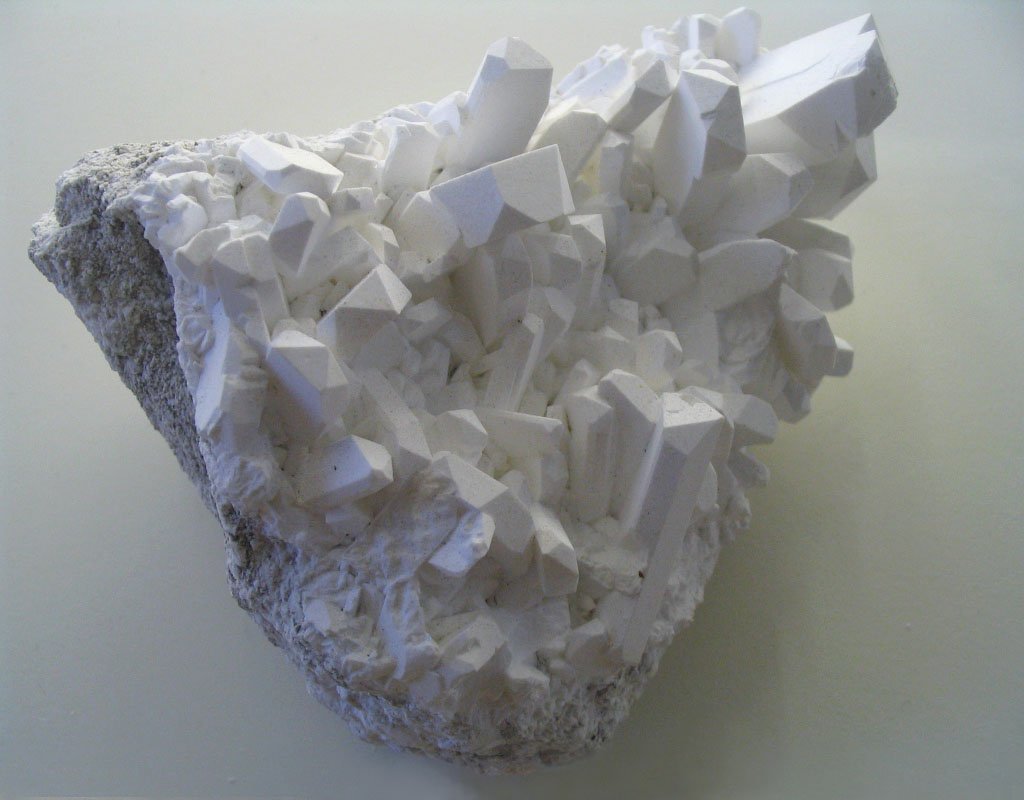
Borax (sodium tetraborate, the laundry booster) and boric acid (its refined cousin, sold as powder) share an active principle: boron disrupts an insect’s gut — ingested boron poisons the digestive tract’s function and the microbial economy inside it, and abrades and dehydrates through the exoskeleton in dust form. Two properties make it professionally beloved: insects have never developed meaningful resistance to it (a metabolic poison this fundamental offers no cheap workaround — contrast the resistance treadmill running through the pyrethroid sprays), and it kills slowly, over one to three days. That slowness reads like a flaw and is actually the entire strategy: a foraging ant that dies at the bait is one dead ant; a forager that carries sweetened boron home, shares it via the colony’s mouth-to-mouth food exchange (trophallaxis — the ant economy’s central institution), and then dies has poisoned the workers, the brood and — the only death that ends anything — the queen. Slow is the feature. Everything that follows on this page is about protecting that feature from the person applying it, because nearly every DIY failure is someone accidentally converting a colony-killing bait into a fast-acting repellent. Hold that sentence; it explains the whole troubleshooting section.
Boric acid genuinely works, but only at the right concentration and only if they take it home. Getting that wrong is why people call for ant control in Dayton.
Borax for ants: the recipe that works, and the five ways it gets ruined
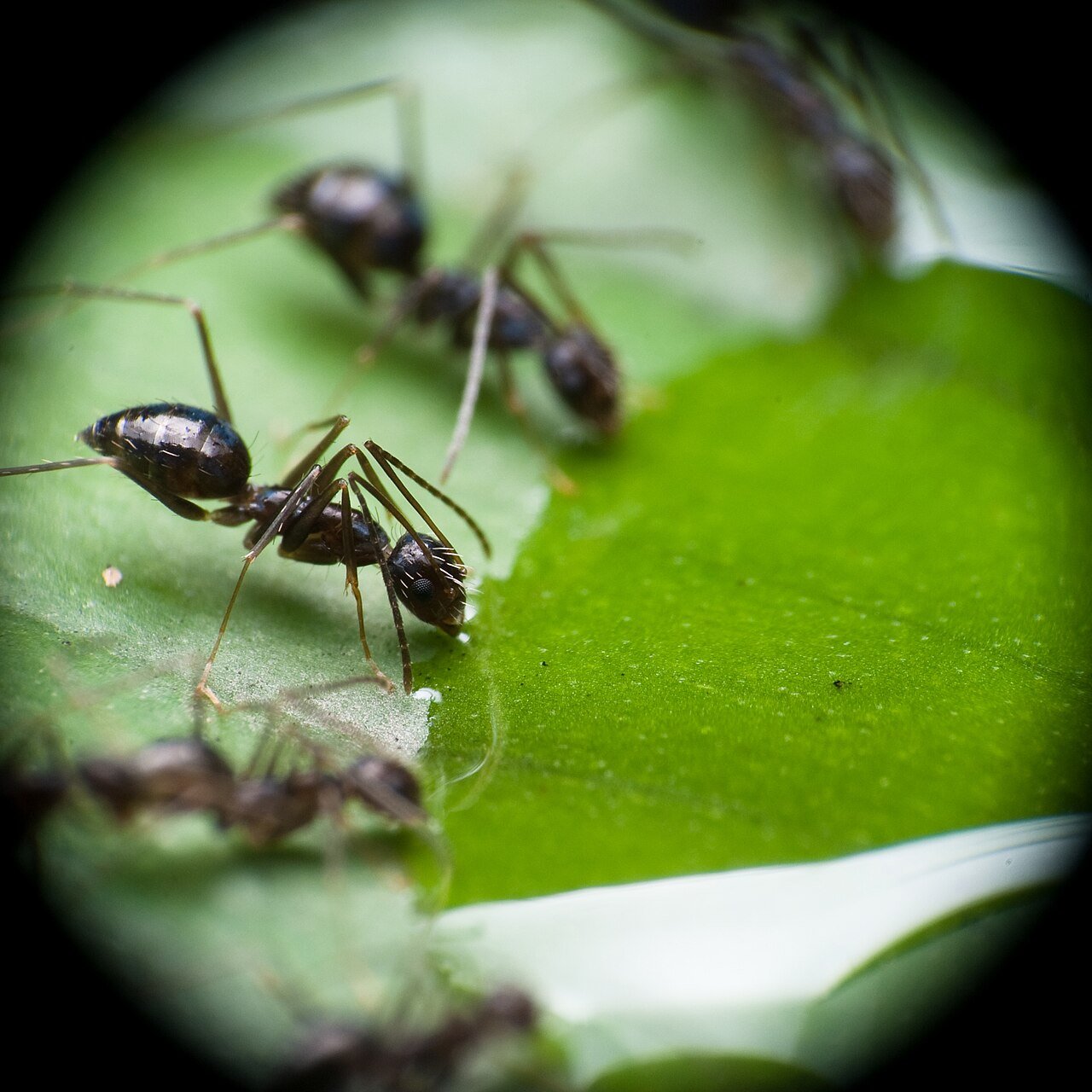
The working recipe, validated across decades of extension-service testing and our own field experience with what’s left of failed DIY when we arrive: 1 part borax dissolved in about 2 parts sugar and 6-8 parts warm water by volume — landing near 2-5% borax concentration — soaked into cotton balls, set on jar lids or in covered stations along active trails, refreshed every day or two. Done exactly so, it’s genuinely effective on the sugar-loving ants that dominate Ohio kitchens — the odorous house ants above all. The five saboteurs, in the order we encounter them: Too strong — the folk instinct that more poison works faster inverts here: past ~5%, foragers die en route or taste the dose and recruit the colony away; the “equal parts borax and sugar” recipes all over Pinterest are quadruple-strength repellents. Dry delivery — the powder-mix-on-a-lid approach fails because household ants want liquid carbohydrate; the syrup is the vehicle that gets boron into trophallaxis. Killing the messengers — spraying the trail with anything (vinegar, Windex, ant spray) while bait is out destroys the recruitment highway the bait depends on; bait and spray are opposing strategies, pick bait. Impatience — days 1-3 typically show MORE ants (successful recruitment looks like an invasion); the crash lands day 4-10; the classic quit happens day 2. Wrong species — sugar bait does little against protein-cycling colonies mid-season, largely misses carpenter ants (a structural matter deserving diagnosis, not syrup), and does nothing whatsoever about the exterior colony pressure that our ant guide maps — which is why even perfect borax work sometimes needs the perimeter program behind it.
Boric acid for roaches: right chemistry, different delivery
Roaches meet boron differently, and the format flips: for cockroaches, the dust outperforms the syrup. The professional technique — the one running quietly behind our kitchen protocols for decades — is boric acid powder applied as a barely visible film in the crack-and-void world where roaches actually live: behind the refrigerator and stove, under the kickplates, into the hinge-side cabinet gaps, the plumbing penetrations under the sink. The mechanism is elegant: roaches walking through an invisible dusting pick it up electrostatically, then ingest it grooming their legs and antennae (fastidious grooming is the roach’s one hygienic virtue, weaponized), and the slow gut kill follows — plus a cannibalism cascade, since roaches eat their dead and the dose passes along. The failure mode is visible from our doorway on arrival: white drifts and lines of powder along baseboards. Piled boric acid is a wall to a roach — they detect and detour around visible accumulations — so the heaps achieve repellency (scattering the population deeper into the structure, the fogger’s sin in powder form) while the homeowner concludes boric acid is a myth. The rule that fixes everything: if you can see it easily, it’s too much — a puffer bottle’s light breath into cracks, not a scoop’s snowfall onto floors. Same chemistry, opposite formats by species: ants drink it, roaches walk through it — and both die slowly at home, which was always the plan.
The safety file: kids, pets, and honest toxicology
Borax marketing leans hard on “natural” and “safe,” and this series doesn’t do halo words, so here are the numbers’ honest shape. Boron compounds are low-toxicity to mammals relative to most insecticides — the reason they’ve survived a century of regulatory tightening — but low is not zero: ingested quantity matters (a pet lapping a strong bait or a toddler mouthing a powder drift is a poison-control call, not a shrug), chronic exposure matters, and the EU classifies borates as reproductive-risk substances at doses worth respecting. The practical protocol that keeps everything boring: bait in enclosed stations (a lidded jar with punched holes, a taped-down container — anything that admits ants and excludes tongues), placed behind appliances and inside cabinets rather than on open floors; dust only into voids and cracks that fingers and paws can’t reach, never broadcast on surfaces; wash hands after mixing; store the box high. Households with crawling infants or determined pets should skip open DIY placements entirely and use commercial enclosed bait stations (same boron chemistry, tamper-resistant packaging — the extra three dollars is the safety engineering). And the perspective line our DE safety guide established holds here: the correctly deployed version of this chemistry, placed in cracks and stations, presents less household exposure than the aerosol alternative sprayed across the counters — “natural vs. chemical” is the wrong axis; placed vs. broadcast is the one that decides both safety and results.
Borax vs. the professional version: an honest comparison
So when does the laundry-aisle box genuinely suffice, and when is it false economy? The honest matrix from people who sell the alternative: Borax DIY wins when the target is a light-to-moderate odorous-house-ant trail into a kitchen, the household can run the recipe with discipline (weak syrup, no spraying, ten days of nerve), and placements can be made toddler-and-pet-safe — that scenario resolves for under five dollars regularly, and we say so on the phone weekly. Commercial gel baits win (the $8-15 syringe tier) when you want the concentration pre-engineered, the matrix palatability tested across ant species’ seasonal appetites, and station safety built in — honestly, most households should start here; it’s the same strategy with the failure modes removed. The professional call wins when the species is wrong for sugar bait (carpenter ants — always a structural inspection; pavement ant wars erupting from slab cracks; anything you can’t confidently ID from our ant library), when trails persist past two disciplined weeks (persistent re-invasion means exterior colony pressure — satellite colonies, foundation nests, the mulch-line economy — which is perimeter-program territory no kitchen bait reaches), when it’s roaches beyond a light Oriental drift (the ootheca arithmetic outruns dust-only approaches in any established German population), or when the same battle re-fights every spring — at which point the Protection Plan’s quarterly perimeter work costs less than the annual DIY cycle it replaces. Right tool, right scale — the borax box is genuinely on the tool list; it’s just not the whole list.
The troubleshooting clinic: “I tried borax and…”
“…the ants ignored it completely.”
Three usual causes, in order: concentration too high (they taste it — remix weaker); wrong appetite (colonies cycle between sugar and protein seasonally — if syrup sits ignored in high summer, offer a parallel protein bait: the same weak borax mixed into a dab of peanut butter, and let the colony vote); or you’ve baited a scout trickle rather than a trail (bait where the traffic is, or wait for the trail to organize — a few wandering scouts aren’t recruitable yet). And confirm the species: if those “ants” have a heart-shaped abdomen and raise it when disturbed, you may be hosting something the ID guide should meet first.
“…it worked for a week, then they came back.”
You killed a colony — or a satellite — and the territory re-filled from outside, which is the normal ecology of a house with standing attractants and open entries. The bait did its job; the building didn’t do its part. The durable fix is the boring trio from every ant page we’ve written: caulk the entry seams, fix the moisture, manage the kitchen’s sugar economy — then bait again at the first new trail. Recurring spring invasions despite all three = exterior pressure = perimeter conversation.
“…there were MORE ants the next day. It made things worse!”
That’s the recipe succeeding — day-two surge is recruitment, the colony redirecting labor to your feeding station, boron flowing home with every returning forager. Hold your nerve, keep the cotton wet, and count again on day six. The single most common borax failure is a working bait thrown away at its moment of maximum effect — patience is an active ingredient.
“…I dusted boric acid everywhere and the roaches are still thriving.”
“Everywhere” is the problem — visible dust repels, and open-floor placements miss the crack world entirely. Vacuum up the drifts, re-apply as an invisible film into the actual harborage (hinge gaps, kickplate voids, penetrations), and pair it with gel bait and sanitation. If the population includes Germans with visible nymphs, skip to the protocol — dust alone doesn’t outrun that reproduction curve.
The verdict, series-style
So: does borax kill ants and roaches? Yes — delivered correctly, it’s one of the few internet remedies this series has ever affirmed: weak sweet syrup for the sugar ants, invisible crack-dust for the roaches, enclosed stations for the safety file, and ten days of patience for the colony math to run. Misdelivered — too strong, too visible, too impatient, wrong species — it joins the bleach and the foggers in the museum of things that felt like action. The chemistry was never the question; the craft was. And when the craft points past the kitchen — carpenter ants, German roaches, the every-spring reinvasion, anything with an ootheca or a structural void in the story — the same boron principles arrive on our truck in professional formulations with placement experience attached, priced honestly and guaranteed for plan members. Greater Dayton Pest & Rodent: (937) 569-3330, eight counties, and a myth series that calls them like the evidence does — even when the verdict is “the internet was right, with footnotes.”
Why this myth is different (the series’ taxonomy of folk remedies)
Having now tried a half-dozen folk remedies in this series, a pattern is worth naming, because it upgrades every future judgment you’ll make in the pest aisle. Folk remedies sort into three species. The theatrics — bleach, boiling water, ultrasonic plugs, the folklore beliefs: dramatic, satisfying, and aimed at the visible fraction of a problem whose real body lives elsewhere; they fail because they never touch the biology. The half-truths — rubbing alcohol, diatomaceous earth misapplied, vinegar trails: real mechanisms, hopeless deployment envelopes; they fail on contact-only physics or scale. And the orphaned professionals — borax baiting, BTI dunks from the gnat playbook, the dehumidifier doctrine, exclusion caulk itself: genuine professional techniques that escaped into folklore minus their instructions — the concentration tables, the placement discipline, the patience windows — and get judged on the crippled version. The diagnostic question that separates the three in thirty seconds: does this remedy have a mechanism that reaches the colony, the eggs, or the conditions — or only the individuals I can see? Theatrics never do; half-truths do in the lab but not on your counter; orphaned professionals do, if you restore the missing instructions. This page just restored borax’s. The rest of the aisle, you can now grade yourself — and the grading rubric is free, which remains this library’s favorite price point.
The quick-reference card
- Ant recipe: 1 part borax : 2 parts sugar : 6–8 parts warm water (target 2–5% borax). Cotton balls in covered stations on active trails. Refresh every 1–2 days. NO spraying anywhere near the trail. Judge at day 7–10, not day 2.
- Roach dust: boric acid powder as an invisible film into cracks, voids and appliance margins — puffer bottle, not scoop. Visible powder = too much = repellent. Pair with gel bait and sanitation; escalate Germans to the protocol.
- Safety: enclosed stations only around kids and pets; dust only where fingers can’t follow; wash hands; store high. Low toxicity ≡ not zero.
- Species check first: odorous house/pavement ants = green light. Carpenter ants, German roaches, anything unidentified = photo to (937) 569-3330 before the box opens.
- Escalate when: two disciplined weeks fail, invasions repeat seasonally, structure or ootheca enters the story — the perimeter program and protocols exist for exactly those.
Tape that to the inside of the laundry-room cabinet, next to the box that started all this — and let the century-old chemistry finally work the way it always could, one weak sweet teaspoon at a time.
One box, two formats, three failure modes avoided, ten days of patience — and the rare myth-series finale where the folk remedy takes a bow. Savor it; the next aisle over, the foggers are still lying, and the series isn’t done with them either.
And if the trail is marching across your counter while you read this: mix it weak, set it wet, spray nothing, and give the colony a week to carry the ending home. The chemistry has waited a century; it can handle your kitchen.
Frequently asked questions
Does borax really kill ants?
Yes — genuinely, and it is the one pantry remedy with real science behind it: boric compounds are slow-acting stomach toxins ants cannot detect, and the delay lets workers share the dose with queens and brood via trophallaxis. It is the same mechanism commercial baits refine.
What is the correct borax ant killer recipe?
The working standard: 1½ tablespoons borax dissolved in a half cup of warm water with a half cup of sugar — roughly a 5% solution. Soak cotton balls, place on foil beside the active trail, refresh daily so it never dries out. Concentration is everything: hotter kills couriers at the dish; weaker feeds the colony free sugar.
How long does borax take to kill an ant colony?
The honest timeline: traffic increases for a day or two (couriers recruiting — the good sign everyone misreads), declines by day three or four, and trails empty in one to two weeks. Multi-queen species like odorous house ants run the long end.
Is borax the same as boric acid for ants?
Related, not identical — borax (sodium tetraborate) and boric acid are different compounds with similar insecticidal action; both work in baits at correct dilutions. Commercial products mostly use refined boric acid or borate salts at dialed concentrations, which is exactly what you are paying $6 for.
Is borax bait safe around kids and pets?
Respect it like any pesticide: low-toxicity at bait doses but not nothing — placements go behind appliances, in cabinet corners, and inside made stations (a lidded container with pencil holes), never open floor. Pets that chronically lick surfaces get the station version, always.
Why is my borax bait being ignored?
Appetite mismatch or competition — colonies cycle between sugar and protein cravings, and a kitchen full of easier calories out-competes any bait. Rotate to a peanut-butter-borax mix, and starve the room: clean everything except the trail and the bait.
Why did borax work for a while and then ants came back?
Either the colony was multi-queen and partially collapsed (odorous house ants’ specialty), or a new colony re-scouted the same unsealed entries. The bait won its battle; the caulk gun never fought its half. Seal the traced seams after every victory.
Is homemade borax bait as good as store-bought ant bait?
Directionally identical, practically inferior — commercial formulations hold moisture longer, dose more precisely, and come in safer stations. The DIY version earns a B−; the $6 store version earns the A− and saves the measuring.
Does borax work on all ant types?
Sugar-feeding household species, well — odorous house, pavement, cornfield. Carpenter ants respond poorly (different diet economics, nest-location problem), and no bait chemistry fixes what they signal: wet wood. Species first, then chemistry.
When is borax not enough?
Carpenter ants, winter trails, two failed cycles, or relocating multi-room trails — the professional additions (non-repellent perimeters, void treatments, colony mapping) exist for exactly the cases the cotton ball cannot reach: (937) 569-3330.