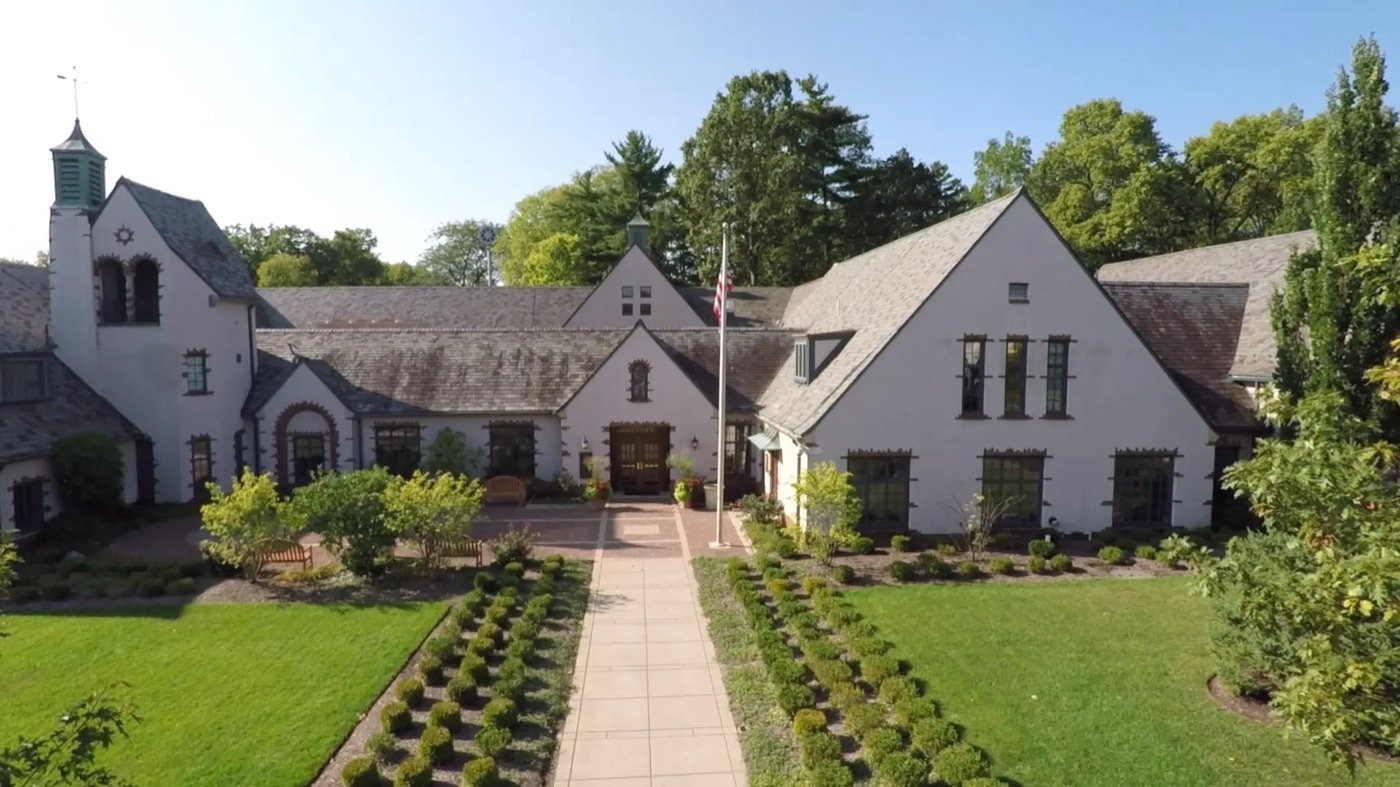
Oakwood’s tree-lined streets and hundred-year-old homes are the prettiest pest habitat in the Miami Valley. Slate roofs, stone foundations, ivy-covered walls, and a canopy of century oaks: it’s carpenter ant and mouse country, and it has been since the houses were built. We treat Oakwood homes with the care their owners expect — targeted work, no blanket spraying, straight answers.
What we get called for
- Carpenter ants — the signature Oakwood call; mature trees over rooflines plus old wood construction keeps parent colonies active
- Mice — stone foundations and original sill plates have gaps modern construction never had; exclusion in these homes is craftsmanship, not caulk
- Cellar spiders and camel crickets — classic unfinished-basement residents in pre-war homes
- Squirrel-adjacent problems — old soffits invite wildlife; we’ll tell you honestly when a problem is wildlife work rather than pest control
Older-home experience matters
A 1920s Oakwood colonial is not a Springboro new-build — entry points, materials, and treatment approach all differ. This is the housing stock we know best, one neighborhood over from our office.
Services: rodents · bed bugs · roaches · ants · wasps & hornets · spiders · fleas · termites · commercial programs
Nearby: Dayton · Centerville · Bellbrook
Pest control for houses built to last a century — and already past it
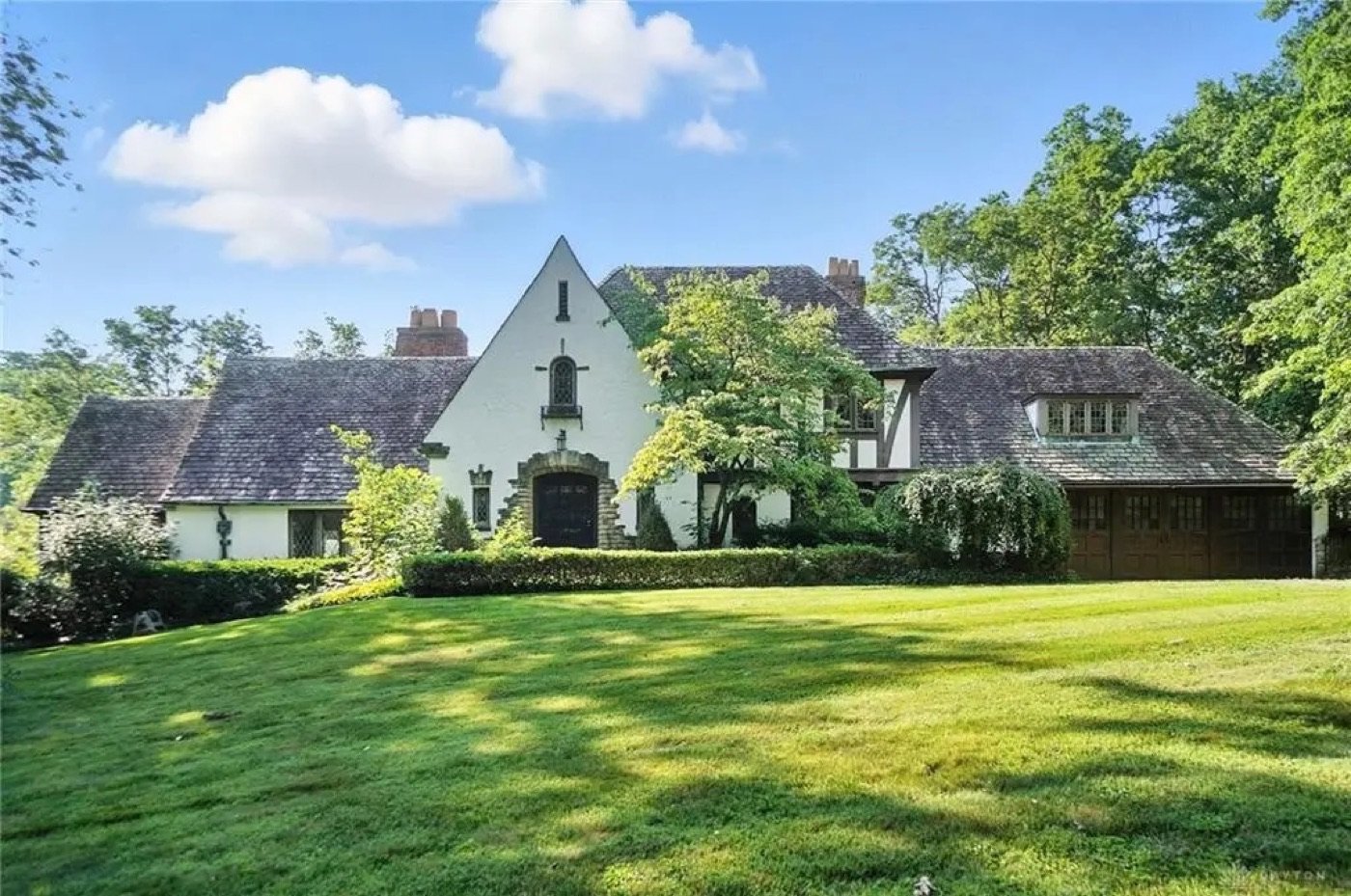
Oakwood is the Miami Valley’s showcase of pre-war architecture: 1910s–1930s Tudors, colonials, and foursquares on slate roofs and stone foundations, under a canopy of oaks planted when the houses were new. Nothing about that description is incidental to pest control. Stone and rubble foundations breathe through mortar joints that have been settling for a hundred years, giving mice a menu of entries no builder-grade checklist anticipates; original sill plates and hand-framed rim joists carry the gaps of a century of seasonal movement; slate roofs meet copper gutters at soffit details that admit overwintering wasp queens and cluster flies; and unfinished stone basements run the classic old-house ecosystem — cellar spiders, camel crickets, silverfish along the original bathroom plumbing, and the damp corners that invite everything else. Working on these houses is a craft discipline: exclusion means copper mesh and mortar-appropriate sealants placed with respect for the material, not a caulk gun swept along a vinyl seam, and our Oakwood work is priced and scheduled for that reality. The reward runs the other way too — these houses were built with quality that modern framing doesn’t match, and once properly sealed, they hold tight for years.
The canopy: glory and logistics
Oakwood’s tree canopy is contractual — the city’s identity depends on it — and it is also the most continuous carpenter ant habitat in the region. Century oaks carry dead limbs and old pruning wounds that host parent colonies; the canopy touches or overhangs a large fraction of the housing stock; and the moisture details of old construction (weather-side window frames, porch columns, the garage that was built as a carriage house) offer satellite-nest real estate a new build simply lacks. Big black ants indoors from March through June are an Oakwood commonplace, and the response that works is the mapping program on our ant page — trace, treat galleries, intercept highways, and name the moisture defect — paired with an arborist’s attention to the limb over the roof. The canopy also runs the squirrel-and-attic economy (wildlife referral territory, with our exclusion follow-up), hosts the bald-faced hornet globes that appear each August, and delivers the region’s heaviest leaf load into gutters whose overflow then feeds the moisture cycle that starts the whole paragraph over. Gutter discipline is pest control in Oakwood; we say it on almost every inspection.
The Oakwood pest calendar
- March–April: carpenter ant scouts emerge along the canopy streets; odorous house ants work the original kitchens; wasp queens probe slate-line soffits
- May–June: carpenter ant peak — the signature Oakwood season; cellar spiders and silverfish active in stone basements
- July–August: bald-faced hornet globes in the oaks; yellowjackets in wall voids of older garages; spider webs at the coach lights
- September–October: mice return through hundred-year-old entries; cluster flies and lady beetles stage on sunny stucco and brick; the month exclusion work matters most
- November–February: indoor season in wall voids and basements; the right window for the careful sealing projects these houses deserve
Oakwood questions we hear
Can you seal a stone foundation without wrecking its look?
Yes — that’s precisely the craft version of exclusion: copper mesh packed into joints, color-matched mortar-compatible sealants, vent screens cut to the original openings, and nothing that reads as a retrofit from the sidewalk. We photograph before and after; the neighbors shouldn’t be able to tell, and the mice should.
Our house has been here a hundred years — hasn’t it reached equilibrium with the pests?
It’s reached equilibrium with deferred maintenance, which is different. Every Oakwood house we’ve sealed has responded the same way as a new build — activity stops when the entries close — it just takes a more careful map to find them all. Age changes the method, not the outcome.
Do you work with our contractors during renovations?
Happily — renovation-phase exclusion while walls and trim are open is the cheapest this work will ever be in a house like yours, and we coordinate scope with restoration carpenters regularly. Put us between demo and insulation on the schedule.
Slate, copper, and the value-protection argument
Oakwood homeowners think in decades — you don’t own a 1925 Tudor casually — and pest strategy here is really an asset-protection strategy. The damage modes that matter most in this housing stock are the slow ones: carpenter ant galleries quietly extending through a porch column summer after summer, mice compacting and fouling knob-and-tube-era wall insulation, moisture cycles softening original wood trim faster than any insect could, and the eventual discovery costs landing in restoration-carpentry dollars rather than lumberyard dollars. Annual inspection is the instrument that changes the math: an hour’s walkthrough each spring reading frass cones, listening at suspect walls, checking the basement’s moisture story, and auditing last year’s seal points catches every one of those slow processes at the cheap end of its curve. Several of our Oakwood households run exactly that rhythm — a spring inspection, a fall exclusion check, and the guarantee covering whatever the year brings between — and their houses are the argument: century homes, quiet walls, original fabric intact. That’s the standard this neighborhood’s architecture deserves, from a company ten minutes away that knows the difference between a foursquare and a farmhouse: (937) 569-3330.
On the park side of town? See our dedicated Hills & Dales area guide for wooded-lot pest pressure.
Street by street: Schantz Park, Orchardly, and the Far Hills spine
Oakwood is small enough to know intimately, and its pest pressure maps onto its geography. The Schantz Park blocks carry the city’s densest canopy and some of its grandest slate — which means the strongest carpenter ant pressure, the most squirrel-and-slate interactions, and gutter systems that feed foundation moisture wherever a downspout has quietly disconnected. Orchardly and the streets west of Far Hills mix Tudors and Colonials on tighter lots, where one property’s ivy or wood pile becomes three neighbors’ problem — block-level thinking matters here. The Far Hills and Shroyer corridors add the commercial layer: restaurants, shops, and offices whose dumpster lines and receiving doors set the rodent baseline for the residential blocks behind them. And the streets shouldering Hills & Dales inherit the park’s woodland pressure directly — we cover that edge in detail in our Hills & Dales area guide. Wherever you are in the city, the drive from our office is short: we are minutes north on Salem Ave, and Oakwood is on our routes weekly.
The finished-basement factor
Nearly every Oakwood home has a basement and most are finished or half-finished — rec rooms, laundries, storage walls of built-ins. Finished basements change the pest conversation in two ways. First, moisture: these are 1920s-to-1950s foundations running modern humidity loads, and the cast-iron stacks, galvanized supply lines, and original drain systems many homes still carry mean small, slow leaks behind finished walls — exactly the conditions that support camel crickets, silverfish, millipedes, and the spiders that hunt them, invisibly, until the population is established. Second, concealment: a finished wall hides the foundation’s interior face, so the gaps a bare-block basement would reveal stay hidden until something announces itself. Our basement inspections in Oakwood work the mechanical rooms, sump pits, and unfinished margins hard — they are the truth-tellers — and we flag plumbing-age moisture signs in every report, because in this housing stock the pest evidence and the plumbing evidence are usually the same evidence.
One more Oakwood-specific: aging sewer laterals. The mature trees that make the streets beautiful send roots into century-old clay lines, and a cracked lateral is both a plumbing bill and a rodent highway — rats travel municipal sewers and exploit broken laterals to surface on private property. If you have recurring drain flies in a basement bath, gurgling fixtures, or rodent activity that defies a sealed-looking house, the lateral deserves a camera before anyone blames the visible foundation. We coordinate with plumbers on exactly these cases and will tell you honestly when the fix is theirs, not ours.
Plaster, lath, and how we treat walls built by craftsmen
Most Oakwood interiors are plaster over wood lath — harder, denser, and far better built than drywall, with one pest-relevant quirk: the wall voids behind plaster are continuous, irregular, and connected to the balloon-framed chases of the era. Treating them takes different technique. We do not drill show-surface plaster; we work from existing access — outlet and switch penetrations, baseboard gaps, closet interiors, attic and basement plate lines — placing dusts and baits into the void network where insects actually travel. It is slower than the drill-and-fill approach and completely invisible afterward, which in rooms with original crown and picture rail is the only acceptable standard. The same philosophy governs exteriors: no drilling through slate, no staining copper, mortar-matched sealants on stone, and every exclusion material chosen to disappear into the architecture. Oakwood homes have survived a century of weather without being disfigured; pest control should not be the thing that finally does it.
High-value homes, high-stakes transactions
Oakwood real estate carries a fact its tax card hides: these homes cost dramatically more to rebuild than their sale prices suggest — slate, custom millwork, and plaster are artisan-priced now. That same math applies to what termites and carpenter ants can do. Structural damage in a home like this is not repaired at production-builder rates, which makes prevention the cheapest number on the whole spreadsheet: an annual inspection, moisture kept off the sills, and immediate response to swarmers or frass. It also raises the stakes on transactions. When Oakwood homes change hands — and they change hands fast — the WDI inspection (the NPMA-33 report lenders require) deserves more than a checkbox vendor. We are Category 12 licensed inspectors who actually work this housing stock; we know where a 1928 Tudor hides its history, and our reports read like it. Buyers, sellers, and the agents between them can book inspections directly — see our page for realtors.
The maintenance-culture advantage — and its one blind spot
Oakwood may be the best-maintained housing stock in the region: paint schedules kept, roofs repaired in kind, yards immaculate. That culture genuinely suppresses pests — sound flashing, tight paint, and clean gutters close entries other towns leave open. But it has a signature blind spot: the foundation line behind mature plantings. Ninety-year-old yews and boxwood hedges — often original to the house — hide the base courses completely, hold moisture against stone, and quietly bury the foundation reveal under decades of mulch and leaf mold. The house looks perfect from the sidewalk while the six inches that matter most to a termite or a mouse have not been laid eyes on since the Nixon administration. Our inspections go behind the hedges with a light and a mirror, every visit. It is unglamorous, and it is where Oakwood problems live.

Walkable streets, active families, careful treatment
Oakwood lives outdoors — kids walking to school, strollers on Far Hills, dogs on every block, gardens behind every third house. Our treatment standards assume all of it. Applications are placed, not broadcast: cracks, voids, foundation lines, and specific harborage, per label, with tamper-resistant equipment for anything rodent-related and stand-off buffers around play areas, vegetable beds, and pollinator plantings. When the most effective fix is non-chemical — exclusion, habitat correction, a downspout moved, a hedge lifted off the stone — that is what gets recommended first. We explain every product before it is opened, and we schedule around the household: nap times, school pickups, the graduation party on Saturday. It is your family’s house; we are just the ones keeping the uninvited out of it.
Oakwood questions, continued
Who handles squirrels in the attic — you or a wildlife company?
Slate roofs and mature oaks make this Oakwood’s most common winter call. We diagnose free — sounds, droppings, and entry size tell us squirrel versus mouse quickly — and we handle all rodent work within our license: mice, rats, and the exclusion carpentry that closes the building. For squirrel and raccoon removal itself we bring in a licensed wildlife operator we trust, then do the sealing once the attic is empty. One call to us still runs the whole process; you just get the right specialist at each step instead of a mouse program sold for a squirrel problem.
Our house just sold for well over asking. Does pest control really move the needle on a property like this?
It protects the needle. Nothing we do adds value to an Oakwood home; what we do is prevent the two subtractions that hit hardest at closing — an adverse WDI finding surfacing mid-transaction, and structural repair estimates in artisan materials. A clean, current inspection history from a licensed local company is a quiet line in the disclosure packet that keeps expensive questions from ever being asked. Sellers order it before listing; smart buyers order it before waiving anything.
Is quarterly service overkill for a well-kept home?
Sometimes — and we will say so. A tight, well-maintained Colonial away from the park edge may genuinely need only an annual inspection and call-us-when responsiveness. Homes under heavy canopy, backing to Hills & Dales, or running finished basements over original plumbing usually do earn the quarterly cadence. The inspection tells us which home you have; the recommendation follows the evidence, not the invoice.
Free quotes, free photo identification, licensed for everything this housing stock demands (Pesticide Business License #115079; applicator #170858 — categories 10A, 10B, and 12), and a re-treatment guarantee in writing: on our Protection Plan, if covered pests come back between visits, so do we. (937) 569-3330 — Greater Dayton Pest & Rodent, minutes from Oakwood on Salem Ave.
One more thing worth saying plainly: Oakwood is the kind of place a local company earns slowly and keeps by performing — referrals travel these blocks faster than any advertisement. That is the standard we signed up for. If your home has picked up ants under the slate, mice behind the hedges, or anything in the basement that was not on the closing documents, the first conversation is free and the truth comes standard.
Who actually turns up in Oakwood: Greater Dayton Pest & Rodent is owned and operated by Bryan Camden, licensed by the Ohio Department of Agriculture — firm #115079, commercial applicator #170858, categories 10A, 10B and 12. When you call, you talk to the person who does the work. No call center, no rotating crews, and the same technician on every visit.
Frequently asked questions
Do you provide pest control in Oakwood?
Yes — Oakwood’s historic streets are a specialty route, and its 1910s-30s housing stock (slate roofs, stone foundations, original everything) shapes protocols we genuinely enjoy running. The dedicated Oakwood page goes deep on the community’s patterns.
What pests are most common in Oakwood homes?
The century-home suite: mice through stone-foundation mortar joints (the perennial leader), European hornets and wasps in the mature oak canopy and generous old soffits, carpenter ant flags wherever original box gutters have leaked into fascia, and cellar-and-centipede moisture guilds in the era’s basements.
How much does pest control cost in Oakwood?
The same formula as every zip code — an Oakwood address never pays an Oakwood premium: property-computed plan pricing, flat one-time jobs, free estimates. The perimeter-based math does read bigger historic footprints honestly, which the quote itemizes so you see why.
Can you do exclusion work on stone foundations without damaging them?
That is the Oakwood craft: masonry-appropriate sealing — copper mesh and mortar-compatible patching, never expanding foam against historic stone — plus slate-safe roofline work and the documentation habits old-house owners expect. Preservation-minded pest control is a real discipline; we practice it.
Why do Oakwood houses get carpenter ants?
Box gutters — the era’s beautiful, leak-prone gutter systems soak fascia and rafter tails, and carpenter ants colonize exactly that softened wood. The treatment pairs with the honest referral: fix the gutter or host the sequel; our inspection maps both.
Do you handle the big hornets around Oakwood’s oaks?
European hornet calls cluster in Oakwood’s canopy — the night-flying giants at porch lights every August. Most nests sit in tree cavities off-structure (benign neglect verdicts); the ones in old wall voids get the professional cavity protocol.
How fast do you get to Oakwood?
Minutes from base — Oakwood schedules with core-route speed, days at most, priority calls faster. No travel charges.
Is termite monitoring important for Oakwood’s old houses?
More than anywhere — stone foundations with buried grade lines and decades of landscaping are conducive-condition catalogs, and bait systems suit historic homes precisely because they need no drilling through finished basements or old masonry. The free annual inspection is the minimum; stations are the century-home standard.
Do you respect historic-district considerations?
Fully — exterior work stays reversible and appearance-neutral, treatments are placement-first, and anything touching original fabric gets discussed before it happens. Old houses deserve contractors who ask first; pest control included.
How do I start service in Oakwood?
(937) 569-3330, the instant quote, or a photo of the evidence — free estimate, preservation-minded protocols, and first visits typically within the week.
Oakwood Pest Control, Service by Service
Every service line now carries its own Oakwood-specific file — written from this town’s century houses, slate roofs, and mature canopy, not from a template:
- Ant control in Oakwood — the canopy mortgage, carpenter ants first
- Cockroach control in Oakwood — the estate route, guarded at the garage
- Wasp & hornet removal in Oakwood — the detail file, swept slate-safe
- Rodent control in Oakwood — the lateral file, fixed in two trades
- Termite control in Oakwood — the century audit, archive sorted from present tense
- Termite inspection in Oakwood — what an inspection actually covers, what it costs, and why a sale here rarely forces one.