
Troy’s termites drink from the same water table as its ants — and eat from the same two housing books as everything else in the county seat. The levee’s flood-plain geography keeps the valley soil moist year-round (the hydrology that writes the town’s ant calendar keeps subterranean colonies foraging at steady tempo), the historic core’s downtown blocks stack century timber over stone foundations at commercial scale, and the residential rings run every construction era from Victorian sill to modern slab — each with its own evidence file and entry map. Around it all, the ag margin’s fencerows, wood lots, and old outbuildings keep natural colony pressure at county density. The county seat’s termite work, accordingly, is portfolio work: here’s the file, book by book.
The Portfolio, Book by Book
- The flood-plain factor: valley soil moisture runs steady where the river keeps the water table high — the riverside blocks and low streets carry Miami County’s most consistent foraging pressure, and wet springs amplify it on the same clock as everything else the hydrology writes.
- The downtown blocks: the square’s mixed-use buildings stack 150 years of timber — joists, subfloors, storefront framing — over stone foundations with shared walls and shared foundation lines: the connected-structure file at commercial scale, where one building’s colony forages its neighbors and coordinated response is the version that holds.
- The residential eras: Victorian stone-and-sill stock on the classic visible-evidence protocol (the annual flashlight walk earns its keep), postwar basements and crawls past any builder treatment, and the newer rings on the standard pretreatment-expiry arc — the era-matched inspection vocabulary the county seat’s rodent file already taught.
- The ag-margin reservoir: fencerow posts, wood lots, and century outbuildings sustain the natural network — farm properties running the outbuilding inspection circuit alongside the house’s, and soil-contact timber the standing line item.
The Downtown File, Specifically
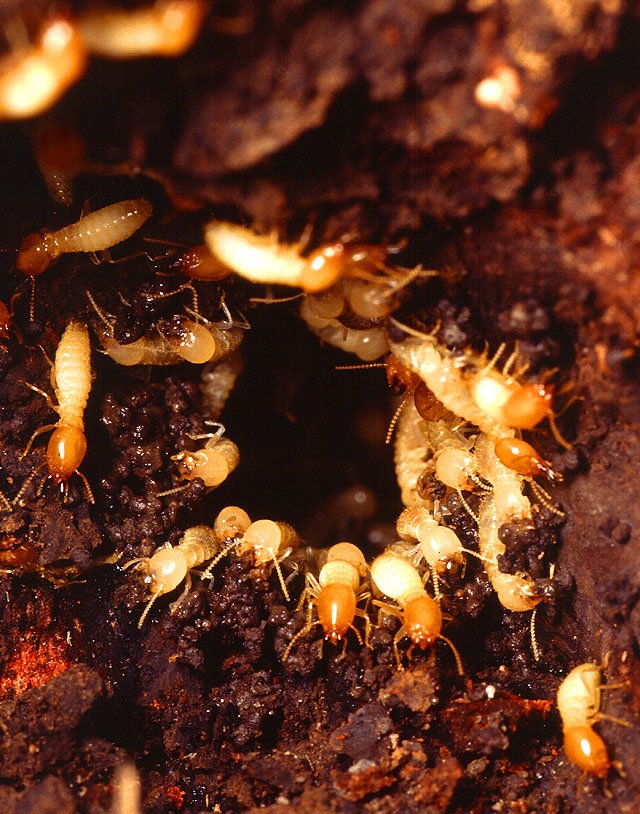
The square’s buildings earn their own protocol because commercial-scale century timber runs commercial-scale stakes: storefront thresholds and joist ends at grade behind stone, basement timber nobody’s inspected since the last tenant improvement, and the shared-foundation biology that makes single-building treatment the same leaky fix as every connected file in the county seat’s ledger. The program mirrors the town’s roach-and-rodent paper trail: documented inspections on schedules (annual at minimum, tenant-improvement-triggered always — every opened wall downtown is an inspection opportunity on 150-year timber), bait rings on the block’s soil line where the tight urban lots permit, coordinated response documented for owners when activity confirms, and the archaeology discipline at full strength — downtown basements carry generations of evidence, and the break test separates the Truman-era tubes from the live ones before any dollar moves. For the square’s owners, the pitch is the same as the rodent grid’s: county seats run on records, inspectors and insurers ask, and the building with the file answers fastest.
The Troy Calendar and Bottom Line
Swarm season, March through May, runs countywide — warm-rain afternoons, indoor emergence earning the this-week inspection, and the ant-or-termite check fielding a carpenter-ant county’s abundant lookalikes first. Fall is ring-installation prime on every book; wet years move the valley’s file forward on the flood-plain clock; and the renovation calendar — downtown improvements and Victorian rehabs alike — runs year-round, each opened wall a look at timber no routine inspection reaches. The bottom line runs the portfolio logic home: era-matched inspection, tenancy-and-tenant-proof monitoring rings, coordinated response where the foundations connect, and the honest archaeology reads that keep century evidence from billing modern owners. Flat published pricing at the cost page, transferable documentation, the method at termite control — and with this page, the county seat’s ledger stands complete: all eight services, at Troy pest control.
Valley Moisture, Century Timber, or Fencerow Pressure?
The portfolio program: era-matched inspection, standing rings, and the paper trail the county seat runs on — flat-priced across Troy and Miami County.
Buying or selling in Troy? What a lender, a VA file, or a listing agent asks for is not a treatment — it is a written report. That is a termite and WDI inspection in Troy: $99 flat on the lender-ready NPMA-33, next business day, PDF the day we inspect. Treatment only enters the conversation if the report actually finds something.
Frequently asked questions
Is termite pressure higher near the Troy levee?
Steadier — flood-plain geography keeps the valley water table high and the soil moisture constant, so the riverside blocks carry Miami County’s most consistent foraging pressure, amplified in wet springs on the same hydrology clock as the town’s ant file.
Do the downtown Troy buildings get termites?
They stack 150 years of commercial timber over stone foundations with shared walls — the connected-structure file at commercial scale, where coordinated response and documented inspection schedules are the version that holds. Every tenant improvement is an inspection opportunity.
We found old tubes in a Troy basement — how do we know if they’re active?
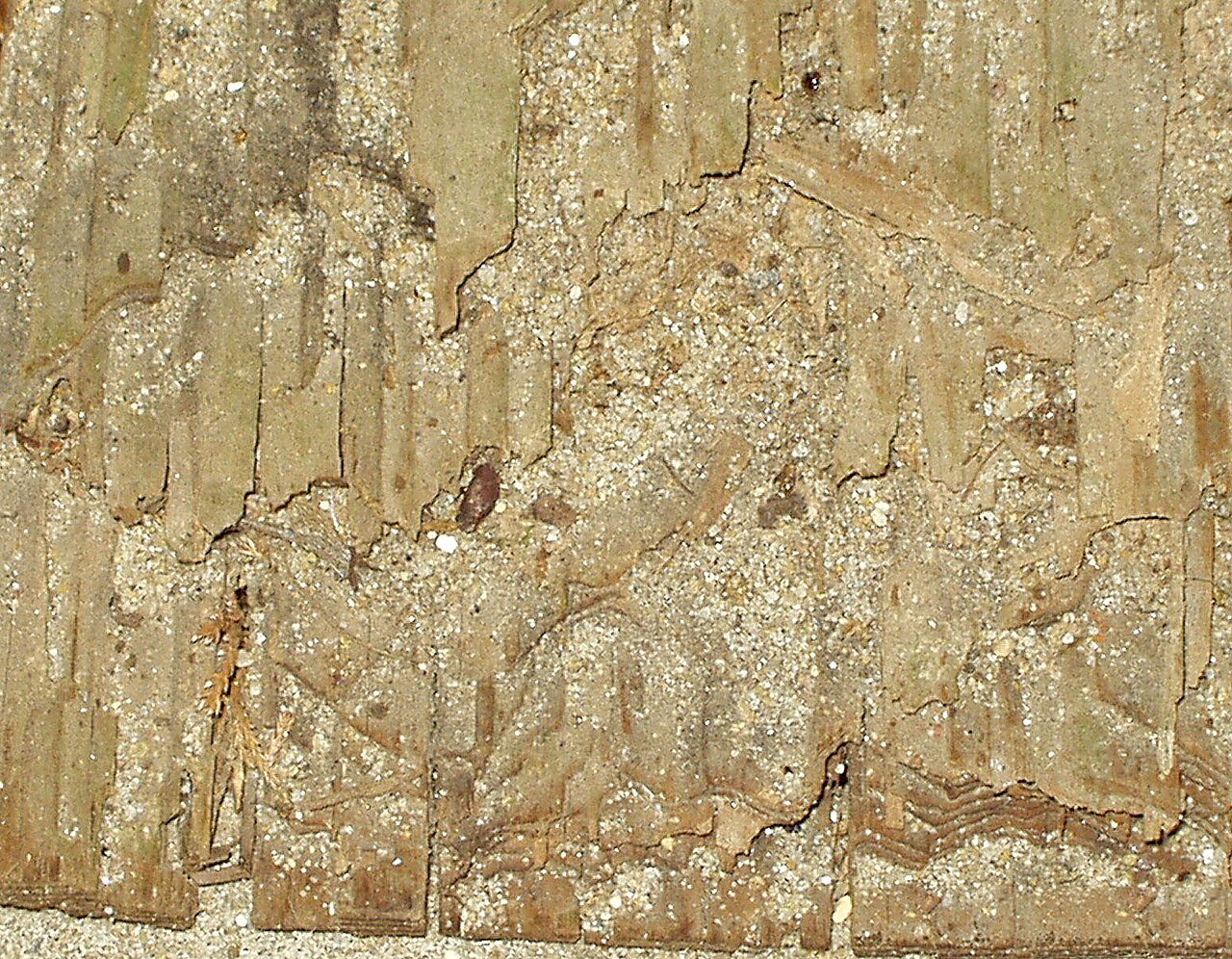
The break test: breach an inch of tube mid-run — an active colony repairs it within days with fresh mortar; archaeology stays broken forever. County-seat basements carry generations of evidence, and the read changes the bill completely.
What should farm properties around Troy watch?
The reservoir: fencerow posts, wood lots, and century outbuildings sustain the natural network at county density. The outbuilding inspection circuit runs alongside the house’s, and soil-contact timber is the standing line item.
Which Troy housing era needs which termite approach?
Victorian stone-and-sill stock rewards the annual flashlight walk (visible evidence); postwar basements and crawls run past any builder treatment; newer rings ride the pretreatment-expiry arc — era-matched inspection vocabulary, with bait rings suiting all three.
Are the spring swarms in Troy termites or the county’s carpenter ants?
A carpenter-ant county generates both: straight antennae, thick waist, equal wings mean termite; elbowed and pinched means ant. Indoor emergence of either earns the same-week look, and photo verdicts are free.
When should downtown owners schedule termite inspections?
Annually at minimum, and always at tenant improvements — opened walls on century timber are the looks no routine inspection gets. The documented file answers inspectors and insurers before the question finishes.
What does termite protection cost in Troy?
Flat published pricing — era-matched inspections, standing rings on the tight urban lots and farm perimeters alike, and liquid treatment scoped to confirmed activity — with transferable documentation and never a tent.
The Completed County Seat
Troy’s eight-service ledger closes on the theme it opened with: the county seat is a portfolio town, and its pest management is portfolio management. The hydrology writes the ant and termite calendars; the square’s vertical architecture runs the roach, rodent, and now termite files on connected-building rules; the ag margin feeds the flea reservoirs and the harvest wave alike; and the paper trail — the county seat’s native language — carries every serious case from finding to resolution. One crew reading one town across all eight files is the compounding advantage: the tech who walked your Victorian’s basement for tubes already knows its sill vocabulary from the rodent audit, and the square’s termite ring shares a service calendar with its rodent grid. That’s the completed-ledger promise in every town we finish — and Troy, fittingly for the county seat, files it with full documentation.