
Franklin is Warren County’s Great Miami river town — a paper-mill-era downtown and the Mackinaw Historic District’s Victorians on the west bank, the I-75 corridor’s growth stitched along the east, and the river that founded the place in 1796 still running through the middle of its pest calendar. Greater Dayton Pest & Rodent serves Franklin on the northern Warren routes — the same near-daily density that covers Springboro and Carlisle, minutes off the Montgomery seam — with the full service list, the two honest ways to hire us, and the river-town literacy this page exists to prove.
Plenty of people in Franklin search for an exterminator rather than pest control. Same job, older word — and it is still the one most of our callers use.
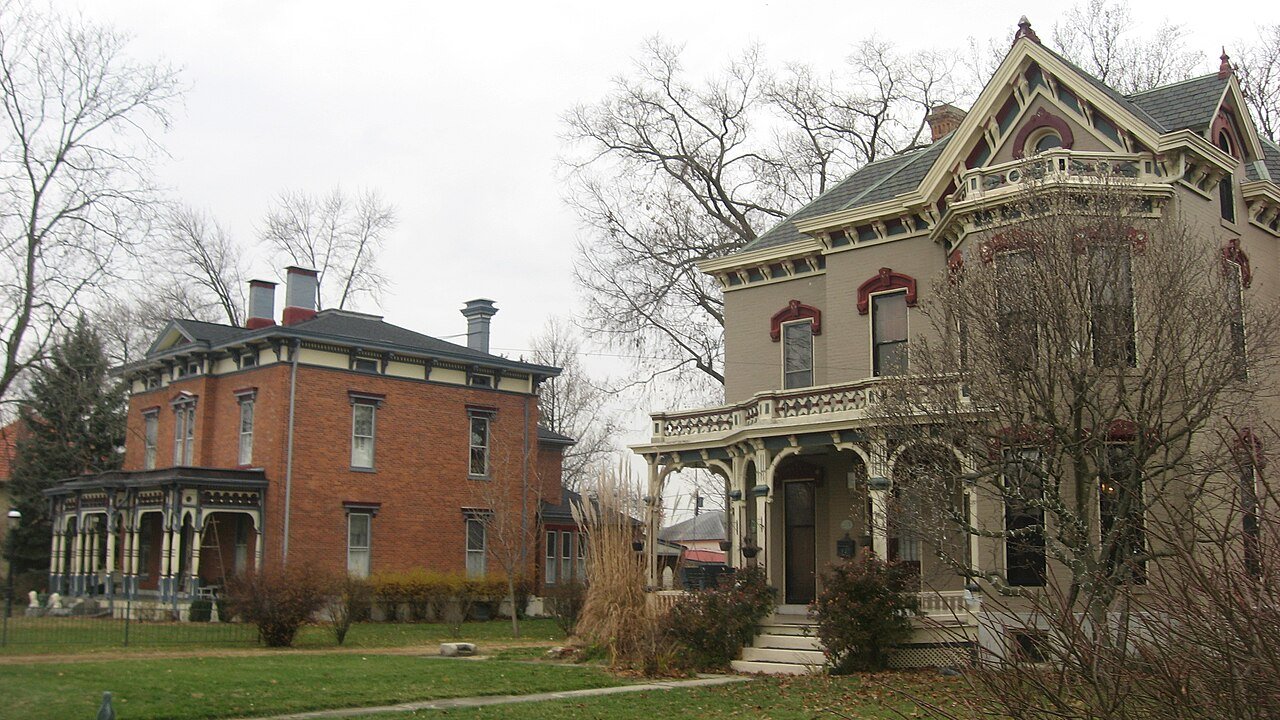
A river town’s three housing stories
The historic west side — the Mackinaw district and the old downtown blocks — runs the full river-Victorian file: stone and early-block foundations laid when the paper mills paid the wages, balloon frames carrying cellar problems to attic voids, deep porches on their annual wasp calendar, and the flood-memory basements every Great Miami town inherited from 1913, the deluge that redrew this whole valley (Franklin sat square in it) and whose moisture legacy still sets cellar vigilance a century later. The postwar blocks between downtown and the interstate are the sealable stock — finite entry lists, permanent twelve-doors results, the county’s most efficient exclusion work. The corridor east runs Warren’s signature growth file: new phases on former bottomland and field ground, builder-gap penetrations awaiting steel, sod-and-irrigation mole economies, and the field-displacement rodent pressure that finds every subdivision’s first October. Three stories, three playbooks, one town — and our inspections start by asking which Franklin your address lives in.
The river’s standing file
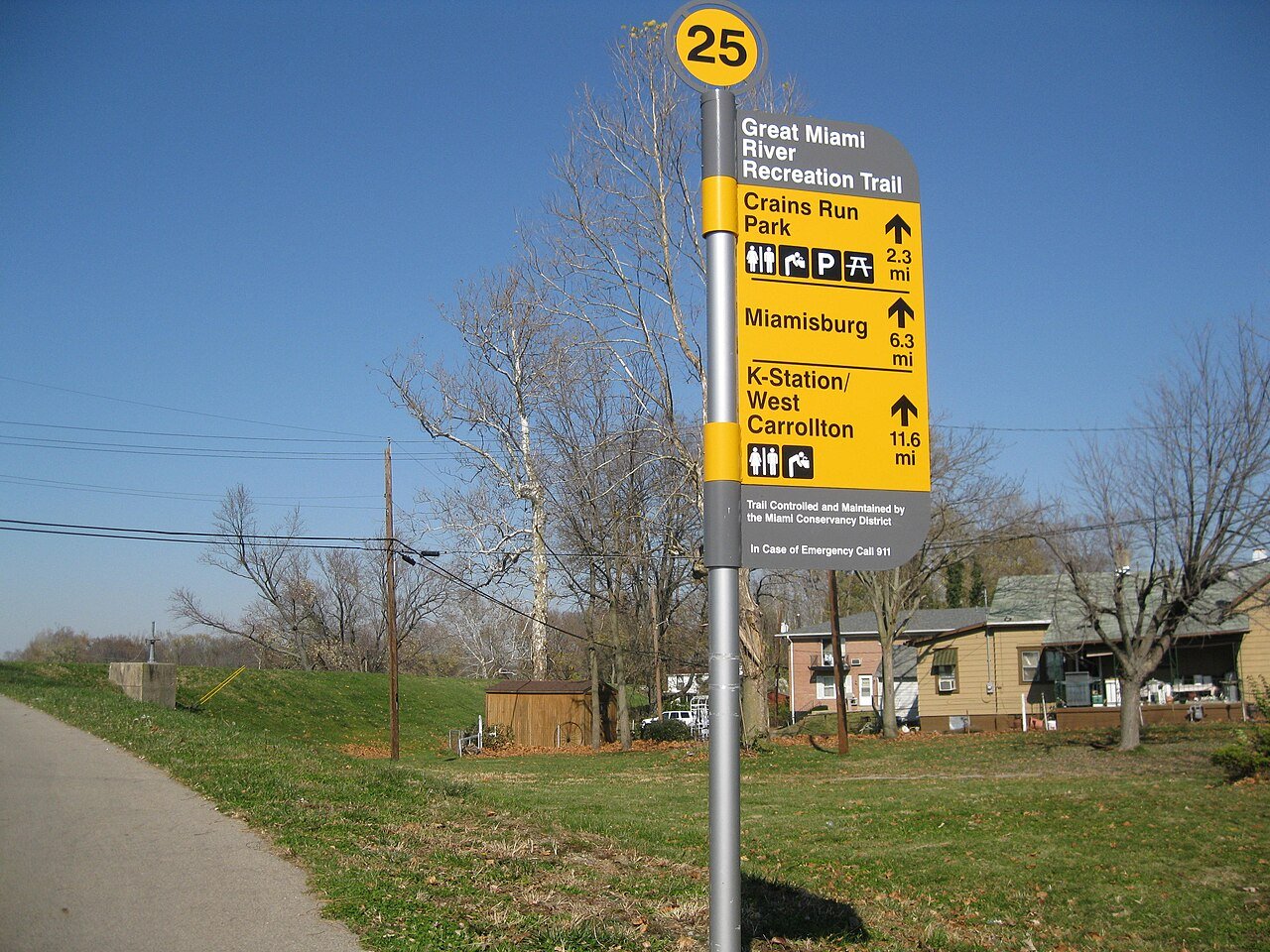
The Great Miami gives Franklin the full corridor economy this site maps from Dayton’s Stillwater to Miamisburg’s riverfront: mosquito seasons that run long on the low ground and the trail corridor, rodent populations riding the greenway and surging upslope in wet years, the damp-cellar guild (sowbugs, camel crickets, and their spiders) wherever humidity holds, and the wet-spring relocations that put ants indoors after every high-water week. River blocks run the corridor playbook: perimeters defended on schedule, downspouts thrown far, dehumidifiers holding cellars under 50%, and the post-flood-event inspection habit that catches displaced wildlife while it is still one animal. The trail is the town’s best amenity and its pest highway; both facts are permanent, and only one of them needs managing.
The Franklin lineup, ranked by expected call volume
- Mice — the corridor push at the growth edges, the cellar file in the historic west, year-round in between (rodent control)
- Ants — the supercolony species in every kitchen, surging after river-valley wet springs; carpenter ants working the mature west-side shade (their file)
- Wasps & yellowjackets — Victorian porches and new-build deck structures on the same August calendar (the removal guide)
- Mosquitoes — the corridor season, answered by resting-site treatment on the low blocks (mosquito service)
- Termites — flood-history moisture plus century sills makes the west side real inspection country; the corridor’s former-bottomland phases deserve their baselines too (termite control)
- Fall invaders — lady beetles and cluster flies on every sunny wall where town meets remaining field
- Moles — the irrigated corridor sod (trapping program)
- Roaches & bed bugs — the rental-stock introductions any river town’s housing churn carries; early photos, fast protocols
A Franklin seasonal calendar
- March–May: valley wet-season ant surges; termite swarm photos same-day in the historic stock; mole ridges across the corridor sod; the river trail wakes its economy
- June–August: porch and deck wasps scale; corridor mosquito peak; spiders web every light on the river’s insect supply
- September–October: the double — field-displacement push on the east, invader flights everywhere sunny; the September visit anchors both Franklins at once
- November–February: interior mouse season; historic-district exclusion projects; flood-memory cellar checks in the quiet months
Downtown, the mills’ legacy, and the storefront file
Franklin’s downtown carries the river-town commercial inheritance: nineteenth-century storefronts on shared stone cellars, the connected-wall dynamics our treat-the-building doctrine was written for, and the food-service rows whose documentation-grade programs keep inspectors bored. The mill-era industrial stock — repurposed, part-vacant, or awaiting its next act along the river — adds the vacancy file: undisturbed voids accumulating wasp and rodent history, and the pre-renovation inspections that map what decades left behind while walls still open for fixing it. Storefront blocks coordinate onto shared programs at village-scale prices; revival projects get exclusion built into the rehab at the framing stage, permanent by design. River towns reinvent themselves on their bones; we keep the bones boring while they do.
Flood memory as a maintenance doctrine
Because it shapes more of Franklin’s pest file than any other single fact, the 1913 inheritance deserves its own section. The Great Flood put this stretch of valley under water, the Miami Conservancy District’s levees and channel work answered it (the engineering that still guards every river town from Piqua to Hamilton), and the housing that survived carries the century-long epilogue: foundations that spent weeks saturated, fill soils that settle and wick to this day, and cellar moisture baselines that run higher along the old flood plain than the street grid ever admits. The practical doctrine for west-side and low-block owners mirrors our creek-village prescriptions: treat the cellar’s humidity as infrastructure (sump serviced, dehumidifier metered, storage on shelving), give the sill line an annual flashlight pass because chronically damp sills are the valley’s quietest termite invitation, and read any sudden basement-guild population bloom as the moisture report it is. The levees hold the river; the doctrine holds the cellars; and between them Franklin’s old stock keeps standing the way it has for two centuries — deliberately.
Franklin questions we hear
We’re in a brand-new phase east of 75 — surely the pest stuff is years away?
The county hub’s growth-homework section answers this one county-wide, and Franklin’s phases follow it to the letter: the displaced field population finds the new streets their first fall, the builder’s unsealed penetrations are open now, and the year-one baseline inspection is the cheapest visit your address will ever book. “Years away” is what the neighbors two phases back thought; their year-three call log is why we keep writing this answer.
Does the trail bring pests to the houses along it?
It brings habitat connectivity — the corridor’s green ribbon moves the river’s economy past every backyard it touches — and the honest scale is modest: trail-adjacent blocks see somewhat longer mosquito seasons, healthier spider economies, and their share of the fall push, all answered by the standard corridor playbook rather than any anti-trail sentiment. The trail is one of the best things to happen to Franklin’s riverfront in a generation; a defended perimeter lets you love it without hosting it.
Historic-district work — will treatment respect the old fabric?
It is the entire specialty: reversible-first exclusion (copper mesh and lime-compatible mortar over aggressive drilling), void treatments through existing access rather than new holes in original plaster, and the preservation-grade standard our historic-district pages document at length. Mackinaw’s houses have survived floods, mills, and a century of weather; pest control will not be the thing that finally scars them — not on our visits.
Warren coverage: county hub · Springboro · Carlisle · Lebanon · full service area.
The Carlisle seam and the two-town valley
Franklin shares its valley shelf with Carlisle across the Montgomery line, and the pair function as one service geography the way seam towns always do: shared river frontage and its corridor economy, shared commuter stock trading residents back and forth, and shared route days that make the two-town area the densest Warren coverage outside Springboro. Households on either side read both pages profitably — Carlisle’s file leans harder village-and-seam, Franklin’s carries the historic district and the corridor east — and the county line between them remains what every line on this site is: an accounting concept the mice have never once checked. Two towns, one valley, one calendar, one number.
For Franklin’s landlords: the river-town rental file
Franklin’s rental stock spans the whole housing spread — subdivided Victorians in the historic blocks, postwar singles held by long-time owners, and corridor product bought by phase-cycle investors — and the portfolio doctrine applies with the river-town accents: turnover inspections that check cellars as seriously as kitchens, moisture files maintained per-building because the flood-plain baseline varies block by block, shared-wall coordination in the subdivided stock, and documentation habits that survive both deposit disputes and insurance conversations. The west side’s converted houses reward the same building-wide logic as any old district; the corridor’s newer product rewards phase-cycle intelligence; and every unit in between rewards the early-report culture that keeps landlord problems apartment-sized instead of building-sized. River towns run on their housing churn; programs keep the churn from running on you.
What a Franklin first visit looks like
Budget the honest hour, scoped to your Franklin: historic-west visits work the cellar first (the flood-plain truth-teller), then the full foundation lap behind a century of plantings, the porch structures, and the roofline with optics; postwar-block visits run the efficient twelve-doors circuit — garage corners, penetrations, basement windows — that these houses reward with permanent results; corridor visits walk the builder-gap checklist plus the yard’s young-landscape file (mulch depth, irrigation heads, the grading still settling). Every version ends the same way: photographs of findings, plain-English explanation of how the house is being entered and why, and a written quote before anything is scheduled — with the free-homework items (the downspout, the door sweep, the cellar dehumidifier setting) listed as yours rather than padded into ours. The plans page covers the two ways to buy the follow-through; the inspection itself commits you to nothing but knowing your house better.
The bottom line for the river town
Franklin runs three towns deep — Victorian river blocks, sealable postwar middles, and corridor phases still smelling of sawdust — under one flood-taught valley doctrine, and it gets the full standard on near-daily northern routes: preservation-grade craft for Mackinaw, permanent exclusion for the middles, year-one baselines for the east, corridor defense along the water, and every promise this site makes (free quotes, free photo ID, no mileage lines, the two-tier guarantee structure) honored to the letter. The river built the town, the levees keep it, and the calendar protects it: (937) 569-3330, Monday–Friday 8–6, Saturdays by appointment. Greater Dayton Pest & Rodent — Ohio licensed — ODA Pesticide Business License #115079, and glad the valley’s next chapter includes us.
Mill-town wildlife: the chimney, the bridge, and the bank swallow’s neighbors
River towns collect structure-loving wildlife the way farm towns collect field mice, and Franklin’s file carries the classics: chimney swifts and starlings claiming the old downtown’s uncapped flues (charming until the bird-mite epilogue plays after fledging), bats working the river’s insect column by night and the occasional attic by day (licensed-wildlife referral for the removal, our exclusion after, and the bat-bug follow-up when history warrants), raccoons auditing every riverside dumpster line, and the bridge-and-levee pigeon economy that keeps downtown ledges busy. The doctrine is the site’s standing one: identification free from photos, removal routed to the right license when it is wildlife, exclusion and cleanup squarely ours, and the whole sequence run from one phone call so no Franklin household plays dispatcher mid-crisis. The river feeds more than fish; the caps, screens, and sealed soffits keep the overflow outdoors where the town can enjoy it.
Do you handle the flood-plain crawl spaces under the older additions?
As a specialty, yes — valley crawl spaces are the county’s dampest and the crawl-space chapter’s full prescription applies: vapor barriers over the bare earth that flood-plain soils keep humid, insulation refitted off the ground, scrap lumber cleared, vents balanced, and the inspection habit that reads them annually because they are where valley buildings tell the truth first. A Franklin addition over a wet crawl is farming the whole moisture guild plus termite conditions; a weekend of barrier work retires the farm. We check every one we can reach on every inspection — ask to see the photos.
DIY or call: the Franklin fork, honestly drawn
The site-wide honesty applies with Franklin’s accents. Genuinely DIY: the postwar blocks’ twelve-doors afternoon (these houses seal beautifully with sixty dollars of steel and a Saturday), the reachable paper-wasp umbrella at dusk, the corridor’s first-year caulk-and-sweep homework, and the cellar dehumidifier that solves half the west side’s guild complaints before any product opens. Professional territory: anything in the flood-plain moisture file (saturated-sill termite questions do not reward guessing), historic-fabric exclusion (reversible craft is learned, not improvised), void and ground yellowjackets per the never-plug doctrine, the corridor’s established year-three populations, and every situation where three DIY rounds have already failed — the fourth is the expensive one. The free photo line arbitrates the fork daily: send the picture, get the honest side, spend accordingly. Franklin’s households have run their own maintenance since the mill whistles set the town’s clock; our job is arming that self-reliance, then catching what it honestly cannot reach.
One Franklin tip worth the page: read your flood-plain line, then book your season
The single highest-value move a Franklin household can make from this page: learn where your block sits relative to the old flood plain (the conservancy maps are public, and our inspections read the answer off your cellar walls regardless), then let that answer set your calendar. Flood-plain and low blocks book the spring moisture-and-termite review — the season the water table tells the truth — plus cellar-humidity discipline as year-round religion. Upland and corridor blocks book September — the barrier-and-exclusion visit ahead of the push and the flights. Every Franklin address is one or the other, most know which within a sentence of being asked, and the Protection Plan automates whichever calendar your ground assigns. The river drew the town’s map in 1796 and redrew it in 1913; reading your line is just joining a two-century local tradition — and it is the cheapest tradition in town: (937) 569-3330, the reading free with every visit.
What did the mills leave behind, pest-wise?
Less than legend suggests, more than nothing: the industrial era’s legacy runs through Franklin’s pest file mainly as infrastructure — the rail spurs and utility corridors that still function as rodent highways through town, the heavy-timber mill structures whose renovation projects deserve pre-work inspections, and the workforce housing built fast in boom decades whose shortcuts our exclusion work still finds and fixes. The mills’ truest bequest is the town’s bones themselves: a walkable core, housing worth keeping, and a civic habit of maintaining what previous generations built — the exact habit good pest control belongs to. Paper made the town; paperwork — ours, photographed and filed per visit — helps keep it.
From the Mackinaw district’s painted ladies to the newest slab east of the interstate, Franklin’s houses share one river, one valley doctrine, and now one published playbook — and the company that wrote it is already on the northern routes several mornings a week. The river town’s page is live; its phone line always was.
Who actually turns up in Franklin: Greater Dayton Pest & Rodent is owned and operated by Bryan Camden, licensed by the Ohio Department of Agriculture — firm #115079, commercial applicator #170858, categories 10A, 10B and 12. When you call, you talk to the person who does the work. No call center, no rotating crews, and the same technician on every visit.
Frequently asked questions
Do you provide pest control in Franklin?
Yes — the river town’s historic core and its newer plats both sit on the Warren County rotation, with the Great Miami corridor shaping half the local pest calendar.
What pests are most common in Franklin?
River-town files: floodwater mosquitoes after every big storm, moisture-guild basements in the older blocks, foundation mice through century mortar, mower-discovered ground wasps on the big newer lots, and July’s cicada killers in the river-terrace sand.
How much is pest control in Franklin?
County-standard formula: most Franklin homes run $39–$55/month quarterly; one-time flat. Free instant quote or (937) 569-3330.
Why does Franklin get such mosquito pressure?
The Great Miami corridor — storm-flooded margins hatch the commuter waves no yard audit prevents, which is why Franklin’s program leans hardest on barrier timing and the fan-and-repellent toolkit alongside the container patrol.
Do you know the historic downtown stock?
The canal-and-river-era blocks get preservation protocols: masonry-safe exclusion, reversible work, and the old-cavity experience — same discipline as our Lebanon and Waynesville historic routes.
How fast can you reach Franklin?
Days typically on the near-daily Warren rotation, priority faster, no travel charges.
Do you serve Franklin businesses?
Yes — the downtown storefronts, the corridor retail, and the industrial spaces along the interstate each on matched programs with documentation.
What about termites near the river?
Valley moisture plus older stock keeps conducive conditions real — free annual inspections, bait monitoring for the historic blocks, and the buried-grade-line check that river-town landscaping histories demand.
What are the giant wasps in riverside lawns each July?
Cicada killers in the terrace sand — the standing acquittal applies: solitary, harmless, gone by September; the overseeding advice replaces the treatment invoice.
How do I start service in Franklin?
Instant quote, free photo ID, or (937) 569-3330 — free estimates, honest triage, first visits typically within the week.
Franklin Pest Control, Service by Service
Franklin’s pest files, written from the river town’s frame housing stock — specific, not templated:
- Wasp & hornet removal in Franklin — the hundred-gap house, colony first and seal second
- Rodent control in Franklin — the skirt file, serviced at the October seam
- Termite control in Franklin — the crawl inheritance, kept the paying way
- Cockroach control in Franklin — the split-house file, treated whole-building
- Ant control in Franklin — the porch-post file, read from below
- Termite inspection in Franklin — what an inspection actually covers, what it costs, and why a sale here rarely forces one.