
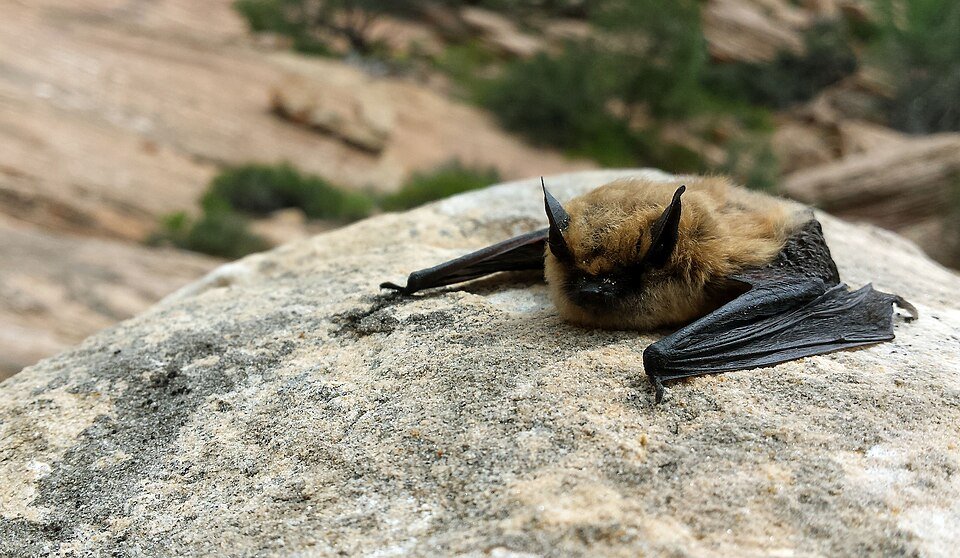
There is a moment in certain Miami Valley bed bug calls when the whole case turns upside down: the insects are real, the identification looks textbook, the family has braced for the full treatment — and then someone mentions the bats that used to live in the attic, and everything changes. Because Ohio is home to the bat bug, a parasite so nearly identical to the bed bug that separating them takes magnification, and so different in its story that confusing them sends families through expensive treatments aimed at the wrong problem in the wrong part of the house. Bat bugs are the bed bug’s closest local relative, they feed on bats roosting in attics and wall voids, and they wander down into bedrooms precisely when their bats leave. This guide — the companion piece to our full bed bug treatment page — covers the identification (including its honest limits), the tell-tale case history that usually settles it before the microscope does, and the completely different playbook a bat bug verdict triggers. As always across this site: free identification, and this is the one insect pair where we’ll tell you plainly that the specimen may need a lens rather than a glance — (937) 569-3330.
Two parasites, one family portrait
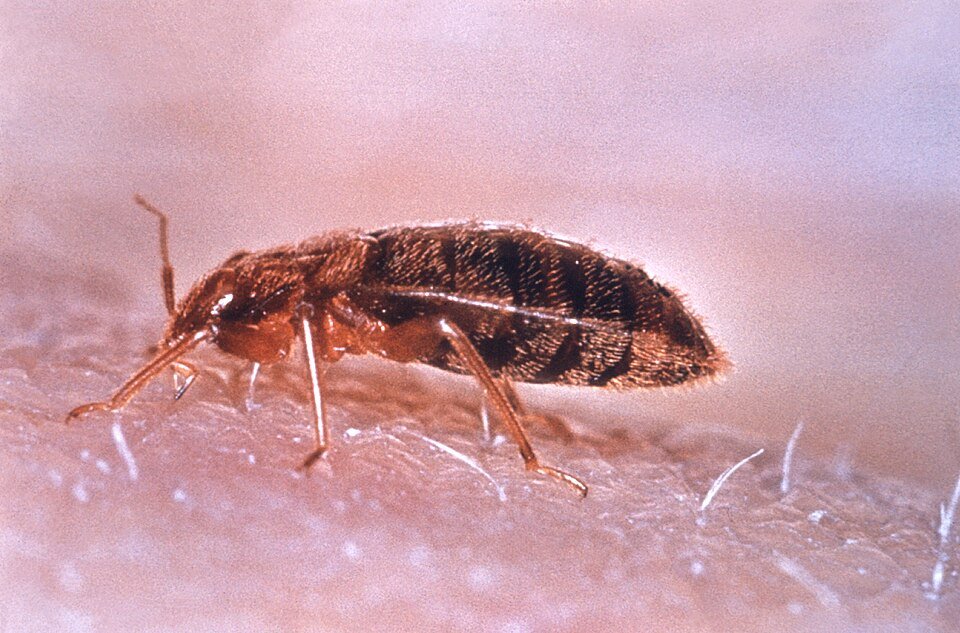
Bed bugs (Cimex lectularius) and bat bugs (Cimex adjunctus, the eastern bat bug common across Ohio) are siblings in the same genus, and their shared résumé explains the confusion: both are apple-seed-sized, oval, flat, rust-brown wingless insects; both feed exclusively on blood, swelling darker after meals; both hide in tight crevices near their hosts, emerging to feed; both leave similar cast skins, fecal spotting, and — in sensitive people — similar itchy welts. Evolution wrote the difference in a single line: host preference. Bed bugs specialized on humans and structure their whole existence around beds and couches. Bat bugs specialized on bats — in Ohio, overwhelmingly the big brown bats that roost in attics, barn lofts, chimneys, and wall voids — and human feeding is a stopgap they resort to only when their bats vanish. Under magnification, the classic diagnostic is the pronotal fringe: the hairs edging the shield behind the head are as long as or longer than the width of the eye in bat bugs, shorter in bed bugs. It is a genuine, reliable character — and it is a comparison of hair lengths on a five-millimeter insect, which is why we photograph specimens through a loupe rather than asking anyone’s naked eye to rule, and why the case history below often reaches the verdict first.
If it is bat bugs the roost has to go first; if it is bed bugs, that is bed bug treatment in Dayton. Getting the identification right decides the whole job.
The case history that solves it: where, when, and what else lives in the house
Before magnification settles anything, the evidence pattern usually has. Location of the insects: bed bugs concentrate within feet of sleepers — mattress seams, box-spring corners, headboard joints, nightstands; finding them there and only there reads bed bug. Bat bugs appear on ceilings, upper walls, around light fixtures, at the tops of window frames, and trickling from attic hatches or chimney surrounds — they are wandering down from a roost above, and their distribution says so. The building’s bat story: this is the question we ask the moment distribution looks odd — do you have bats, did you ever, did anyone recently seal the gable vent or evict a colony? The classic bat bug case follows bat exclusion or autumn migration by two to six weeks: the roost empties, the parasites starve, and the survivors go prospecting downward for the only other warm-blooded hosts in the building. The evidence trail: bed bug fecal spotting maps onto the bed’s orbit; bat bug sign concentrates at the attic edge — plus the guano, staining, and shed roost debris of the bats themselves. The bite pattern: unreliable for both (a third of people don’t react to either), but persistent bites with a spotless bed inspection is precisely the mismatch that should raise the bat question. When the history and the distribution agree, they outvote a blurry photo every time — and when they conflict, that’s what the loupe is for.
Why the distinction is worth real money
Run the two wrong-verdict scenarios and the stakes become concrete. Bat bugs treated as bed bugs: the family pays for the full bedroom protocol — treatment, encasements, follow-ups — and it works exactly where it’s applied, while the actual reservoir (the roost zone overhead) keeps trickling replacements through the ceiling for months. Two or three failed “re-treatments” later, everyone has lost faith and four figures, and the attic has still never been addressed. We inherit these cases from elsewhere routinely, and the tell is always the same: immaculate treated bedrooms, insects still arriving from above. Bed bugs waved off as bat bugs: rarer but costlier — a genuine bed bug introduction dismissed because the house once had bats gets the one thing bed bugs need most, time, and the one-bedroom problem becomes a whole-floor problem while everyone watches the attic. The financial asymmetry explains our protocol: any Cimex identification in a building with any bat history gets both boxes checked — specimen examined under magnification AND attic inspected — because the twenty extra minutes costs nothing against either wrong-verdict bill. It’s the same inspection-before-invoice logic that runs every page here, applied to the one pest pair specifically engineered to defeat a glance.
The bat bug playbook: solve the roost, then the stragglers
- Step one — confirm the roost story: attic and void inspection for guano, staining, roost debris, and live bats; the parasite problem is unsolvable while its host situation is unknown
- Step two — handle the bats lawfully: bats are protected in Ohio and genuinely valuable (a big brown eats thousands of insects nightly); eviction means licensed exclusion — one-way devices, sealed re-entries — and it means honoring the summer maternity season (roughly June through mid-August) when exclusion is prohibited because flightless pups die behind it; we coordinate with licensed bat-exclusion specialists and schedule around the law
- Step three — treat the roost zone: once bats are out, the vacated roost gets targeted treatment — residual and dust into the roost surfaces, void edges, and the travel routes downward — intercepting the starved stragglers at their source instead of chasing them room by room
- Step four — interior mop-up: focused crevice treatment along the ceiling-line routes and any rooms with confirmed wanderers; monitors verify the trickle stops — and it does, quickly, because unlike bed bugs the population has no breeding future without its bats
- Step five — keep them out: the exclusion that sealed the bats is the permanent fix for the bugs; guano cleanup (a respirator-and-method job at scale, given histoplasmosis risk) and insulation remediation close the file
Bat bug questions, answered
Can bat bugs infest my bed like bed bugs would?
They’ll visit it — hungry bat bugs absolutely bite sleeping humans, and a heavy post-eviction wave can feel exactly like a bed bug outbreak — but they can’t sustain it: bat bugs reproduce poorly to not-at-all on human blood alone, so without the roost they dwindle instead of compounding. That’s the merciful difference. It’s also why “wait them out” sort of works and completely fails as advice — the dwindling takes weeks to months of being bitten that the roost-zone treatment shortens to days.
We sealed our gable vents last month and now this. Coincidence?
Almost certainly not — post-exclusion dispersal is the number-one bat bug case history in Ohio, and the interval fits perfectly. The exclusion wasn’t wrong; skipping the roost treatment afterward was the gap. The playbook above closes it, usually in a single coordinated visit.
Do bat bugs carry disease?
Like bed bugs, no transmission to humans has been demonstrated — the medical file is itching, secondary infection from scratching, and lost sleep. The genuinely notable health item in these cases is the guano, not the bugs: bulk droppings can harbor the histoplasmosis fungus, which is why big cleanups get respirators and wet methods, never a dry shop-vac.
Where Ohio’s bat bug cases actually come from
The case map follows the bat map. Ohio’s big brown bats — the species overwhelmingly behind attic colonies — favor exactly the structures our route is full of: the pre-war attics and chimneys of Dayton, Oakwood, and downtown Miamisburg; the barn lofts and outbuildings of rural Greene and Warren County; church steeples and school soffits everywhere; and any suburban gable vent whose screen rusted through a decade ago — which is how Kettering ranches and Huber Heights brick (whose attic-centric pest life we’ve already documented) join the list. The seasonal rhythm is equally predictable: cases cluster in late summer and fall, when maternity colonies disperse and post-season exclusions finally proceed, and again after any roof, soffit, or siding project that unknowingly sealed a roost. If your address and season fit that profile and apple-seed insects are appearing high on the walls, you’ve essentially pre-diagnosed yourself — and the free inspection exists to make it official.
The one-screen summary
- Identical at a glance: bat bug vs. bed bug is a magnification call (pronotal fringe hairs) — no honest naked-eye verdict exists
- The history decides first: insects high on walls/ceilings + any bat story (current, past, or recently excluded) = bat bug until proven otherwise; insects confined to the bed’s orbit = bed bug page
- Wrong verdicts are expensive in both directions: bedroom-only treatment can’t fix an attic reservoir; attic-blaming can’t stop a real bed bug clock
- Bat bug fix = host fix: lawful bat exclusion (never in maternity season) + roost-zone treatment + brief interior mop-up + guano-safe cleanup; population collapses without its bats
- Bed bug fix = the full protocol on its own page, where speed is everything
- Either way: bag the specimen, note where it appeared, answer the bat question honestly, and send the photo — (937) 569-3330, free, with a loupe on standby
Two nearly identical insects, two completely different stories, one twenty-minute inspection that tells them apart — and a company licensed, equipped, and honest enough to check the attic before invoicing the bedroom. That’s the whole page, and on the right confusing week, it’s worth every word.
A short, sincere word about the bats themselves
This page ends where the problem began — with the bats — because the temptation after a bat bug ordeal is to declare war on them, and that would be both illegal and ungrateful. Ohio’s bats are protected under state law for excellent reasons: a single big brown bat clears thousands of flying insects per night (including the mosquitoes and crop pests this region grows in abundance), colonies are faithful to roosts for generations, and white-nose syndrome has devastated several Ohio species badly enough that every colony matters. The lawful, effective, and genuinely neighborly resolution is the one the playbook already prescribed: exclude at the right season, seal the re-entries, treat the vacated roost, and — for the property owner who wants the pest control benefits without the attic tenancy — mount a proper bat house on a pole at the sunny edge of the yard before the exclusion happens. Colonies offered a purpose-built alternative relocate more readily, keep working your airspace nightly, and never share parasites with your ceiling again. It is the rare pest story where everyone, including the original culprits, ends up better housed than they started — and steering these cases to that ending, rather than to a poisoned attic and a dead colony, is exactly the kind of work this company is glad to be known for.
Who to call, in what order, one more time
Suspected bat bugs: us first — (937) 569-3330 — for the specimen ID and the attic inspection that confirms the story. Active bat colony needing eviction: a licensed nuisance-wildlife bat specialist for the exclusion itself (we’ll connect you; we coordinate these weekly) with our roost-zone treatment scheduled behind it. A grounded or indoor live bat, or any bare-skin contact with one: your local health district before anything else, because rabies protocol outranks pest control every single time. Three numbers, one sequence, no improvisation — the same discipline as every playbook on this site, applied to the one pest whose solution flies home at dusk.
Case file: how a typical Miami Valley bat bug mystery actually unfolds
A composite from our route, because the pattern teaches better than any checklist. A family in an older two-story — say the canopy streets of Kettering or a Englewood colonial — starts finding apple-seed insects on the upstairs hallway ceiling in September. A search convinces them it’s bed bugs; a mattress inspection finds nothing, which the internet attributes to “early infestation.” Two weeks and one bedroom treatment later, insects are still appearing — always high, never in the bed — and someone finally mentions that the roofers sealed up the gable end in August, and hadn’t there been bats years ago? The attic inspection takes ten minutes: staining down the gable framing, a guano line under the old roost board, and three live specimens on the hatch frame whose fringe hairs settle it under the loupe. The resolution takes one coordinated week: roost-zone dusting, ceiling-line crevice work in the hallway, monitors that read zero within a month, and a guano cleanup scheduled with masks and method. Total cost: a fraction of the bed bug program they’d braced for — most of the difference being the twenty-minute attic question nobody had asked. Every element of that story is ordinary; the only unusual part is how often it has to happen twice before the right question gets asked once. Consider this page that question, asked early: where are the insects appearing — and what’s the building’s bat story? Answer those two honestly, and you’re most of the way to the cheap version of this diagnosis before anyone’s truck arrives.
The rarer cousins: bird bugs and the full swallow-bug footnote
Completeness demands one last branch of the family tree, because the bat bug’s logic extends to birds. Ohio also hosts swallow bugs and related bird-associated Cimex relatives that parasitize the barn swallows, chimney swifts, and occasionally starlings and sparrows nesting on structures — and their story runs the identical script: nests in the eaves, soffits, or chimney; the birds fledge and migrate in late summer; and weeks later, apple-seed insects appear high in the rooms below, wearing the same borrowed bed bug costume. The tell is the same distribution-plus-history question with a feathered answer: recent nest removal, a chimney swift colony gone quiet, mud swallow nests knocked off the porch beam. The playbook translates directly — lawful nest management (native birds carry their own protections in season), roost-zone treatment, interior mop-up, and the exclusion that keeps next spring’s tenants outside — and the free identification line handles feathered-host specimens with the same loupe. One genus, several hosts, one method: find whose parasites they are, solve the host story, and the mystery insects stop arriving from above. It’s a fitting last word for this whole guide, and honestly for the site it lives on — because in pest control, the visible insect is almost never the real question, and the companies worth hiring are the ones who keep asking until they find what is: (937) 569-3330.
Frequently asked questions
What is the difference between bat bugs and bed bugs?
Under magnification: fringe-hair length on the pronotum (bat bugs’ are longer than their eye width) — and that is genuinely the only reliable visual difference. The meaningful split is upstairs: bat bugs mean a bat colony in your attic, chimney, or walls; bed bugs mean an infestation in your sleeping areas.
Why does the bat bug vs bed bug ID matter so much?
Because the treatments are opposites: bed bug protocols (mattress-focused treatment) do nothing lasting for bat bugs, whose population resupplies from the roost — bat bug work is BAT work: exclusion, roost cleanup, then residual treatment of the migration paths. Misdiagnosis buys the wrong treatment twice.
Do bat bugs bite humans?
When their hosts leave or the roost is disturbed, yes — wandering bat bugs bite people as substitute hosts, indistinguishably from bed bug bites. Human biting typically FOLLOWS a bat event: exclusion, colony departure, or attic work.
How do bat bugs get into bedrooms?
Downward migration from the roost — along wall voids, ceiling fixtures, and chimney chases — especially after bats depart. Findings concentrated at ceiling lines, upper walls, and fixtures (rather than mattress seams) are the geographic tell.
Do bat bugs infest beds like bed bugs?
They visit rather than colonize — without bats they cannot sustain reproduction on human blood alone, so populations dwindle after the roost is gone. The distinction shapes urgency: bat bugs are a declining problem once exclusion happens; bed bugs are a compounding one.
How do I know if I have bats in the house?
Dusk exit-watching (silhouettes leaving a gable or chimney), droppings (guano) accumulating below roost points, scratching at dusk in walls or attic, and ammonia odor in enclosed roosts. Any yes plus “bed bug” findings upstairs makes bat bugs the lead suspect.
Who handles the bats themselves?
Licensed wildlife/bat exclusion operators — bats are protected (exclusion is timed around maternity season, roughly June–August in Ohio), and humane one-way exclusion is the legal standard. We coordinate with them: they close the roost; we treat the migration paths and living space.
Can I treat bat bugs myself?
The living-space cleanup responds to the standard toolkit (vacuum, steam, laundry) — but nothing holds until the roost is excluded, which is not DIY (protected species, timing law, ladder work). The sequence is fixed: bats out, then bugs done.
Do bat bugs carry disease?
No documented transmission — same clean record as bed bugs. The health file in a bat situation belongs to the guano (histoplasmosis precautions during cleanup), which is one more reason roost work goes to equipped professionals.
Who sorts out a bat bug vs bed bug case near Dayton?
Start with the specimen: (937) 569-3330 — magnification settles it, the answer routes the whole response (mattress protocol vs. bat-exclusion coordination), and the wrong-treatment invoice never gets written.