
Franklin’s housing stock hides a structural secret that decides its roach outcomes: a lot of its “houses” are secretly apartments. The big river-era frames — four bedrooms up, parlor and kitchen down — got split in the mid-century decades into up-down duplexes and side-by-side doubles, and those conversions created something the original builders never imagined: two kitchens sharing one balloon-framed void system. Cockroach control in Franklin turns on that architecture. A German roach population in a converted double doesn’t belong to Unit A or Unit B — it belongs to the building, commuting through wall cavities that run unbroken from sill to attic, and every unit-by-unit treatment ever attempted in one of these houses has taught the same lesson at the tenant’s expense. We call it the split-house file, and its first rule is knowing which kind of house you’re actually standing in.
Why Conversions Beat Treatments
The mid-century splits were plumbing-and-drywall jobs, not structural ones: the second kitchen’s supply and drain lines went into the original wall cavities, the new partition walls tapped the existing void network, and the balloon framing — open stud bays running two full stories — connected everything to everything. To a roach population, a converted double is one warm building with two food courts: suppress the kitchen in Unit A and the population shifts through the shared voids to Unit B, waits out the treatment, and drifts back. Add the classic conversion economics — rental units, deferred maintenance, a landlord who treats whichever unit complains — and populations persist for years in buildings where every individual treatment “worked.” The fix is the same one every shared-void architecture demands: whole-building treatment, both units on the same schedule, void-line bait placements at the plumbing chases that connect the kitchens, and monitors in both units reading one trend line. Half a building is not a treatment area; it’s a refuge design.
The Landlord’s Math
For the owners of Franklin’s doubles, the economics run one direction: a whole-building course costs modestly more than a unit treatment and actually ends the problem; a rotation of unit treatments costs more per year, forever, and ends nothing. The operational protocol matches the rental standard — between-tenant inspections at turnover, the multi-household refrigerator rule, dated monitor records that settle whose-roaches-are-these disputes — plus the split-house addition: both units, one schedule, no exceptions, because the voids don’t read the lease.
The Rest of Franklin’s File
- True detached houses: the standard single-course honesty — free photo verdicts (June’s river-corridor wood roaches acquitted on sight), confirmed cases cleared in one gel-bait course with the import route audited
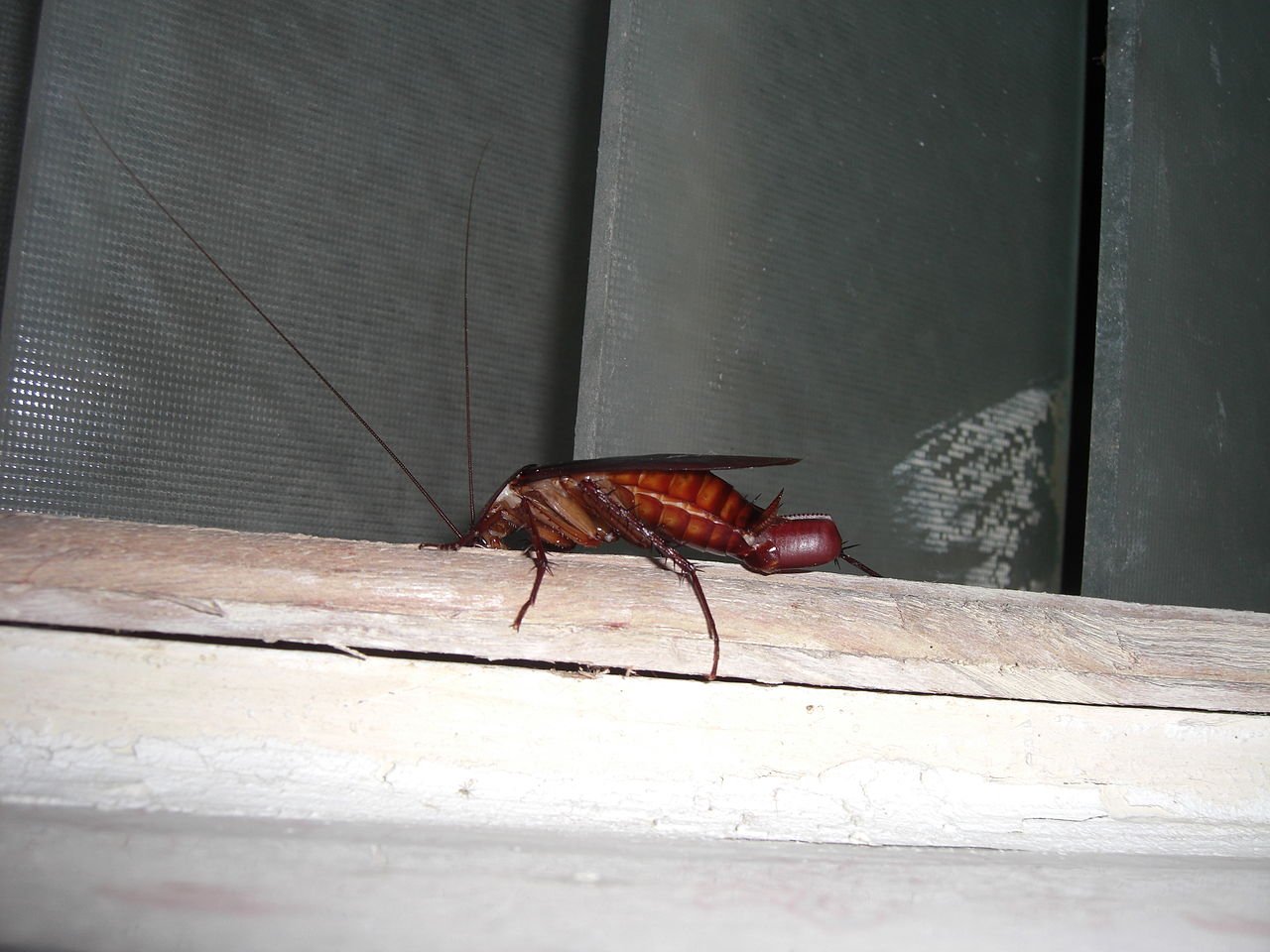
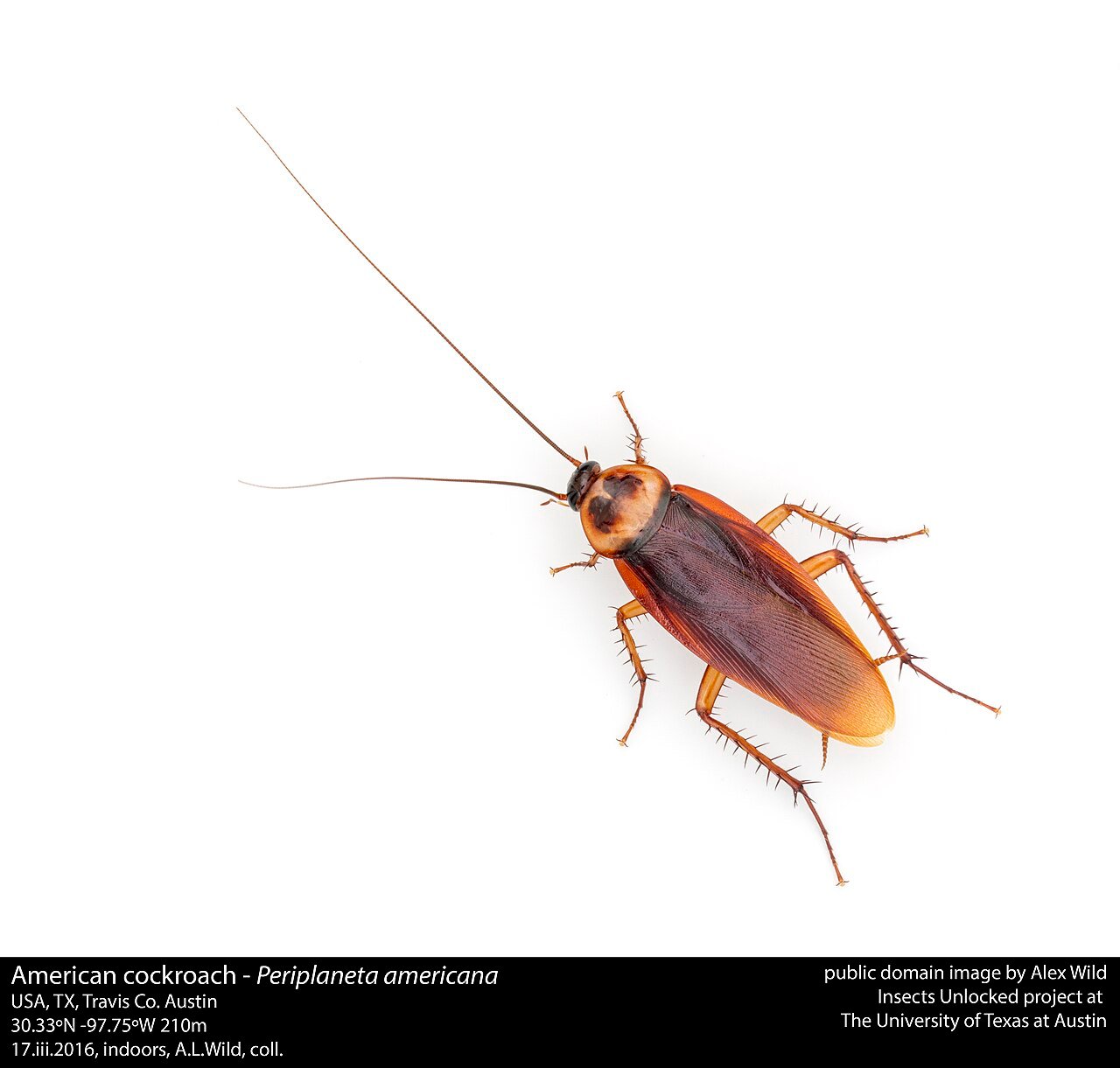
- The basement commuters: the older stock’s American cockroaches — big, reddish, riding the aging sewer laterals into stone-foundation basements: a drain-and-moisture file, not a housekeeping one
- Downtown food service: monitor-and-bait programs with logbooks for the river town’s kitchens, on the standard commercial calendar
- No foggers, doubly: in balloon-framed conversions a total-release can is a void-distribution system — the single fastest way to give both units the problem one unit had
The tenant’s note, stated plainly because someone should: if you rent half a Franklin double and the roaches keep returning after treatments, the problem isn’t your housekeeping and it probably isn’t solvable from inside your lease — it’s the building’s architecture meeting half-building treatment. The ask that works is specific: whole-building service, both units, same week. Show your landlord this page if it helps; the math section was written for them. The town’s full pest picture lives on our Franklin service page.
Treat the Building You’re Actually In
One inspection answers the first question — true detached or split house — and quotes the treatment that matches: single course for the first, whole-building service for the second, and the honest word to whichever party needs to hear it. The voids don’t read the lease; neither do we.
Frequently asked questions
Why do the roaches keep coming back after every treatment in my duplex?
Because half a building is a refuge design, not a treatment area: converted doubles share one balloon-framed void system between two kitchens, and a population suppressed in your unit shifts through the walls, waits, and drifts back. The fix is whole-building service — both units, same schedule.
How do I know if my house is a “split house”?
Signs of the mid-century conversion: two entrances or a shared foyer, two kitchens in a frame built for one, two meters on one house, plumbing that clusters oddly on shared walls. Our inspection answers it definitively — and the answer changes the whole treatment design.
I’m a tenant and my landlord only treats my unit — what do I ask for?
The specific ask: whole-building treatment, both units, the same week, with monitors in both reading one trend line. The building’s architecture makes anything less a rotation, not a solution — and this page’s landlord-math section was written to make that case for you.
Why is whole-building treatment worth the extra cost to a landlord?
Because it ends: a whole-building course costs modestly more once; unit-by-unit rotation costs more every year forever and resolves nothing. Add turnover inspections and dated monitor records, and the whose-roaches dispute disappears along with the roaches.
What are the big reddish roaches in my basement?
American cockroaches — the river town’s basement commuters, riding aging sewer laterals into stone foundations. Different species, different file: drains, moisture, and lateral condition — never a housekeeping verdict, and never a reason to fog anything.
Why are foggers especially disastrous in these houses?
Balloon framing turns a total-release can into a void-distribution system — open stud bays running sill to attic carry the scattered population through the whole building, handing both units the problem one unit had. Bait pulls populations out; foggers broadcast them.
I saw one roach near my porch light in June — same problem?
Almost certainly not: single early-summer sightings near lights are wood roaches off the river corridor — outdoor species, can’t breed indoors, acquitted free by photo. Multiples in a kitchen at any season is the file that gets quoted.
What does cockroach control cost in Franklin?
Detached-house cases run the flat single-course price; whole-building double treatments quote per building with both units included; and the verdicts — species, split-house-or-not, whose problem it actually is — come free with the inspection.
The neighboring Franklin files complete the map: termite control in Franklin and ant control in Franklin.