
Downtown Dayton is having its best run in decades — Water Street apartments filling, the Arcade reborn, the Oregon District’s bars and kitchens busy, RiverScape drawing crowds to the water all summer, and thousands of people now living in buildings that spent a century as offices, warehouses, and factories. Pest control downtown is a genuinely different discipline from the neighborhoods: vertical buildings, shared walls, commercial kitchens below residential floors, aging infrastructure below everything, and two rivers running through the middle of it. We service downtown — lofts, restaurants, offices, and the buildings that hold all three at once — and this page covers how it actually works.
The word exterminator is the one most people in Downtown, Dayton grew up with. It describes what we do; the license on the truck is what makes it different from a can from the hardware store.
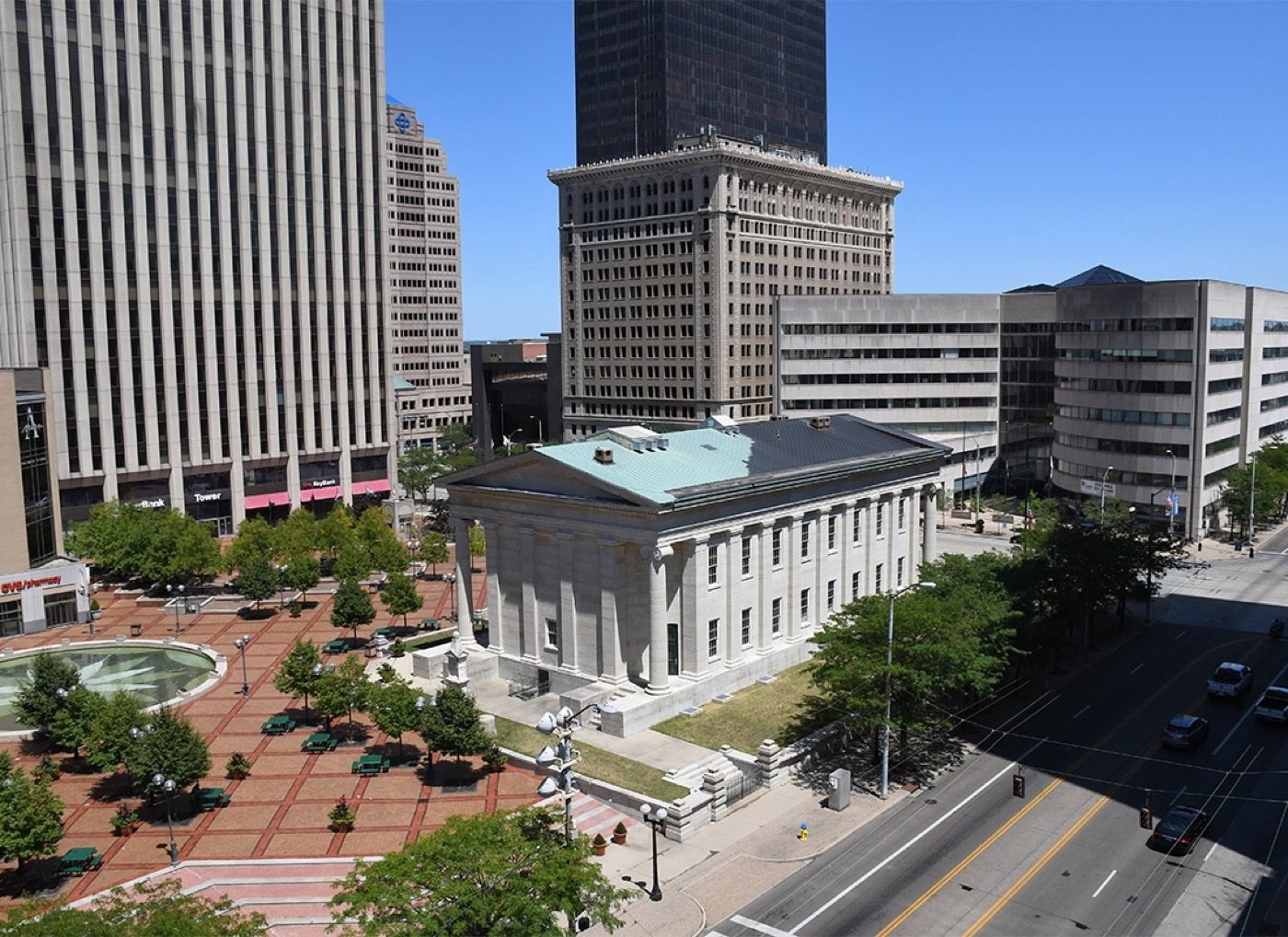
Why converted buildings have signature pest problems
A 1910 office block converted to lofts is a beautiful thing built on a century of accumulated voids. Original elevator shafts, capped chimneys, abandoned steam chases, dumbwaiter runs, and the interstitial spaces above dropped ceilings all survive conversion — hidden highways connecting every unit to every other unit and to the basement. Modern metal-stud infill walls add fresh voids of their own. The result: pests downtown move vertically and laterally in ways a house never allows. A German cockroach population established behind a first-floor kitchen can surface in a fourth-floor loft via a plumbing chase without ever crossing a hallway. Mice travel riser rooms like stairwells built for them.
This is why the fundamental rule of downtown pest control is: treat the building, not the unit. Unit-by-unit complaint response — a spray here when someone calls, a glue board there — is how infestations become permanent residents of the void network. Building-wide inspection, mapped harborage, treated chases, and a scheduled monitoring cadence is how they end. We write programs for property managers and condo associations that work exactly this way, complete with unit-entry coordination and the documentation trail owners and boards need. See our property management services.
The downtown lineup
German cockroaches
The defining pest of dense mixed-use blocks. They arrive in deliveries and secondhand furniture, thrive in the warm mechanical spaces conversions create, and spread through shared chases. In multifamily settings we pair unit treatment with inspection of the adjacent units and the chase lines — and with gel baits and growth regulators rather than repellent sprays that just push populations next door (full method on the roach control page).
Mice — and the infrastructure factor
Downtown sits on a century of interconnected basements, vaults, steam tunnels, and sewers — permanent rodent habitat no one can eliminate, only defend against. Ground-floor businesses feel it first, especially food service; residential floors feel it when construction next door displaces a population. Our commercial rodent work leans on exterior bait station networks, door-sweep and dock-seal exclusion, and monitoring logs that show inspectors exactly what is being managed (rodent control).
Bed bugs
High-turnover rental floors and furnished units make bed bug response a fact of downtown life. The playbook that works: fast confirmation (we identify from photos free), heat-and-chemical treatment of the affected unit, inspection of laterally and vertically adjacent units — bed bugs follow wall voids and electrical runs — and prevention protocols for turnovers. Our bed bug service carries the same guarantee downtown as everywhere else.
Restaurants and bars: the Oregon District standard
Food service downtown runs on margins too thin for a health inspection surprise or a table-side sighting that ends up in a review. Our restaurant program is built for exactly this environment: scheduled service timed outside business hours, German roach suppression with baits and growth regulators that keep kitchens working during treatment, fruit fly and drain fly programs that treat the actual breeding sites in drains and under equipment rather than fogging the symptom, rodent exclusion at the alley doors and dock seams older buildings never sealed, and a documentation binder — service reports, device maps, corrective actions — that answers an inspector’s questions before they are asked.
Shared-wall blocks add a wrinkle the suburbs never see: your kitchen can be spotless and still inherit the neighbor’s roaches through a party wall. Where multiple operators share a building, we quote block programs — several storefronts on one schedule — because that is what actually ends the merry-go-round, and it costs each operator less than fighting alone.
The rivers, RiverScape, and the outdoor season
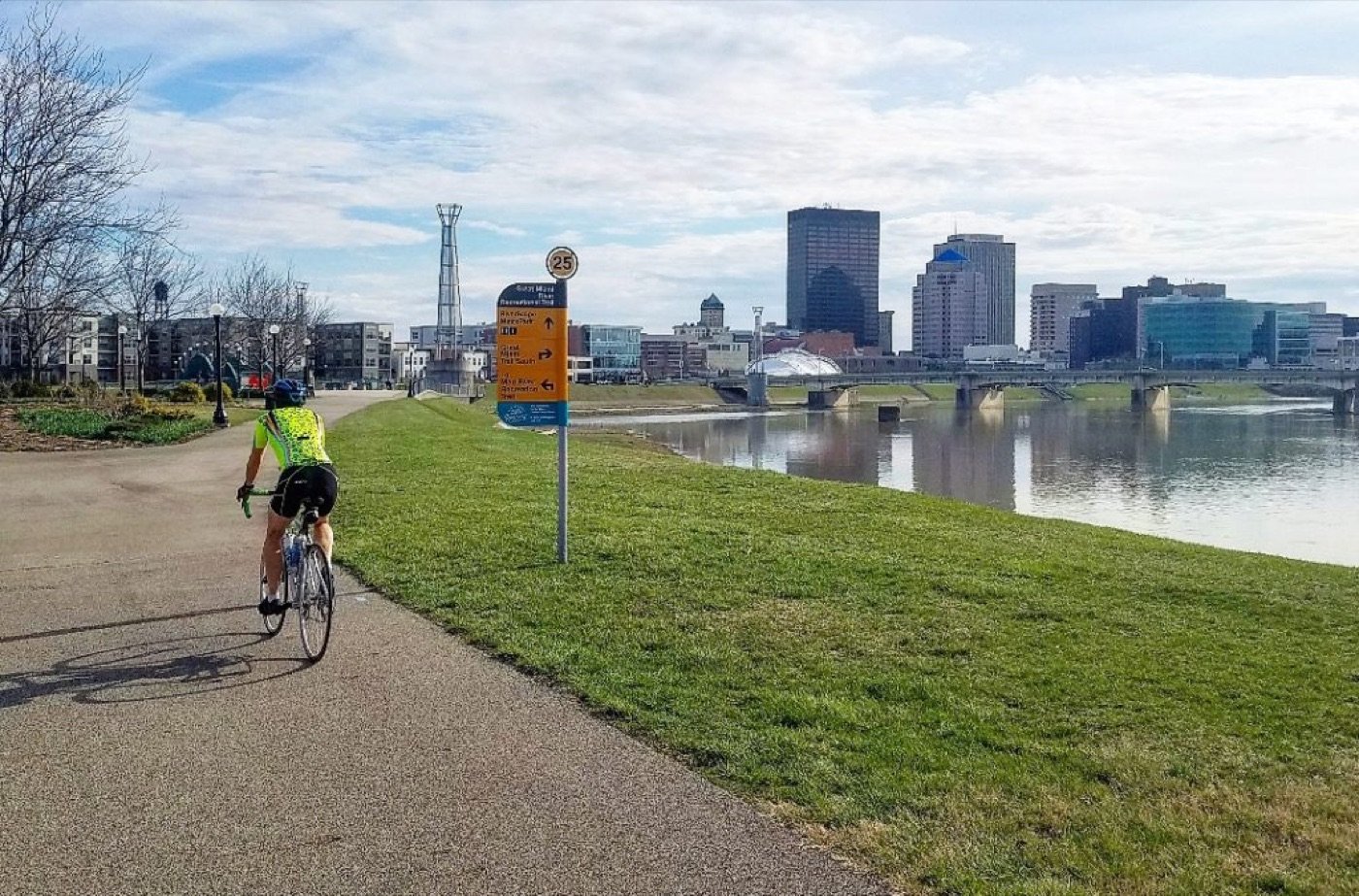
The Great Miami and Mad River meet in the middle of downtown, and the confluence shapes the pest season. River corridors sustain mosquito populations that patios and rooftop decks inherit at dusk; mayfly and midge hatches off the water blanket riverside lighting for a few weeks each summer (harmless, dramatic, and manageable with lighting strategy); and the riparian edge supports the rodent and spider populations every riverside block feels. For bars and venues with outdoor seating, our seasonal mosquito service plus a lighting consult keeps the patio usable; for riverside residential buildings, it is one more reason the perimeter program earns its line item.
Offices, retail, and the quiet-floors problem
Office and retail space has its own downtown signature: break rooms and coffee stations that feed pests nobody reports, package rooms that import them daily, and — since the remote-work era — quiet floors where activity goes unobserved for weeks. Ants find the kitchenette, mice find the ceiling plenum, and by the time someone notices, the population is established. Our commercial routes cover downtown offices on monthly or quarterly cadences with monitoring devices that notice what empty floors do not, and reporting that facilities managers can forward up the chain unedited.
For loft dwellers: what you control, and what your building controls
If you rent or own a unit downtown, the honest breakdown looks like this. You control introductions — inspect secondhand furniture before it comes up the elevator (the classic bed bug and roach vector downtown), keep food sealed in a building where the whole floor shares wall voids, and report sightings early instead of living with them. Your building controls the network — the chases, the basement, the trash room, the dock — and no amount of unit-level cleanliness beats a neglected trash compactor two floors down. The most useful thing a resident can do after reporting a problem is push for building-wide response; feel free to hand your property manager this page. Meanwhile we treat individual units too, and our unit work includes documenting what we find at the chases, in writing, so the case for building action makes itself.
A downtown seasonal calendar
- March–May: rodent activity redistributes as construction season starts — demolition and utility work displace established populations block by block; first ant trails reach ground-floor kitchens
- June–August: patio season equals mosquito season along the rivers; fruit fly pressure peaks in bars and kitchens; mayfly hatches blanket riverside lights; roach populations hit annual highs in warm mechanical spaces
- September–October: the citywide rodent push hits downtown hardest — cooling weather sends mice and rats toward heated structures along every alley and utility run
- November–February: interior activity peaks; quiet-floor problems surface; the best season for exclusion work on docks, doors, and building envelopes
Downtown questions we hear
Our building sprays every month and we still have roaches. Why?
Because monthly hallway spraying is theater, not treatment. German roaches live in harborage — behind the fridge compressor, inside the wall chase, under the sink kick plate — and repellent sprays in corridors never touch them. Ask what is actually being done: mapped harborage, gel bait rotations, growth regulators, monitoring counts. If the answer is a fogger and a signature, the building is paying for the appearance of pest control.
Can you treat our restaurant without closing us?
In almost every case, yes. Modern bait-led roach work and drain treatment happen around service hours, not instead of them. Closure-level events are rare and we will tell you honestly when one is warranted — a heat treatment for bed bugs in a lodging property, for example. The goal is always the same: fix the problem without feeding the rumor mill.
Who handles pests in a condo — the association or the owner?
Usually: the association owns the common elements and the network (chases, basements, exterior), the owner handles in-unit issues — but downtown, in-unit issues are network issues nine times out of ten. Well-run boards put the whole building on one program and fold it into fees; it is cheaper than adversarial unit-by-unit blame. We are happy to present at a board meeting with a building assessment in hand.
Related: Dayton citywide · South Park · restaurants · warehouses · all commercial services.
Anatomy of a building-wide program
Because “treat the building, not the unit” is easy to say and vague to buy, here is what our downtown building programs actually contain. First, the assessment: a top-to-bottom inspection — roof penetrations, every mechanical and riser room, the trash chain from chute to compactor to dock, basement and any legacy tunnels or vaults, plus a representative sample of units on different stacks. The deliverable is a marked-up building map: harborage sites, activity evidence, entry points, and the void network as it actually runs, unit stack by unit stack.
Second, the knockdown phase: targeted treatment of every active site found — chase injections, harborage baiting, drain remediation in commercial spaces, exclusion at the dock and alley doors, monitored stations in the basement network. Third, the cadence: monthly or quarterly service depending on the building’s pressure, monitoring devices read and logged on every visit, resident-reported issues routed into the next service window (or same-week when they are urgent), and a quarterly summary the manager can forward to owners or the board unedited. Numbers on devices, dates on visits, photographs on findings — management by evidence instead of by complaint.
Buildings on this model see the same arc: a busy first ninety days as the accumulated backlog gets cleared, then quiet — and the program’s job shifts to keeping it that way against every delivery truck, move-in, and construction season the city can throw at it. That arc is the product. Downtown deserves pest control as professional as the buildings it is bringing back to life.
The bottom line downtown
Converted buildings, shared walls, commercial kitchens, two rivers, and a century of infrastructure: downtown Dayton’s pest profile is the most complex in the region, and the least suited to casual, complaint-driven treatment. Whether you are a loft resident with roaches that keep coming back, an Oregon District operator protecting a reputation, a facilities manager with quiet floors, or a board president tired of the unit-by-unit blame cycle — the answer is the same discipline: map the building, treat the network, monitor on a schedule, document everything. That is what we do, minutes from every downtown address, with free quotes and a re-treatment guarantee behind all of it. Call (937) 569-3330.
Moving into a downtown loft? The one-hour prevention routine
Move-in day is when most downtown pest problems begin, and an hour of discipline prevents most of them. Before anything comes up the elevator: inspect the unit empty — pull the kick plates if you can, check behind the fridge and dishwasher, look inside cabinet hinges and the bathroom vanity, and photograph anything suspicious for a free ID before you accept the keys. Inspect the boxes and furniture themselves — especially anything that sat in storage, a truck overnight, or someone else’s apartment; bed frames, couch seams, and cardboard flaps are the classic riders. Once in: caulk the gap under the sink where the plumbing enters (two dollars of sealant, the single best roach prevention in a converted building), get a door sweep on the hallway door if daylight shows, and find out — in writing if you can — who services the building and how to report. Residents who do this simply have fewer stories to tell.
Breweries, venues, and the event-night factor
Downtown’s event economy — taprooms, music venues, ballpark crowds, festival weekends along the water — adds a pulse to the pest calendar that steady-state programs have to anticipate. Event nights concentrate food waste by the dumpster-load, prop doors open for hours, and stack deliveries on docks at exactly rodent height. Venues on our routes get their service timed to the calendar: dumpster and dock inspections after big weekends, fly programs that peak with patio season, and bait station networks sized for surge, not average. Breweries get the specialist treatment their spent-grain handling and floor drains demand — fruit flies and drain flies are brewing’s permanent adversaries, and the fix lives in the drains and the grain-room seal, not in a fogger. If your space fills with five hundred people on a Friday, your pest program should know that.
What to ask any downtown pest company
- Will you inspect and treat the chases and mechanical spaces, or just the rooms? (The rooms are not where the problem lives)
- Do you use gel baits and growth regulators for roaches, or repellent sprays? (Sprays scatter populations into the neighbors)
- What does your documentation look like, and will it satisfy a health inspector or a condo board? (Ask to see a sample report)
- Do you offer building-wide or block programs? (Unit-by-unit response in a shared-wall building is a subscription to the problem)
- Is there a guarantee? (Ours: if it comes back between visits, so do we — free)
We are happy to be measured against every question on that list. Greater Dayton Pest & Rodent is locally owned, Ohio licensed (Pesticide Business License #115079), minutes from downtown at 733 Salem Ave, and already working the district’s lofts, kitchens, and commercial floors. Free quotes, same-week scheduling, and photo identification any business day at (937) 569-3330.
A note on the alleys, and why exteriors decide outcomes
Walk any downtown block at closing time and you will see the real battlefield: the alley. Dumpsters on centuries-old brick, grease bins behind kitchens, dock doors that have not met their thresholds squarely since the Carter administration, and utility penetrations entering every building at knee height. Rodent pressure downtown is decided in the alley long before it reaches a dining room or a fourth-floor loft — which is why our commercial and building programs put their heaviest infrastructure there: locked, anchored bait stations on inspection rotations, dock and door exclusion done with steel and brush seal rather than foam, and dumpster-corral housekeeping notes in every service report, because a lid left open is worth more to a rat than anything inside the building. Fix the alley and the interior work becomes maintenance; ignore it and the interior work becomes a treadmill. It is the least glamorous part of downtown pest control and the most decisive, and it is where we start every commercial assessment.
Downtown is coming back one building at a time, and every comeback building deserves better than complaint-driven pest control. Whoever you are in the district — resident, operator, manager, or owner — the first conversation is free, the quote comes before the work, and the guarantee comes with it. (937) 569-3330, Monday through Friday 8–6, Saturdays by appointment.
Frequently asked questions
Do you provide pest control in downtown Dayton?
Yes — the urban core is home-turf routing: the Oregon District’s historic rows, Water Street’s new builds, the loft conversions, and the commercial blocks between.
What pests are most common downtown?
Urban-core files: American cockroaches off the century sewer laterals (the signature), mice through historic foundations and shared walls, multifamily importation pests (German roaches, bed bug vigilance), and the riverfront’s mosquito seasons.
How much is pest control downtown?
Standard formula — lofts and rowhouses price by their actual footprints: most units run $39–$55/month quarterly; buildings get portfolio programs. Free: (937) 569-3330.
Why do downtown basements get the big roaches?
Infrastructure age — the core’s clay laterals and old floor drains are the American cockroach’s highway; the water-in-every-trap discipline plus sealing is the block-by-block answer, and our origins guide was half-written here.
Do historic Oregon District buildings need special treatment?
Preservation protocols — masonry-safe exclusion, reversible work, and the shared-wall awareness rowhouse pest biology demands; the district’s architecture gets the Oakwood-grade craft.
How do loft and apartment buildings get treated?
Building-wide when biology demands it — German roaches and bed bugs commute through chases, so unit-by-unit treatment fails by design; we run the multifamily protocols with the documentation Ohio habitability rules expect.
How fast can you reach downtown?
Fastest on the map — home-base routing puts most core calls within days, priority frequently same-or-next-day, no travel charges.
Do you serve downtown restaurants and bars?
A core specialty — the district’s kitchens run inspection-grade programs (station maps, logs, corrective documentation), with the after-hours scheduling service businesses need.
What about the riverfront mosquito season?
The confluence corridors bring floodwater waves — patio and rooftop venues get the barrier-and-timing program, and event treatments book through festival season.
How do I start service downtown?
Instant quote, free photo ID, or (937) 569-3330 — free estimates, portfolio pricing for buildings, first visits typically within days.