
Mole control is a service with an unusual honesty requirement, because the aisle at the hardware store is stocked floor-to-ceiling with products that do not work on this animal, and half our job is refusing to imitate them. Greater Dayton Pest & Rodent’s mole service is built on the two tools with real evidence — professional trapping in verified-active tunnels, and earthworm-mimic baiting placed by hand where the biology says it belongs — wrapped in the diagnosis, verification, and guarantee that separate a program from a gadget. This page covers the service itself: what a mole job looks like visit by visit, what it costs and why, the maintenance question for edge properties, and the vole and lawn-repair work that travels with it. For the full natural history — the earthworm-driven biology, the mole-vs-vole diagnosis, the remedy graveyard of castor oil and vibration stakes — our companion guide Moles in Ohio goes deep; this page is for the homeowner who has read enough and wants the lawn back. Free evaluation, lawn photos welcome by text, and the trap line usually sets within the week: (937) 569-3330.
Visit one: the evaluation that aims everything after it
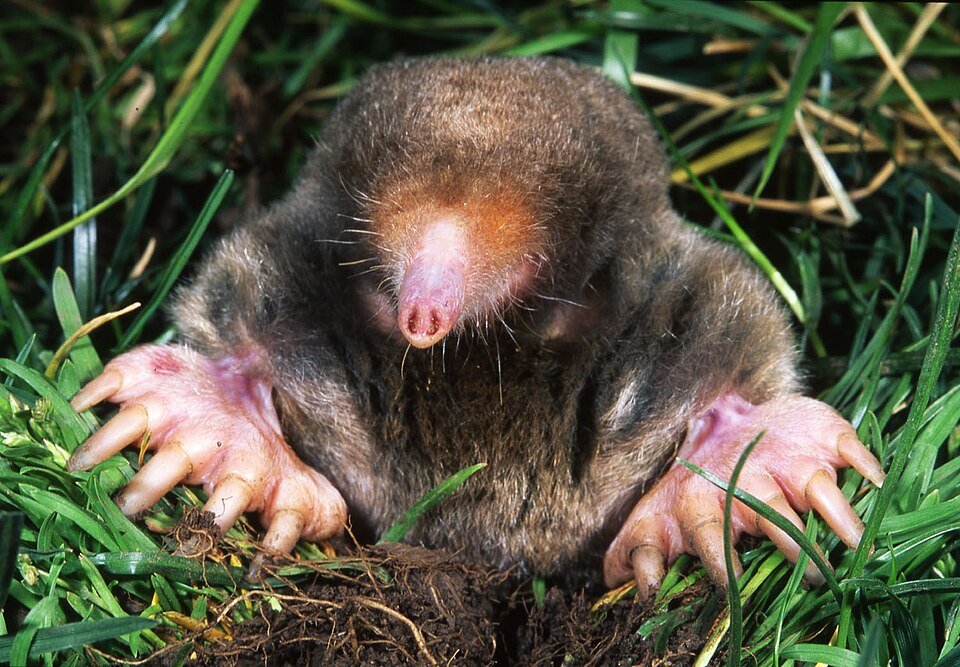
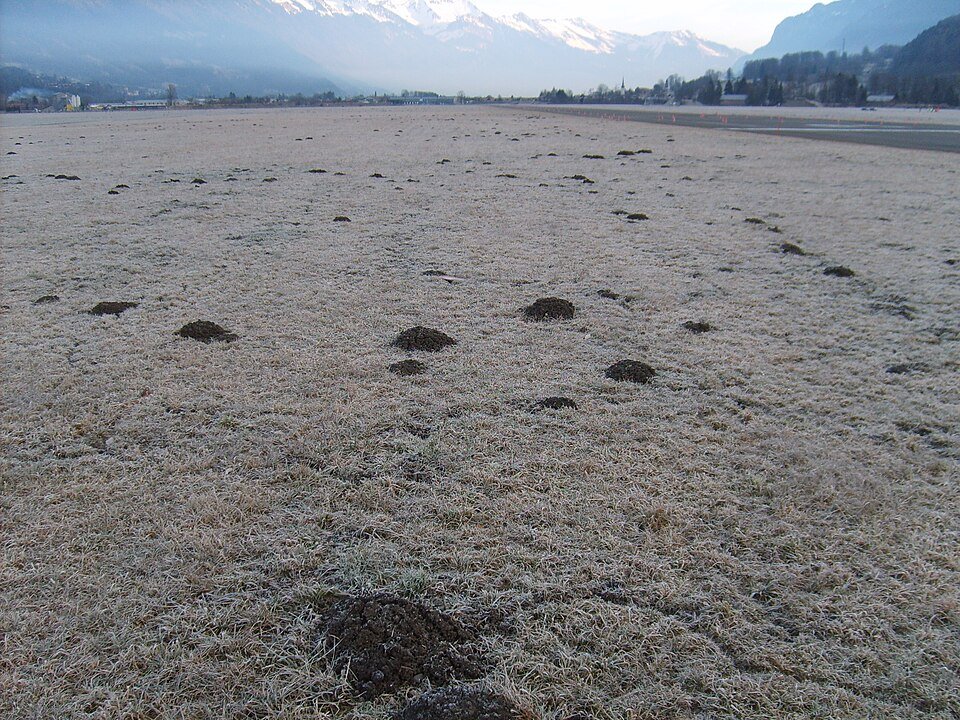
Every mole job starts with twenty minutes of reading the lawn, because placement is the entire difference between a trap that produces in two days and one that sits empty for a month. We confirm the culprit first — mole ridges and volcano mounds versus the grass-path runways and open holes of voles, versus the peeled-turf grubbing of raccoons and skunks (each routes to a different program, and misdiagnosis is the most expensive mistake in lawn pest control). Then we map the system: which runs are travel corridors versus one-time feeding probes, where the deep-tunnel highways cross (mound lines tell), how the property connects to reservoir habitat — the creek corridor, the field edge, the neighbor’s untouched acre — and where the soil moisture is concentrating worm activity this season. The map gets tested before it gets trusted: we flag and collapse sections of candidate runs, and the ones re-excavated within a day are the active arteries that earn hardware. Homeowners are welcome on the walk — the tunnel-reading lesson is free, transfers to every future season, and it’s the part of this trade that feels most like craft.
Moles are a lawn problem rather than a house one, and most customers pair the trapping with pest control in Dayton.
The trap line: how the catching actually works
Professional mole trapping uses spring-loaded scissor and harpoon designs set into active tunnels — triggered by the mole’s own re-excavation pressure, killing instantly, and (unlike every repellent on the shelf) producing verifiable results you can count. A standard residential line runs three to six traps across the mapped arteries, flagged for mower safety and placed with pets and children in mind — the working parts sit below grade in the tunnel, and we’ll walk you through the household rules at setting. Then the rhythm: checks and resets every few days, traps that go quiet get relocated along the map, fresh activity redraws it, and each catch is documented (we show you — verification is a feature, not a formality). Most single-mole lawns — which is most lawns; the guide explains why the devastation is usually one animal — resolve in one to three weeks. Properties where trapping is impractical or trap-shy behavior emerges get the second evidence-based tool: earthworm-mimic baits hand-placed into sealed deep runs, never surface tunnels, with placement records and the pet conversation handled before anything goes in the ground. What never appears on our truck: sonic spikes, fumigant smoke bombs for lawns, poison peanuts, or grub treatments sold as mole control — the graveyard has enough monuments.
Pricing, plainly: what mole work costs and what drives it
Mole service prices on effort-to-vacancy, and three factors set it. Activity scale: a single-mole front yard is the base case — evaluation, a compact trap line, two to three weeks of checks, done; multi-animal acreage with connected systems runs longer lines and more visits. Property connectivity: the mid-block Kettering lawn buffered by pavement on all sides gets cleared and often stays cleared for years; the Bellbrook yard backing the creek corridor sits beside a permanent reservoir, and honesty prices it as maintenance, not a cure. Access and terrain: fenced sections, ornamental beds threaded with runs, and slopes all add setting time. The typical single-family clearance lands in the middle of the residential pest range — comparable to a quality rodent exclusion visit, less than a bed bug program — quoted flat after the free evaluation, checks and verification included, with the re-treatment guarantee covering re-activity in the cleared season. Edge properties choose between the seasonal arrangement (fall and spring trap lines at a package rate — the two windows when the guide’s calendar says pressure peaks) and the call-us-when-the-ridges-return approach; we’ll tell you which your geography argues for, and the fence-line group rate that runs through this whole site applies doubly here, since adjacent lawns cleared together close the refill corridor between them.
The vole rider: the other lawn tenant, handled in the same visit
Because the evaluation so often finds both — voles love running mole tunnels the way commuters love an empty highway — our mole service carries a vole program as a natural rider. Voles are true rodents: surface-path networks worn into turf, golf-ball burrow entrances, girdled bark at the base of shrubs and young trees (winter’s classic vole crime, discovered at snowmelt), and litters on a mouse’s schedule rather than a mole’s solitary pace. Control runs rodent rules, not mole rules: snap-trap stations along active runways, tamper-resistant bait stations where pressure warrants, habitat edits that matter (deep mulch pulled back from trunks, tall-grass margins mowed, the juniper skirt thinned), and trunk guards on the orchard and ornamental investments. When both animals share a lawn we sequence deliberately — mole arteries first, since collapsing the highway system disrupts vole logistics for free — and the combined program prices as one job with one guarantee. If your damage picture includes chewed bark or plants clipped at soil level, mention it when you send the photos; it changes the kit we load before the first visit.
After the catch: repair, verification, and the stand-down
- Verification window: two weeks of quiet after the last catch — no new mounds, flagged runs stay collapsed — before we call a territory cleared; the guarantee runs on evidence, not optimism
- Repair sequencing: ridges pressed while moist, mound soil raked as free topdressing, overseed in the fall or spring windows — after clearance, never during (fresh loose soil mid-program is a welcome mat)
- The sentinel habit: your monthly walk of the cleared zone — new volcano, new call, and under the seasonal arrangement the response visit is already paid for
- Irrigation honesty: heavily watered lawns rebuild worm density fastest and re-attract soonest; we’re not going to tell you to brown your fescue, just to know which way the dial turns
- The neighbor conversation: the printable version of the guide plus a group-rate mention has cleared more than one cul-de-sac in a single coordinated week
Timing your call: the two windows that halve the work
Mole jobs run fastest when they align with the animal’s own calendar, and two windows do most of the year’s work. The fall window (September through November) is the season’s best: fall rains pull worms — and moles — back into shallow, readable runs, this year’s juveniles are dispersing into new territories where they’re active and naive, and a clearance completed by Thanksgiving means the deep-tunnel winter work that would have riddled your lawn invisibly never happens. The spring window (March through May) catches the post-thaw surge, when winter’s hidden excavation erupts into mound fields and every artery advertises itself — diagnosis is never easier, and clearing before breeding season (litters arrive in the deep nests by late spring) removes tomorrow’s dispersers with today’s residents. Midsummer jobs work but run slower — dry spells send moles deep and quiet, stretching the verification clock — and midwinter work is mostly strategic trap placement on the deep highways, a specialist’s patience game. The scheduling translation: ridges in October or mounds in April deserve a same-week call; a July lull is not a cure, just intermission; and the seasonal-arrangement clients get their lines set in exactly these two windows by design, which is why their lawns photograph well year-round.
Mole service questions, answered
Is trapping humane? Are there live options?
Modern mole traps kill instantly — by every serious welfare analysis, a better end than poisons or the slow failure of repellent-driven starvation dispersal. True live relocation sounds kinder and mostly isn’t: moles die quickly without their tunnel systems and food density, relocation sites rarely consent, and Ohio wildlife rules complicate transport. For the homeowner who’d rather coexist, the honest live option is the one from the guide — tolerate the back-acre mole doing free aeration, and defend only the finished turf. We support either ethic; we just won’t dress a slow option as the kind one.
Our dog is obsessed with the tunnels. Any risk from the service?
Manageable and managed: trap locations get flagged and briefed, working mechanisms sit in-tunnel below casual paw reach, bait (when used at all) goes only into sealed deep runs with placement records, and dog-heavy households can run trap-only programs by request. The greater dog risk predates us — terriers excavating tunnel lines — and clearance ends that hobby too.
How is this different from the lawn company’s mole add-on?
Usually: diagnosis versus product drop. The typical add-on is a castor-oil or grub-control application on a route schedule — the two headline residents of the remedy graveyard — because route economics reward pumping product, not kneeling at tunnels. Our service is the kneeling: mapping, hardware, checks, verification, guarantee. Ask any provider two questions — “what did you catch?” and “how do you verify clearance?” — and the programs sort themselves in one answer.
Can you handle the golf course / cemetery / athletic field scale?
Yes — turf-institution mole work is trap-line logistics at scale, priced per acre-zone with documented lines and catch records, and it pairs naturally with our commercial programs’ reporting standards. Groundskeepers get the same biology, more clipboard.
Why we added vertebrate work to an insect company
Fair question with a simple answer: the calls were already coming. Every fall, the same households booking rodent exclusion and the fall barrier would walk us past the ridge-riddled lawn and ask who handles that — and the honest referral list was thin, split between lawn franchises selling castor-oil routes and independent trappers of wildly variable rigor. Mole and vole work fits everything this company already is: it’s diagnosis-led (the mole/vole/grub triage is pure inspection craft), placement-driven (tunnel-reading is the same discipline as harborage-reading in a kitchen), verification-based (catch counts and quiet windows instead of vibes), and honesty-dependent (the remedy graveyard needed a local company willing to name it). It also completes the yard: one provider now covers the turf from below (moles, voles), the perimeter at grade (ants, spiders, rodents), the air above it (mosquitoes, stinging insects), and the structure behind it — one standard, one guarantee, one number saved in the phone. The lawn was the missing floor of that house, and this page is us moving in.
The service, on one screen
- Free evaluation: mole/vole/grub triage + tunnel mapping + connectivity read; lawn photos by text welcome first
- The program: trap lines in verified arteries, checks every few days, documented catches; worm-mimic bait in sealed deep runs where warranted; no gadgets, ever
- Timeline: most clearances 1–3 weeks; fall and spring are the prime windows; two quiet weeks = verified done
- Pricing: flat quote after evaluation, mid-range for typical lawns; seasonal package for edge properties; group rates for adjacent neighbors
- The riders: vole trapping/baiting + habitat edits; repair guidance (press, rake, overseed after clearance); commercial turf scale available
- The guarantee: re-activity in the cleared season brings us back free — same promise as every page on this site
- The number: (937) 569-3330 — and the Moles in Ohio guide for everything about the animal itself
Ridges this morning, evaluation this week, verified quiet by the month’s end — that’s the honest arc of a mole job done right, and the lawn underfoot stops feeling like a rope bridge. The Miami Valley grows moles the way it grows everything else: enthusiastically. Your turf doesn’t have to fund it.
Field notes from a season of Miami Valley mole lines
Patterns from the route, offered because they shorten diagnoses. The irrigated-lawn premium is real: the greenest yards on any street carry the densest worm populations and draw moles first — a Centerville commonplace where sprinkler systems run daily; the fix isn’t browner grass, just faster calls. The new-sod surge follows every landscaping project by a season: fresh sod over amended soil is a worm nursery, and Springboro’s new phases produce first-year mole calls as reliably as first-fall mouse calls. The retention-pond corridor pattern runs the suburbs: engineered drainage keeps soil margins moist, and homes rimming those features anchor the neighborhood’s tunnel maps. The mulch-bed highway explains beds “destroyed” without lawn damage — deep mulch over irrigated soil is premium habitat, and runs thread it invisibly until the annuals tilt. And the February false spring catches everyone: one warm week pulls moles up early, a panicked call beats the thaw, and the smart move is exactly what the seasonal clients already have scheduled — a March line, set when the surge is real. None of these patterns changes the method; all of them speed the map, which is the economical half of any mole job. Local pattern libraries are what route years buy — and what the free evaluation spends on your behalf.
Last word, for the homeowner standing at the window right now watching a ridge lengthen in real time (it happens — a feeding mole moves about a foot per minute in good soil, and the show is genuinely riveting): resist the shovel ambush. It occasionally works, mostly doesn’t, and either way the tunnel system and the next mole remain. Take the video instead — it’s diagnostic gold, it pinpoints an active artery to the yard, and it’s exactly the evidence that lets us arrive with the line half-planned: (937) 569-3330. The mole is writing you a map of its own capture; all it costs to cash in is a phone camera and a week of patience.
And if the digger turns out to be bigger than a mole
Occasionally the evaluation reads the evidence and delivers a plot twist: tunnel diameter, thrown soil volume, or an entrance hole that says groundhog, chipmunk network, or skunk grubbing rather than mole work. Each routes honestly — chipmunk programs we run (they’re rodents; the toolkit rhymes with our rodent service), groundhogs and skunks go to a licensed nuisance-wildlife referral with our exclusion work sealing the vacancy afterward, and the grub-digging raccoon case is the one lawn scenario where the grub treatment your lawn company loves is actually the correct answer. The evaluation prices identically either way — free — because the diagnosis is the product, and a company that will cheerfully tell you “this isn’t our animal, here’s whose it is” is the same one you can trust when it says “this one’s ours, here’s the plan.” Under the turf as everywhere else on this site: identification first, invoices second, guarantees always.
Frequently asked questions
How do you get rid of moles?
Trapping — the only method with a reliable body of evidence behind it. Our season program sets professional-grade traps on the active runways (we identify them by collapsing and re-checking tunnels), pulls and resets until the lawn goes quiet, and runs unlimited pulls for the program price.
How much does mole removal cost?
A flat program price per typical half-acre lawn covers the whole six-week trapping season with unlimited pulls, with an add-on rate for additional acreage and a discounted fall re-run for returning customers. Free quotes: (937) 569-3330.
Do home remedies work on moles — grub treatments, sonic spikes, chewing gum?
No, mostly. The grub myth is half-true at best: moles eat earthworms first, so killing grubs rarely evicts them and hurts your soil. Sonic spikes, gum, castor pellets, and car exhaust have no reliable evidence. Trapping works; the aisle does not.
One mole or many — how do I tell?
Moles are solitary and territorial: a typical infested lawn hosts one to three, not the army the tunnel map suggests. One energetic mole can dig a hundred feet of tunnel a day, which is why the damage always overstates the census.
What is the difference between moles and voles?
Moles tunnel and raise ridges eating insects and worms; voles are mice-relatives that eat plants, girdle trees, and run surface trails under snow. Ridges and volcano mounds = mole; gnawed bark and clipped runways = vole. Different animal, different program.
When is the best time for mole trapping?
Spring and fall, when moles work the moist upper soil and runways read clearly. Midsummer drought drives them deep and winter freezes the surface — both trappable but slower. Our seasonal timing is built into the program.
Will moles damage my foundation or just my lawn?
Lawn and landscape only — ridges, mounds, undermined sod, and disturbed root zones. The structural risk is zero; the cosmetic and turf-health cost is real enough, and tunnel networks do invite voles, who cause the actual plant damage.
Why does my lawn keep getting moles?
Good soil. Moist, worm-rich, well-irrigated lawns bordering woods or fields are premium mole habitat, and vacated territory re-fills from the border. That is why we sell a season program with a discounted re-run rather than pretending one pull is permanent.
Are mole traps dangerous for pets and kids?
Ours are placed inside the runway, below grade, and flagged — no exposed mechanisms on the surface. We walk the placement map with you, and yards with digging dogs get placements adjusted accordingly.
Can I just flood or fumigate the tunnels?
Hose-flooding fails (the network drains and the mole digs around it), and gas cartridges rarely reach the mole in an open tunnel system while adding real risk near structures. Ohio also regulates what can legally go into a burrow — trapping stays the answer.
What do the volcano-shaped dirt piles mean?
Fresh conical mounds are excavation spoil from deep tunneling — active work, and a good trapping sign. Ridged surface tunnels are feeding runs; the ones that re-inflate after you stomp them are the active highways where traps belong.
Do moles hibernate?
No — they follow the worms: deep in winter and drought, shallow in spring and fall. A quiet January lawn usually erupts in March because the same mole moved back up, not because a new one arrived.