
Walk any of Franklin’s older blocks and count the skirting: the lattice, plywood, and sheet-metal panels closing off the space under porches, rear additions, and whole houses set on piers. That skirted underworld — dark, dry, dirt-floored, ventilated just enough — is the town’s rodent housing stock, and it fills every fall. Rodent control in Franklin runs through architecture more than any neighboring town’s file, because the river-era housing here was built up off the ground — porches on brick piers, kitchens added on posts, crawl spaces under everything — and a century of patched skirting has turned those voids into the perfect intermediate habitat: outside the living space, inside the building line. We call it the skirt file, and the mouse in your kitchen wall almost certainly spent October under your porch first.
How the Underworld Works
The skirted void is the ideal staging habitat because it solves the rodent’s two problems at once: shelter from weather and predators, and adjacency to the real prize. A mouse population established under a rear addition lives dry and unhunted a few inches below the kitchen floor — and the floor above it is old-growth lumber pierced by a century of plumbing, heating, and wiring retrofits, every penetration a potential door. The classic Franklin progression runs in two stages: the fall field-and-riverbank eviction pushes populations into the underworld through skirting gaps (a lattice panel’s diamond openings are a mouse highway; a rusted-out sheet-metal corner is a gate), and the first hard cold snap pushes them up through the floor penetrations into the walls. Which is why our interior calls here cluster in January while the actual invasion happened in October — and why treating the kitchen without treating the underworld is renting a solution.
Reading Your Skirting
The audit you can run yourself in ten minutes: circle the house and grade every skirting panel — lattice (open invitation; needs hardware-cloth backing), plywood (check the bottom edge for gnaw scallops and the corners for gaps), sheet metal (check for rust-outs at grade), and access doors (the hinged panel that hasn’t latched since 2010 is the front door). Then look for the traffic evidence at the likeliest gaps: greasy rub marks at edges, a beaten path in the soil just inside, droppings along the pier lines. Under-porch voids with any of those signs are occupied, and occupied voids in October become wall populations in January on a schedule you can set a calendar by.

The Franklin Program
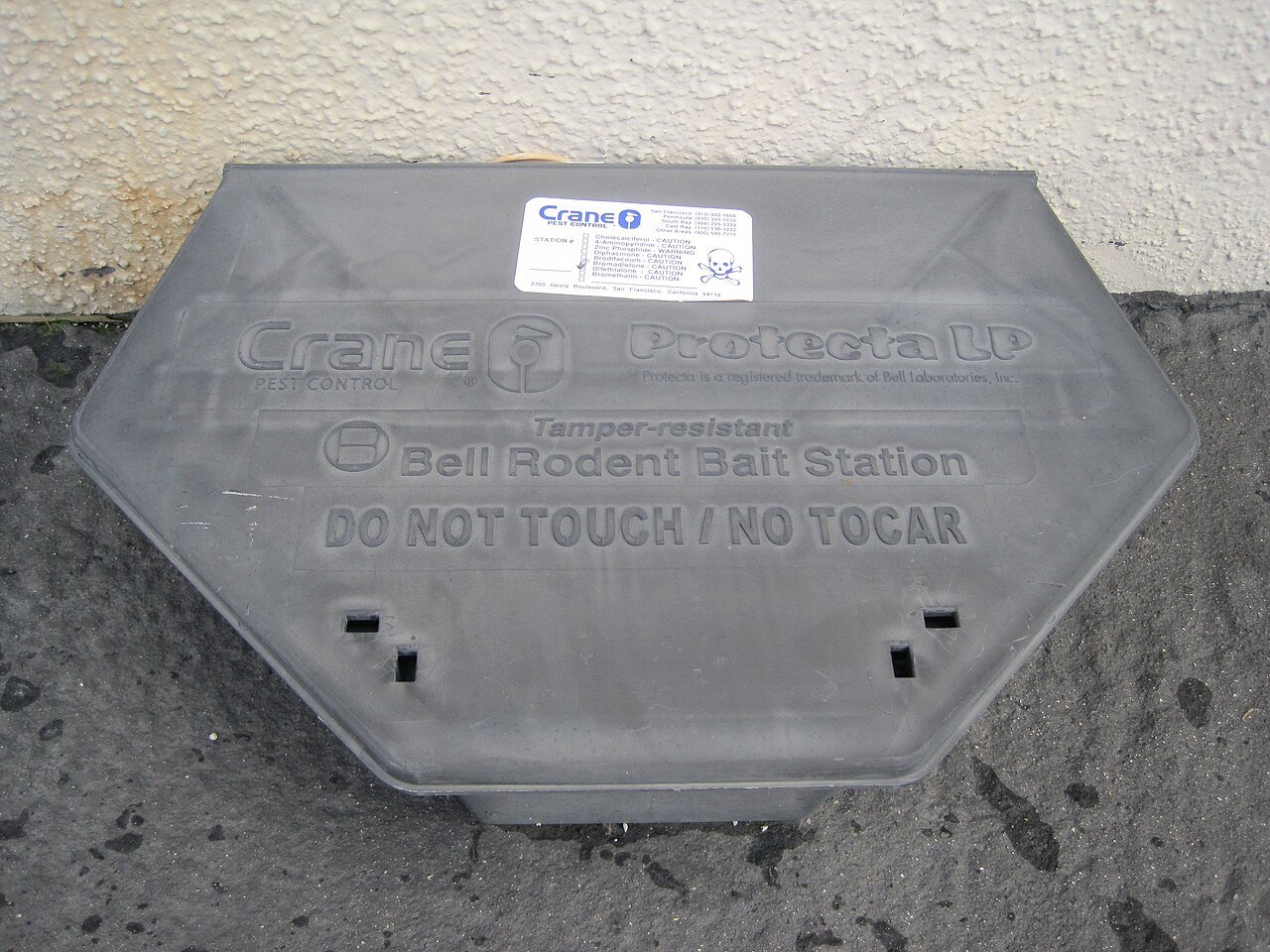
- The underworld service: stations and snap-trap boxes placed inside the skirted voids — the staging habitat treated as the primary territory it is, not skipped for being “outside”
- Skirting exclusion: hardware-cloth backing on lattice, gnaw-proof patching at grade, and the access-door relatch — carpentry-grade closure of the gates, quoted honestly
- Floor-penetration sealing: the plumbing, duct, and wiring routes from void to wall closed at the floor line — the second door, shut
- The October appointment: pre-cold-snap service timed between the fall invasion and the winter ascent — the single highest-leverage visit in this town’s calendar
The riverfront adds its standing pressure — the Great Miami corridor banks a background population that every flood pulse redistributes upslope, and the older industrial edges carry the rat file that any working river town keeps. Those follow the standard rules: subsidies closed, burrows treated on your parcel, and honest management language rather than eradication promises. But the residential file — the one that fills our Franklin call log every winter — is the skirt file, and it’s beatable at the architecture: void serviced, gates closed, floor sealed, October kept. The town’s full file lives on our Franklin service page, alongside the wasp file the same generous architecture writes.
Service the Underworld
One visit grades every skirting panel, reads the traffic evidence, and treats the voids as the territory they are — then the exclusion closes the gates for good. Book it in October and January never happens.
Frequently asked questions
Why do mice show up in my walls every January?
Because they arrived in October — the fall eviction moved them into the skirted voids under your porch or addition, and the first hard cold pushed them up through the floor penetrations. The January wall population is the October under-porch population, promoted.
Is the space under my porch really a rodent problem?
It’s the staging habitat: dry, unhunted, and inches below the kitchen through a century of plumbing and wiring penetrations. Occupied voids in fall become wall populations in winter on a schedule you can calendar — which is why the voids get serviced, not skipped.
What’s wrong with lattice skirting?
Nothing aesthetically — everything functionally: the diamond openings are a mouse highway. The fix keeps the look: hardware-cloth backing behind the lattice, which closes the gate without touching the curb appeal.
How do I know if something’s living under there?
Ten-minute audit: greasy rub marks at panel edges and gaps, a beaten path in the soil just inside, droppings along the pier lines, gnaw scallops at plywood bottom edges. Any of those means occupied — and October is the month to act on it.
Why is October the key appointment?
It’s the seam between the two migrations: after the fall invasion fills the voids, before the cold snap promotes them upstairs. One visit then — stations in the underworld, gates closed, floor sealed — prevents the January calls entirely.
Do you just seal everything up?
Sequence matters: seal an occupied void and you lock the population in with only one direction left — up. Service first (stations and traps knock the population down), then exclusion closes the gates, then the floor penetrations shut the second door.
What about rats along the river?
The corridor banks a background population every flood pulse redistributes — standard river-town rules: close the subsidies (trash, pet food, birdseed at grade), treat burrows on your parcel same-week, and hold the boundary. Managed honestly beats promised eradication.
What does rodent control cost in Franklin?
Flat-priced service including the void work, with skirting exclusion quoted as the carpentry it honestly is — and the October package priced below the January emergency, because prevention at the seam is the whole strategy.