
Mason is the southern anchor of our Warren coverage and the biggest city on the county’s page roster — a destination economy (Kings Island’s towers, the water-park lodges, tennis’s annual grand stop at the Lindner Center) wrapped in some of Ohio’s most sustained suburban growth, corporate campuses along the corridors, and neighborhood after neighborhood of the newer housing stock whose pest file this site maps better than anyone. It is also our honest southern reach: Mason rides the scheduled southern Warren loops — multiple days weekly in season, next-loop booking as the norm, priority response county-wide — per the county hub’s two-tier route system, with no mileage lines and the full service list. The city’s scale earns the full file below.
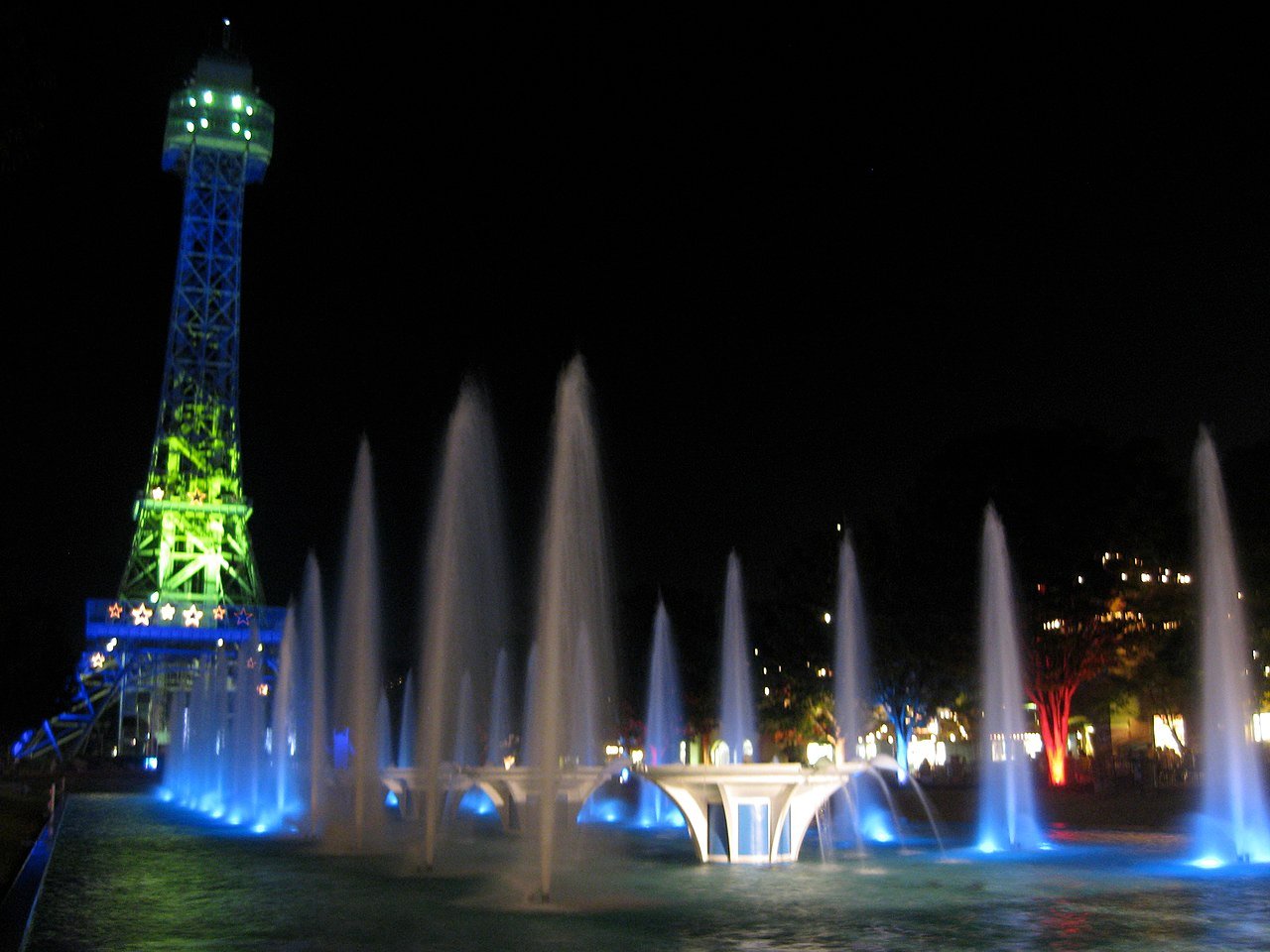
Growth-city housing: Mason’s three decades of subdivisions
Mason’s residential map is a time-lapse of the modern growth playbook — 1990s phases now fully mature, 2000s-and-2010s neighborhoods mid-settling, and current construction still breaking former field ground — which makes the city a complete laboratory of the county’s growth-homework doctrine. The mature phases have aged into their second pest era: original seals past service life, first-generation decks and landscaping fully embedded (mulch riding high on foundations, irrigation economies feeding mole pressure that never left), and the mature street trees finally big enough to run carpenter ant highways onto rooflines. The younger phases run the classic year-one-to-five file: builder-gap penetrations, field-displacement Octobers, sod-and-settle dynamics. And every era shares the growth-city constant — the twelve-doors inspection reads them all, the September visit anchors them all, and phase-cycle intelligence (we service your street’s twins across three decades of phases) tells each address what its next five years hold.
The destination economy: crowds, kitchens, and lodging at scale
A city hosting millions of annual visitors runs commercial pest pressure most suburbs never meet, and Mason’s hospitality belt gets the programs built for it: the restaurant-and-quick-service rows feeding park crowds run documentation-grade food-service programs at surge capacity (dumpster rotation and scavenger-wasp management timed to attendance season, not the calendar average); the lodging stock — from destination resorts to the interchange hotel clusters — runs lodging protocols where bed bug literacy, rapid room response, and discreet documentation are the entire brand-protection product; and the entertainment venues themselves run event-scale versions of the venue playbook. The corporate campuses along the corridors add the quiet-floor office file. Destination cities cannot afford pest stories; the programs above are how they avoid writing any.
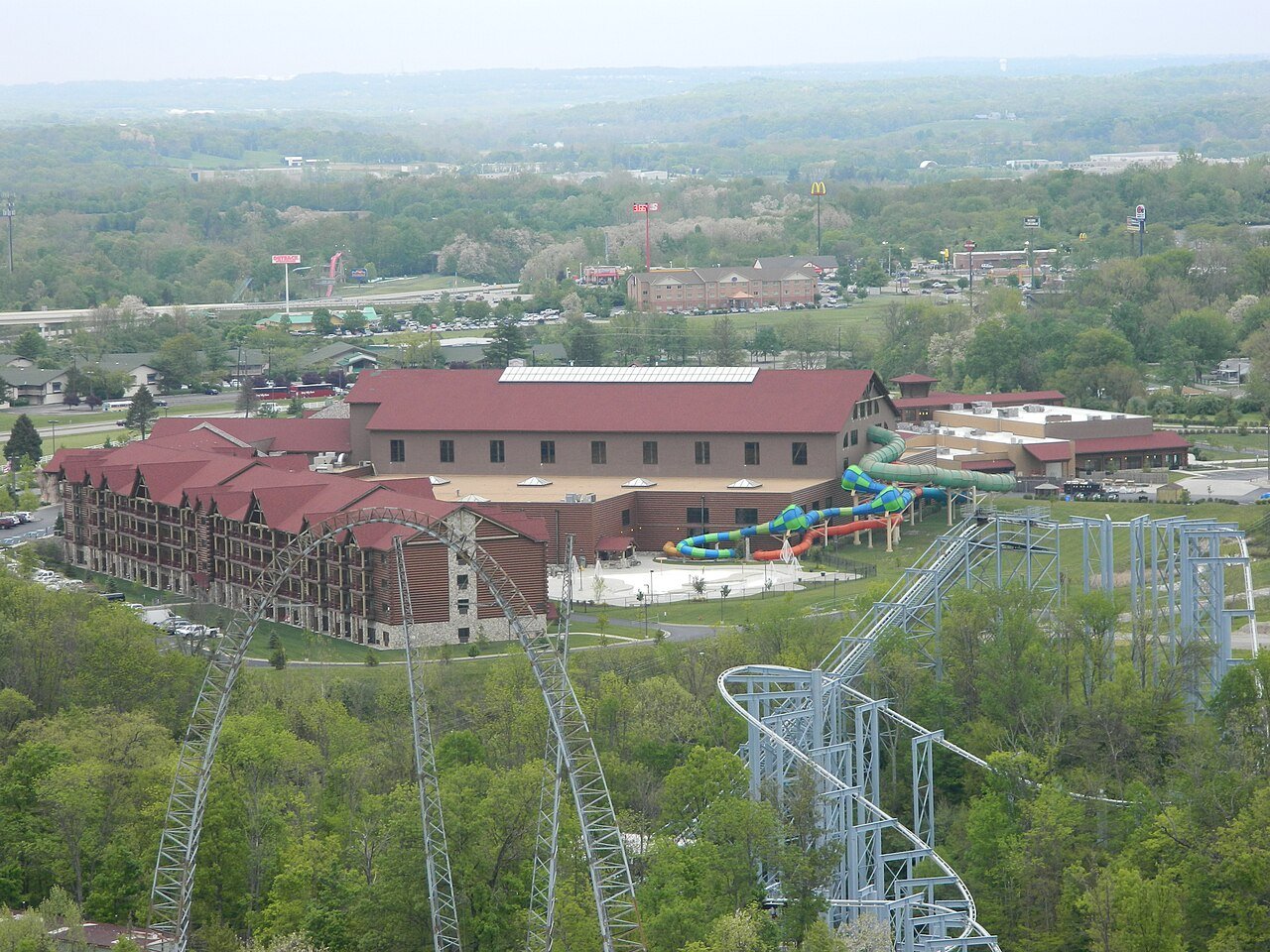
A Mason seasonal calendar
- March–May: ants wake across three decades of subdivisions at once; moles surge the irrigated sod; the season’s first park crowds begin the hospitality belt’s surge calendar; termite swarm photos same-day in the mature phases
- June–August: peak everything — attendance season’s food-and-crowd pulse, deck-and-playset wasps scaling citywide, cicada killers performing over the newer lawns, mosquito pressure in every unswept gutter and ornamental pond
- September–October: the growth-city double — field displacement at the active edges, invader flights on every sunny wall, and the hospitality belt’s season-end deep-service window; the September visit anchors all of it
- November–February: interior mouse season across the mature phases; exclusion project weather; lodging’s winter maintenance window for the work summer crowds prevent
Mason questions we hear
Cincinnati companies are closer — why book a Dayton-side one?
The county hub answers the lane question honestly: our Mason customers choose Dayton-side scheduling deliberately — the published local literacy this site represents (no metro franchise writes its towns pages like these), route-day pricing without metro overhead, and the referral chain that pulled us south in the first place (Springboro customers’ Mason cousins, Lebanon landlords’ Mason rentals). Both markets serve the city; ours is the neighbor-priced, documentation-heavy, phone-answered-by-owners lane, and Mason’s share of it grows every season the loops run.
Our subdivision is twenty-five years old and suddenly has problems it never had. Why now?
Because subdivisions age in cohorts: your street’s seals, sweeps, and flashings all hit end-of-life together (installed the same summer, weathered identically), the landscaping crossed its maturity thresholds together (trees reaching rooflines, mulch beds fully embedded), and the neighborhood’s pest carrying capacity stepped up accordingly — all at once, street-wide, which is exactly how it feels. The mature-phase reset is the answer: the twelve-doors re-inspection reading twenty-five years of drift, the seal-and-sweep refresh, the landscape-line corrections, and the September calendar adopted for the second era. Growth cities do not outgrow pest pressure; they graduate between its stages — and the reset is the diploma.
Warren coverage: county hub · South Lebanon · Maineville · Lebanon · full service area.
The Mason lineup, ranked
- Ants — the supercolony species across every subdivision era, carpenter ants arriving as the street trees mature; bait-led always
- Mice — edge-phase field pushes plus mature-phase seal failures; the twelve-doors read either way (rodent control)
- Moles — three decades of irrigated turf running the county’s densest lawn pressure (trapping program)
- Wasps & yellowjackets — deck structures, playsets, and the hospitality belt’s scavenger surge (removal guide)
- Bed bugs — the lodging belt’s standing vigilance plus the travel-city introduction rate (guaranteed protocol)
- Mosquitoes — ornamental-pond and gutter economies across the subdivisions (seasonal service)
- Fall invaders — lady beetles on every sunny wall the remaining fields can see (the October file)
- Termites — the mature phases entering their second-era inspection years; WDI reports for one of the region’s busiest markets
Corporate campuses and the quiet-floor file
Mason’s corporate corridor — headquarters campuses, medical-and-professional parks, the office stock serving the region’s southern economy — runs the quiet-floor doctrine at premium scale: break-room and coffee-station economies feeding what nobody reports, package rooms importing daily, hybrid-work floors where monitoring devices notice what empty desks cannot, and facilities teams who need reporting formatted for corporate audit rather than clipboard convention. Campus programs get monthly-or-quarterly cadences with device maps and quarterly summaries forwarding-ready, grounds programs where the landscaped acreage runs its own mole-and-wasp files, and the escalation clarity big facilities require — who calls, who approves, what documentation follows. Corporate Mason keeps regional reputations on its campuses; the programs keep pests out of the facilities story entirely.
Tournament week and the event-city rhythm
Every August the tennis world’s tour stops at Mason’s Lindner Center, the city hosts one of the sport’s biggest non-major crowds for a fortnight, and the event-city rhythm the county festival doctrine describes plays at its largest local scale: hospitality surge across every restaurant and lodge, vendor-and-catering food concentration, and the scavenger response that follows calories anywhere they mass in August — peak yellowjacket season by design of the calendar. The belt’s businesses run their programs hot through the window (pre-event patrols, surge-rated dumpster discipline, response crews on short standby), the neighborhoods near the venue absorb their parking-and-picnic spillover with ordinary September prep arriving slightly early, and the city returns to baseline with the post-event deep-service pass. Mason hosts world-class events the way it does everything — at scale, on schedule — and its pest calendar simply plays in the same league.
What a Mason first visit looks like
Scoped to your Mason: subdivision homes get the era-read first (which decade’s phase, which stage of the settle-and-age arc) then the twelve-doors circuit calibrated to it — builder-gap hunting in the young phases, seal-and-sweep auditing in the mature ones, landscape-line corrections everywhere; hospitality and commercial sites get the program consultation their category demands (surge math for food service, room-response protocols for lodging, device architecture for campuses); and every visit ends the site-standard way — findings photographed, homework separated from invoice, quote written before scheduling, and the two-tier conversation had honestly (plenty of Mason one-time jobs stay one-time; the growth-city properties that argue for the Plan hear exactly why). Southern-loop scheduling means booking a couple days ahead beats demanding this afternoon — and photo-first booking means the truck arrives already loaded for the actual job.
For Mason’s HOAs: the association-scale opportunity
A city built by subdivisions is governed by associations, and Mason’s HOAs hold pest-management leverage most never use: common-ground contracts (the retention ponds breeding the neighborhood’s mosquitoes, the entrance landscaping running its wasp and ant economies, the walking-path margins with their tick files) that treat the shared sources individual lots cannot touch; coordinated-street programs that turn the organize-the-lane doctrine into association policy with real volume economics; and the phase-wide reset projects — a mature subdivision’s seal-and-sweep renewal run street by street — that associations can commission at pricing no door-by-door retail sequence matches. Boards get documentation built for annual meetings, budget-cycle quoting that respects fiscal years, and the vendor-relationship stability associations prize. The retention pond is everyone’s mosquito source and nobody’s job — until the association makes it ours; Mason’s boards that have know exactly what the rest are missing.
Does the park itself affect nearby neighborhoods?
Less than folklore claims, in specific ways worth knowing: destination venues run serious internal pest management (their brands depend on it), so the park is not a source so much as a schedule — its attendance calendar drives the belt’s food-waste rhythm, its evening light dome runs the area’s largest insect attraction economy (feeding the healthy bat and spider populations park-adjacent neighborhoods notice), and its landscaping’s irrigation joins everyone else’s in the mole economy. Adjacent households need ordinary Mason defense, slightly sound-tracked: the September visit, sealed structures, and porch lights that compete with a skyline of coasters. The tower in the photo above is the county’s brightest porch light; the doctrine survives the metaphor.
The bottom line for the southern anchor
Mason gets the complete standard at its own scale: era-read residential work across three decades of phases, destination-grade hospitality programs, corporate-audit campus service, association-scale HOA opportunities, and the event-city calendar fluency its August demands — delivered on scheduled southern loops that price the city like every other address on the map (free quotes, free photo identification, no mileage lines, the two-tier guarantee structure in full). The southern anchor earns the southern reach: (937) 569-3330, Monday–Friday 8–6, Saturdays by appointment, priority response for the situations that warrant it. Greater Dayton Pest & Rodent, Ohio licensed — ODA Pesticide Business License #115079 — Dayton in the name, Mason on the loops, and the whole county between covered by name.
One Mason tip worth the page: know your phase’s age, book its era’s visit
The growth-city compression of the county-index advice: your subdivision’s construction year is the single most predictive fact about your pest file — under five years means the builder-gap baseline, five-to-fifteen means the settling-landscape watch, past twenty means the mature-phase reset — and one era-matched September visit outruns most of what the city’s call volume contains. Look up the phase year (your deed knows), match the era, book the season, or let the Protection Plan automate the whole ladder as the phases age under you. Growth cities run on timelines; so does their defense — and yours is one dated deed and one free call from set: (937) 569-3330.
Lodging’s standing file: the belt’s most valuable discipline
Because Mason’s hotel-and-resort belt carries the county’s heaviest lodging load, the discipline deserves its expanded version. Destination lodging lives one review away from a pest story going viral, and the protective architecture is known: room-level vigilance built into housekeeping’s daily rhythm (the ninety-second inspection trained to every cart), interceptor-and-monitor instrumentation in the statistically busiest rooms, response protocols that move confirmed rooms through isolation-treatment-verification inside seventy-two hours with adjacent-room screening as policy, laundry-chain heat discipline as the invisible backstop, and documentation that protects the property in the review-dispute and chargeback conversations the industry actually fights. Surge season adds the belt’s specific math — occupancy peaks are introduction peaks — and winter’s maintenance window is when the deep work (encasement refresh cycles, void treatments, the annual full-property audit) runs without revenue displacement. The properties running this file spend modestly and sleep soundly; the ones without it are betting the brand nightly at destination stakes. Our lodging programs install the whole architecture — and the belt’s smarter operators have been referring each other since the first one tried it.
Deerfield Township and the city’s working edges
Around and through Mason runs Deerfield Township — the county’s most populous township, sharing the city’s growth economy street for street — and township addresses ride the same southern loops at the same standard, with the usual seam doctrine: lines are for auditors, quotes never carry geography, and the Maineville and South Lebanon pages cover the township’s eastern villages by name. The remaining working edges — the horse properties and hobby farms holding out between phases, the nursery-and-landscape operations serving the growth machine, the creek corridors threading toward the Little Miami — get their respective files (campus scoping, the grower-facility programs, corridor defense) from the doctrine library this site has spent a hundred-plus pages building. Mason’s map fills more every season; the coverage was built to fill with it.
What does Mason work cost, given the drive?
Exactly what it costs everywhere on the map — the loop system exists precisely so the answer never changes: jobs price by their work (the cost guide’s honest ranges apply untouched), the southern schedule absorbs the geography, and the only Mason-specific pricing note is opportunity: the city’s subdivision density makes the coordinated-street and HOA economics above genuinely powerful — Mason neighbors who organize capture the best batch pricing on the entire roster. Free quotes, free photo triage, and the same phone answering the same way from Salem Ave to the county’s southern edge: (937) 569-3330.
The southern anchor closes the way it operates — at scale, on schedule, and now fully on the map. From the tower’s night lights to the newest phase’s first October, Mason’s file is written, its loops are running, and its page joins a county roster that finally reads the way the trucks have driven it for years: complete.
The event-lawn file: cicada killers, ground bees, and the August panic
One Mason-flavored footnote earns its heading because the calls cluster every summer: the city’s young, sandy, sun-soaked lawns — sports complexes, new-phase yards, the park-adjacent green acres — are prime cicada killer real estate, and every August the two-inch patrols trigger the giant-hornet panic that page was written to retire. The Mason version of the verdict holds: the giants are nearly harmless theater, the burrow clusters that genuinely conflict with barefoot traffic get the precision dusting-and-delisting treatment, and the athletic-field and common-ground versions belong in the HOA and facilities programs above rather than in anyone’s panic budget. The same lawns run ground-nesting bee weeks each spring (solitary, beneficial, brief) and the occasional genuine ground-yellowjacket find — the one lawn resident that earns real caution and the priority lane. Photo first, as ever: the free ID line sorts giants from dangers daily all summer, and Mason’s share of those photos peaks with its attendance calendar — the sandy-lawn city hosting the region’s most photographed harmless insect. Fitting, somehow.
Licensed by the Ohio Department of Agriculture (Pesticide Business License #115079; applicator #170858 — categories 10A, 10B, and 12), insured, locally owned, and running the southern loops on schedule: Mason, the map is yours too.
Who actually turns up in Mason: Greater Dayton Pest & Rodent is owned and operated by Bryan Camden, licensed by the Ohio Department of Agriculture — firm #115079, commercial applicator #170858, categories 10A, 10B and 12. When you call, you talk to the person who does the work. No call center, no rotating crews, and the same technician on every visit.
Frequently asked questions
Do you provide pest control in Mason?
Yes — Mason’s corporate-corridor neighborhoods and established plats sit on the southern Warren rotation with route-day regularity.
What pests are most common in Mason?
Established-suburb files: mature-landscape ant networks (two decades of mulch economics), sod-line yellowjackets on the big lots, first-frost garage mice, fall invaders on the sunny two-story stock, and retention-pond mosquito seasons.
How much is pest control in Mason?
Published formula — Mason’s larger footprints read honestly: most homes run $39–$55/month quarterly; one-time flat. Free: (937) 569-3330.
Why do Mason’s established plats get so many ants?
Landscape maturity — twenty-year mulch beds, stacked-stone features, and irrigation keep multi-queen networks funded; the perimeter-and-dairy-takedown program (plus never spraying the trails) is the Mason standard.
What about the retention ponds?
The suburban mosquito variable — well-managed or stocked ponds are fine neighbors; scummy fishless ones are nurseries. We audit which yours is and treat accordingly (Bti where warranted); pond-adjacent patios get the barrier program.
How fast can you reach Mason?
Route days run the southern tier regularly — days typically, priority faster, no travel charges.
Do you serve Mason businesses?
Yes — the corporate corridor’s offices and campuses, the restaurant rows, and the retail districts each on matched programs; the office-park documentation package fits the property-management layer Mason runs on.
Is termite monitoring worth it in Mason?
Mature landscaping over twenty-year-old foundations says yes for most of the established plats — conducive conditions accumulate exactly this way. Free annual inspections; stations for the wooded-edge lots.
Do you coordinate with Mason HOAs and property managers?
Routinely — common-area programs, standardized documentation, and the portfolio pricing that communities expect; the county hub page details the commercial side.
How do I start service in Mason?
Instant quote from your address, free photo ID, or (937) 569-3330 — free estimates and route-day scheduling within the week typically.
Mason Pest Control, Service by Service
Mason’s pest files, written from the town’s same-vintage subdivisions and campus-scale commercial — specific, not templated:
- Termite control in Mason — the cohort clock, read before the first yard sign
- Ant control in Mason — the engineered lot, diagnosed in two questions
- Rodent control in Mason — the greenway network, met at the toll booth
- Wasp & hornet removal in Mason — the playset census, discoveries kept adult
- Cockroach control in Mason — the audit corridor, kept boring on paper
- Termite inspection in Mason — what an inspection actually covers, what it costs, and why a sale here rarely forces one.