
Mason may have more backyard play equipment per square mile than any town in Ohio — swing sets, playhouses, trampolines, climbing walls, the full inventory of a family suburb at full build-out — and every piece of it is wasp real estate with a child’s hand scheduled to touch it. Wasp and hornet removal in Mason runs disproportionately through that inventory: the tube ends of swing-set frames, the void under a slide’s hood, the playhouse’s eave gap, the trampoline frame’s hollow rail, the sandbox lid’s underside — cavities and covers at exactly the height the yard’s primary users operate, used intensively on some days and not at all on others, which is the usage pattern founding queens read as vacancy. We call it the playset census, and taking yours — five minutes, every few weeks, April through September — is the highest-value wasp habit a Mason household can run.
Why Play Equipment Recruits
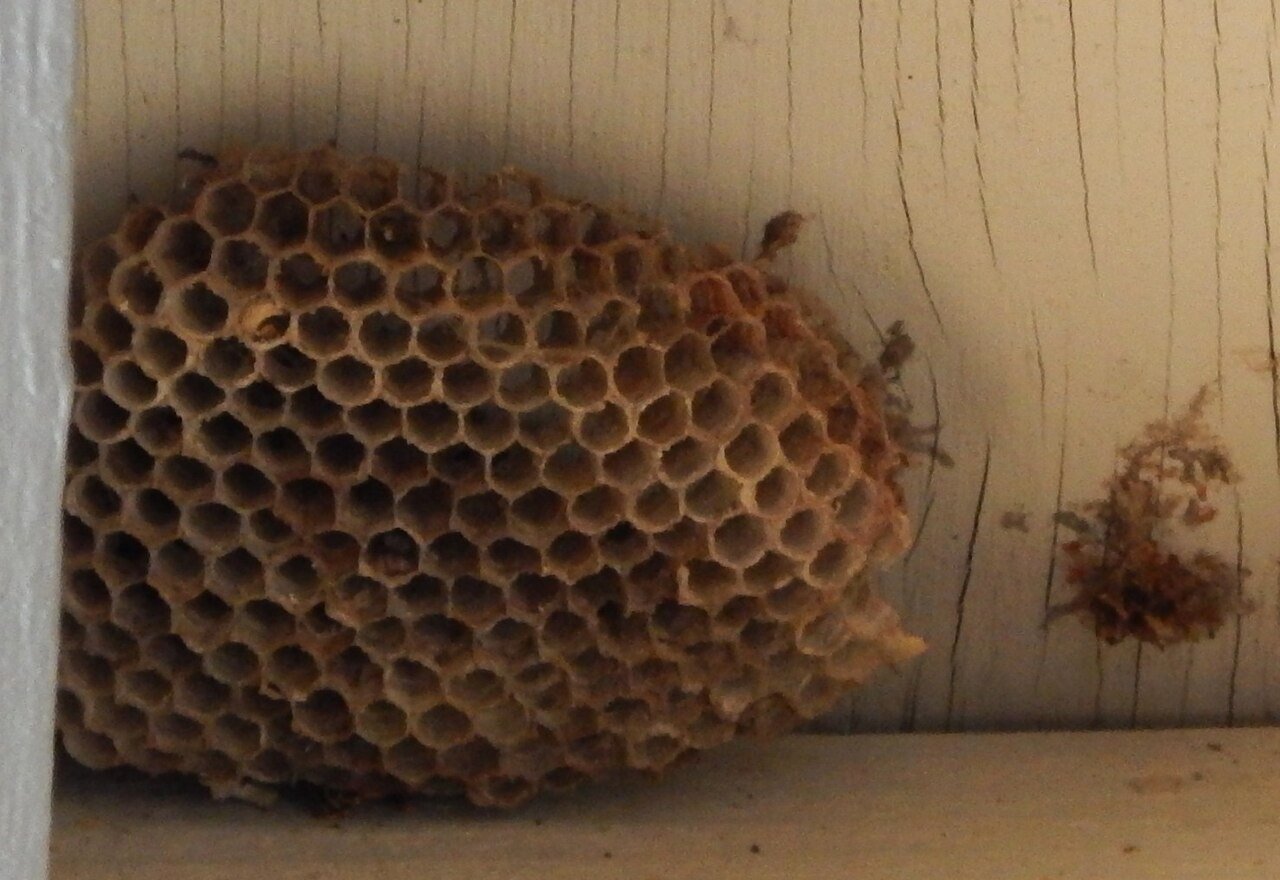
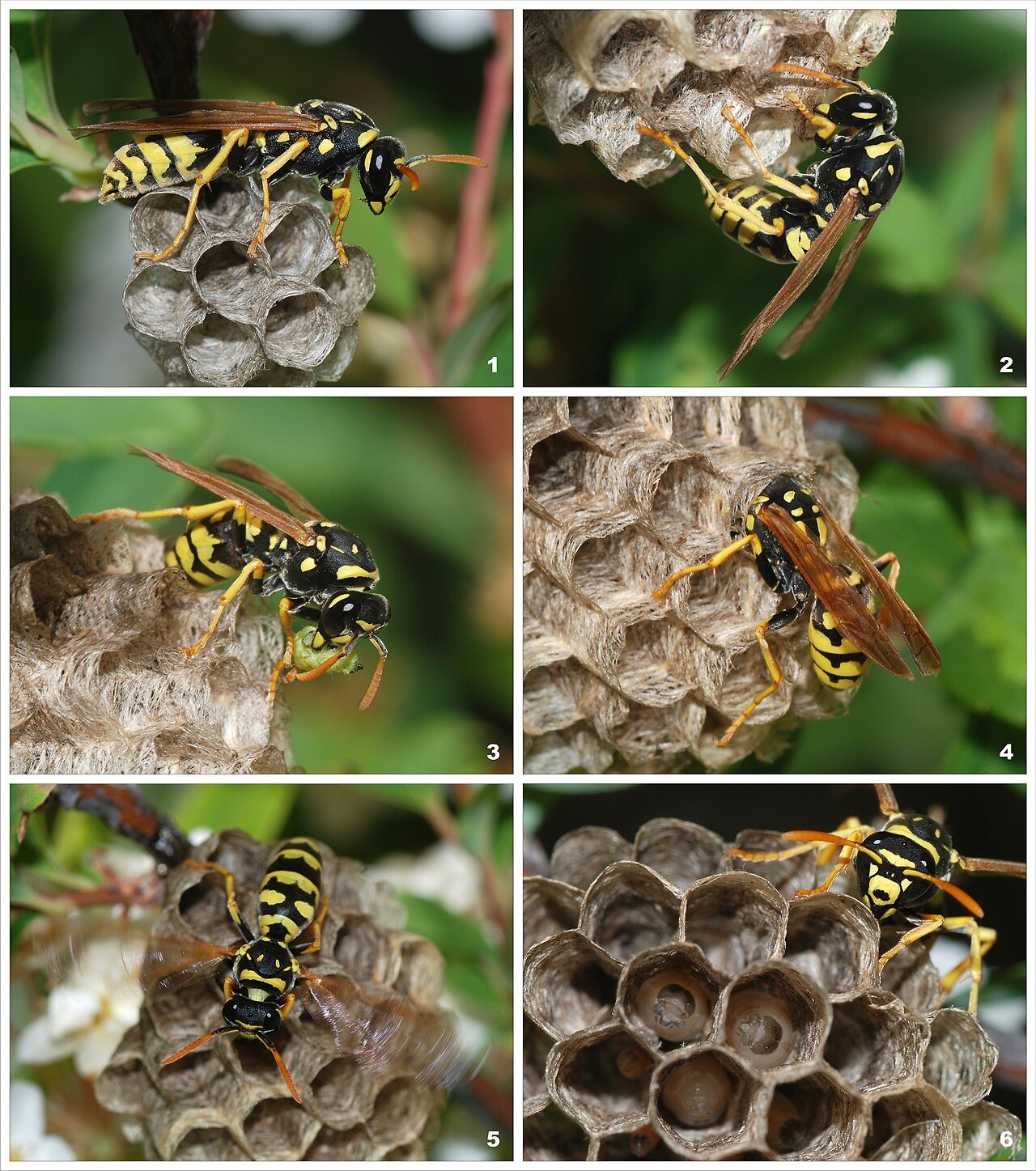
The engineering is accidental but complete: powder-coated steel tubes are weatherproof cavities with defended entrances; molded plastic hoods and playhouse roofs create still, warm voids; and the intermittent-use rhythm — busy Saturday, empty week, rainy stretch — gives colonies establishment windows a porch eave never offers. Paper wasps found in the hood voids and eave gaps; yellowjackets take the tube interiors and, on lots backing the greenway corridors, the ground beneath and around the equipment, where old burrow habitat meets play-zone traffic. The discovery mechanism is the file’s whole problem: play equipment gets discovered by children, at speed, mid-play — the grabbed rail, the entered playhouse, the trampoline’s vibration over a ground nest — and a child’s first sting event sits at the top of every parent’s do-not-want list. The census exists to make the discovery yours instead.
Running the Census
The five-minute circuit, taught free: walk the equipment watching for traffic first — steady insect movement to any single point (a tube end, a hood edge, a gap, a spot in the mulch) is the tell that beats any visual search. Then the touch points: peer up under slide hoods and playhouse roofs, check the swing-frame tube ends (cap any open ones — plastic caps cost pennies and close the best real estate outright), lift the sandbox lid by its far edge, and scan the mulch perimeter for low, purposeful flight. Early season, a founding nest in a hood void is a dusk broom job; anything with patrol traffic — and anything in a tube interior or the ground, where the colony’s size is unknowable from outside — is our call, not a parent’s reach-and-hope.
The Mason Program
- Play-zone response: same-week service on equipment colonies, treated at hours the yard is empty, with tube-cap and gap-closure hardware that retires the real estate afterward
- The season-start sweep: an April pass over equipment, eaves, and the deck-and-pergola line — founding nests cleared before the play season and the colony season converge
- Greenway-side ground patrol: corridor-backing lots get the mulch-line and lawn check for burrow colonies — flagged, cordoned, and treated before mower or trampoline finds them
- Commercial accounts: the town’s patio dining and retail corridors run the standard seasonal program — spring sweeps, trash-line counsel, pre-open response through sugar season
The honest calibration for a safety-forward town: most wasp encounters here end in nothing, the species’ public-health footprint is small, and panic-spraying every forager teaches kids the wrong lesson about a yard’s ecology. The census habit plus the season-start sweep prevents nearly everything worth preventing, the tube caps close the best real estate permanently — and the genuine colonies get professional handling at empty-yard hours, which is what same-week scheduling is for. The town’s full pest picture lives on our Mason service page.
Take the Census Before They Do
One season-start sweep clears the equipment, the eaves, and the deck line — then the five-minute circuit keeps the discoveries yours all summer. Found traffic already? Keep the yard clear and call today; play-zone colonies get same-week, empty-yard service.
Frequently asked questions
Why do wasps nest in play equipment so often?
Accidental engineering: steel frame tubes are weatherproof cavities, molded hoods and playhouse roofs hold still warm voids, and the busy-Saturday-empty-week usage rhythm reads as vacancy to founding queens. It’s the best real estate in a family yard — at exactly child height.
What’s the five-minute census?
A circuit of the equipment every few weeks, April through September: watch for steady traffic to any single point first, then check under slide hoods and playhouse roofs, at swing-frame tube ends, under the sandbox lid (lift by the far edge), and along the mulch line for low purposeful flight. The goal is making the discovery yours, not a child’s.
Can I remove a nest from the playset myself?
A founding nest in early season — visible comb, no patrol traffic — is a dusk broom job. Anything patrolling, anything inside a frame tube, and anything in the ground is professional work: colony size in cavities is unknowable from outside, and reach-and-hope at a child’s play zone is the wrong gamble.
What are the plastic caps you mention?
Tube-end caps for open swing-frame and trampoline rails — pennies apiece, and they permanently close the equipment’s best nesting cavities. We install them as standard hardware after any equipment treatment, and any parent can add them in an afternoon.
Our lot backs a greenway — anything extra to watch?
The ground file: corridor-backing yards inherit old burrow habitat where yellowjackets found colonies, and trampoline vibration or mower passes over an entrance is the classic incident. The census adds the lawn-and-mulch scan; steady low flight to one grass point gets flagged and called.
When should the yard get its season-start sweep?
April — before the play season and the colony season converge: equipment, eaves, deck and pergola lines cleared at founding stage, when every nest is a five-minute job and no colony has defenders.
Are wasp stings actually dangerous for kids?
Usually briefly painful and nothing more — the emergencies are known allergies and multi-sting events from disturbed colonies, which is exactly what the census and professional cavity work prevent. Calibrated caution beats panic-spraying every forager the yard’s ecology sends through.
What does wasp removal cost in Mason?
Flat per-nest rates with play-zone colonies scheduled same-week at empty-yard hours; the season-start sweep priced as the season’s best value; and the tube-cap hardware billed at cost — because closing the real estate beats re-treating it.