
West Milton is the Stillwater side of Miami County — a village of about 4,700 at the crossroads of routes 48 and 571, founded by North Carolina Quakers in 1807, schooled under the Milton-Union banner, and living with the prettiest and moodiest river in the region running past its western edge. It is the anchor of the county’s west: the town the surrounding townships shop in, school in and parade in, with a brick downtown strip, tree streets of nineteenth-and-twentieth-century houses in every era, and working grain on all four horizons. Greater Dayton Pest & Rodent covers the village and its whole countryside — ants, mice and rats, wasps, termites, mosquitoes, spiders, roaches and bed bugs — on scheduled west-county routes that put a truck through several days a week. (937) 569-3330, or book online and we’ll call back with a real quote.
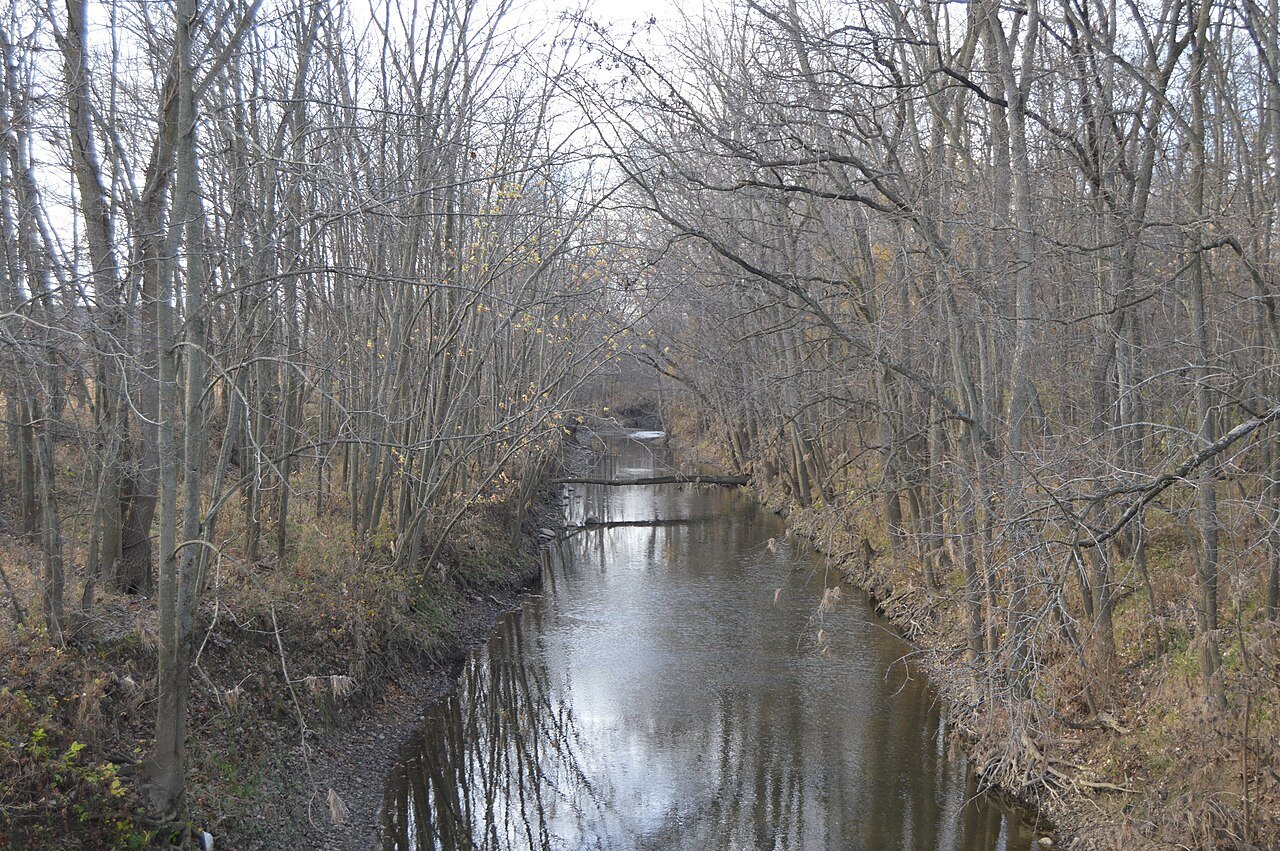
The Stillwater doctrine: living beside the county’s wild river
The Great Miami is engineered; the Stillwater is left mostly to its own devices — a state scenic river of gravel riffles, wooded bluffs and genuine floodplain, and the single biggest fact in West Milton’s pest geography. River-and-woodland edge means the full wildlife-adjacent profile our county page assigns the Stillwater corridor: mosquito production in the backwater pools and tree holes all summer; mice, rats and their predators moving along the wooded banks; raccoon and squirrel pressure on the houses backing the bluffs; spider populations sized to the river’s insect hatch; and the damp-basement band in the blocks nearest the water, where camel crickets and millipedes surge in wet springs and termite scouts find the soil moisture they’re looking for. River-edge households get the corridor protocol — the defensive line on the private side, timed to the river’s season — and the honest framing that comes with it: nobody treats a scenic river, and nobody should; we fortify where you live, and the porch evenings come back.
Quaker bones: reading the village’s houses
Two centuries of continuous village life leave a housing catalog, and West Milton’s runs the county’s full range. The oldest survivors near the original plat — some with genuine early-1800s bones under later siding — carry stone foundations and hand-cut sills that predate the pest-control industry by a century; they get the heritage-grade exclusion we run in every early-Ohio village: twelve-doors inspections, reversible copper-and-sealant work, materials that would pass a preservationist’s squint. The Victorian and streetcar-era rings add balloon framing and cellar doors; the postwar streets add slab gaps and attached-garage mouse doors; the newer edges add the first-decade patterns of any growing village. The grid-village paradox from our Preble County work applies here in full: a compact village surrounded by grain concentrates the countryside’s autumn rodent migration onto a few hundred foundations, which is why the fall exclusion pass matters more in West Milton than in a Dayton suburb twice its size — and why the village-wide logic (your neighbor’s open coal chute is your problem too) makes the seal-the-whole-village conversation genuinely practical at this scale.
Milton-Union: the school-town standard
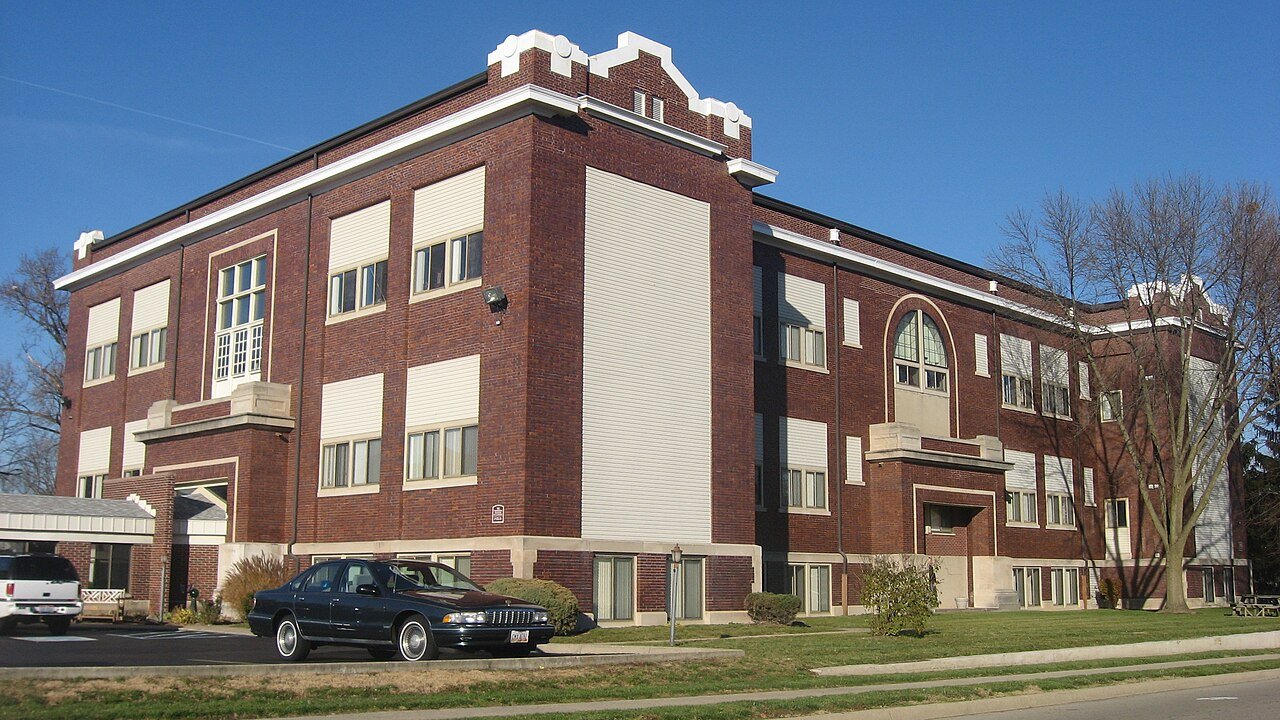
The consolidated Milton-Union campus — elementary through high school on one modern site — is the village’s center of gravity, and school-town family life sets the service standard: tamper-resistant everything, treatments placed where children and pets aren’t, honest triage that tells a parent when a problem is a five-dollar fix instead of a service call, and scheduling built around school-run mornings. Family houses run family pest patterns — pantry moths from the bulk-buy cabinet, ant files to the juice-box shelf, the wasp nest discovered at swing-set altitude in July — and the Protection Plan is the product built for them: the year owned at a flat rhythm, the re-treatment guarantee absorbing surprises, September’s anchor visit keeping winter quiet. One-time problems get one-time prices, posted plainly, because a village runs on straight dealing and remembers who practiced it.
The farm campuses of the western townships
Drive any spoke out of West Milton — toward Ludlow Falls, Laura, Potsdam — and the county turns fully agricultural: Union Township’s century farmsteads, grain operations scaled from hobby to serious, and the house-barn-outbuilding clusters our farm-campus doctrine was written for. The rules repeat because they work: quote the campus, not the house (the farmhouse’s mouse problem lives in the corn crib’s ecosystem); read the feed room as the anchor food source and defend it first; treat the equipment shed’s overwintering wasp queens in spring before they found the summer’s nests; and time everything to harvest, because the week the combines run is the week the fields’ rodent population files for new housing. West-county farms get scheduled-loop service with the same published pricing as the village — no mileage lines, ever — and the barn-cat conversation gets the respect it deserves: good cats are colleagues, not competition, and our baiting geometry accounts for them.
The West Milton pest calendar
February–March: winter mouse populations announce themselves; exclusion weather. April–May: swarm season in the old stock; ants wake; wasp queens prospect every porch on the grid; the river’s first hatches feed everything. June: mosquito season opens on the Stillwater; barrier treatments go down river-side first. July–August: peak summer — wasp colonies building toward maximum, corridor pressure at full song. September: the anchor visit — perimeter defense at yellowjacket peak, and the county’s most important exclusion window as harvest empties the surrounding grain into the first cold nights; in a grid village ringed by corn, September’s work decides February’s silence. October–November: seal-and-check; attic inspections; the farm campuses’ post-harvest rodent audits. December–January: interior follow-ups and planning, priced while the pressure sleeps.
Downtown, the crossroads and the working village
The 48-and-571 crossroads gives West Milton a genuine working downtown — hardware, pizza, banking, the library’s daily traffic — and small-downtown commercial work runs the same physics as the county’s bigger main streets at village scale: brick rows with shared walls and shared cellars, food service beside retail beside upstairs apartments, and the block-aware monitoring that catches a roach or rodent introduction at the stations before it tours the row. Village institutions get the institutional standard — the school campus, the churches, the township buildings all run monitoring-led IPM with treatment scheduled around occupancy — and the food operations get the documentation their inspections want to see. It’s the identical program our commercial page describes for Dayton, priced for a village strip, delivered on the same trucks that do the farm loops — because in the west county, the feed store and the farmhouse are the same route.
Why the west county calls us
- Scheduled west-county loops: a truck through the 48/571 corridors several days a week — village next-day norms, and the priority lane at no markup for the genuine emergencies.
- Farm-campus fluency: house-plus-barn quoting, feed-room-first defense, harvest-timed exclusion — the doctrine village companies skip and city companies never learned.
- Old-village literacy: reversible exclusion for two-century bones, era-read inspections street by street.
- Two honest tiers: one-time prices posted; the Protection Plan’s re-treatment guarantee when you want the year owned.
- Photo-first triage: text the evidence to (937) 569-3330 — free identification, honest quote, no truck rolls until both are done.
West Milton questions, answered straight
The river floods our low blocks some springs. What does that mean for pests?
A flood year is a pest year, offset by about six weeks. High water drives the corridor’s rodents uphill into the village grid immediately, then the receding pools breed the summer’s heaviest mosquito generations, then the saturated soil keeps termite pressure elevated into fall. After any flood spring: check your exclusion early (the displaced rodents arrive before the water leaves), expect the mosquito program to earn its keep, and let the fall inspection read what the wet year seeded. We track the river’s spring behavior for exactly this reason.
Our farmhouse’s mice laugh at store-bought traps. What actually works?
Scale and sequence. A farm mouse population is fed by grain and housed by a campus — snap traps in the kitchen are bailing a boat with a teaspoon. What works: the feed room hardened first (sealed containers, exclusion at its own twelve doors), the barn’s population knocked down with properly stationed baiting that respects the cats, the farmhouse sealed on the same visit, and the whole system re-read after harvest. That’s the campus protocol; it’s priced as one plan and it’s the difference between managing mice and merely counting them.
Wasps love our porch every single summer. Why us, and can it stop?
Porches with morning sun, protected eaves and nearby water are wasp real estate gold — the river corridor keeps the food supply generous. It can largely stop: spring patrols remove founding queens’ starter nests when they’re golf-ball sized and easy, treated surfaces discourage re-founding, and the porch stays yours through August instead of surrendering in July. One-time nest removals are priced by nest type and height; the pattern-breaking is what the seasonal program is for.
Do you really come out for the townships at village prices?
Really. The west-county loops exist so that Union Township’s farm lanes, the river-road addresses and the village grid all ride scheduled routes — published pricing, no mileage lines, no rural surcharge. The only thing distance changes is which loop day the calendar offers first.
The west county’s anchor, covered
West Milton holds down the Stillwater side of our Miami County coverage the way Troy anchors the corridor: the village grid, the school campus, the river blocks and every farm lane the townships run. Ludlow Falls, Laura and Potsdam ride the same loops; the service-area map shows the whole eight-county valley. Quaker country built plain and honest — the pest program should match: text a photo to (937) 569-3330, get the free identification and the straight quote, and let the west county’s September do its quiet work.
Termites and the two-century test
A village founded in 1807 has been running an uncontrolled termite experiment for two hundred years, and the results are readable house by house. The failures got rebuilt; the survivors mostly share the traits our inspections verify: sills clear of soil, grade lines held honest, moisture managed by generations of owners who understood that dry wood is safe wood. What threatens the old stock now is modern habits laid over old bones — mulch mounded against brick, flower beds raised over sill lines, additions whose slabs meet original stone in seams nobody inspects, and the river corridor’s soil moisture doing its patient work. Our approach is the county standard: monitoring-first bait systems that watch the soil year-round, annual inspections in the vulnerable stock, Bryan’s 10A/10B treatment licenses when activity turns up, and Category 12 WDI inspections for the village’s home sales — where a modest price and an honest report protect exactly the kind of transaction the west county runs on.
The wildlife edge: attics, soffits and the bluff houses
Where the village meets the river woods, the pest file grows fur. Houses backing the bluffs and the wooded ravines run standing raccoon, squirrel and bat pressure — species that treat a loose soffit as a furnished apartment listing — and the doctrine is exclusion-first, always: inspect the roofline’s dozen weak points (soffit returns, gable vents, chimney crowns, the fascia gap behind the gutter), seal what’s sealable in the right season, and never close an entry until the residents are confirmed out — a sealed-in animal is a worse problem than a resident one, which is why the one-way-door protocol exists. Bats get the legal-and-seasonal handling their protected status requires; squirrels get the persistence their chewing deserves (hardware cloth, not foam); and every wildlife job ends with the household’s rodent exclusion checked, because the same gaps serve every size of tenant. River-edge living is worth the vigilance — the herons alone pay the rent — and vigilance is a checklist, not a burden.
Do it yourself, or call?
The honest split, west-county edition. Reasonable DIY: a reachable paper-wasp umbrella on the shed, the post-rain ant line to the sink, a single mouse in a tight modern garage, the seasonal spider sweep of a walk-out basement — our guides cover all of it without a service call. Earns the call: anything inside a wall or soffit void (wasps and mice both — sealing an active entrance is the classic self-inflicted disaster), any termite evidence in stock this old, farm-scale rodent pressure (see above — teaspoons and boats), bed bugs anywhere, bats always (protected, and rabies protocol is not a DIY category), and any problem now surviving its third store-bought remedy. Recurrence is the tell: it means a condition — an entry, a moisture source, a food line — and conditions need diagnosis before chemistry. The photo-triage line sorts every one of these free, which makes guessing obsolete: (937) 569-3330.
Plain-dealing was this village’s founding ethic, and it ages well: identify free, quote straight, charge the same for urgent as for scheduled, and leave every century house looking exactly as we found it — just quieter inside the walls. From the McKinley School’s brick to the last lane before the county line, the Stillwater side of the county has a pest company that reads its river, its farms and its two centuries of housing as one map. West Milton, the west-county loop runs this week — there’s room on it for your address.
A note on the village’s gardens and the pollinator line
The west county gardens seriously — vegetable plots behind the village houses, orchard rows on the farmsteads, pollinator plantings spreading porch by porch — and a pest company working garden country owes its customers a clear pollinator policy. Ours: honey bee swarms and colonies are never treated — they go to local beekeepers, free, every time (the fuzzy-and-golden photo test takes ten seconds); solitary ground bees in the spring lawn get an honest “leave them, they’re working for you” unless a genuine allergy changes the math; treatments near flowering plants get timed and placed to miss the foraging day; and the yellowjacket-versus-bee distinction — the whole difference between a pest and a pollinator — is exactly what the photo triage line exists to make before anything gets scheduled. Garden villages keep their ecology close; the pest program should defend the house without taxing the tomatoes. That balance is a stated policy here, not an accident — and it’s one more reason the plain-dealing county keeps our number on the fridge.
Between the river’s patience and the grain’s calendar, West Milton’s pest year has a rhythm two centuries old — and now it has a route company that keeps time with it. The Stillwater side is covered: same standard as the corridor cities, same published prices, same free identification for whatever the river woods send uphill next. One photo, one call, and the west county’s quiet winters start in September.
Founded plain, kept honest, defended properly — that’s the west county way, and it’s ours too.
The loop runs weekly, the answers come fast, and the west county’s door is the easiest one on our map to knock on.
Who actually turns up in West Milton: Greater Dayton Pest & Rodent is owned and operated by Bryan Camden, licensed by the Ohio Department of Agriculture — firm #115079, commercial applicator #170858, categories 10A, 10B and 12. When you call, you talk to the person who does the work. No call center, no rotating crews, and the same technician on every visit.
Frequently asked questions
Do you provide pest control in West Milton?
Yes — the Stillwater valley village sits on the Miami County rotation weekly, historic core to township edges.
What pests are most common in West Milton?
Stillwater-valley files: moisture-guild basements in the older stock, floodwater mosquitoes off the creek corridors, farm-edge rodent surges each harvest and frost, barn wasps in the township outbuildings, and the bean-field stink bug flights on schedule.
How much is pest control in West Milton?
County formula, no village premium: most homes $39–$55/month quarterly; one-time flat; campuses walked. Free: (937) 569-3330.
Why do village basements here run damp?
Valley water tables — the Stillwater’s geography keeps the older foundations humid, funding the cricket-silverfish-centipede guild. Dehumidifier-first doctrine, seepage triage; the bugs leave with the water.
Do you serve the farms around West Milton?
Campus treatment — the township’s barns, grain areas, and outbuildings quoted as systems with harvest-calendar scheduling; the village’s route days were built partly on these lanes.
How fast can you reach West Milton?
Weekly-or-better rotation — days typically, priority faster, no travel charges.
Do you serve West Milton businesses?
Yes — the village storefronts and services on matched programs with documentation.
What is the fall pattern here?
The full Miami County convergence — harvest strips the cover, frost sends the field population, and the flights hit the sunny walls; the September exclusion-and-barrier visit earns more per dollar in the Stillwater valley than almost anywhere.
Is termite monitoring needed in the village?
The older stock’s age-and-moisture stack says inspect annually (free) and consider stations for the historic blocks — valley conducive conditions are the standing finding.
How do I start service in West Milton?
Instant quote, free photo ID, or (937) 569-3330 — free estimates, route-day scheduling, first visits typically within the week.
West Milton Pest Control, Service by Service
West Milton’s pest files, written from the village’s edge-habitat geography — specific, not templated:
- Ant control in West Milton — the one-block rule, met at the foundation
- Wasp & hornet removal in West Milton — the night shift, identified honestly
- Cockroach control in West Milton — the potluck circuit, checked at the door
- Termite control in West Milton — the handed-down house, verified per generation
- Rodent control in West Milton — the pantry cellar, defended on the harvest calendar
- Termite inspection in West Milton — what an inspection actually covers, what it costs, and why a sale here rarely forces one.