
Potsdam borrowed its name from Prussian royalty and spent two centuries proving the joke wrong — there is nothing palatial here, just one of Miami County’s most likable crossroads villages: a couple hundred people where Route 721 meets the section grid, the Methodist church’s brick holding one corner and the village park holding another, grain unrolling in every direction toward Laura, Covington and the Darke County line. It is the last name on our Miami County roster and it gets the first-name treatment: ants, mice and rats, wasps, termites, mosquitoes, spiders, roaches and bed bugs, full standard, published prices, on the west-county loops. (937) 569-3330, or book online.
The German corners: another stone-and-frame inheritance
Like Casstown’s Lutheran crossroads on the county’s other side, Potsdam belongs to the German settlement thread that named it — farming families who built square, heavy and for keeps — and the village’s oldest stock carries the inheritance in fieldstone cellars and hand-framed sills deep into their second century. The fieldstone rules apply verbatim: few entries, but structural ones — the weathered mortar horizon, the generous root-cellar vents, the seams where stone meets later frame — found by a serious twelve-doors inspection and closed once with reversible materials or open forever. Around the old bones, the familiar catalog: frame survivors and foursquares on the grid, postwar ranches at the edge, and the farmsteads beyond running campus doctrine at every scale. The hamlet arithmetic governs the year — harvest empties the sections, the migration files toward a few dozen heated foundations, and the September exclusion pass decides the winter for the whole grid at once.

The park, the church and the village commons
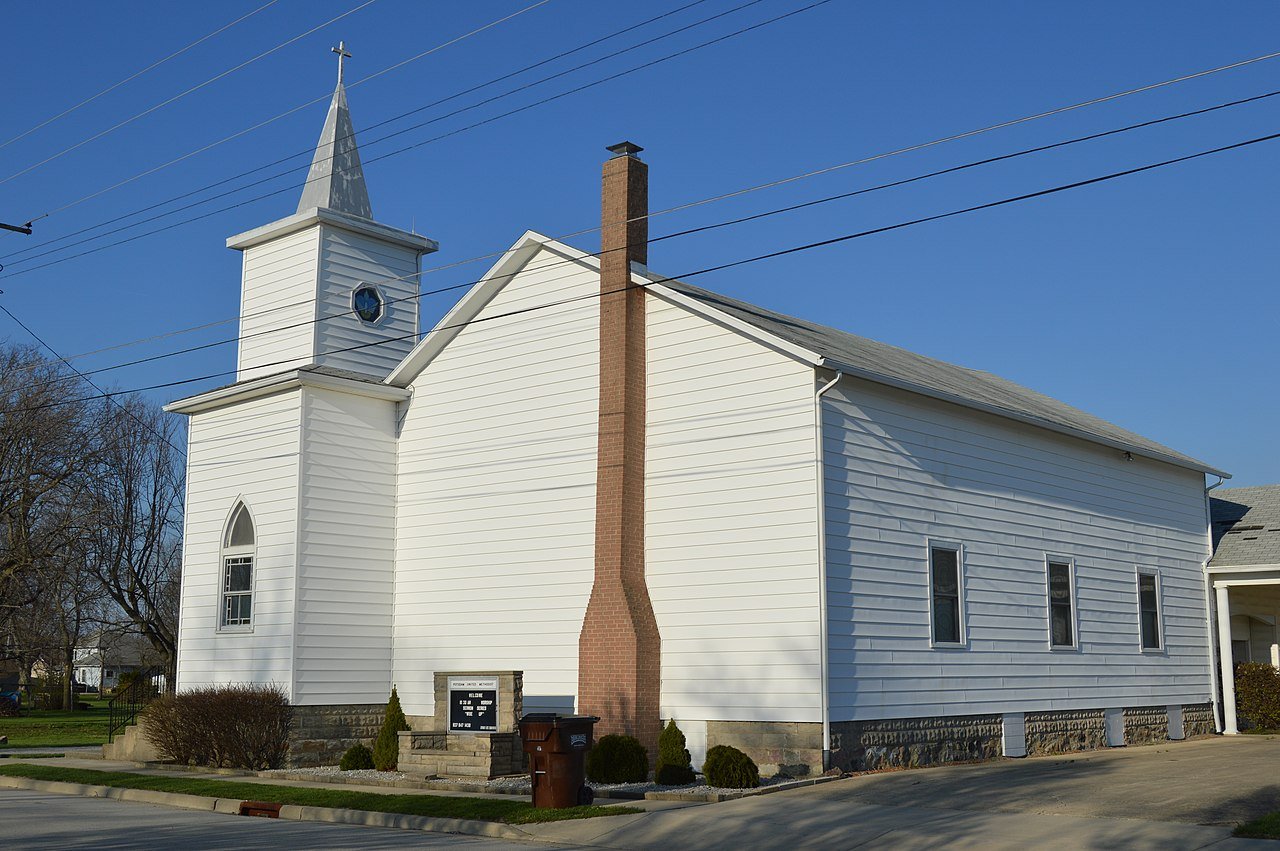
A village this size keeps its public life in two buildings and a green, and all three get the institutional standard scaled honestly: the church’s brick — the corner’s anchor since the settlement generations — gets heritage-grade reversible work and occupancy-aware scheduling; the park gets the commons treatment (ground-nest sweeps of the play areas each spring and summer, yellowjacket vigilance around the shelter and bins, honest pollinator lines at the plantings); and the township’s municipal corners get monitoring-led IPM with the documentation ready whether anyone ever asks. Commons work in a hamlet has an outsized return — the park is every family’s backyard annex, the church basement is the village’s event venue, and one August ground nest by the swings costs the whole grid its favorite month. The spring sweep costs a fraction of the sting call, which is the entire institutional argument at this scale, and the reason the smallest commons get the same calendar discipline as Troy’s levee.
The Potsdam pest calendar
February–March: winter mice audible in stone and frame alike; the year’s best exclusion weather. April–May: ant files wake; queen patrols clear porches, sheds and the park shelter; swarm watch where old wood meets soil. June: ditch-country mosquito season opens modestly; the dry grid mostly coasts. July–August: high summer — colonies building, the park’s picnic economy at full song, fair month pulling the township east to Troy. September: the anchor — perimeter at yellowjacket peak, exclusion ahead of the harvest migration; the crossroads’ whole winter decided in one afternoon. October–November: seal-and-check, post-harvest campus audits on the surrounding lanes, attic decisions. December–January: interior follow-ups and next year’s plan, priced in the grid’s deep quiet.
Newberry’s western lanes: campuses to the county line
The lanes west and north of the village run to the Darke County line through some of the west county’s most consolidated grain, and the farm-campus doctrine covers every operation on them: house, barn, machine shed, feed room and grain storage quoted as one system; feed room hardened first; cat-respecting bait geometry in the barns; the farmhouse sealed the same visit; the whole campus re-read after harvest. The county line itself means nothing to the trucks — as at Bradford, the loop turns around past the line, not at it, so the Darke-side lanes that shop and school and worship in Miami County ride the same schedule at the same published prices. Equipment sheds get spring queen patrols, livestock places get sanitation-first fly arithmetic, the five-acre pole-barn class gets the mini-campus rules, and the grain operations get perimeter grids with buyer-ready documentation. The doctrine’s whole promise, delivered to its westernmost lanes.
Why Potsdam calls us
- Last name on the roster, full standard: a couple hundred people ride the west-county loops at the county’s published prices and response classes — no minimums, no fine print.
- German-corners literacy: fieldstone cellars get heritage-grade reversible exclusion; frame stock gets the century read; nothing gets foam theater.
- Campus fluency to the line: house-plus-barn quoting, harvest-timed re-reads, and a service map that ignores the auditor’s plat.
- Two honest tiers: one-time jobs at posted prices; the Protection Plan’s re-treatment guarantee when the year should be owned.
- Photo-first triage: text the evidence to (937) 569-3330 — free identification always, honey bees to beekeepers free, every time.
Potsdam questions, answered straight
Honestly — does a company from Dayton really show up here?
Weekly, and not as a favor: the west-county loop’s economics require threading Laura, Potsdam and the Covington lanes on one standing schedule, so your crossroads is route infrastructure, not charity mileage. That’s the whole difference between a route company and a call-center brand — the loop exists before your call does, which is why next-day norms hold at the county’s smallest address and why the priority lane reaches it at no markup.
Our fieldstone cellar’s mice come back every fall. Same answer as Casstown’s?
Same answer, same stone: the entries hide in the mortar horizon — the weathered joint at soil level, the root-cellar vent framed generously in 1885, the seam where stone meets the kitchen addition — and plugging the visible holes leaves the structural ones open. The fieldstone twelve-doors pass is flashlight-and-mirror work along the whole mortar line, closed reversibly, guaranteed in writing. Done once, the clockwork stops; the German corners built cellars worth sealing properly, and we seal them properly.
What actually changes between the plan for our village house and our brother’s farm a mile out?
Scope, not standard. The village house runs the hamlet plan — twelve doors, September perimeter, monitoring if the baseline warrants. The farm runs the campus plan — the same house work plus the feed-room hardening, barn geometry and post-harvest re-read the operation’s ecosystem demands. Same materials, same guarantees, same truck; the campus just has more buildings voting on the farmhouse’s winter, so the plan enfranchises all of them. Both quotes are posted-price honest, and the inspection sorts which one your address actually is.
Anything special about the park for our kids?
The spring and midsummer ground-nest sweeps are the special thing — play areas and shelter margins walked before peak season, ground-nesting yellowjackets found at starter size instead of August fury, and the pollinator line held at the plantings (solitary bees working the flowers are neighbors, not targets). Report anything mid-season to the village or straight to the photo line; commons calls in a hamlet get the priority treatment because one nest by the swings taxes everybody’s summer.
Termites, the dry grid and the wood that waits
Potsdam’s upland grid runs the lean termite profile its drainage earns — moderate baseline, moisture-driven exceptions — but the German corners add the working-era wrinkle every old settlement carries: a century and a half of porches rebuilt, sheds absorbed, additions grafted, and wood retired below grade where nobody remembers it. Buried sill stubs, old fence footings and the sleepers of vanished outbuildings are the quiet chapters of the termite file — colonies work them for years before scouting upward — which is why our inspections here ask the historical questions along with the structural ones, and why monitoring stations earn their posts on lots with settlement-era ground. Protection stays monitoring-first (bait architecture suits stone and frame alike), Bryan’s 10A/10B licenses stand behind treatment when activity shows, and Category 12 covers the WDI inspections that farm transfers and village sales order. The rule the corners already live by covers it: respect what the settlers built, check the seams annually, and let the paperwork prove the diligence.
Do it yourself, or call?
The crossroads split, plainly drawn. Reasonable DIY: the reachable paper-wasp umbrella, a rain-week ant file, one mouse in a tight garage, the fall sweep of a dry cellar. The call list: anything inside a wall, stone seam or soffit void, termite evidence anywhere on settlement ground, campus-scale rodent pressure, bed bugs, bats always, August ground nests near the park or anywhere else, and any problem outlasting its third store-bought remedy — recurrence means a condition, conditions need diagnosis, and the photo line diagnoses free before any truck moves. In a village where everyone knows everyone’s roofline, the honest split is also the neighborly one: fix what’s yours to fix, call for what isn’t, and keep the grid’s standard high on both counts.
Landlords and the crossroads’ few doors
Potsdam’s rental doors are the fewest on the roster — a village house or two, farmhouse leases on the western lanes — and they get the landlord program whole from door one: per-door pricing, direct-tenant scheduling, per-unit documentation for deposit season, and the farmhouse-lease clause covering the campus pressure a tenant can’t manage. The grain-country ledger needs no translation at a crossroads that watches its own economics closely: one September pass per door beats one February emergency, every year, and the paperwork proves it either way.
The mosquito file, dry-grid edition
The village’s mosquito pressure is the plateau’s — ditch-fed, storm-pulsed, modest by county standards — and the honest program matches: larval-source discipline on your own lot first (gutters, troughs, the tire behind the shed — the ten-day rule governs everything), barrier treatments where a household’s porch evenings justify them, and plain framing about the township ditch network nobody treats. Livestock lanes add the sanitation-first fly file; the park’s shelter season gets its bins kept honest; and August’s verdict — porch evenings kept — is the measure the whole west county grades us on. Lean pressure, lean program, straight answer: the dry grid’s standing advantage, defended rather than squandered.
The roster complete: what thirteen pages add up to
Potsdam closes the Miami County roster — thirteen pages from the county hub through Troy’s corridor and Piqua’s canal blocks to this last German crossroads — and the sum is worth stating, because it’s the product. Every community in the county now has its file: the era of its foundations, the season of its pressure, the corridor or plateau or gorge that shapes its year, the festival weekend that bends its calendar, the loop day that serves it. That’s not marketing coverage — it’s a working model of one county’s pest ecology, community by community, kept current by the trucks that drive it weekly and honest by the guarantees that price being wrong. The fifth county joins Montgomery, Greene, Warren and Preble on the eight-county map with its whole roster written, and the smallest crossroads on it carries the same signature as the county seat — read honestly, quoted plainly, defended on schedule.
So: Potsdam, the last name and the standing proof. The west-county loop passes the church corner weekly, the September calendar has room, and the crossroads’ winters are about to match its Sundays. One photo to (937) 569-3330 starts the file; the free identification and the posted price do the rest. Welcome to the roster — and with you, Miami County, welcome entire.
The wasp census and the outbuilding economy
Like every hamlet on the west loops, Potsdam’s summer signature is the outbuilding wasp economy — the shed count — and the May queen patrol is the counter that keeps July boring: one pass walks the village’s garages, garden sheds, well houses and the park shelter, clears starter nests at golf-ball size, treats the favored corners, and retires the season’s surprises before they reach softball scale behind a door nobody opens twice a month. Paired with September’s anchor it completes the two-campaign year that grid villages run best, and it prices as what it is — a quick preventive sweep, the cheapest line on the wasp file, a fraction of the emergency it prevents. Ladder heights, wall voids and defended nests stay on the call list at posted one-time rates by type and height; sting allergies get priority routing at no charge, always; and the fuzzy-golden photo test keeps every honey bee scout off the invoice and on its way to a beekeeper, free.
School runs and the shared quarter
Potsdam’s children ride to Milton-Union with Laura’s and West Milton’s, and the shared district carries the shared standard: tamper-resistant everything, treatments placed where children and pets aren’t, school-run-aware windows, and the plain triage that separates five-dollar fixes from real jobs before anyone pays the difference. The Protection Plan fits the commuting-family rhythm; the lean plan fits the dry grid; and the referral economics of a one-district quarter — where every family compares notes at the same games — keep both honest, exactly as a crossroads would design it.
A Prussian name, a plain promise
The settlers who named a section-road crossroads after a royal seat had the right kind of humor — aim high, build square, let the joke age into affection — and the village that grew under the borrowed name has kept the better half of the bargain for two centuries: no palaces, but no pretense either; just kept buildings, kept commons and kept word. A pest company earns its place in a town like that by the same arithmetic. The loop arrives when the schedule says. The quote quoted is the price charged. The stone gets respected, the bees get referred, the September work lands in September, and the guarantee outlives the visit. That’s the whole covenant — plain as the grid, durable as the fieldstone — and it’s now in force at every address from the church corner to the county line. The kings of Prussia never made a promise that simple or kept one that long; the crossroads has, and so will we.
Miami County, complete: thirteen files open, eight counties mapped, one number for all of it — (937) 569-3330. The trucks know every road on the roster now, Potsdam’s included, and the season starts whenever you do.
One roster note in closing, because the crossroads earned it: Potsdam’s page going live means every incorporated place in Miami County — city, village and hamlet — now has its own read on this site, photographed with its own landmarks and written to its own ground. That was the promise when the fifth county opened, and the German corners close it the way they close everything: on time, in stone, without fuss. The park keeps its shade, the church keeps its corner, the grid keeps its quiet — and the loop keeps coming. That’s the arrangement, Potsdam; see you on it.
Square-built, plain-spoken, fully covered — the last word on the roster, and a good one.
Who actually turns up in Potsdam: Greater Dayton Pest & Rodent is owned and operated by Bryan Camden, licensed by the Ohio Department of Agriculture — firm #115079, commercial applicator #170858, categories 10A, 10B and 12. When you call, you talk to the person who does the work. No call center, no rotating crews, and the same technician on every visit.
Frequently asked questions
Do you provide pest control in Potsdam?
Yes — the tiny northwestern Miami County village rides the rotation; the smallest community on our map gets the same full program as the county seat.
What pests are most common in Potsdam?
Deep farm-belt files: the harvest surge at full strength, farmstead wasp economies, stored-grain pests, deer-mouse outbuildings, and the September flights the surrounding acreage guarantees.
How much is pest control in Potsdam?
County formula, no distance math: most homes $39–$55/month quarterly; campuses walked; free: (937) 569-3330.
Does the far corner of the county wait longer?
Route days say no — Potsdam schedules with the same weekly rotation and same zero travel charges as everywhere; the map has no second-class corners.
Do you treat the farms around Potsdam?
Campus model throughout — the surrounding operations are core route work: systems pricing, harvest-aware scheduling, grain protocols.
What is the fall calendar here?
The belt’s full sequence: September sealing, October surge, the flights on the sunny walls — the exclusion visit is the year’s highest-value hour, and the calendar plans it.
What about stored-grain pests?
Standing file — weevils, flour beetles, and rodent seed-caching; airtight-and-freeze protocols plus the source-hunt craft grain country requires.
Do outbuildings assume the deer-mouse protocol?
Default — ventilate-then-enter, gloved handling, outbuilding-first inspections on every visit.
Is the Protection Plan practical in Potsdam?
For the farm-adjacent majority, yes — the quarterly rhythm matches the belt’s calendar exactly; honest triage for the rest.
How do I start service in Potsdam?
Instant quote, free photo ID, or (937) 569-3330 — free estimates, weekly route days.