
West Milton’s kitchens are connected by something no map shows: the potluck circuit. The roaster that did the church supper last month is in somebody’s garage this month; the fire department’s fish-fry fryers winter in a storage room; the school carnival’s popcorn machine, the funeral-dinner coffee urns, the fair-week coolers — a village’s worth of shared cooking equipment moves hall to home to hall, all year, carrying casseroles, goodwill, and — once in a while — passengers. Cockroach control in a village of detached houses has almost no other vector worth naming: German roaches can’t walk here, there’s no apartment stock to bank populations, and the food-service footprint is a handful of community kitchens. What the species gets instead is the lending economy — and one warm roaster stored in one infested corner can tour half the congregation’s kitchens in a season. We call it the potluck circuit, and guarding it costs a flashlight and a habit.
How Equipment Carries
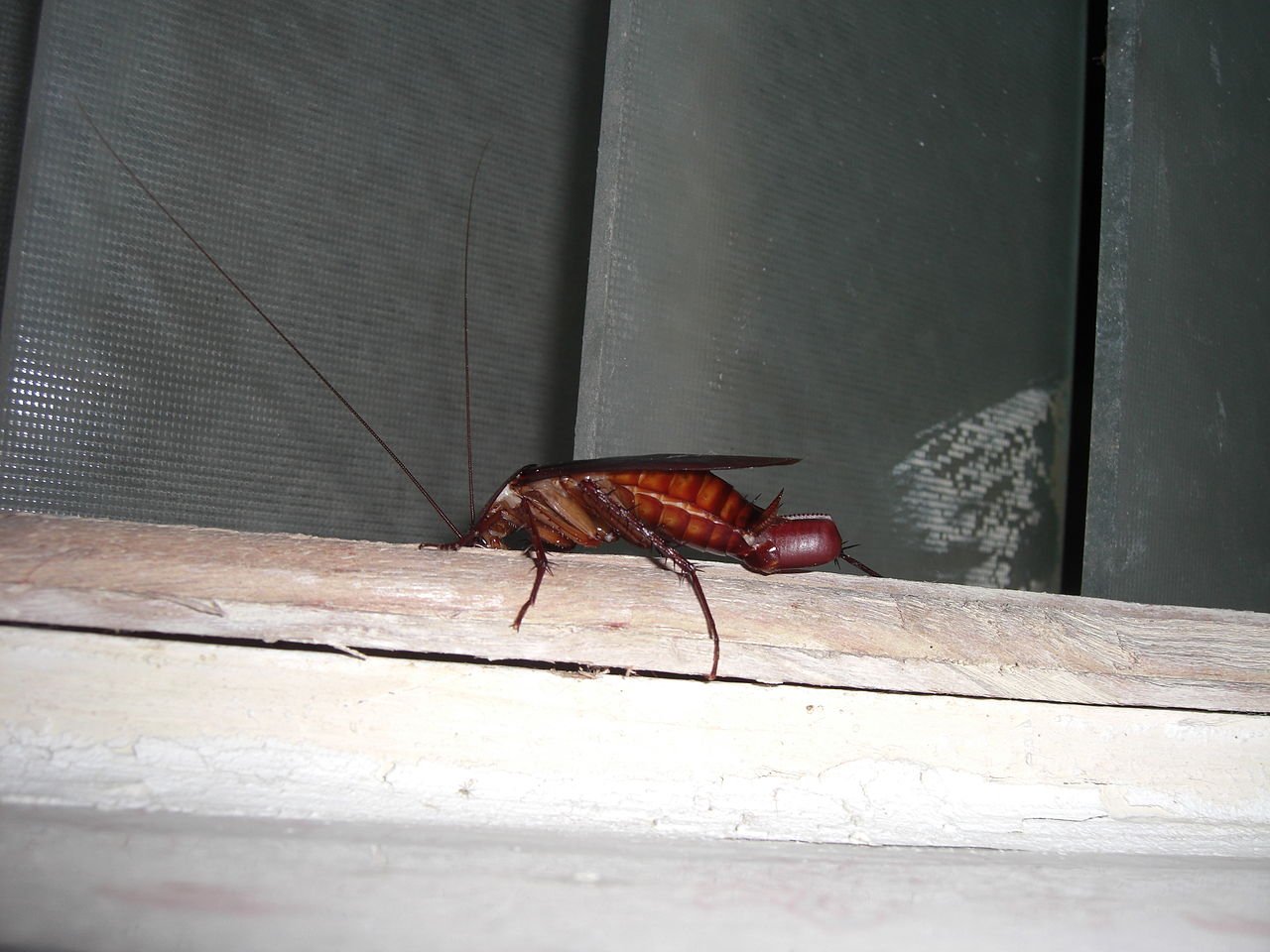
Cooking equipment is the species’ preferred vehicle for the same reasons everywhere: warmth retained in motor housings and insulation, food residue in seams no dishcloth reaches, and dark cavities — roaster jackets, fryer boxes, urn bases — that shelter insects and egg cases through weeks of storage. The circuit adds the tour schedule: equipment sits in varied storage (church basements, garages, the hall’s back room), gets handled by many households, and returns to service warm and food-adjacent. An egg case glued inside a roaster jacket survives the trip, the storage, and the next event’s setup — thirty roaches on a timer, delivered to whichever kitchen hosts the hatch. None of this indicts anyone’s housekeeping: the circuit’s whole point is that equipment crosses many thresholds, and it only takes one.
The Borrower’s Check
The habit that closes the vector, teachable in one sentence: check shared equipment at the door, both directions. Before it enters your kitchen — flashlight the cavities, seams, cord wraps, and box corners for live insects, pepper-grain droppings, or the purse-shaped egg cases; before it goes back — same check, so your kitchen’s history doesn’t ride along. Cardboard is the co-conspirator: equipment stored or transported in old produce boxes inherits the boxes’ passengers, so totes replace cardboard on the circuit permanently. And storage placement matters — a roaster wintered in a dry, cool, checked storage room is inert; the same roaster wintered beside a hall kitchen’s warm compressor corner is a nursery. For the halls themselves — church kitchens, the fire hall, the school’s concession space — a light monitor-and-logbook program does what it does everywhere: catches the introduction at insect three, keeps the health inspector’s visit boring, and protects the circuit at its hubs.
The Rest of the Village File
- The June acquittal: single sightings at porch lights in early summer are wood roaches off the Stillwater tree lines — outdoor species, can’t infest, verdict free by photo
- Confirmed house cases: the single-course standard — gel bait and growth regulator on the harborage map, follow-up check, import route audited, no subscription sold to a detached house that won’t reinfest
- Hall programs: monitor lines and logbooks for the community kitchens, sized and priced for volunteer-run facilities
- No foggers: the total-release can scatters populations into wall voids and equipment cavities — in a circuit town it can even scatter them onto the next loan
The honest summary for a village this size: your roach risk is low, communal, and almost entirely manageable with habits that cost nothing — which is why this page spends its words on the check instead of the treatment. When the circuit does deliver, catching it early keeps it a one-kitchen story, and the free verdict is always the first step. The village’s full pest picture lives on our West Milton service page, alongside the one-block-rule ant file the same geography writes.
Guard the Circuit, Keep the Potluck
One visit sets up a hall’s monitor program or teaches the borrower’s check to anyone who’ll host the roaster next — and the photo verdict stays free for every kitchen on the circuit. The casseroles keep moving; the passengers don’t.
Frequently asked questions
How would roaches even get to West Milton?
Carried — there’s no other route to a village of detached houses. The signature local vector is the potluck circuit: shared cooking equipment touring hall to home to hall, where one warm roaster stored in one infested corner can visit half the congregation’s kitchens in a season.
What should I check when borrowing or returning equipment?
Flashlight the cavities, seams, cord wraps, and any boxes — both directions, every loan. You’re looking for live insects, pepper-grain droppings, and the purse-shaped egg cases glued into crevices: one overlooked case is thirty roaches on a timer.
Is it rude to check equipment someone lent me?
It’s the opposite — the check protects the lender as much as you, and it carries zero accusation: the circuit’s whole point is that equipment crosses many thresholds, and passengers indict a storage corner, not anyone’s housekeeping. Make it the village habit and everyone’s covered.
I saw a roach on my porch in June — is my kitchen in trouble?
Almost certainly not: single early-summer sightings at lights are wood roaches off the Stillwater tree lines — an outdoor species that cannot breed indoors. The photo verdict is free and it’s usually an acquittal.
What if my house has a real case?
One course, honestly priced: gel bait and growth regulator on the kitchen’s harborage map, a follow-up check, and the import audit that closes the route. Detached housing with no shared walls means no reinfection pressure — we don’t sell subscriptions to problems that won’t recur.
Should the church kitchen or fire hall have a pest program?
A light one, yes — monitor lines read on a schedule with a simple logbook, sized and priced for volunteer-run facilities. The hubs protect the whole circuit, and the logbook keeps the health inspector’s visit boring.
Where should shared equipment be stored?
Dry, cool, cardboard-free, and checked — a roaster wintered in a clean storage room is inert; the same roaster beside a warm compressor corner in a busy kitchen is a nursery. Totes replace produce boxes on the circuit permanently.
What does cockroach control cost in West Milton?
Verdicts free, confirmed house cases at a flat single-course price, and hall monitor programs quoted at volunteer-facility rates — because the circuit’s real defense is a habit that costs nothing, and we’d rather teach it than bill around it.