
Morrow sits where the Todd Fork meets the Little Miami — a two-river trail town in Warren County’s southeast whose depot-era core now serves the Scenic Trail’s cycling traffic, whose vineyard hillsides host one of the region’s best-known winery stops, and whose pest file is the purest river-corridor edition on the county roster: double waterways, wooded valley walls, trail-season crowds, and a compact village grid absorbing all of it. Greater Dayton Pest & Rodent covers Morrow and the Salem Township lanes on the southern Warren loops — full service list, two-tier structure, no mileage lines, and the corridor literacy a two-river town deserves.
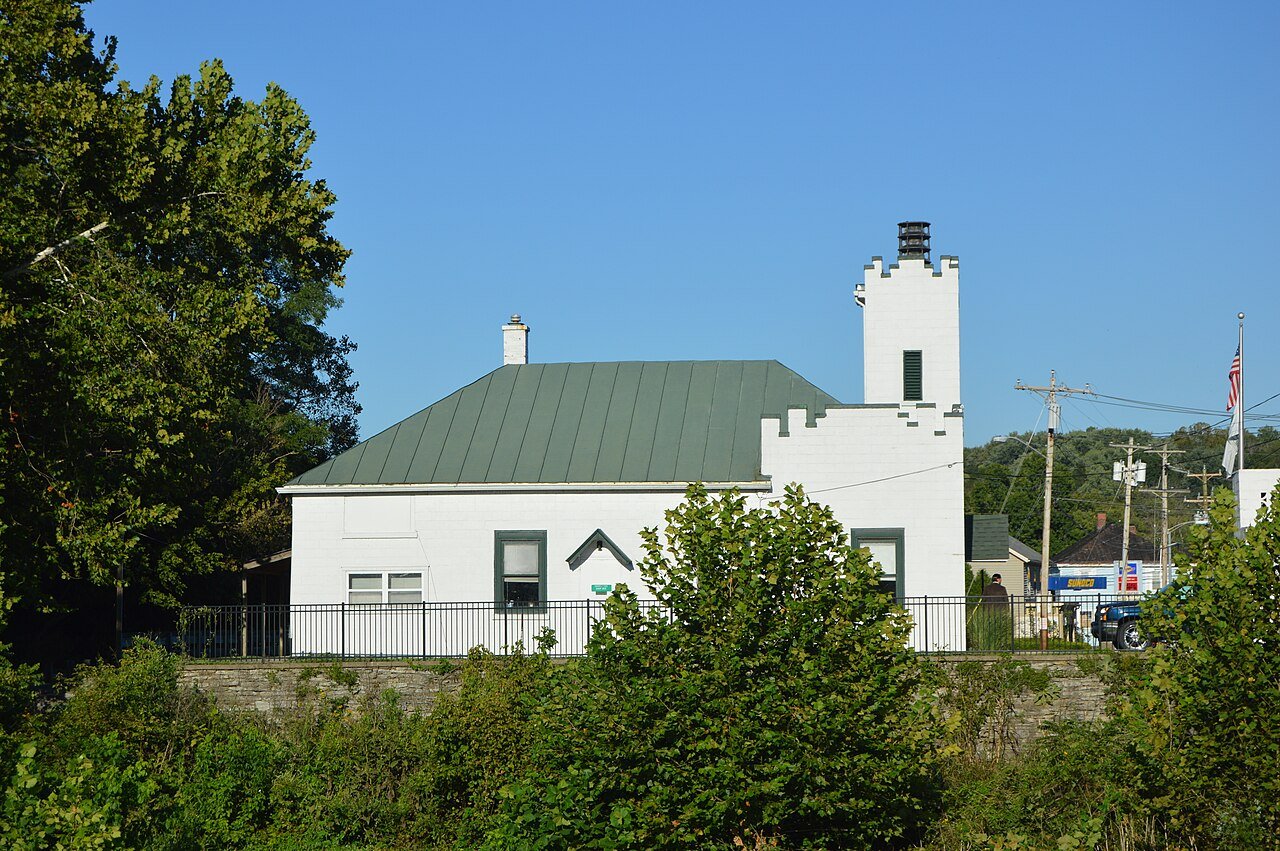
The two-river file
Everything this site knows about river corridors applies to Morrow twice over. The confluence geography runs the valley economy at doubled strength: mosquito seasons long on both low banks (resting-site treatment earns its keep on every riverside block), wet-year pushes sending the corridor’s ground-dwellers upslope from two directions, moisture files keeping village cellars and crawl spaces honest, and the basement guild prosperous wherever humidity holds. The wooded valley walls add the edge lineup — woodland deer mice on the fall push, carpenter ants in the mature slopes, tick margins along every path — and the trail threads it all together, the green ribbon connecting habitat to backyard the way the Franklin page describes on the county’s other river. Corridor doctrine, doubled: defended perimeters on schedule, moisture discipline as religion, September as the anchor, and the valley enjoyed from behind sealed walls.
Trail town, depot bones, vineyard hills
The village’s working parts each carry a chapter. The depot-era core — the rail bones the trail inherited — runs classic old-village stock: frame houses on cellar-era foundations, porch wasp calendars, and the exclusion craftsmanship compact grids reward. The trail economy pulses the food-and-refreshment stops with cycling-season crowds (patio-and-crumb files, scavenger-wasp Augusts, the county’s festival doctrine at weekend scale). And the vineyard hillsides above town add the region’s most distinctive commercial account type: wineries run fruit-and-fermentation insect economies (fruit flies at crush, lady beetle taint risk at harvest — the vineyard’s famous October enemy), event-hosting food service, and outbuilding-and-barn structures on the campus doctrine. Two rivers, one trail, and grapes: Morrow’s file reads like a sampler of the site’s best chapters, and the village is small enough to defend completely.
A Morrow seasonal calendar
- March–May: valley wet-season surges push ants and the moisture guild indoors on the low blocks; termite swarms photograph same-day in the depot-era stock; both rivers open their mosquito seasons; trail traffic returns with the thaw
- June–August: corridor mosquito peak on doubled banks; porch and patio wasps scale with the cycling crowds; the vineyard’s fruit-fly season opens at véraison; spiders prosper at every light on two rivers’ insect economies
- September–October: the corridor double from two directions — woodland and field push meeting invader flights — plus harvest and crush at the vineyards with their lady-beetle vigilance; the September visit anchors the entire valley year
- November–February: interior mouse season in the village stock; exclusion weather; the trail’s quiet months and the cellars’ honest ones
Morrow questions we hear
Riverside village life — are we just signing up for permanent pest pressure?
Permanent pressure, yes; permanent problems, no — the distinction every corridor page on this site draws, doubled here. Confluence geography guarantees the sources (two rivers do not take seasons off), but structures defend identically wherever they stand: the sealed envelope, the September barrier, the moisture-managed cellar, and the yard kept from staging the wild side’s approach. Morrow’s scale makes the whole village defensible in a way cities never are — the coordinate-the-street doctrine works brilliantly on a grid this size — and the households that run the corridor playbook get what every river town promises: the water’s beauty, the trail’s life, and a house that stays out of the ecosystem. Two rivers’ worth of pressure meets one calendar’s worth of defense, and the calendar wins.
Can you actually service a winery’s specific needs?
The account type rewards exactly our documentation-and-placement habits: crush-season fruit-fly programs built on sanitation-and-breeding-site work rather than spray theater (the fruit-fly doctrine at production scale), harvest-window lady-beetle vigilance because taint risk is measured in beetles-per-cluster, event-space food service run to restaurant documentation standards, tasting-room placements that respect both guests and product, and the barn-and-outbuilding campus file for the working structures. Wine country’s pest calendar runs on the vine’s; ours schedules to it, and the hillside operations that host half the county’s celebrations deserve nothing looser.
Warren coverage: county hub · South Lebanon · Maineville · Harveysburg · full service area.
The Morrow lineup, ranked
- Mosquitoes — the doubled-corridor signature; resting-site programs on the low blocks are the village’s highest-relief service (seasonal service)
- Mice — valley pushes from two directions against cellar-era foundations; exclusion-first, September-timed (rodent control)
- The moisture guild — sowbugs, camel crickets, and their spiders in every damp cellar the confluence keeps honest
- Wasps — porches, patios, and the trail-season scavenger file (removal guide)
- Carpenter ants — the valley walls’ mature timber within trunk-trail reach of every roofline (their file)
- Fruit flies & harvest insects — the vineyard file, plus every trail-stop kitchen’s summer
- Ticks — trail margins and valley-wall edges meeting village yards
- Termites — valley moisture plus depot-era sills; annual vigilance and WDI reports for the village’s transactions
What a Morrow first visit looks like
The corridor hour, doubled: cellar or crawl first (the confluence’s truth-tellers), the full foundation lap with moisture attention, porch and outbuilding structures, the yard’s staging file (wood piles, the mulch line, everything holding water), and the valley-wall edge read where lots climb. Trail-stop businesses get the patio-season consultation; the hillside operations get the vineyard walk. Findings photographed, homework separated from invoice, quote before scheduling — and the honest two-tier read, which in Morrow often lands plan-side: doubled permanent pressure is exactly the profile the Protection Plan’s scheduled cadence was built for, and the village’s corridor blocks get more value per visit from it than almost any address on the county roster. One-time work stays honestly available; the geography just argues its own case.
The Peters Cartridge ghost and the corridor’s industrial memory
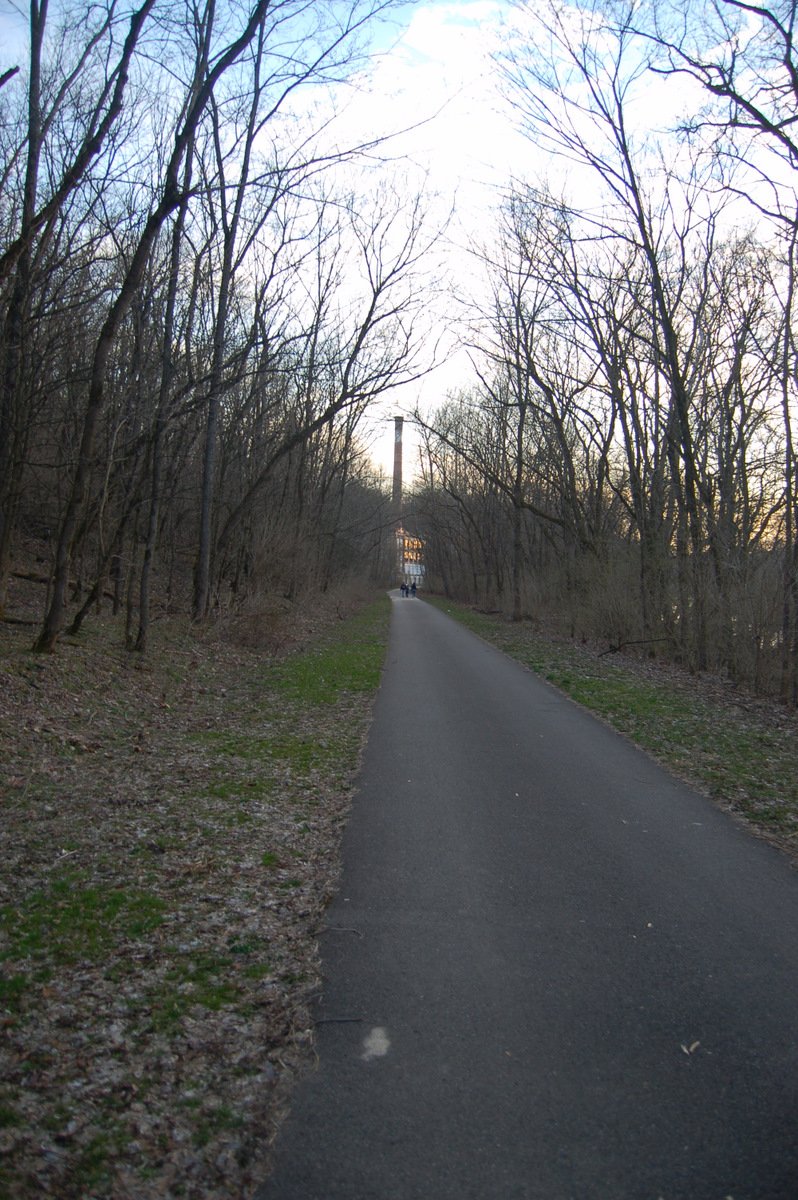
The trail photo above shows the corridor’s most photogenic ghost — the Peters Cartridge works downstream, its shot tower now a trailside monument — and it stands for a chapter Morrow’s valley shares: the Little Miami was a working industrial corridor before it was a scenic one, and its mill sites, rail beds, and repurposed structures carry the industrial-memory pest file wherever they survive. Repurposed and part-vacant industrial fabric accumulates undisturbed wasp and rodent history; rail-bed corridors function as the valley’s oldest wildlife highways; and renovation projects along the water — the trail economy keeps producing them — deserve the pre-work inspections that map what decades left in the voids while walls still open for the fixing. The corridor traded cartridges for bicycles a lifetime ago; the buildings that made the trade keep their histories in the rafters, and reading those histories before reviving the structures is a specialty this valley keeps calling on. The ghosts photograph beautifully; the inspections keep them merely photogenic.
Salem Township and the hillside lanes?
Full campus doctrine on every lane: the township’s farmsteads, horse properties, and hillside places get whole-parcel reads, feed-room-first hardening, equipment on the storage protocol, and September kept — with the valley variables (bottomland moisture, wall-country edges) weighting the checklists exactly as the confluence geography predicts. Township addresses ride the same southern loops as the village at the same no-mileage pricing; the hills above Morrow answer to the same calendar as the blocks below.
Trail-stop businesses: the cycling season’s working file
Morrow’s cafes, canoe liveries, and refreshment stops run their commercial year on the trail’s calendar, and the seasonal file writes itself: patio seasons where outdoor dining meets the corridor’s insect economy head-on (fly management, scavenger-wasp patrols, and the lighting choices that keep evening tables pleasant), weekend surge patterns concentrating food waste on trail-crowd schedules, livery-and-outfitter structures storing gear through winters on the same deer-mouse protocol as every camper on the site, and the shoulder-season deep-service windows the trail’s rhythm hands every operator. Programs schedule to the season rather than the month, documentation runs food-service grade where kitchens operate, and the block-coordination economics of a compact trail town apply commercially exactly as they do residentially. The trail brings Morrow its living; the programs keep the living’s pest chapter backstage where working seasons need it.
One Morrow tip worth the page: the cellar hygrometer
The confluence village’s single-best ten-dollar investment: a hygrometer in the cellar, read weekly. Two rivers’ worth of valley humidity makes Morrow’s below-grade spaces the county’s most honest moisture gauges, and the number on that dial predicts the household’s pest year better than any other single fact — under 50% and the guild starves, the sills stay boring, and the termite file sleeps; over it and the dehumidifier earns its electricity before anything else on this page gets called. Read the dial, run the machine, and half the valley’s classic problems never open their chapters: (937) 569-3330 for everything the dial cannot fix.
For the village’s families and its working stock
The site-wide family standard rides every Morrow visit as default — placed applications, tamper-resistant rodent equipment, stand-off buffers for the vegetable beds and the dog runs, the whole placement-over-potions doctrine — and the village’s rental file gets the small-portfolio version of the landlord playbook: turnover inspections at village prices, cellar checks as serious as kitchen checks in this valley, documented response for the name-basis relationships small-town renting runs on, and the early-report culture that keeps corridor moisture stories apartment-sized. Trail towns cycle residents like they cycle visitors; the programs keep the cycling from compounding.
The bottom line for the two-river town
Morrow’s file is the corridor doctrine at doubled strength plus the county’s most distinctive commercial mix — and it gets the complete standard on scheduled southern loops: moisture-first residential work, trail-season commercial programs, winery literacy on the hillsides, campus reads on the township lanes, and every site-wide promise (free quotes, free photo identification, no mileage lines, the two-tier guarantee) at full strength where the rivers meet. (937) 569-3330, Monday–Friday 8–6, Saturdays by appointment: the confluence covered, the calendar kept. Greater Dayton Pest & Rodent, Ohio licensed — ODA Pesticide Business License #115079 — two rivers down, the whole county to go, and the map filling exactly as promised.
The canoe-and-camper file: recreation’s storage seasons
A river town’s garages hold a river town’s gear, and Morrow’s canoes, kayaks, campers, and trail rigs cycle through storage on exactly the seasonal rhythm the deer-mouse protocol was written for: watercraft wintering hull-up become roofed habitat by November, camper cushions and life-vest bins read as five-star nesting stock, and the spring uncovering ritual — run with gloves and the wet-method cleanup where winter tenants left evidence — is as much a village tradition as the first paddle. The storage-season checklist travels intact: food and bait boxes emptied at haul-out, traps set on cardboard beside the stored hulls, covers chosen for exclusion rather than just weather, and the pre-season inspection that catches the chewed strap before the river does. Households that run it launch clean every spring; the protocol costs twenty minutes per transition and the village’s outfitters have watched it save more than one season opener. The rivers give Morrow its recreation; the checklist keeps the recreation’s storage months uneventful.
DIY or call: the confluence fork
Morrow’s honest split follows the valley’s physics. Genuinely DIY: the hygrometer-and-dehumidifier discipline above (the village’s highest-return self-service), the compact grid’s twelve-doors Saturday, the storage-season checklist, standing-water patrol after every river-valley rain, and the reachable paper-wasp umbrella at dusk. Professional territory: anything the doubled moisture file touches structurally (damp-sill termite questions, chronic crawl spaces, flood-memory cellars), the corridor’s established populations that out-scale counter methods, void and ground yellowjackets per the never-plug doctrine, the commercial and vineyard files entirely, and every third-failure situation where the pattern has already beaten the aisle. The photo line arbitrates daily, village-priced honesty both directions — and the confluence’s households, like river people everywhere, mostly know their own water: send the picture, get the verdict, spend where it counts.
What does village work cost at the county’s southeast corner?
The site-wide answer, corner-proofed: jobs price by work, the loops absorb the map, the cost guide’s ranges apply untouched, and Morrow’s compact grid keeps its exclusion hours honest. The village-scale economics favor coordination as always — a riverside block on one loop day, the trail-stop businesses batching their season starts — and the confluence’s plan-side argument above is a value observation, not a pressure tactic: doubled pressure simply buys more relief per scheduled visit here than most addresses can. Free quotes, free photo identification, and the same number from the Todd Fork to the county line: (937) 569-3330.
Where two rivers meet, the village that grew at the crossing now has its file written the way the water always deserved: completely, honestly, and on a calendar that respects the current. Morrow’s page is live; the confluence is covered.
The heron’s-eye view: reading the valley like its wildlife does
Stand on the village hall bridge at dusk and watch the herons work the Todd Fork, and you are watching the valley’s pest map drawn by its most honest cartographers: the water’s insect column feeding everything above it, the bank burrows and log jams housing the corridor’s ground economy, the wooded walls funneling every species’ commute, and the village’s lights and warmth glowing at the center of it all like the attraction they are. Every structure in Morrow sits inside that drawn map, and the whole art of corridor pest control is redrawing one line of it — the line at your foundation — so the valley’s magnificent traffic flows around the buildings instead of through them. The herons keep fishing, the trail keeps rolling, the vineyards keep pouring, and the sealed village keeps enjoying all of it from the dry side of the line. That is the whole doctrine, confluence edition — and it has been working on rivers a lot longer than this company has existed. We just bring the steel and the schedule.
Licensed by the Ohio Department of Agriculture (Pesticide Business License #115079; applicator #170858 — categories 10A, 10B, and 12), insured, locally owned, and on the southern loops each week — from the trailhead to the vineyard gate, the two-river town rides the schedule now. Free quotes and photo identification every business day; the confluence answers to one number, and it is the same one the whole map shares.
And when the next trail season brings the next wave of visitors wondering how a village this pretty stays this comfortable — the answer is the one this page just spent two thousand words writing down. Welcome to the file, Morrow.
The river keeps its schedule; so do we.
Two rivers, one calendar, zero mileage lines — Morrow, you are covered.
Who actually turns up in Morrow: Greater Dayton Pest & Rodent is owned and operated by Bryan Camden, licensed by the Ohio Department of Agriculture — firm #115079, commercial applicator #170858, categories 10A, 10B and 12. When you call, you talk to the person who does the work. No call center, no rotating crews, and the same technician on every visit.
Frequently asked questions
Do you provide pest control in Morrow?
Yes — the Little Miami river village and its township hills sit on the Warren route days; full service, dedicated page, corridor patterns known.
What pests are most common in Morrow?
River-valley files: floodwater mosquitoes off the Little Miami margins, trail-and-woods ticks, moisture-guild basements in the village core, woodline wasps on the hillsides, and outbuilding deer mice on the township edges.
How much is pest control in Morrow?
Standard formula, no village premium: most homes $39–$55/month quarterly, one-time flat, free estimates: (937) 569-3330.
How do you handle the river-corridor mosquito season here?
Interception honestly framed — barrier timing on the resting vegetation, the container patrol for the tigers, fans for the patio, and the acknowledgment that floodwater waves get managed, not abolished. Corridor villages get our most timing-driven programs.
What about ticks along the bike trail?
Trail-adjacent yards run real pressure — the transition-zone treatment plus the mowed-margin habitat work, and the household permethrin-and-check discipline. The tick page’s program was half-written for corridor villages like Morrow.
How fast can you reach Morrow?
Route days weekly or better — days typically, priority arranged, no travel charges.
Do you serve Morrow businesses?
Yes — the village spots and trail-traffic businesses on matched programs; canoe-livery-and-outfitter seasonal patterns included.
Why does my hillside house get so many wasps?
Woodline economics — the valley slopes’ canopy supplies cavities, prey, and paper-making material; hillside eaves audition accordingly. The spring comb patrol and fall sealing carry the file; globes get honest triage.
Do village basements here need the moisture program?
Mostly yes — valley water tables keep the older stock’s basements humid, feeding the cricket-and-silverfish guild; dehumidifier-first doctrine applies, and the bugs leave with the water.
How do I start service in Morrow?
Instant quote, free photo ID, or (937) 569-3330 — free estimates, route-day scheduling, first visits typically within the week.