West of Dayton on US-35, the subdivisions thin out, the corn and soybean ground opens up, and you cross into Preble County — covered-bridge country, pork-festival country, and some of the best farmland in southwest Ohio. It is also, from a pest control standpoint, a different world than the suburbs: century farmhouses with stone cellars, barns and outbuildings that host their own ecosystems, grain and feed storage with its own pest lineup, and the kind of open-country rodent pressure that a Centerville cul-de-sac never meets. Greater Dayton Pest & Rodent serves all of Preble County — Eaton, Camden, Lewisburg, West Alexandria, New Paris, Gratis, Eldorado, West Manchester, West Elkton, College Corner, Verona, and every township road between them — and this page covers how rural pest control actually differs, what we bring to it, and the dedicated local pages for each community.
Why living in farm country changes your pest problems
The suburban pest playbook assumes one structure, a lawn, and a fence line. A Preble County property is usually a small campus: the house, the bank barn, the machine shed, the grain bins or feed room, the older summer kitchen or smokehouse still standing, and open ground running to the tree line. Every structure has its own pressure profile, and they feed each other — the barn’s rodent population restocks the farmhouse every fall, the feed room’s spilled grain funds the mouse economy that the cats never quite close out, and the equipment stored over winter becomes the deer mouse housing our vehicle-storage protocol exists for. Treating the house while ignoring the campus is how rural pest problems become annual traditions, so our Preble County work scopes the property, not just the front door: exclusion on the house done to the same standard as our twelve-doors playbook, outbuilding assessments that decide where the real reservoirs are, and honest triage about which structures earn sealing versus management — nobody rodent-proofs a 140-year-old bank barn, but everybody can rodent-proof the feed room inside it.
The rural lineup: what Preble County properties actually face
- Field and deer mice — the October push off harvested ground is the defining event of the rural pest year; when the combines run, every farmhouse within a quarter mile of the fields gets tested (mouse-vs-rat guide)
- Cluster flies — the rural specialty: parasites of earthworms in pasture and lawn, overwintering by the thousand in farmhouse attics and south walls, emerging groggy at windows all winter; a September exterior treatment is the whole fix
- Asian lady beetles and fall invaders — soybean ground amplifies the lady beetle cycle, and light-colored farmhouses standing alone against crop fields are the most-hit buildings in the region
- Wasps at scale — barns, equipment sheds, and grain-leg structures grow paper wasp and yellowjacket populations the suburbs never see; August equipment retrieval is sting season
- Termites and powderpost beetles — older frame houses, sill logs, and barn timbers with soil contact; we are 10B licensed for treatment and Category 12 for the WDI inspections that rural real estate and farm lending require
- Stored-product pests — Indian meal moths and weevils in feed rooms and bulk pantry storage; the fix is source-finding, not fogging
- Carpenter bees — barn beams, cedar, and every unpainted board (service page)
- Moles and voles — big lawns bordering pasture run permanent pressure (mole control)
Every Preble County community, covered by name
We publish a dedicated page for each community we serve, because West Elkton’s pest questions are not Eaton’s and neither deserves generic county boilerplate. The Preble County roster: Eaton — the county seat and our Preble anchor; Camden on the county’s south side; Lewisburg on the National Road and I-70 corridor; West Alexandria along Twin Creek on US-35; New Paris at the Indiana line; Gratis in the southeast; Eldorado and West Manchester on the county’s northern farm grid; West Elkton, the old Quaker settlement in the southeast corner; College Corner, the village that straddles the state line itself; and Verona on the Preble–Montgomery seam. Township addresses — Israel, Dixon, Gasper, Jackson, Jefferson, Lanier, Monroe, Somers, Twin, Washington, Gratis, and Harrison townships — are covered under whichever village anchors your mail, and our quotes never care which side of a township line the barn sits on.
Service logistics, stated honestly
Preble County is a real drive from our Salem Ave office — Eaton is about half an hour west, New Paris a few minutes more — and we route it accordingly rather than pretending otherwise: Preble jobs cluster on dedicated route days (usually multiple days per week in season) instead of the same-day dispatch our Dayton core enjoys, urgent situations — stinging emergencies, real-estate deadlines — jump that queue the same as anywhere, and the free photo-identification line matters more out here, not less: a clear photo of the insect, the droppings, or the damage lets us arrive with the right plan and products on the first trip instead of burning a diagnostic visit at farm distances. Quotes remain free and firm before work, pricing runs on the job rather than the mileage, and the re-treatment guarantee travels the full width of the county: on our Protection Plan, if covered pests come back between visits, so do we, covered bridge tolls included (there are none, but the sentiment stands).
What we do not do, and who to call instead
Plain scope, because out here people ask: we are a residential and structural pest control company — houses, barns as structures, outbuildings, feed rooms, offices, and the rental properties and businesses of the villages — and we hold Ohio commercial applicator license #170858 in categories 10A, 10B, and 12. What we are not: agronomic crop application (field spraying is its own licensing world and your co-op’s lane), large-scale livestock parasite management (your veterinarian’s lane), and bulk stored-grain fumigation of commercial elevators (a specialized fumigation license we will happily help you find). The seam between those worlds — the mouse economy around the feed room, flies at the barn as a structural sanitation problem, the wasp colonies in the equipment shed — is exactly where we work daily, and knowing where that seam runs is part of what a licensed company owes anybody who calls it. If your situation straddles it, say so on the phone and we will sort the lanes honestly before anyone spends money.
The century-farmhouse chapter
Preble County’s housing stock skews old in the best way — Federal and Italianate farmhouses from the 1800s, four-squares from the 1910s, and village Victorians on every Main Street — and old rural construction combines the vulnerabilities our historic-district and mid-century pages each cover separately: stone and rubble foundations with softening mortar, balloon framing running open chases cellar to attic, summer-kitchen and porch additions with their seams, cisterns and root cellars nobody has opened since the Nixon administration, and a century of utility retrofits through every wall. Add the rural multipliers — the attached woodshed, the cellar entrance under the porch, the attic that has hosted cluster flies since the Hoover administration — and exclusion work out here is genuinely craftsmanlike: mortar and copper mesh on stone, steel on the grain-room threshold, hardware cloth on the gable vents, and a healthy respect for buildings that have outlasted every previous pest company. It is our favorite kind of work, it is permanent when done right, and it is quoted free like everything else.
The Preble County seasonal rhythm
- March–May: cluster flies emerge confused at farmhouse windows; ant season opens in the villages; termite swarms follow warm rains — free ID on any winged insect, same-day answer
- June–August: wasps build to scale in barns and sheds; carpenter bees work every unpainted board; mosquito pressure rises along Twin Creek and the farm ponds; cicada killers patrol the sandy lanes
- September–October: the big one — harvest pushes field rodents at every structure, lady beetles and invaders mass on the south walls, and the September exterior treatment plus exclusion check is the highest-value visit of the rural year
- November–February: interior season — mice announce themselves, cluster flies trickle from the attics on sunny days, and stored-product moths surface in the feed and pantry; the quiet months are the cheap months to fix it all
The bottom line for the county
Preble County deserves better than being the edge of somebody’s service map, and that is not what this is: dedicated pages for every village, route days built into the week, rural-literate technicians who know a cluster fly from a blow fly and a bank barn from a pole barn, and the same guarantee, licensing, and free-quote discipline that runs every page of this site. Whether the problem is mice in the summer kitchen, wasps over the equipment, lady beetles turning the farmhouse orange, or a WDI inspection the farm loan needs by Friday — the number is the same and the drive is already on our schedule: (937) 569-3330, Monday–Friday 8–6, Saturdays by appointment. Greater Dayton Pest & Rodent: Dayton in the name, the whole Miami Valley — and now the whole of Preble County — in the routes.
Also see: the full service area · Eaton · deer mice · Asian lady beetles · WDI inspections.
Cluster flies: the rural deep-dive this county has earned
Because no pest is more Preble-specific, the full story on the farmhouse’s oldest tenant. Cluster flies are not filth flies — they breed as parasites of earthworms in pasture, hay ground, and lawn, which is why the cleanest farmhouse in the county gets them and why no amount of sanitation touches the problem. Each fall, the season’s final generation seeks overwintering shelter in the tallest, sunniest structure on the landscape — which, on a farmstead, is the house — working under siding, into soffits, and through window-weight cavities into wall voids and attics by the thousand. All winter, every sunny spell or furnace cycle wakes a share of them to bumble at the windows, slow and dopey, infuriating and harmless; come spring the survivors leave to restart the cycle in the worm-rich ground that surrounds the house on all sides, forever. The honest control picture: winter interior treatment is mostly futile (the reservoir is inaccessible and re-supplies daily), the vacuum is the right indoor tool, and the fix is the late-August-to-September exterior barrier on the sun-facing walls, eaves, and entry gaps — the same visit that handles the lady beetles and stink bugs, timed before the first cool snap. Farmhouses on that September schedule measure the difference in windowsills: dozens instead of thousands. It is the single most valuable appointment on the rural calendar, and if your family has been vacuuming January flies for a generation, it is the appointment that ends the tradition.
Preble questions we hear
Do you really come out for one farmhouse call, or is there a trip minimum?
We really come, and there is no hidden mileage line on the quote — the route-day system is precisely what makes single-property Preble calls economical for everyone: your job rides a day when the truck is already crossing the county, which is also why booking a day or two ahead beats demanding this afternoon for anything short of a genuine emergency. Neighbors booking together — a village street or two farms on the same road — make the routing even friendlier, and we will happily coordinate that with you.
Our barn cats handle the mice. Why would we need you?
Barn cats are genuine assets and we would never talk a farm out of them — they suppress the barn’s bold surface mice while the wall-and-granary population breeds past them, and no cat seals a feed room or a farmhouse sill. The winning rural combination is cats outside, steel exclusion on the structures that matter (house, feed room, shop), and trapping inside the sealed envelope — each layer doing what the others cannot. The cats keep their jobs; the mice lose the buildings that matter.
Can you handle the pest inspection for our farm loan or land sale?
Yes — Category 12 licensed wood-destroying-insect inspections with the NPMA-33 reports lenders require, on farmhouses, tenant houses, and the structures a rural transaction sweeps in. Rural WDI work takes rural literacy (a bank barn’s sill log is not a subdivision crawl space), we schedule against closing dates, and agents and lenders across the west county have our number for exactly this. Bring us the deadline; we will beat it.
A note on the bridges (and why they are on this page)
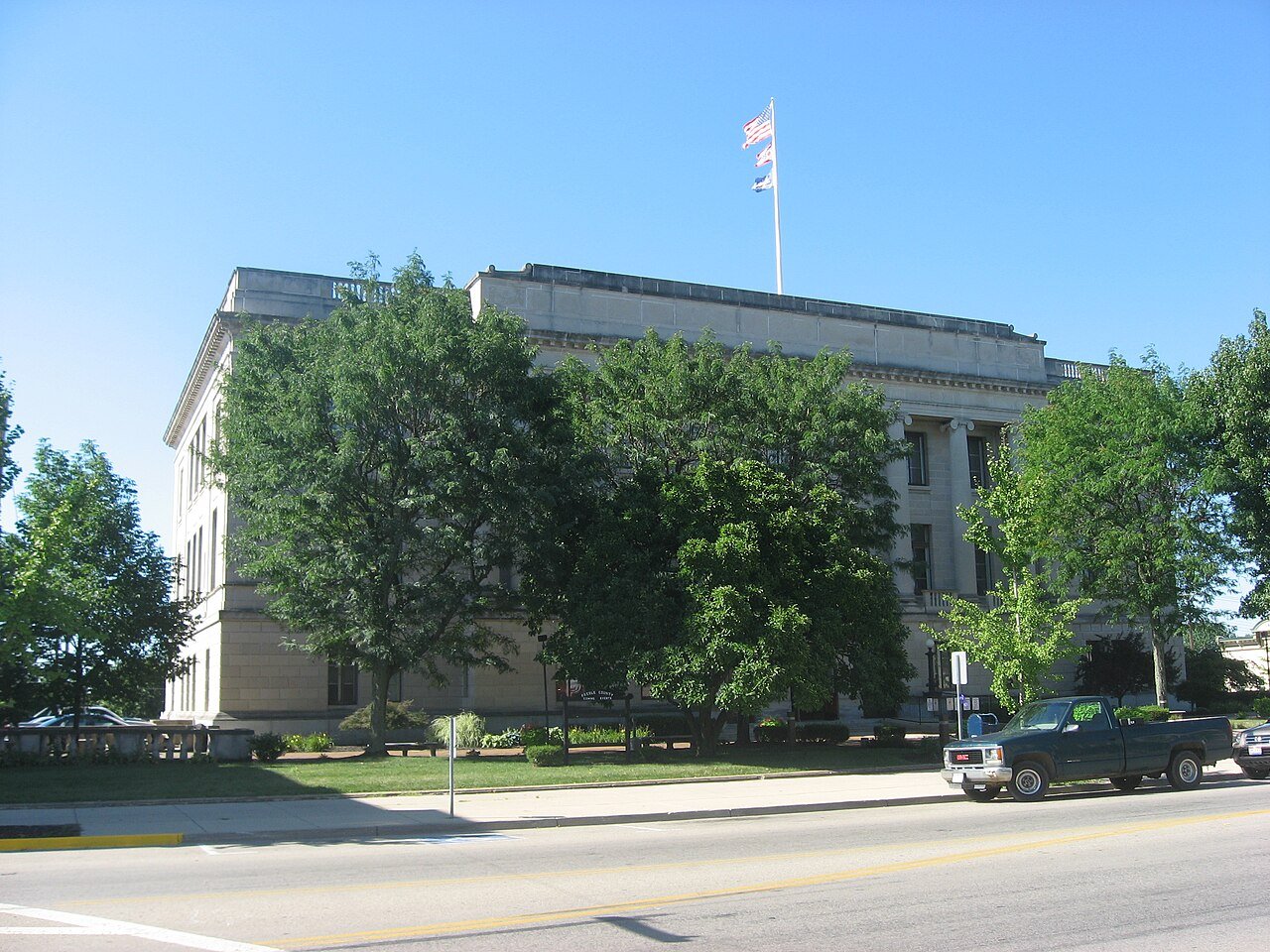
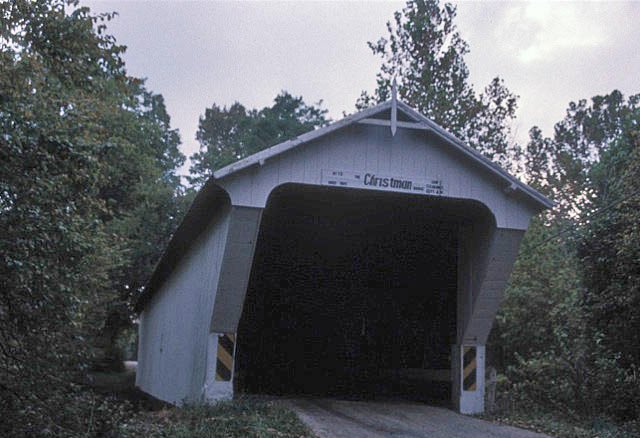
The covered bridges in these photos are not decoration — they are the county’s calling card, and they make a surprisingly good pest control metaphor to close on. Preble County keeps more historic covered bridges than nearly any county in Ohio — Roberts, Christman, Geeting, Harshman, Brubaker, Warnke — and they have survived two centuries for one reason: somebody kept the water off the wood. A roof over a truss is the whole technology, maintained generation after generation, and it is exactly the philosophy this page has been preaching for two thousand words: keep the moisture managed, the entries sealed, and the wood dry, and structures out here last centuries; let the water and the openings go, and the pests are simply the first symptom of the slide. Our work in Preble County is the same trade the bridge-keepers practice — small, unglamorous, permanent interventions that let good buildings keep standing — and we are glad to be on the roads between those bridges every week. When your structure needs its keeper: (937) 569-3330.
We are just over the line in Darke, Butler, or Montgomery County. Covered?
County lines are for auditors, not route trucks. The border communities — Verona and Brookville on the Montgomery seam, the Camden-to-Somerville stretch toward Butler County, the northern farms shading into Darke — ride the same Preble route days, and if your lane is within a bridge’s drive of the county, assume yes and call. The only real boundary is the honest one above: structural pest work we do anywhere; crop and elevator work belongs to its own licenses everywhere. Everything else is just directions, and we are good at those.
One last logistics note for the whole county: because we photograph and document every job, rural customers get something city customers rarely think about — a running written record of their property’s structures, entries, and treatments, which follows the farm through refinances, insurance conversations, and eventual sales. Ask for your file anytime; it is yours, it is free, and more than one Preble closing has gone smoother because it existed.
Licensed by the Ohio Department of Agriculture (Pesticide Business License #115079; applicator #170858 — categories 10A, 10B, and 12), insured, locally owned, and already westbound on US-35 several mornings a week. Preble County, welcome to the service map — properly, by name, village by village below.
The eight-county map: Montgomery County · Greene County · Warren County · Miami County · full service area.
The rural twin. Preble sits at the western edge of the territory and Clark County at the northeastern, and they are the two counties where the farm calendar governs everything. What we learned about pre-harvest exclusion and perimeter bait rings works identically in Pleasant Township and in western Preble — different county, same combine.
Preble is the hinge. It borders Darke County to the north and Butler County to the south, which makes it the middle link in our western chain and the reason the rural doctrine on this page carries straight through all three. Darke adds animal agriculture to it — continuous rather than seasonal rodent pressure — and Butler adds two old river cities and a university town at the southern end.
Frequently asked questions
Do you cover all of Preble County?
Yes — Eaton and the eleven villages (Camden, Lewisburg, West Alexandria, New Paris, Gratis, West Elkton, Eldorado, West Manchester, College Corner, Verona) plus every township between: the county’s only pest library, page by page.
What pests dominate Preble County?
Deep farm country: the harvest rodent surge above all, barn-and-outbuilding wasp economies, fencerow bald-faced hornet globes, grain-adjacent stored-product pests, and the field-edge stink bug flights — with deer mice raising the outbuilding stakes county-wide.
How does Preble County pricing work?
No distance premium ever — route days price Eaton like everywhere else: most county homes $39–$55/month quarterly, farm campuses walked and quoted as the systems they are. Free: (937) 569-3330.
Why do Preble County properties need campus thinking?
Because the outbuildings ARE the pest economy — grain, hay, equipment sheds, and barns hold the populations that resupply every farmhouse, and house-only treatment is a subscription to disappointment. Walked quotes, system pricing, the harvest calendar respected.
How fast can you reach Preble County?
Weekly route days reach every village — days typically, priority arranged faster, no travel charges to any corner of the county.
Do you serve Preble County businesses?
Yes — Eaton’s courthouse-square restaurants and shops, the grain-and-ag operations, and the county facilities’ vendors, each with matched programs and the documentation their inspections expect.
What is the deer mouse situation here?
County-wide and protocol-relevant — the two-tone mice dominate outbuildings and raise cleanup stakes (the ventilate-then-enter rule, the bleach-mist protocol). Every Preble outbuilding inspection assumes them until proven otherwise.
Do the fencerow hornet globes need treatment?
The county grows the region’s biggest bald-faced globes — high and remote ones earn the wait-for-frost verdict free of charge; anything over lanes, lots, or livestock traffic gets the professional protocol. The triage is honest either way.
What about stored-grain pests?
A standing county file — grain-adjacent properties battle weevils, flour beetles, and the rodents that cache seed in walls; the stored-product protocols plus exclusion-and-sanitation consulting fit the farmsteads exactly.
How do I start service in Preble County?
Instant quote from any address, free photo ID, or (937) 569-3330 — free estimates, campus walks on route days, and the same honest triage the whole library runs on.