Waynesville calls itself the Antiques Capital of the Midwest and backs the claim with a Main Street of shops trading in exactly the things pest control people notice professionally: century furniture, vintage textiles, old paper, and aged wood, displayed inside Federal-and-Victorian storefronts whose own bones predate the merchandise. Add the Quaker-rooted village around it, the Sauerkraut Festival’s October crowds, the Little Miami’s trail corridor below town, and Caesar Creek’s lake-and-forest country pressing the eastern edge, and Waynesville runs one of the most distinctive pest files on our whole map. Greater Dayton Pest & Rodent covers the village and Wayne Township on the Warren routes — full service list, two-tier structure, and the antiques-literate, history-respecting service this particular town has every right to demand.
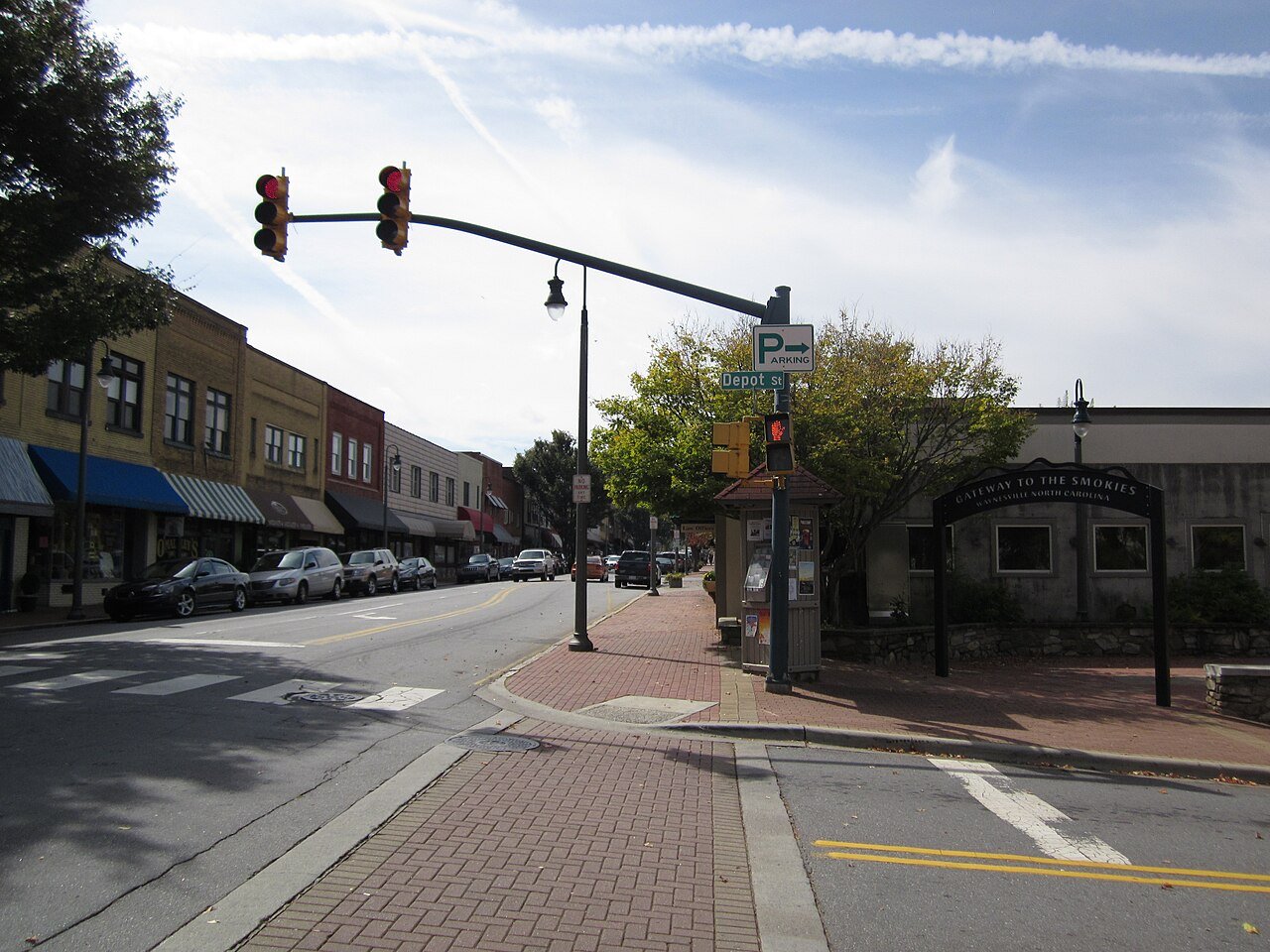
The antiques district: where the inventory is part of the pest file
Most commercial pest work protects buildings from pests; antiques-district work protects merchandise that is itself habitat — and the distinction runs the whole program. Upholstered and textile inventory carries carpet beetle exposure as a standing fact (fabric-pest vigilance is to an antiques shop what drain programs are to restaurants); case goods and architectural salvage can arrive hosting powderpost beetles or old termite galleries whose activity status deserves a professional read before the piece enters stock; paper-and-book dealers run silverfish and booklice files; and the buildings themselves — shared-wall storefronts on stone cellars — add the connected-block dynamics our treat-the-building doctrine exists for. The program that fits: monitoring-forward service (sticky monitors and pheromone traps reading the inventory’s truth continuously), incoming-stock inspection habits we are glad to train staff on, preservation-conscious treatments in the historic fabric, and coordinated block scheduling that respects retail hours. Dealers guard their stock’s provenance obsessively; its biology deserves the same attention, and on this Main Street it gets ours.
Quaker bones, festival crowds, and the village file
The village around the district runs deep-history housing — Waynesville’s Quaker founding predates Ohio statehood, its oldest structures carry two centuries of cellar-and-frame evolution, and the plain-maintenance tradition our West Elkton page honors was practiced here first at scale. The housing file mixes settlement-era survivors (heritage-grade exclusion, old-timber termite vigilance, annual inspection as doctrine) with the village Victorian and twentieth-century stock the site’s standard playbooks cover. October adds the festival pulse: Sauerkraut weekend floods Main Street with one of Ohio’s biggest street festivals, and the county hub’s festival doctrine applies at full strength — pre-festival wasp patrols, tight-lid discipline through the run, the post-season inspection that catches what the crowds seeded. A village this good at hosting deserves a pest calendar that plans for the guests.

The lake and the valley: Waynesville’s wild flanks
Two big habitat systems flank the village. Caesar Creek — the lake, its state park’s thousands of forested acres, and the gorge country below the dam — runs the full wild-edge economy against Waynesville’s east: woodland deer mice on their fall push, carpenter ant colonies working the mature timber, tick margins along every trail-and-yard seam, and the campground-and-marina traffic that keeps the park’s edges busy all season. The Little Miami below town threads the scenic corridor — with Corwin, the village’s river-twin, holding the trailhead — and runs the valley file: long mosquito seasons, healthy spider economies at every light, the corridor’s wet-year pushes. East-side and valley households run the edge playbook without exemption: sealed structures, September barriers, wood lines managed, and the trade — permanent pressure for permanent beauty — accepted knowingly.
A Waynesville seasonal calendar
- March–May: ants wake through the village; settlement-era stock photographs its termite swarmers same-day; the valley opens its mosquito season; dealers’ spring restocking earns its incoming-inspection habit
- June–August: porch and eave wasps scale on the historic stock; lake-country ticks peak; trail-season crowds pulse the shops; carpenter bees work every unpainted outbuilding board
- September–October: the crescendo — woodland and field pushes meeting invader flights, Sauerkraut weekend’s crowd-and-crumb surge, and the pre-festival preparations that keep it all backstage
- November–February: interior mouse season in the old stock; exclusion craftsmanship weather; inventory-monitoring quiet season for the shops
Waynesville questions we hear
Can you treat a shop without endangering the inventory?
It is the specialty this page exists to advertise: antiques-district treatment leads with monitoring, placement, and exclusion precisely because broadcast anything near irreplaceable stock is malpractice — crack-and-crevice applications where chemistry is warranted, dusts confined to voids, fabric-pest responses built around inspection and targeted freezing protocols for affected pieces rather than fogging a showroom, and every product conversation had with the dealer before anything opens. The placement-over-potions doctrine that protects toddlers and retrievers protects Chippendale equally well; the standards transfer intact.
I bought a piece and now something’s boring out of it. Whose problem?
Biologically ours to solve, whatever the provenance: fresh exit holes and powder-fine frass from a recent purchase mean live wood-borers (powderpost beetles most often), the piece wants isolation from other wood furniture today, and the response options run from targeted treatment to freezing protocols depending on the piece’s construction and finishes — a conversation we have with dealers and buyers alike, photo-first as always. The reassurance: borers in a movable piece rarely threaten the house (structural timbers are a different moisture world), and the dealer-etiquette version of this story — who tells whom, and how the district keeps its stock clean collectively — is exactly the standing-relationship service our shop programs exist to provide. The antiques trade has managed wood-borer risk for centuries; we just bring the current tools.
Does the festival really change the village’s pest year?
Measurably and briefly: one of Ohio’s largest street festivals concentrates a small city’s worth of food traffic onto a few blocks for one October weekend, the scavenger response (yellowjackets in the warm years, rodent interest in every year) follows the calories, and the host-block businesses that run pre-festival patrols and tight-lid discipline spend the following month bored while the unprepared spend it calling. The village has the hosting down to an art; the pest calendar just joins the committee. And the kraut itself, for the record, attracts nothing — the funnel cakes do the recruiting.
Warren coverage: county hub · Corwin · Harveysburg · Lebanon · full service area.
Settlement-era housing: the deep-stock file
Waynesville’s oldest houses reach back past Ohio statehood, and the deep stock runs the full heritage playbook this site has refined across its historic pages: hand-laid foundations whose lime mortar has fed two centuries of fall pushes, sill timbers whose moisture history makes annual termite vigilance doctrine rather than caution, balloon-and-earlier framing running open chases cellar to attic, and the reversible-craftsmanship standard — copper mesh, lime-compatible mortar, void treatments through existing access — that lets exclusion serve preservation instead of scarring it. The Quaker builders’ plain-thorough ethic left housing worth every hour of that care, and the village’s stewardship culture (this is a town that maintains things) makes the work stick: sealed old houses here stay sealed, inspected old houses stay known, and the settlement-era file becomes what it should be — a maintenance rhythm, not a crisis genre. Two centuries of keepers have handed these houses forward; our trade just joined the relay.
The trail-town economy and Corwin’s shared valley
Below the village, the Little Miami’s trail brings the corridor’s bicycle-borne economy through Corwin — Waynesville’s across-the-river twin — and the two communities share the valley file the way seam towns always do: one corridor, one mosquito season, one wet-year push, one trailhead pulse of seasonal traffic feeding the shops and cafes above. Valley-block households in either town run the corridor playbook (defended perimeters, moisture discipline, the long-season awareness), the trail-adjacent businesses run patio-and-crumb seasons worth planning for, and the twin-town routing means one loop day covers both sides of the river — coordination the villages have practiced in everything else for two hundred years. The river divides the addresses; the doctrine, as always on this map, refuses to notice.
The Waynesville lineup, ranked
- Mice — the deep-stock cellars year-round, the lake-and-field push each fall (rodent control)
- Fabric-and-wood inventory pests — the district’s signature file: carpet beetles, powderpost beetles, silverfish among the paper
- Wasps — historic eaves, shop awnings, and the festival-season scavenger surge (removal guide)
- Carpenter ants — the lake country’s mature timber working every satellite-worthy void (their file)
- Termites — settlement-era sills demand the annual habit; WDI reports serve the village’s active old-house market
- Ticks — Caesar Creek’s margins meeting every east-side yard
- Mosquitoes — the valley season on the low blocks (seasonal service)
- Fall invaders — lady beetles and cluster flies on the sunny historic siding (the October file)
What a Waynesville first visit looks like
Scoped to your Waynesville: shop visits walk the inventory-and-building double file (monitoring placements, incoming-stock habits, the cellar’s connected-block truth); deep-stock house visits run the heritage hour — foundation lap with mortar-and-mirror attention, sill-line reading, porch and roofline structures, the attic’s two-century record; village-standard homes get the efficient twelve-doors circuit; and east-side and valley properties add the edge audit — wood lines, trail margins, the staging habitat within a colony’s commute. Findings photographed, homework separated from invoice, quote written before scheduling — and for the dealers, the standing-program conversation that turns one visit into the district relationship the trade actually needs. History-town inspecting is slow by design; the town’s whole brand is that some things are worth the care.
For the dealers: the incoming-stock discipline, written down
Because the district’s pest security is collective — one infested consignment can seed a block — the incoming-stock discipline deserves its public version. Upholstered pieces get the daylight seam inspection before the sales floor (the card-edge technique transfers from bedbug work intact), with quarantine-or-treat for anything ambiguous. Case goods get the frass check: fresh powder below wormholes means live borers, and live borers mean isolation today. Textiles get bagged transit and, where history warrants, the freezer protocol (0°F, the four-day standard, kind to most fibers and lethal to everything larval). Paper lots get dry storage from hour one — silverfish insurance costs a dehumidifier. And the district-wide version: monitors read on schedule, findings shared the way this town has always shared its trade knowledge, and one company on the block programs keeping the whole street’s baseline honest. The dealers wrote the book on provenance; the biology chapter just needed a local co-author, and this page volunteers.
Do the shops’ upper floors and back buildings need their own attention?
Emphatically — the district’s uppers (storage, workshops, the occasional apartment) and back buildings (barns-turned-warehouses, summer kitchens turned stockrooms) are where inventory overflow meets unvisited-space dynamics: undisturbed wasp colonies, the storage-room mouse economy, and fabric-pest reservoirs breeding above the monitored sales floors. Every district program we write includes them; every dealer who has cleared one knows why. The showroom is the storefront’s face; the uppers are its attic truth — and this trade of all trades knows what attics hold.
The bottom line for the antiques capital
Waynesville runs three files nowhere else on our map combines: an inventory trade whose stock is habitat, a settlement-era housing book two centuries deep, and a wild double-flank of lake and scenic river — and it gets a program built for exactly that combination: monitoring-forward district service with incoming-stock literacy, heritage-grade craftsmanship for the deep stock, full edge doctrine on the flanks, festival-calendar readiness each October, and every site-wide promise (free quotes, free photo identification, the two-tier guarantee structure, no mileage lines) at full strength on the Warren routes. The town that curates the Midwest’s history deserves pest control that treats its own buildings and its merchandise as the artifacts they are — (937) 569-3330, Monday–Friday 8–6, Saturdays by appointment, and gladly by festival-season arrangement. Greater Dayton Pest & Rodent, Ohio licensed — ODA Pesticide Business License #115079: antiques-literate since this page, history-respecting since always.
One Waynesville tip worth the page: the freezer is the district’s best friend
For dealers and collectors alike, the single most useful tool this page can hand over is the chest freezer’s rehabilitation: 0°F for four sealed days clears textiles, small upholstery, paper lots, and most smalls of every larval passenger — no chemistry near the merchandise, no residue on the finish, no risk to dyes that cold-tolerate (test the exceptions). It is the antiques trade’s cleanest quarantine, it turns “ambiguous provenance” into “cleared stock” for the cost of patience, and the district that adopts it collectively raises its whole baseline. The technique pages linked throughout carry the details; the freezer carries the trade.
Township lanes and the lake’s working edges
Wayne Township’s lanes around the village run the county’s campus doctrine in full — farmsteads read whole, feed rooms hardened first, equipment on the storage protocol, September kept — with the lake country adding its particular working edges: the marina-and-campground service economy whose seasonal structures get seasonal programs, the park-boundary properties whose wild-side pressure runs highest in the county, and the gorge-country places below the dam where the valley’s oldest microclimates keep moisture files interesting. Rural Waynesville addresses get the same no-mileage quoting as the village, the same route days as the district, and the same honest triage the whole county build-out promised: what earns steel, what earns management, what earns a shrug — in writing, with photographs, before a dollar moves. The township kept this corner of Ohio worth visiting; the doctrine keeps its buildings worth keeping.
What does district and village work cost here?
The site-wide discipline holds — free firm quotes before work, job-priced never map-priced, the honest ranges published in the cost guide — with two Waynesville-specific notes: district monitoring programs price kindly because block coordination is this street’s native language (shared route days across cooperating shops tighten everyone’s number), and heritage-house exclusion prices as the craftsmanship it is — more hours than a ranch, worth more than the difference, and quoted transparently by scope. The village that knows the value of well-made old things prices no shock; the trade appraises honestly in both directions, and so do we: (937) 569-3330.
The Antiques Capital earned its title by understanding that old things survive when someone knows exactly what they are and cares for them accordingly — a philosophy this company recognized on arrival, because it is the whole argument of every page on this site applied to buildings instead of furniture. Waynesville’s shops appraise, conserve, and keep; so do we, one sealed foundation and monitored stockroom at a time — and the town where history is the local industry now has its pest file curated to match. Main Street’s page is live; its cellars are in good hands.
Licensed by the Ohio Department of Agriculture (Pesticide Business License #115079; applicator #170858 — categories 10A, 10B, and 12), insured, locally owned, and on the Warren routes weekly — from the Sauerkraut Festival’s Main Street to the last lane before the lake, the antiques capital is covered by name.
And whenever a specific piece, porch, or cellar wants a specific verdict, the district’s photo line works exactly like everyone else’s: one clear picture, one honest answer, usually within the business hour — the trade’s oldest habit, appraisal on sight, extended to everything that crawls.
Who actually turns up in Waynesville: Greater Dayton Pest & Rodent is owned and operated by Bryan Camden, licensed by the Ohio Department of Agriculture — firm #115079, commercial applicator #170858, categories 10A, 10B and 12. When you call, you talk to the person who does the work. No call center, no rotating crews, and the same technician on every visit.
Frequently asked questions
Do you provide pest control in Waynesville?
Yes — the antiques-capital’s historic Main Street and its township edges sit on the Warren rotation, with the Little Miami valley shaping the local calendar.
What pests are most common in Waynesville?
Historic-village files: old-stock foundation mice, cavity wasps in the 1800s walls, moisture guilds in the era’s basements, woodline pressure from the Little Miami corridor, and the antique-trade’s own hazard — furniture-riding hitchhikers (clothes moths, carpet beetles, the occasional bed bug).
How much is pest control in Waynesville?
County formula: most Waynesville homes run $39–$55/month quarterly; one-time flat; shop programs for the Main Street trade. Free: (937) 569-3330.
Do antiques really carry pests?
The trade’s honest occupational fact: upholstered pieces, wool textiles, and old case goods can ship clothes moths, carpet beetles, and worse. The quarantine-and-inspect habit (and the freezer protocol for textiles) belongs in every dealer’s and collector’s toolkit; we consult on it regularly.
Do you know the historic Main Street buildings?
The 1800s stock is preservation-protocol territory — masonry-safe exclusion, reversible exterior work, cavity-species experience, and the merchandising-conscious placements a shop full of browsable inventory demands.
How fast can you reach Waynesville?
Days typically on the Warren rotation, priority faster, no travel charges.
Do you serve Waynesville businesses?
The Main Street shops are a specialty — documentation-ready programs that respect open-shelf retail, plus the restaurants and the festival-season (Sauerkraut weekend) prep treatments the crowds justify.
What about the Little Miami corridor pressure?
Real — the valley delivers floodwater mosquitoes, woodline wasps, and deer-mouse edges to the adjacent streets; corridor-side properties get the edge-lot program emphasis.
Is termite monitoring important for the historic stock?
Emphatic yes — age, stone foundations, and generations of landscaping stack the conducive conditions; no-drilling bait systems suit the era’s buildings precisely. Free annual inspections regardless.
How do I start service in Waynesville?
Instant quote, free photo ID, or (937) 569-3330 — free estimates, shop consults on route days, first visits typically within the week.
Waynesville Pest Control, Service by Service
Waynesville’s pest files, written from the antiques trade and the village’s historic fabric — specific, not templated:
- Termite control in Waynesville — the inventory file, building and stock
- Cockroach control in Waynesville — the dealer’s dock, provenance for the six-legged question
- Rodent control in Waynesville — the inventory winter, kept off the quilts
- Ant control in Waynesville — the third intake file, read at the dock
- Wasp & hornet removal in Waynesville — the display porch, swept on retail rhythm
- Termite inspection in Waynesville — what an inspection actually covers, what it costs, and why a sale here rarely forces one.