Waynesville sells from its porches — wicker on the boards, wardrobes under the overhangs, garden pieces along the walks — and the town’s wasps treat that merchandising as municipal housing. Wasp and hornet removal in the antiques district runs through the display economy: every porch overhang is founding real estate above browsing customers, every hollow-backed wardrobe and cavity-rich garden piece parked outdoors for a season is nesting stock, and the mud daubers — harmless everywhere else — commit a crime here that no other town’s file lists: they build on the inventory. A dauber’s mud tube cured onto a painted cupboard or carved detail lifts finish when it’s removed, and on the wrong piece that’s a three-figure tax on a free insect. We call it the display-porch file, and it runs on retail rhythm: swept for the browsers, checked on the stock, and honest about which wasps cost money and which just look like they should.
The Porch Economy’s Three Files
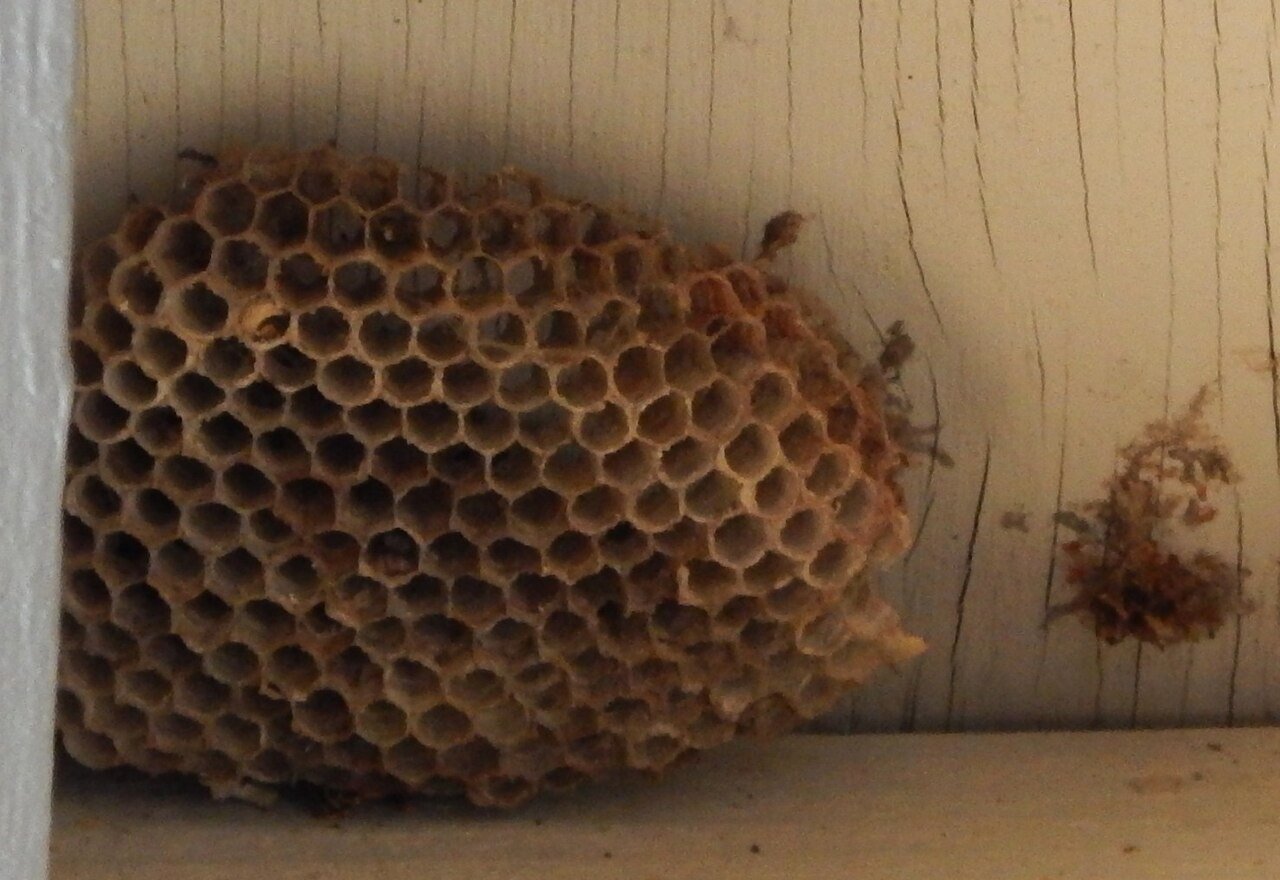
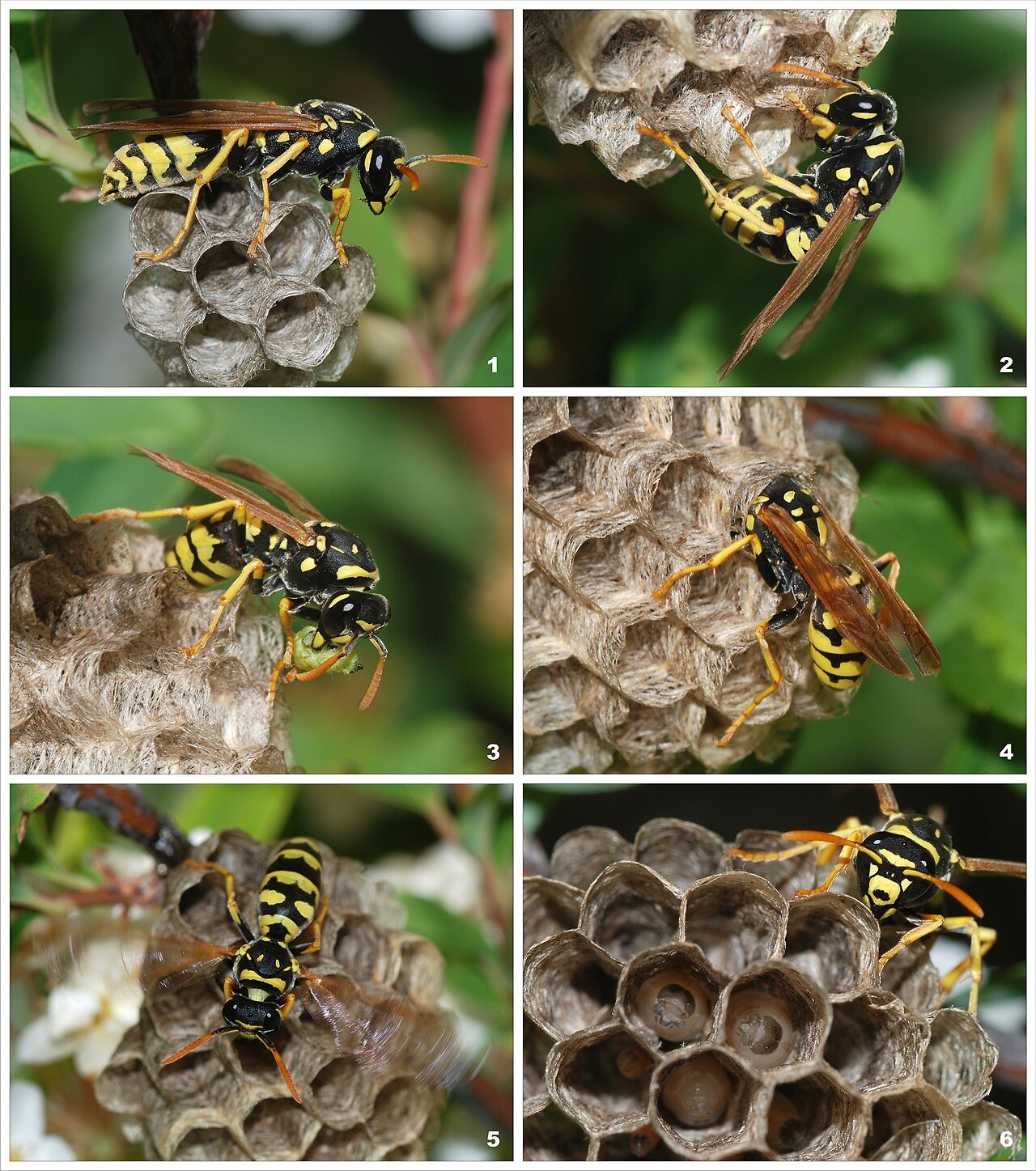
File one, the overhangs: paper wasps founding above the browse line — classic covered-porch real estate, cleared in the April circuit at broom stage and watched through the season, because a July nest over a display porch trades directly against the shop’s foot traffic. File two, the stock itself: outdoor-displayed pieces with cavities — hollow backs, drawer voids, urn interiors, the undersides of anything with skirts — get colonized by paper wasps and, in the tubes and voids, the occasional yellowjacket start; the weekly display walk (a browsing pass with a flashlight, honestly) catches founders before customers do. File three, the mud tax: daubers plaster tubes onto stored and displayed surfaces all summer, and the counsel is prevention-shaped — the highest-value pieces display under cover or inside, fresh mud comes off soft (damp cloth, same week, before it cures), and cured tubes on finished surfaces get the conservator’s touch, not the scraper. The daubers themselves stay unconvicted: solitary, sting-averse, and doing free spider control over a district full of cellar spiders — the file taxes their masonry, not their existence.
Festival Honesty
October’s festival weekend draws the town’s biggest crowds after most colonies have died — the calendar’s gift — but warm Octobers keep late yellowjacket foragers working any food scent through the first hard frost, and a street of kraut and fair food on a seventy-degree weekend earns the standard event kit: lidded trash at density, stations away from the vendor lines, and cleanup on schedule. The pre-festival pass matters less here than in the September-festival towns; the trash discipline matters exactly as much. That’s the honest calibration, and the organizers who run it keep the weekend’s stories about the sauerkraut.
The Waynesville Ledger, Complete
This page closes the town’s five-file set, and the trade ran through every one: Waynesville’s pest program is provenance extended to everything that moves — the building-and-stock termite file, the dealer’s dock, the third intake file, the inventory winter, and the display porches swept on retail rhythm. Five files, one trade, one standard: everything gets read — and the whole set lives on our Waynesville service page.
- The April circuit: every overhang, porch ceiling, and display structure on the district, swept at founding stage
- The display walk: the weekly stock pass taught free — cavities checked, fresh mud wiped soft, founders caught before customers
- The mud-tax counsel: cover for the high-value pieces, same-week soft removal, and the conservator referral for cured tubes on finish
- The standing files: void colonies killed-then-sealed, ground nests flagged and treated, and the festival’s trash kit run to the honest October calibration
Sweep the Porches, Save the Finish
One April circuit clears the district’s overhangs, one weekly habit guards the displayed stock, and the mud tax gets paid in damp-cloth minutes instead of conservator invoices. The browsers keep browsing; the founders never open.
Frequently asked questions
Why do the antique shops’ porches get so many wasps?
Retail merchandising doubles as municipal housing: covered overhangs above the browse line are prime founding real estate, and outdoor-displayed pieces — hollow backs, urn interiors, skirted undersides — are cavity stock. The April circuit and the weekly display walk keep both files closed.
What is the mud on my displayed furniture, and does it matter?
Mud dauber tubes — harmless solitary spider-hunters, but their masonry cures onto finish and lifts paint or patina when removed dry. Fresh mud wipes off soft with a damp cloth the same week; cured tubes on finished surfaces deserve the conservator’s touch, not a scraper.
How do I stop daubers from building on the inventory?
Prevention-shaped counsel: the highest-value pieces display under cover or inside, the display walk catches fresh starts weekly, and the daubers themselves stay welcome — they’re doing free spider control over a district full of cellar spiders. Tax the masonry, not the mason.
A customer found wasps in a wardrobe — how do we prevent that?
The weekly display walk: a browsing pass with a flashlight over every cavity — backs, drawers, urns, undersides — catching founders at the comb stage. Anything with patrol traffic gets professional removal before the next browser opens the door.
Does the October festival have a wasp problem?
Less than September festivals — most colonies are dead by the weekend, which is the calendar’s gift — but warm Octobers keep late yellowjacket foragers on any food scent until hard frost. The trash kit (lidded, dense, away from vendors, emptied on schedule) is the honest answer.
Can I knock down the nest over my shop’s porch myself?
April’s founding comb, yes — dusk and a broom. Anything patrolling above a doorway your customers use is our ladder: alarm defense over foot traffic is the wrong gamble for a retail threshold, every time.
What about wasps in the shop buildings themselves?
The historic-district standards apply: void colonies in the old walls killed before sealing — never the reverse — and the fall gap-closure walk that retires next spring’s listings while the architecture’s empty.
What does wasp removal cost in Waynesville?
District accounts run the April circuit plus on-call season service per storefront; single nests flat-rate; and the display-walk habit — the file’s best tool — costs nothing but the weekly five minutes we’ll gladly teach.