
Heat is the one weapon bed bugs have never evolved around: no resistance genes, no hiding from physics, no surviving it at any life stage. But “heat kills bed bugs” is only useful with numbers attached — the temperatures, the exposure times, and the honest engineering of getting lethal heat into a screw hole in the middle of a bed frame. This guide is the complete thermal reference: the kill thresholds for every life stage, what the clothes dryer and steamer genuinely accomplish, why the space-heater-in-a-closed-room plan fails dangerously, what cold can and cannot do in an Ohio winter, and how professional whole-room heat actually reaches the last egg. Plus the “instantly and permanently” question everyone is really asking, answered without marketing.
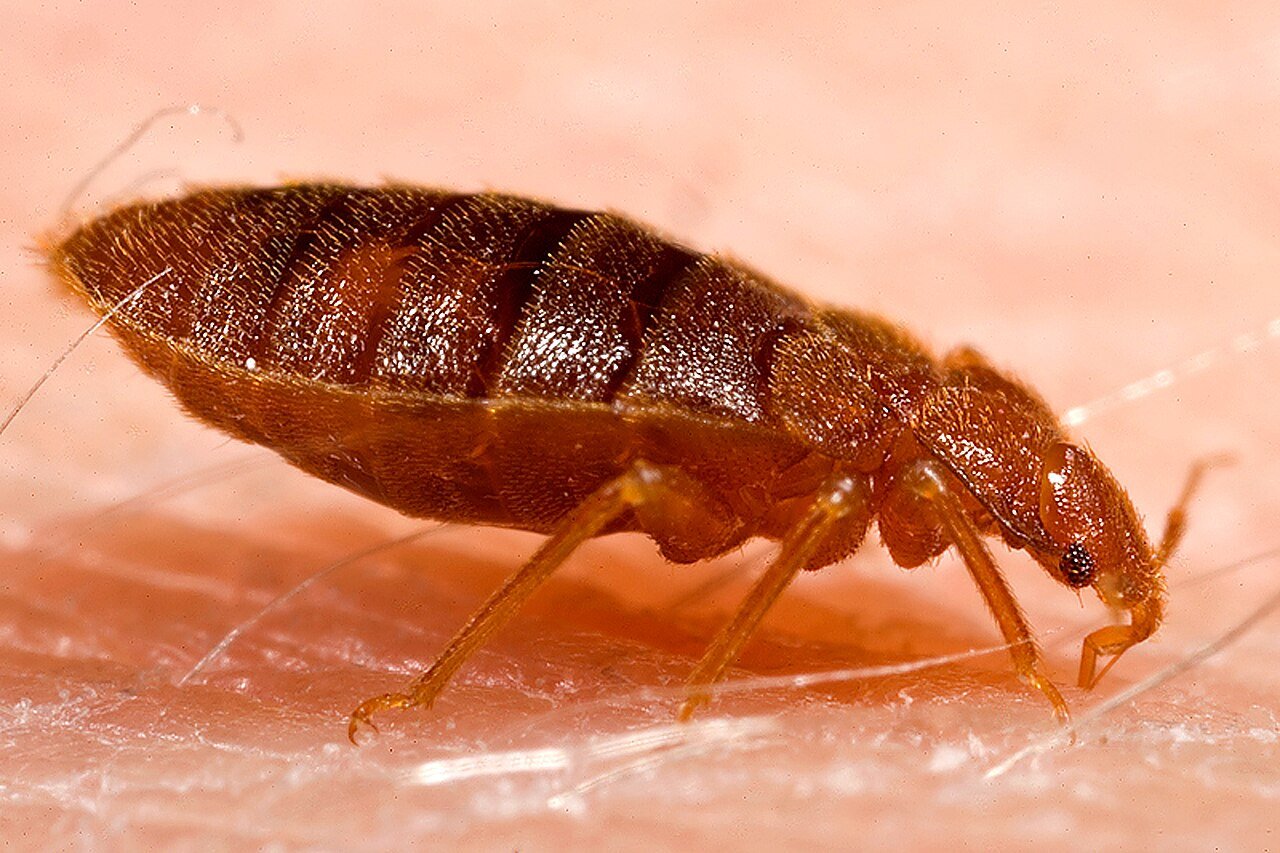
The numbers: thermal death points by life stage
- Adults and nymphs: die at 113°F (45°C) with sustained exposure — roughly 90 minutes at that floor; at 118°F (48°C), death comes in about 20 minutes
- Eggs: the tough stage — 118°F sustained for 90 minutes, which is why every serious protocol targets egg numbers, not adult numbers
- Everything, instantly-ish: at 122°F (50°C) and above, all life stages die within a minute — the practical target professional heat treatments hold room contents at
- Cold: 0°F (-18°C) sustained for about four days kills all stages — note sustained: the freezer must hold temperature through the item’s core, and household freezer doors opening daily stretch the clock
- What does not work: 100–110°F warm spells, sunny cars in spring or fall, Ohio garages in January (they rarely hold 0°F for days), and any heat that arrives slowly enough for bugs to retreat deeper
Memorize one number if you memorize any: 122°F everywhere, and it is over. The entire craft of thermal pest control is the word “everywhere.”
The killing temperature has to reach the middle of the mattress and hold there, which is the part a dryer cannot do for a room. That is bed bug treatment in Dayton.
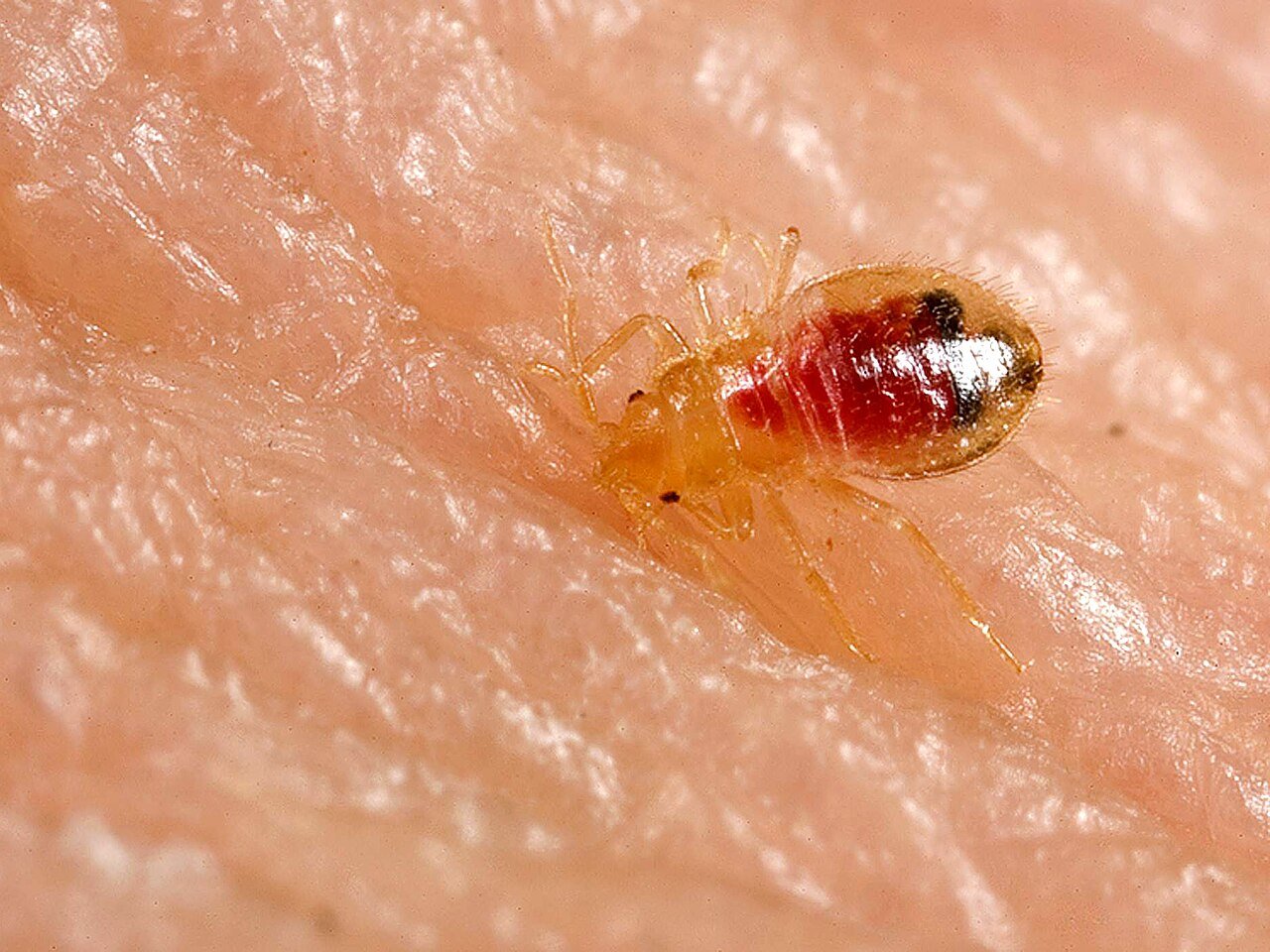
“Instantly and permanently”: two different questions
The search phrase “what kills bed bugs instantly and permanently” smuggles in a hope worth unpacking, because instantly and permanently are answered by different tools. Instant kill — on contact, of the bugs you can see and reach — is easy and nearly worthless alone: steam does it, 122°F does it, contact sprays and even rubbing alcohol do it, and none of them touch the population you cannot see, which is most of it. Permanent elimination is a coverage-and-timeline achievement: lethal conditions or residual chemistry reaching every harborage, plus the egg-hatch window closed by follow-up. The honest formulation: heat kills instantly where it reaches, and permanence is the art of reaching. Every failed DIY story and every “they came back” review on every company in America is a coverage failure wearing a chemistry costume.
The DIY heat arsenal, honestly graded
The clothes dryer: A
The single best thermal weapon a household owns. A high-heat cycle runs well past 122°F, and 30–40 minutes kills every stage on anything that tumbles — bedding, clothing, stuffed animals, backpacks, curtains, shoes that tolerate it. The technique notes that matter: dry loose (an overstuffed drum leaves cool cores — the exact failure mode), run items already dry (the cycle is for heat, not drying time), and bag items airtight on the way to the machine so the trip does not seed the hallway. The dryer is also the travel-return ritual that prevents infestations outright: suitcase contents straight in, high heat, before anything touches a bedroom. Families that adopt the habit after one scare rarely have a second.
The steamer: A– (with technique)
Steam exits the nozzle far above lethal — the grade drops only for operator speed. The rules: a real steamer (garment or multi-purpose, ideally with adjustable flow), moved at about one inch per second — slower than feels natural — with the head close enough that the surface reads too hot to touch behind it. Work the egg territory: mattress piping, box spring frame, bed frame joints, baseboard gap behind the bed, couch seams. Steam kills eggs on contact, penetrates fabric a short distance, and leaves no residue — its weakness is reach (it will not chase bugs deep into wall voids) and the human tendency to wave it like a wand. Slow is lethal; fast is theater.
The space-heater room bake: F, and dangerous
The tempting logic — “professionals heat the whole room, I own three space heaters” — fails on physics and flirts with tragedy. Consumer heaters cannot push a furnished room past the thresholds (they top out heating air while walls, furniture cores, and floors sink the heat away), so the room stabilizes in the bug-comfortable 90s — warm enough to scatter the population deeper into walls and adjacent rooms, not hot enough to kill anything hidden. Meanwhile, extension cords and heaters running unattended at maximum for hours is a genuine fire scenario the fire service warns about specifically. Worst outcome available in the DIY catalog: infestation spread, home at risk, money spent. Skip it entirely.
Sunny car, black bags, attic in July: C–, situational
A closed car in full Ohio summer sun can exceed 140°F on the dash — but shaded footwells and seat interiors can lag 40 degrees behind, and spring or fall sun does not deliver. Black plastic bags in direct July sun work for thin, small loads with a thermometer probe verifying 122°F+ in the core for an hour — the verification being the step everyone skips and the reason the method under-delivers. Treat these as bonus tools for overflow items during a real treatment, never as the treatment.
The cold side: what freezing genuinely offers
Cold works — slower, narrower, and with more caveats than heat. The standard: 0°F held four days, measured where the bugs are, meaning a chest freezer that actually reaches and holds zero (many kitchen freezers hover higher, and door traffic resets the clock), items bagged and given time for their cores to reach temperature before the four-day count starts. Cold’s legitimate niche: the un-heatables — electronics, books, framed photos, delicate fabrics, kids’ items that cannot tumble. Cold’s failures: the Ohio winter fantasy (“leave the mattress in the garage in January”) — our winters oscillate through freeze-thaw and rarely sustain 0°F for one day, let alone four, while bed bugs, tolerant to well below freezing for short stretches, wait it out in diapause; and whole-room ambitions, which no household can freeze. One more caution from the research: bugs acclimated by gradually cooling homes gain cold tolerance, so the kill demands the deep target, not “pretty cold.” Use the chest freezer for the delicates; leave the season out of the plan.
How professional whole-room heat closes the gap
What separates a heat treatment from a warm afternoon is engineering: purpose-built heaters (typically electric or hydronic units pushing serious kilowatts), high-volume air movers forcing circulation through the room’s thermal shadows, and — the honest difference — remote temperature probes placed inside the cold spots that matter: mattress cores, couch cushions, closet interiors, wall-void access points, the center of the clothes pile. The room comes up slowly past 122°F and holds — typically 135–145°F ambient for several hours — until every probe, not the air, confirms lethal core temperatures. Contents are prepped (aerosols, candles, medications, instruments out; furniture pulled from walls; drawers cracked), technicians monitor and reposition movers throughout, and the physics does what chemistry increasingly cannot: kill pyrethroid-resistant populations and their eggs in one event, no residue, no waiting on hatch windows. Where we quote heat versus staged chemical-and-steam treatment depends on the infestation’s spread, the dwelling, and the budget — both paths carry the guarantee; the bed bug service page walks the decision.
Why 122°F beats every resistant strain
The quiet crisis in bed bug control is chemical resistance: modern populations descend from decades of insecticide survivors, and knockdown resistance to pyrethroids — the class in most consumer sprays — is now the documented norm in field-collected strains, not the exception. It is a real part of why the DIY spray cycle fails and why the resurgence happened at all. Heat holds the line because thermal death is not a receptor a mutation can reshape: proteins denature, waxy cuticles fail, eggs cook, resistant and susceptible alike. When we reach for heat on tough jobs, we are choosing the weapon evolution cannot answer — and pairing it with growth regulators and non-pyrethroid residuals so the chemistry that remains in the plan is chemistry that still works.
Build your thermal battle plan (the homeowner sequence)
- Day 1: confirm the infestation and map it — where evidence concentrates decides where steam and encasements go first; free photo confirmation: (937) 569-3330
- Day 1–2: dryer campaign — all bedding and clothing from affected rooms through high heat, back into sealed bins (not back into infested dressers)
- Day 2: steam session — slow passes over mattress seams, box spring, frame joints, baseboard line; then certified encasements sealing both mattress and box spring
- Day 2: interceptor cups under every bed and couch leg — your monitoring instrumentation and a real protective moat
- Chest freezer rotation: the delicates cycle through at 0°F for four full days per batch
- Days 3–21: re-steam weekly, read the interceptors, and hold the line — declining catches mean winning; steady catches at week three mean harborage beyond your reach
That plan genuinely resolves early, bed-centered infestations — and its failure mode is informative rather than expensive: interceptors still catching at week three tell you the population extends into walls, furniture, or adjacent rooms where household thermal tools cannot follow. That is the professional handoff line, and crossing it early is cheaper than crossing it in month four. Our staged treatments pick up exactly where the household arsenal tops out, and the interceptor data you collected makes our job faster and your quote sharper.
Temperature questions we hear
Does hot water in the washer kill them, or is it all about the dryer?
Hot washing (130°F) kills most stages and drowns many outright, but water temperature at the fabric varies and eggs cemented in seams can survive a wash cycle — the dryer is the executioner; the washer is the opening act. Anything that cannot be dried hot can be dry-cleaned (effective) or frozen (see above). Cold or warm washing alone settles nothing.
Will turning my thermostat to 90 all week help?
It will help the bed bugs — 90°F is inside their comfort range, speeds their breeding and egg-hatch clock, and kills nothing. There is no thermostat setting in the residential range that treats an infestation; the lethal band starts 20 degrees above where your HVAC gives up. This myth is the mirror image of the January garage: both mistake “uncomfortable for humans” for “lethal for bugs,” and the bugs vote differently.
Is professional heat treatment safe for my house and belongings?
Engineered heat stays well inside what structures tolerate — framing, drywall, and flooring shrug off 140°F afternoons (your attic exceeds it every July) — and the prep list exists precisely to pull the exceptions: aerosols and pressurized cans, medications, candles and cosmetics that soften, musical instruments and fine finishes sensitive to rapid swings, house plants, pets and aquariums. Electronics, counterintuitively, ride through fine (they are rated above the treatment band; we power them down and open cabinet doors for airflow). You will get the checklist in writing before treatment day, the crew verifies it before firing the heaters, and the house is back to normal temperature and occupancy the same evening — one of heat’s underrated selling points versus multi-visit chemical timelines.
Steam or dryer killed the ones I found — why are there new bites?
Because contact methods only count the reached. New bites two weeks after a good thermal session are almost always the egg cohort you could not see hatching on schedule, or commuters from harborage beyond your equipment — the couch nobody steamed, the wall void behind the headboard, the adjacent bedroom. It is the expected rhythm of a coverage war, not evidence that heat “did not work.” Re-steam, re-read the interceptors, and if week three still shows traffic, hand us the map you have built.
The bottom line
Heat is the honest superpower of bed bug control: 113°F starts the kill, 118°F takes the eggs, 122°F ends every argument — and none of it can be resisted, only evaded. So think like the evader: the dryer owns everything that tumbles, the steamer owns every seam it touches slowly, the freezer owns the delicates, and the whole-room rigs with their probes own everything else. Match the tool to the reach, close the hatch window with follow-through, and verify with interceptors instead of optimism. And when the map says the bugs have gone where household heat cannot — that is not defeat, that is diagnosis. Bring it to us: (937) 569-3330, free assessment, staged or whole-room thermal options, and the re-treatment guarantee that makes the timeline our problem. Greater Dayton Pest & Rodent — we bring the degrees.
The bed bug library: eggs · survival without a host · home remedies, graded · the Lysol question · how they spread · professional treatment.
A brief history of the heat gun’s comeback
Thermal control is the industry’s oldest trick returning as its newest: a century ago, before modern insecticides, exterminators fought bed bugs with steam kettles, boiling water, torches run along iron bedsteads (do not revive this one), and whole-building “superheating” days — and it worked, because the physics worked. Mid-century chemistry made heat look quaint; fifty years of that same chemistry bred the resistant populations of the modern resurgence; and the industry circled back to the thing that never stopped working, now with electric rigs, circulation engineering, and probe telemetry replacing the kettles. There is a practical moral in the history: when you choose heat — a dryer cycle, a slow steam pass, a professional bake — you are not trying a trend, you are using the most battle-tested weapon in the whole war, upgraded. The bugs beat the sprays by breeding; they have never once beaten the thermometer.
Can I rent heat equipment and do the whole room myself?
Rental heat chambers — the tent-sized units for furniture and boxed belongings — are a legitimate middle tool, and we occasionally point customers to them for treating contents during a move. Whole-room rental rigs are another matter: the equipment is only a third of the job, and the other two-thirds — probe placement in the true cold spots, air-mover choreography, knowing which wall voids sink heat and which furniture cores lag by hours — is exactly the experience gap that leaves survivors. The failure cost is not just the rental fee; a partial bake scatters the population like the space-heater plan, only at higher wattage. If the budget is the constraint, say so when you call — a staged steam-and-chemical program spreads cost over visits, carries the same guarantee, and beats a heroic weekend with rented kilowatts every time we have seen the two compared.
Knowing the temperature is half of it; using it correctly is the other half. The bed bug preparation checklist lays out the full laundry protocol, including the step most people miss, which is what happens to a load after it comes out of the dryer.
Frequently asked questions
What temperature kills bed bugs?
Adults and nymphs die at 113°F sustained (~90 minutes) or 118°F (~20 minutes); eggs need 118–120°F for 90 minutes. Professional heat treatments target 135–145°F throughout the structure for hours — the margin that reaches wall voids and mattress cores.
Does cold kill bed bugs too?
At 0°F sustained for about four days, yes — the chest-freezer protocol for sealed, bagged valuables (electronics, books, shoes). Ohio winters cannot do it: outdoor freeze-thaw cycles and protected harborage keep structure-level cold treatment a myth.
Will a hot car in summer kill bed bugs?
Sometimes — a closed car in direct summer sun can exceed 120°F at the surfaces, and bagged items left for a full hot day often clear. The gamble is uniformity (shaded footwells lag); the dryer remains the certain version for anything it fits.
Does the dryer really kill all bed bugs and eggs?
High heat for 30+ minutes on DRY items: fully lethal to every stage — the single most reliable weapon in the home arsenal. Washing helps; drying kills. Note the order for wet loads: full wash, then the complete high-heat dry cycle.
How do professional heat treatments work?
Purpose-built heaters and fans raise the whole structure to 135–145°F with monitored sensors in cold spots (mattress cores, closets, wall cavities), held for hours — one-day elimination of all life stages without chemical residue. The premium price buys the physics.
Can my furnace heat the house enough to kill bed bugs?
No — residential HVAC tops out far below lethal-with-margin, heats unevenly, and bed bugs retreat to the exact voids furnace heat never reaches. Amateur heat attempts (space heaters, ovens) also carry real fire history; the rig-and-sensor version exists for reasons.
Does steam reach killing temperature?
Quality steamers exit the nozzle far above lethal — the technique is speed: slow passes (an inch per second) so seam surfaces actually absorb the heat. Fast waving looks thorough and sterilizes nothing.
What temperature do bed bugs prefer — and does climate matter?
They thrive exactly where you do — 65–85°F — and a heated Ohio house is optimal year-round; there is no seasonal die-off indoors. Temperature as a weapon only works at the extremes, delivered deliberately.
Can I heat-treat furniture myself?
Item-scale, partially: sealed-bag solar treatment on true hot days, steam on accessible seams, dryers for everything fabric. Structure-scale and couch-core certainty belong to the professional rig — which is often cheaper than replacing the furniture people were about to discard.
Who does heat treatment for bed bugs near Dayton?
We run both protocols — whole-structure heat for the cases that warrant it and the chemical/steam protocol (both visits included) for the rest, honestly triaged by inspection: (937) 569-3330.