Troy’s spiders congregate where its two great structures meet: the historic downtown’s brick façades and the river’s levee corridor. The Great Miami’s green ribbon — levee banks, riverside parks, the water itself — manufactures insect biomass on a municipal scale (the mayfly and midge hatches alone feed a small economy), and the ornate downtown architecture two blocks away offers the web-anchor real estate to harvest it: cornice returns, window headers, awning frames, and courthouse-square lighting that concentrates the river’s insect output nightly. The result is the region’s most visible commercial spider pressure — storefront webs that rebuild between cleanings — plus the standard residential file in the neighborhoods behind. Here’s how we manage both sides of a river town’s spider economy.
The River-to-Façade Pipeline
- The levee corridor’s output: summer hatches off the Great Miami — mayflies, caddisflies, midges by the cloud — drift into town on the evening air, and every lit surface becomes a landing zone. The insect supply is a sign of a healthy river; the spiders are its accountants.
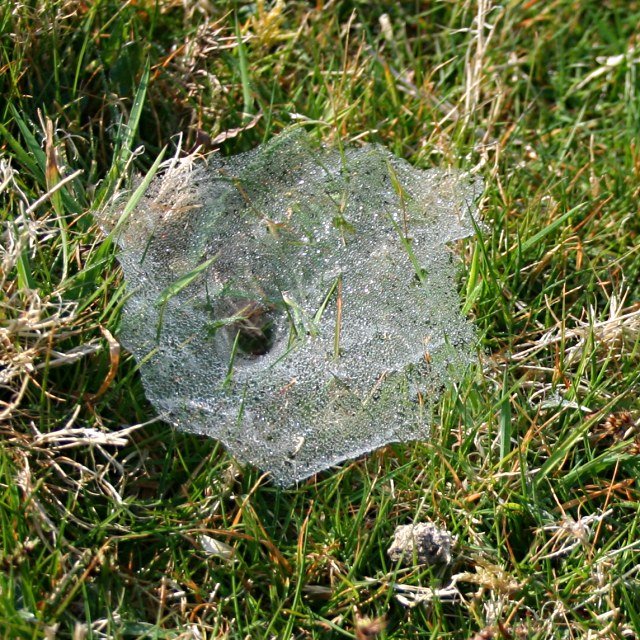
- The downtown harvest: orb weavers rig the cornices, funnel weavers sheet the window wells and planters, and by September the square’s architecture wears its annual web coat — heaviest on the river-facing and best-lit façades, rebuilding within days of any one-time cleaning.
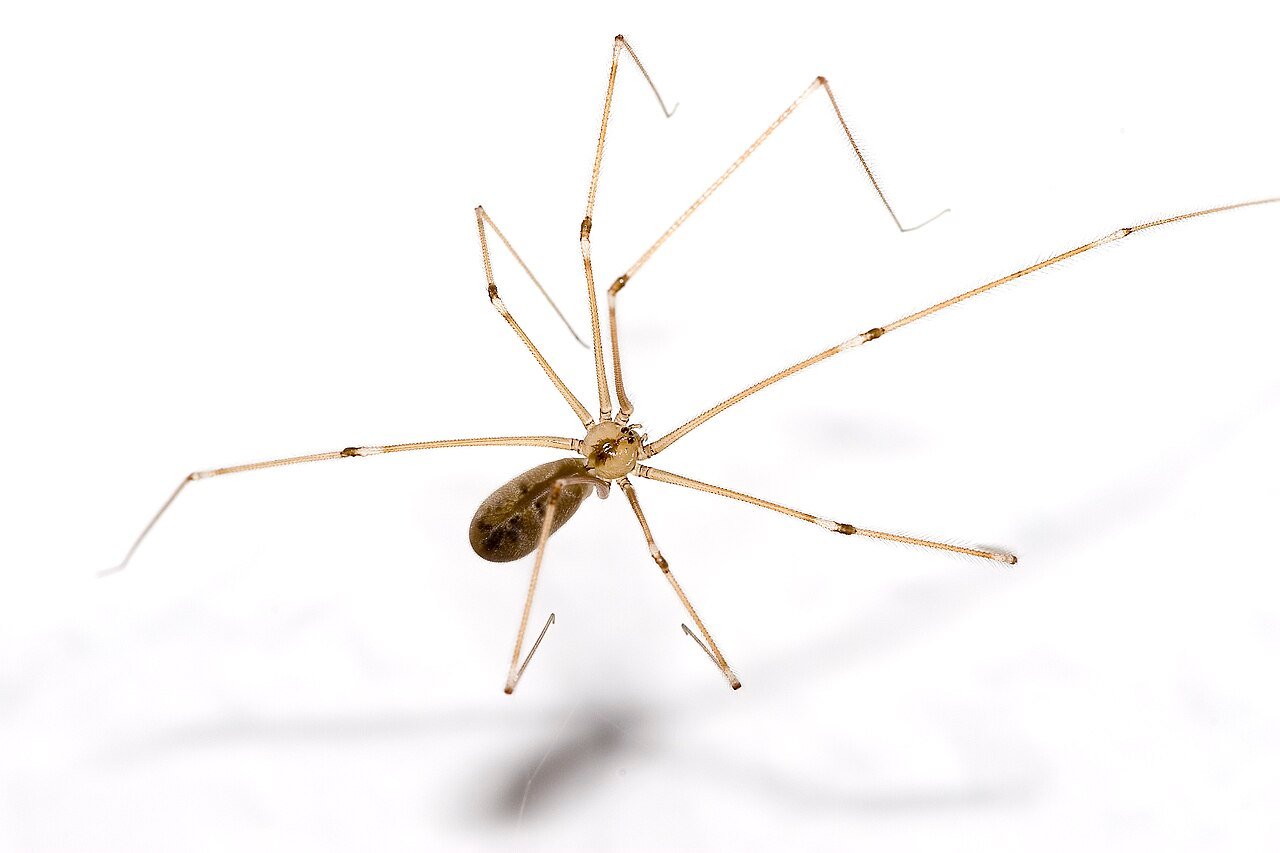
- The residential file: the neighborhoods run the standard cast — cellar spiders in the older stone basements, funnel weavers in the foundation beds, fall’s wandering wolf spiders heaviest on the streets nearest the levee and the county edge.
- The calibration: the serious-species file stays thin here — the occasional widow in undisturbed storage, near-zero verified recluse presence — with the sober rankings at Ohio’s venomous spiders and free photo verdicts always.
Commercial Spider Work: the Storefront Program
Downtown Troy taught us the commercial version of spider control, and it runs on schedule rather than heroics. One-time cleanings fail on biology — the river restocks the prey nightly and the region’s spiders re-staff the harvest within days — so the storefront program pairs scheduled de-webbing (façades, cornices, awning frames, entry lighting, and the egg sacs that would otherwise pre-install next season) with light strategy tuned for businesses: warm-toned exterior lamps, fixtures aimed to pull the insect cloud away from entries and window displays, and timer discipline in the peak hatch weeks. Add perimeter treatment at the foundation and planter lines, and a river-town storefront holds a clean face through the season — which, for the restaurants and shops trading on the square’s charm, is a merchandising line item as much as a pest one. Residential customers get the same logic at house scale, with the full philosophy — spiders starve out, not spray out — at how to get rid of spiders and the who’s-who at common spiders in Ohio.
The Troy Spider Year
Spring: dispersal — invisible — and the right window for well screens, door sweeps, and the season’s first perimeter pass. Summer: the hatch months — river insect output peaks, the downtown lights run their nightly buffet, and web pressure builds on the river-facing façades first. Late August–October: peak visibility everywhere — adult orb webs on the square, dew-marked sheets in every foundation bed, wanderer traffic crossing floors on the levee-side streets, and the annual reminder that October is a calendar event, not an infestation. Winter: the action retreats to the stone basements, where the cellar crew’s census tracks the dehumidifier’s setting. Service rhythm to match: fall carries the heaviest de-webbing and egg-sac harvest, spring resets the exclusion, and the quarterly Protection Plan — residential or commercial — holds the whole cycle below the visibility line with free re-treatment between visits.
The Troy Bottom Line
A river town’s spider pressure is the rent on a healthy river — permanent supply, permanent harvest — and the answer is the same shape as every permanent-pressure problem in this library: manage the interface on a schedule instead of fighting the ecology. Scheduled de-webbing, light strategy, perimeter treatment, and honest identification (the levee’s orb weavers and the basement’s centipede both get character references, not invoices) — one flat price, storefront agreements for the square, the service at spider control — and the town’s whole file, wasps and ants included, at Troy pest control.
Storefront Webs Rebuilding Faster Than the Squeegee?
The river restocks nightly — the schedule wins. De-webbing, light strategy, and perimeter programs for Troy’s square and its neighborhoods alike.
Frequently asked questions
Why does downtown Troy get so many spider webs?
The river-to-façade pipeline: the Great Miami’s summer hatches drift into town nightly, the square’s lighting concentrates them, and the ornate architecture offers endless web anchors. The webs are the harvest of a healthy river — managed on schedule, not eliminated.
Why do storefront webs come back days after cleaning?
Because the supply restocks nightly and the region’s spiders re-staff within days — one-time cleanings fail on biology. Scheduled de-webbing paired with light strategy and perimeter treatment holds a clean façade through the season.
What lighting changes actually reduce spiders on a business?
Warm-toned exterior lamps, fixtures aimed to pull the insect cloud away from entries and displays, and timer discipline during peak hatch weeks — the buffet moves, and the architects follow it.
Are the spiders on the courthouse square dangerous?
No — the façade crews are orb weavers and funnel weavers, harmless harvesters both. Troy’s serious-species file stays thin: occasional widows in undisturbed storage, near-zero verified recluses, and free photo verdicts for any specimen.
Why does my house near the levee get big spiders every fall?
Wanderer season — male wolf spiders roaming off the levee corridor and county edge for mates, harmless and non-resident. Door sweeps and dimmer exterior lights cut the traffic through October.
What lives in my old Troy stone basement?
The standard cellar crew — long-legged cobweb builders and fast funnel weavers whose census tracks the humidity. Dehumidify below 50 percent and the winter workforce shrinks to a fraction; the corners we clear stay clear.
Do you remove spider egg sacs too?
On every visit — each sac is roughly a hundred next-season spiders cancelled, making the fall egg-sac harvest the highest-leverage hour in the program, façade and residence alike.
What does spider control cost in Troy?
One flat price residential — de-webbing route, perimeter program, written light-and-margin counsel — and storefront service agreements for the square, with free re-treatment between visits under either plan.
A Note for Event Season
One Troy-specific scheduling tip earns its own paragraph: the town’s festival calendar — the Strawberry Festival’s June crowds above all — puts tens of thousands of visitors against the levee and the square at exactly peak hatch season, and the businesses that book their de-webbing and light adjustments for the week prior consistently present the cleanest façades of the year when it matters most. We hold those slots — the pre-festival week — for downtown clients on the storefront program, and the same logic applies at house scale for graduation parties and backyard weddings on the levee-side streets: a de-webbing pass three or four days ahead beats one three weeks ahead, every time. Timing is most of spider control; in a river town with a festival calendar, it’s nearly all of it.