Englewood lives next to one of the region’s great insect factories, and its spiders know it. The MetroPark and the Stillwater River corridor — a thousand-plus acres of wetland, woods, and water on the town’s shoulder — produce the mayflies, midges, moths, and mosquitoes that make a summer evening hum, and that insect payroll funds the healthiest spider economy in northern Montgomery County. Every porch light within a mile of the dam is a bug buffet; every buffet grows its ring of webs by August; and every fall, the year’s crop of wolf spiders wanders out of the wood edges and across Englewood garage floors. None of this is an infestation — it’s ecology doing its job next to a park — but it does mean web pressure here runs above the regional average, and managing it well is a specific local skill. Here’s how we do it.
The Park-Edge Spider Economy
- The porch-light ring: orb weavers — the wheel-web architects — concentrate wherever light concentrates insects, and Englewood’s river-corridor bug supply makes its light fixtures prime franchises. August through October is their visible season; our orb weaver page covers why they’re the yard’s best employees even when they’re badly located.
- The ground-layer staff: funnel weavers sheet-webbing the shrubs, window wells, and ground covers — dew-silvered on September mornings, harmless always, and thickest on the park-facing streets.
- The fall wanderers: mature male wolf spiders roaming for mates from September on — the big fast floor-crossers that generate half of Englewood’s spider calls and none of its actual risk.
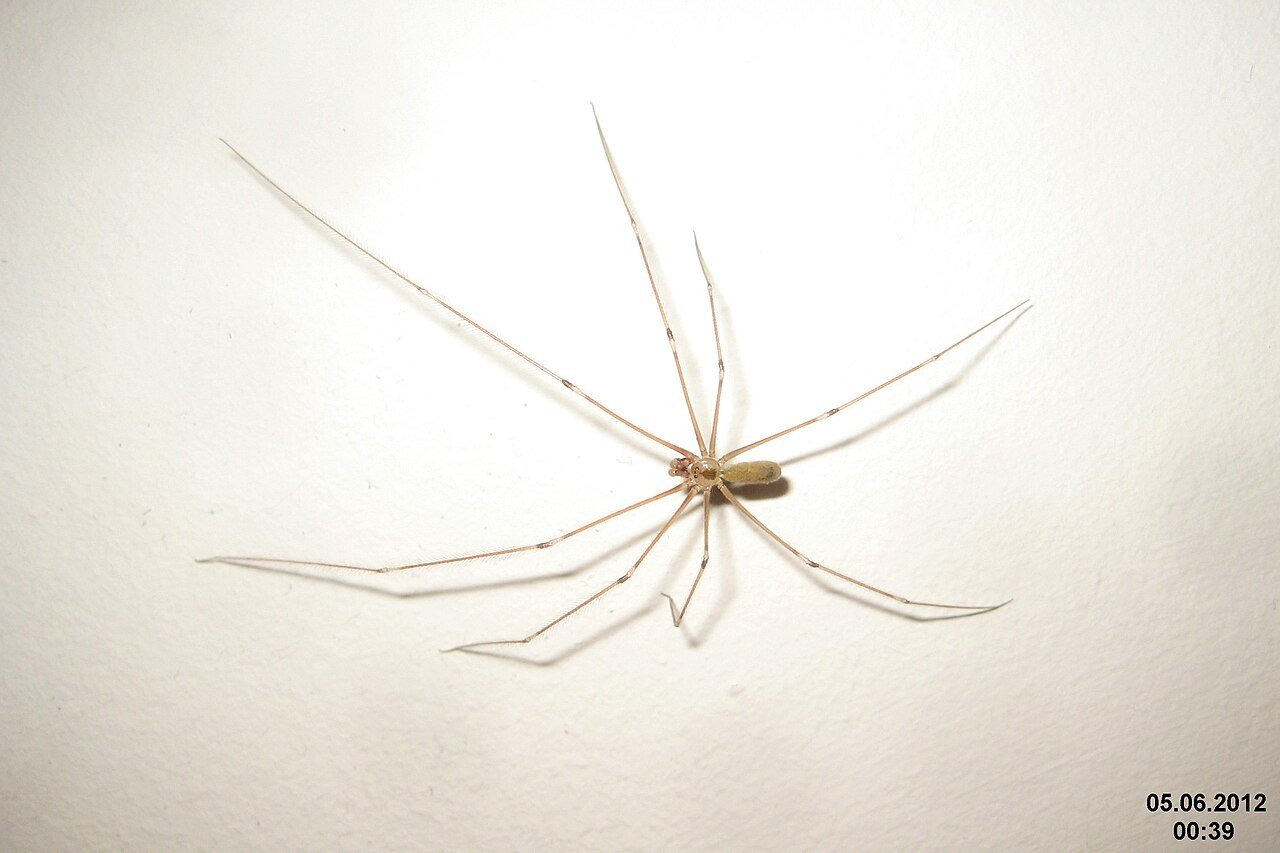
- The basement residents: long-legged cobweb builders working the corners of the postwar housing stock’s block basements — population proportional to the basement’s own insect supply, which is proportional to its humidity.
- The rare file: the occasional black widow in an undisturbed woodpile or meter box (know the hourglass), and a regional recluse risk near zero — the sober calibration lives at Ohio’s venomous spiders.
Managing Spiders When You Live Beside a Park
The physics are unchangeable — the park will keep producing insects, and insects will keep hiring spiders — so effective control here is about where the economy operates, not whether it exists. Three levers do the real work. Light management moves the buffet: warm-toned bulbs cut the insect draw dramatically, motion sensors beat dusk-to-dawn floods, and pulling fixtures away from doorways relocates the web ring off your entries — on park-adjacent streets this single change outperforms any spray. Scheduled de-webbing keeps the structure clear: physical removal of webs and egg sacs from eaves, shutters, porch ceilings, and window wells every quarterly visit, which matters double because each egg sac left in place is next season’s hundred spiders pre-installed. Perimeter and prey treatment thins the ground-layer economy at the foundation band — the damp margins, the shrub gaps, the window wells — so the house stops being the district’s best hunting ground. What we deliberately don’t do: broadcast-spray yards against spiders (it fails on biology — they starve out, not spray out — and costs the beneficial insect economy the park depends on). The full philosophy is at how to get rid of spiders.

The Englewood Spider Year
Spring: spiderlings disperse invisibly into the beds; basement species carry on below grade. Summer: the outdoor economy builds with the park’s insect season — and the porch-light rings begin forming in July. Late August–October: peak visibility — adult orb webs at face height, dew-marked funnel sheets across every shrub, wolf spiders crossing floors, and the annual is-my-house-infested call volume (it isn’t; it’s October beside a MetroPark, and winter resets it). Winter: the action moves to basements and utility rooms, where humidity decides everything — a dehumidified block basement supports a fraction of the cobweb workforce. The service rhythm follows: the fall visit carries the year’s heaviest de-webbing and egg-sac removal, spring resets the perimeter, and the quarterly Protection Plan holds the whole cycle below the visibility line — with free re-treatment between visits. Jumping spiders on the fence rail and the odd house centipede in the tub get named honestly as the harmless staff they are; identification photos are always free.
Local Crew, Flat Price, Honest Verdicts
Spider work rewards local pattern knowledge, and Englewood’s pattern — park-edge insect supply, postwar basements, fall wanderer traffic — is one we work every week. One flat price covers the de-webbing, the perimeter program, and the counsel in writing (lights, margins, woodpile practice, window-well screens); the spider control service page has the method and pricing, our Ohio spider guide handles the who’s-who — and everything else we do in town, from the dam neighborhoods to National Road, is on the Englewood pest control page.
Webs Winning the Porch War?
Scheduled de-webbing, light-and-margin strategy, and a perimeter program built for park-edge pressure — one flat price, guaranteed, across Englewood.
Frequently asked questions
Why does Englewood have so many spiders compared to other suburbs?
The MetroPark and Stillwater corridor produce a huge insect supply, and spiders staff the buffet — park-adjacent streets run web pressure above the regional average as pure ecology. The management levers are light, de-webbing, and margins, not defeat.
What is the big spider web across my porch every morning?
An orb weaver — the wheel-web builder that franchises wherever light concentrates insects. Relocate the buffet (warm bulbs, fixtures off the doorway) and the architect relocates with it; August to frost is their whole season.
Are the big fast spiders on my garage floor dangerous?
No — fall’s floor-crossers are male wolf spiders roaming for mates from the wood edges, harmless and not resident. Door sweeps and less exterior light cut the traffic; there’s no colony behind them.
Do you spray the yard for spiders?
No — spiders starve out, not spray out, and broadcast yard treatment mostly kills the insect economy (and the park’s beneficials) while the spiders re-staff. We treat the foundation band and prey margins, de-web the structure, and manage the lights.
Why does my basement grow cobwebs all winter?
Block basements with humidity support the insects that support the cobweb builders — the population is a moisture reading. Dehumidify below 50 percent and the winter workforce shrinks to a fraction; the corners we clear stay clear.
What do you actually remove during a spider service visit?
Webs and egg sacs, physically — eaves, shutters, porch ceilings, window wells, and the basement corners — plus targeted crack-and-crevice work where populations concentrate. Each egg sac removed is next season’s hundred spiders cancelled.
Are there dangerous spiders in Englewood?
Rarely — the occasional black widow in an undisturbed woodpile or meter box (glossy black, red hourglass, check before reaching), and near-zero verified recluse presence. Photo identification is free, and the honest answer is usually “harmless staff.”
When should spider service be scheduled in Englewood?
Fall carries the heaviest load — peak webs, egg sacs to remove before they overwinter, and wanderer season — with spring resetting the perimeter. The quarterly Protection Plan runs exactly that rhythm, with free re-treatment between visits.
The companion files for Englewood households: ant control in Englewood, rodent control in Englewood, and flea treatment in Englewood.