
Fairborn’s mice exploit the same turnover economy as the rest of its pest ledger — but where the town’s bed bugs and fleas ride the moving trucks, its rodents work the gaps between tenancies. A vacant unit is a mouse’s quiet season: no footsteps to fear, kitchen crumbs from the departed household still in the cabinet runs, and days or weeks of undisturbed time to establish before the next lease begins — which makes the town’s signature rodent case the vacancy inheritance: move-in week’s droppings in the drawers and scratching in the walls, established during the gap and billed to the arrival. Behind it run the standard fronts: the student blocks’ food-density economy, the base-adjacent streets’ ordinary October wave, and the creek corridors’ wildlife margin. Here’s the turnover town’s rodent map.
The Vacancy Inheritance
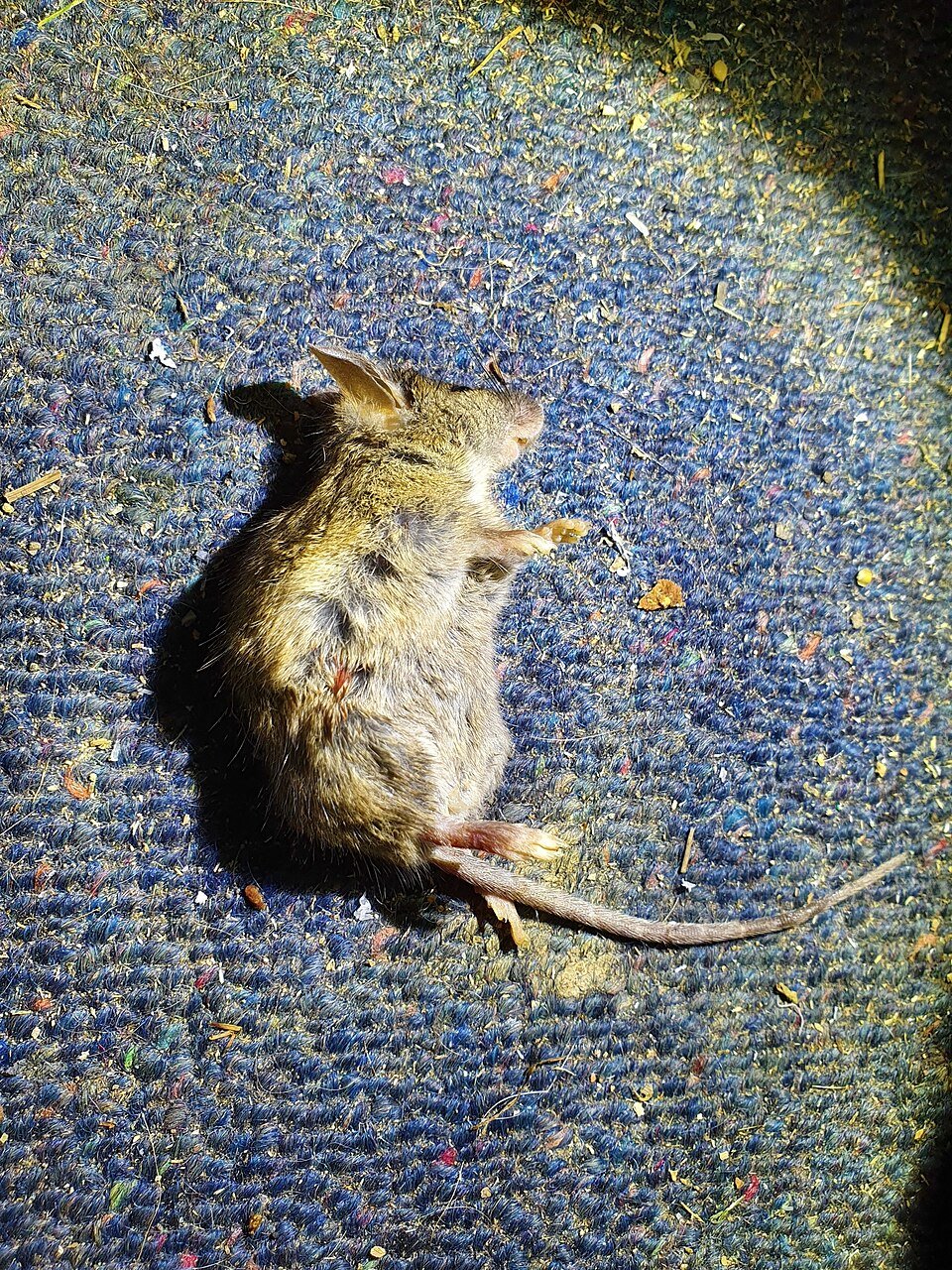
The mechanism deserves its paragraph because it inverts the usual story: most rodent cases build while people live in a house; Fairborn’s signature cases build while nobody does. The departed tenancy’s food residue holds the attraction, the vacancy’s silence removes the deterrent, and the entry gaps every rental accumulates (worn sweeps, unsealed penetrations, the student block’s propped doors) stand open through the quiet weeks — so the arriving household inherits an established population plus the awkward question of whose problem it is. The answers run the town’s standard two-sided playbook. Tenants: document on arrival — droppings photographed in situ, the move-in-week timeline noted — because an inherited population is a premises condition under the same habitability logic as every other inheritance in this town’s ledger, and our written findings (droppings age, establishment evidence, entry map) carry the conversation. Owners and managers: the turnover rodent audit joins the between-tenant service window — snap-trap sweep, entry-gap sealing to the dime standard, and cabinet-run cleanout — converting the vacancy from establishment window into eviction window at exactly the moment the unit is cheapest to work.
The Standing Fronts
- The student blocks’ food economy: high-density housing plus student food culture (open packages, communal kitchens, the propped door during move-in weekends) runs the town’s heaviest per-building attraction — met with building-level sealing, sealed-container counsel, and the trap placements communal kitchens need.
- The October standard: the settled streets run the regional frost migration through the usual era-matched gaps — postwar gaskets and vents, audited in September on the standard calendar.
- The creek margins: the corridor-adjacent blocks take the wildlife economy’s steady seeding, with captures skewing toward the two-toned field natives and their wet-method cleanup rules.
- The universal standards: snap traps on runways, no interior poison ever (the standing case — a wall-void carcass in a rental is a habitability complaint with a smell), evidence mapped before hardware (the forensics, the species call), and verification — flour patches and silent weeks — before anyone declares victory.

The Fairborn Calendar and Bottom Line
The town’s rodent year runs two clocks at once: the regional frost calendar (September audits, October-through-February trapping season) and the turnover calendar (August’s lease cycle and the PCS seasons producing vacancy-inheritance discoveries in clusters three weeks behind each wave). The strategic windows follow both: turnover audits in every vacancy, September sealing on the settled streets, building programs for the student blocks launched before fall, and documentation whenever the lease decides the bill. One flat price residential, turnover scheduling for the portfolios — the same between-tenant window as the town’s roach, bed bug, flea, and spider files, now a five-service turnover package — and the fundamentals at how to get rid of mice with the whole ledger at Fairborn pest control.
Droppings in the Drawers on Move-In Day?
The vacancy built it; the documentation sorts it; the audit prevents the sequel — flat-priced residential, turnover scheduling for portfolios, across Fairborn.
Why the Turnover Package Beats Five Separate Calls
Fairborn’s pest ledger keeps arriving at the same doorway — the between-tenant window — and the economics of bundling it deserve one plain statement. The vacant unit is the cheapest treatment environment that will ever exist for every file at once: rooms empty for the roach placements and web pass, carpets bare for the flea growth-regulator, beds absent for the bed bug inspection, cabinets open for the rodent sweep and seal, and no tenant scheduling to negotiate. A single turnover visit runs all five at a fraction of five separate service calls — and, more to the point, at a fraction of one inherited-infestation dispute six weeks into a lease. For the portfolio owners running Fairborn’s rental economy, the turnover package converts the town’s defining pest risk (inheritance, in every species) into a checklist line between tenancies; for the arriving tenants, it’s the difference between a move-in inspection that finds history and one that finds problems. The turnover town’s best pest control has always been the gap itself — used deliberately.
Frequently asked questions
We found mouse droppings the week we moved into a Fairborn rental — whose problem is it?
An inherited population — established during the vacancy’s quiet weeks — is a premises condition under the standard habitability logic. Photograph droppings in situ, note the timeline, and our written findings (droppings age, establishment evidence, entry map) carry the conversation.
How do mice establish in an empty apartment?
The vacancy is their quiet season: departed food residue holds the attraction, silence removes the deterrent, and accumulated entry gaps stand open for days or weeks of undisturbed establishment. Most rodent cases build around people; Fairborn’s signature cases build around their absence.
What should landlords do about mice between tenants?
The turnover rodent audit: snap-trap sweep, entry sealing to the dime standard, and cabinet-run cleanout while the unit sits empty — the cheapest window that will ever exist, and it folds into the same visit as the roach, flea, bed bug, and web turnover work.
Why do the student blocks get the worst mouse pressure?
Food density — open packages, communal kitchens, and move-in weekend’s propped doors run the heaviest per-building attraction in town. Building-level sealing plus sealed-container counsel beats a hundred unit-level complaints.
Is poison ever the answer in a rental?
No — interior bait means wall-void carcasses, and a dead-mouse smell in a rental is a habitability complaint with a paper trail. Snap traps on mapped runways kill as effectively, retrievably, with locked exterior stations reserved for chronic outdoor pressure.
What kind of mice show up near the Fairborn creek corridors?
Captures skew toward two-toned deer and white-footed mice — the field natives whose droppings upgrade cleanup to wet methods with gloves and ventilation. The species read opens every corridor-adjacent job.
When do Fairborn’s rodent cases cluster?
Two clocks: the regional frost migration (October through February) and the turnover calendar — vacancy-inheritance discoveries arriving in clusters about three weeks behind each August lease wave and PCS season.
What does rodent control cost in Fairborn?
One flat price residential — evidence-mapped trapping, dime-standard sealing, and verification — with the five-service turnover package for portfolios pricing far below five separate calls, and documentation included wherever the lease decides the bill.