Fairborn’s spiders profit from the one thing its turnover economy produces in bulk: vacancy. Every August lease cycle and PCS season leaves units sitting empty for days to weeks — undisturbed, unlit, unvacuumed — and an empty room is a spider’s idea of a furnished apartment: no foot traffic breaking webs, no cleaning disturbing corners, and the insect stragglers of the previous tenancy as a starter pantry. The result is the town’s signature spider phenomenon — the vacancy bloom — move-in day’s ceiling-corner webs and window-track funnel sheets that make a perfectly ordinary unit read as neglected. Behind it runs the standard file: student-housing clutter, base-adjacent creek corridors, and the settled streets’ ordinary seasonal rhythm. Here’s the turnover town’s spider map.
The Vacancy Bloom (and the Turnover Answer)
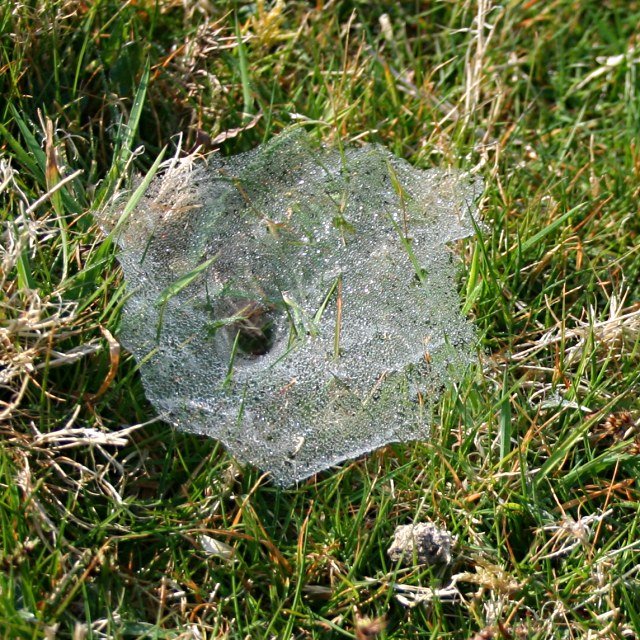
Webs are construction-rate evidence: an active house breaks them daily, so visible accumulation measures undisturbed time more than spider density — which is why two vacant weeks produce what looks like two years of neglect, and why move-in-day web panic is almost always misread. The species involved are the harmless standards (cobweb builders in the ceiling corners, funnel weavers in the window tracks and around the entry lights), and the fix is mechanical: the turnover de-webbing pass — corners, tracks, fixtures, closet ceilings, and the porch light’s web ring — plus egg-sac removal, folded into the same between-tenant service window as the town’s roach, bed bug, and flea turnover work. For property owners, it’s a showing-quality line item (webbed units photograph badly and tour worse); for arriving tenants, it’s a calibration: the bloom says the unit sat, not that it’s infested, and one pass resets it completely.
The Rest of the Fairborn File
- Student-housing clutter: the floor-level storage, under-bed boxes, and never-moved furniture of student rentals build the undisturbed micro-habitat spiders (and the town’s thin serious-species file) prefer — the shelving-and-gloves discipline from our rural pages, translated to a duplex bedroom.
- The creek corridors: the base-adjacent and Wright State-adjacent green ribbons run the standard insect-supply economy — orb weavers at the lit façades and porch rings from August to frost, managed with light strategy and the scheduled de-webbing pass.
- The settled streets: ordinary regional rhythm — fall’s wandering wolf spiders, basement cellar crews tracking humidity, and the September web peak that resets at frost.
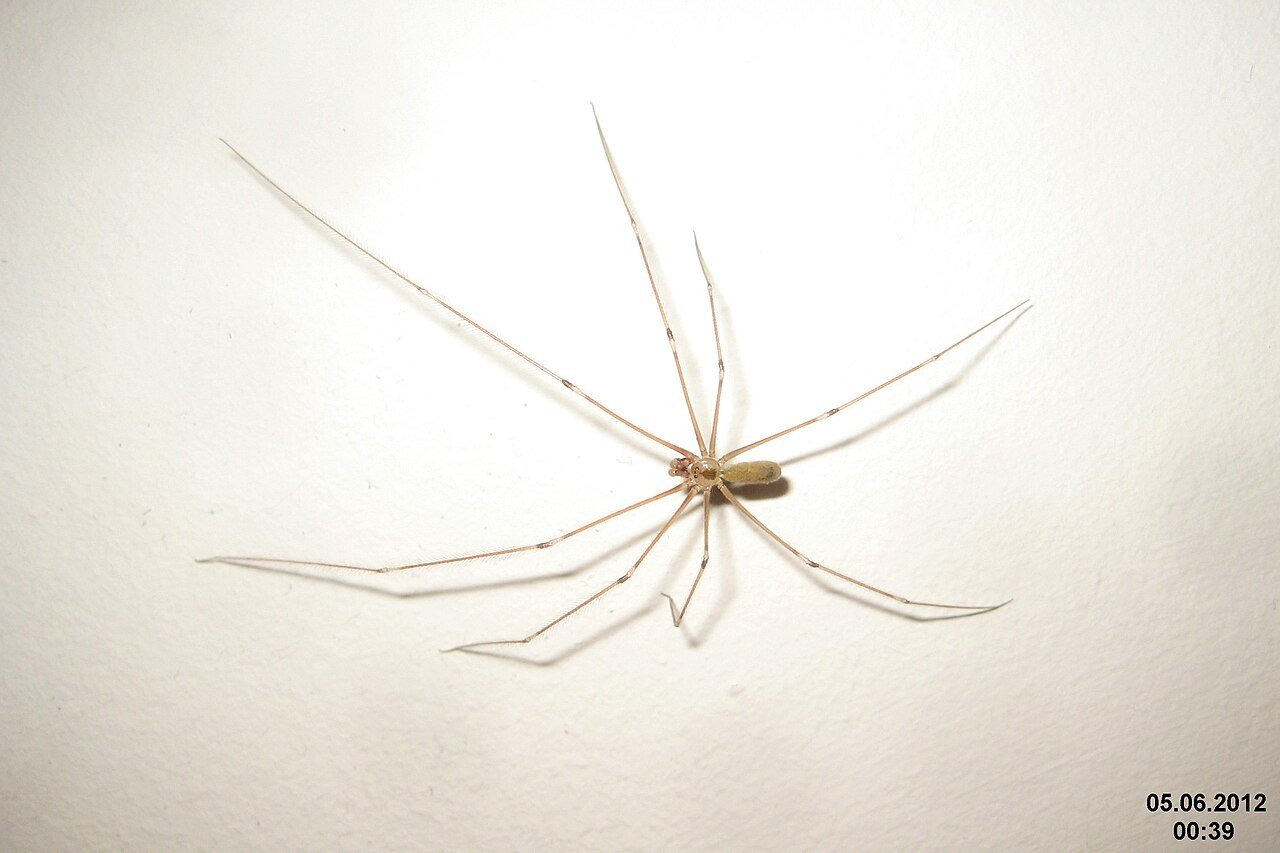
- The calibration file: serious species stay rare — occasional widows in undisturbed garage or storage-unit corners (the town’s many storage facilities earn the gloves rule), near-zero verified recluses, and free photo verdicts always, with the sober rankings at Ohio’s venomous spiders.
The Fairborn Calendar and Bottom Line
The spider year runs the regional standard — spring dispersal, summer build, the August-to-October visibility peak, winter’s retreat to humid basements — overlaid with the turnover clock: August’s lease cycle and the PCS seasons produce vacancy blooms in clusters, and the between-tenant window is the town’s most efficient service moment for every pest file at once. The program follows: turnover de-webbing passes on the rental side, quarterly de-webbing with egg-sac removal and perimeter work for the settled streets, light strategy at the corridor-adjacent façades, and the honest identifications throughout — the philosophy at how to get rid of spiders, the who’s-who at common spiders in Ohio. One flat price residential, turnover scheduling for the portfolios — and the town’s whole ledger at Fairborn pest control.
Move-In Day Webs — or a Storage Unit That Needs Gloves?
The vacancy bloom resets in one pass, and the verdicts stay honest — turnover scheduling for portfolios, flat pricing for homes, across Fairborn.
The Storage-Facility Note
Fairborn’s turnover economy supports one more spider habitat worth its own paragraph: the self-storage corridor. A storage unit is a vacancy that never ends — months of undisturbed dark, cardboard by the wall, and the door’s light-gap feeding just enough insect traffic to sustain residents — and it’s the one Fairborn habitat where the serious-species conversation gets genuinely practical: undisturbed box edges and rarely-moved furniture backs are exactly where the region’s occasional widows turn up, and long-stored upholstery is where every reach should be a gloved one. The protocol for unit visits mirrors the rural outbuilding rules: gloves before blind reaches, a shake for stored fabric and gear before it rides home, a flashlight pass along the wall lines on each visit, and — for the units feeding a move — the inspect-before-loading habit that protects the next address from more than spiders. Ask any of our techs: the storage unit is where Fairborn’s turnover story and its spider story meet, and five careful minutes there covers both.
When Spiders Are the Symptom
One diagnostic worth keeping from this page: because webs track insect supply, a unit or house that re-webs fast after cleaning is reporting prey pressure — the entry lights running an insect buffet, a moisture problem feeding the gnat-and-fly economy, or door gaps admitting the food chain’s bottom floor. The spider answer (de-webbing, egg sacs, placement) handles the visible layer; the durable answer usually lives one level down, in the lights, the sweeps, and the humidity — the same interface logic every page in this town’s ledger runs. Managed at that level, Fairborn’s spiders return to their day job: free pest control, working the corridors, invoicing no one.
Frequently asked questions
Why is my new Fairborn apartment full of spider webs on move-in day?
The vacancy bloom — webs measure undisturbed time, not infestation, and a unit that sat empty between tenants accumulates in two weeks what an occupied one breaks daily. One turnover de-webbing pass resets it completely; the species involved are the harmless standards.
Should landlords de-web units between tenants?
Yes — webbed units photograph badly and tour worse, and the pass folds into the same between-tenant window as roach, bed bug, and flea turnover work. It’s a showing-quality line item that costs minutes.
Are there dangerous spiders in Fairborn storage units?
The units are the town’s one habitat where the question earns real practice: undisturbed box edges and stored upholstery are where occasional widows turn up. Gloves before blind reaches, shake stored fabric before it rides home, and free photo verdicts for anything caught.
What are the webs around my porch light every fall?
Orb weavers harvesting the light’s insect buffet — the corridor-adjacent façades run the standard August-to-frost ring. Warm-toned bulbs and a repositioned fixture move the buffet; the architects follow it.
Do the base and campus green corridors mean more spiders?
More insect supply, so more harvest — the creek ribbons run the standard economy into adjacent yards. Interface management (lights, margins, scheduled de-webbing) holds it; eradication was never on the menu.
My rental re-webs days after I clean — why?
Fast re-webbing reports prey pressure: entry lights running a buffet, moisture feeding the gnat economy, or door gaps admitting the food chain. The durable fix lives one level down — bulbs, sweeps, humidity — with the de-webbing handling the visible layer.
What is the big spider that ran across my floor in October?
A wandering male wolf spider in mate-search season — harmless, fast, and not a resident. Door sweeps and dimmer exterior lights cut the traffic; there’s no colony behind him.
What does spider control cost in Fairborn?
One flat price residential — de-webbing route, egg-sac removal, perimeter work, and the light-and-margin counsel — with turnover-pass scheduling for rental portfolios and free identification always.