
Fairborn’s fleas ride the same turnover engine as everything else in this town’s pest ledger — but with a twist the bed bug and roach files don’t have: fleas can wait. A flea pupa sits dormant in carpet for months, waking to the vibration and warmth of whoever moves in next, which makes every August lease cycle and every PCS turnover a game of premises roulette: the student rental that housed last year’s cat, the base-adjacent house between pet-owning tenants, the apartment whose “no pets” policy was more aspiration than history. Add the student pet economy — adoptions, fosters, and the end-of-semester scramble — and the turnover town’s flea file writes itself two to three weeks after every move-in wave. Here’s the Fairborn edition of the program.
The Turnover Flea Cycle
- The dormant-pupae inheritance: the town’s signature case — move-in day plus two or three weeks equals sock-test leapers and ankle bites, no pet required. The pupae are premises history from the previous tenancy, our written findings document exactly that, and the landlord-funded premises treatment is the correct fix under the standard habitability logic.
- The student pet economy: semester adoptions and fosters cycle young, sometimes-untreated animals through rental housing at scale — and one untreated animal seeds a unit’s carpet for the next three tenancies. Preventives from adoption day forward are the whole counter.
- The PCS variant: pet-owning military households cycle through base-adjacent rentals on orders, and the yard-and-carpet seeding follows the same clock — with the turnover gap between tenants being the cheapest treatment window either side will ever see.
- The owner-occupied baseline: Fairborn’s settled streets run ordinary regional pressure — the shaded-yard nurseries, the rabbit routes, the two-front program — at ordinary volume behind the rental market’s churn.
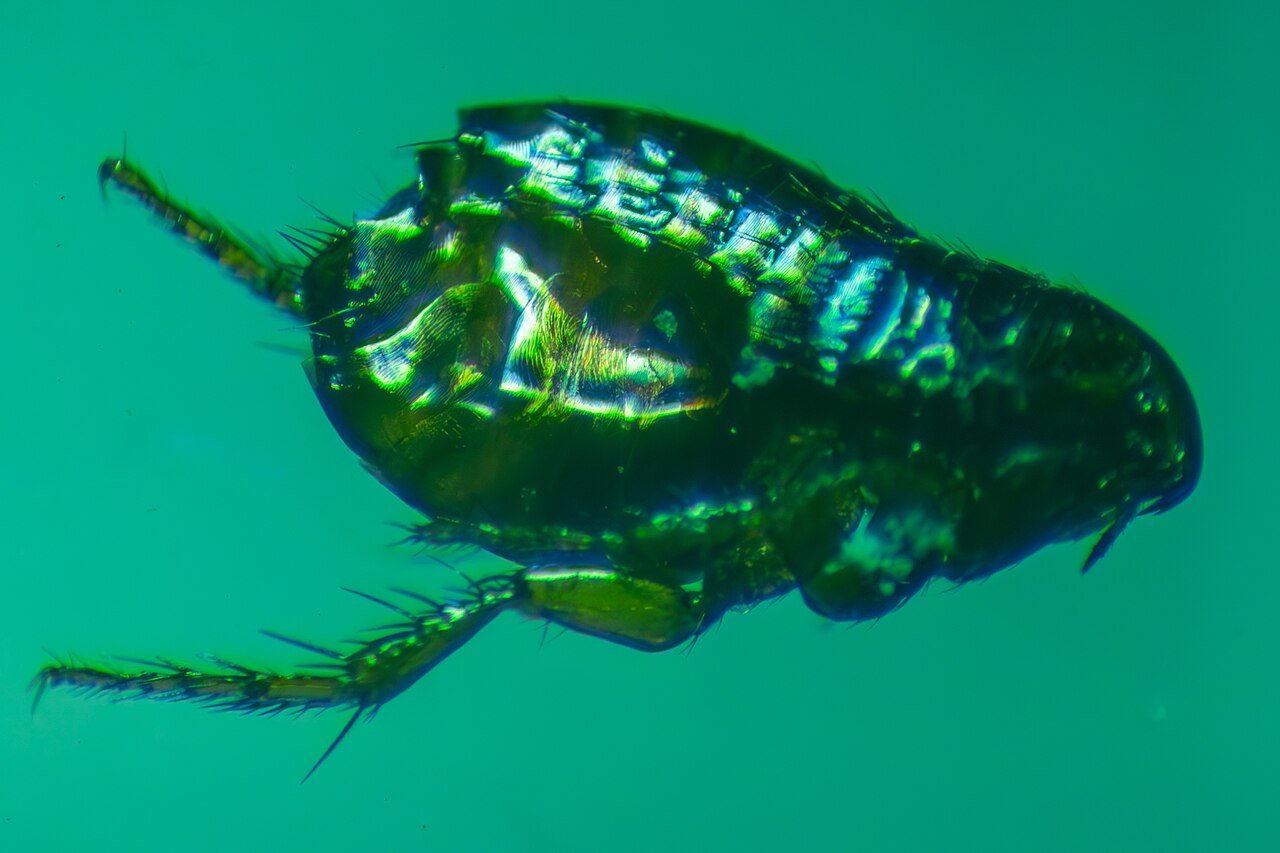
Both Sides of the Lease, Flea Edition
The rental-market playbook mirrors the town’s roach and bed bug files, tuned for the species that waits. Tenants: the move-in eruption is documentable — the two-to-three-week timeline, the no-pet household, the sock-test evidence — and our findings carry the conversation that gets premises treatment funded where it belongs; meanwhile the containment steps (vacuuming with immediate bag disposal, hot-washing bedding) hold the line without buying the fogger that can’t reach pupae anyway. Owners and managers: the between-tenant premises pass — adulticide plus insect growth regulator across the carpets while the unit sits empty — is the cheapest window that will ever exist, runs on the same turnover schedules as the roach and bed bug turnover services, and converts the pet-deposit gamble into a checklist item. Pet-owning households on either side: the two-front constant applies — every animal on veterinary preventives (the adopted kitten from day one), the premises treated simultaneously, and the honest pupal-window briefing that two to four weeks of declining stragglers is the program finishing, not failing.
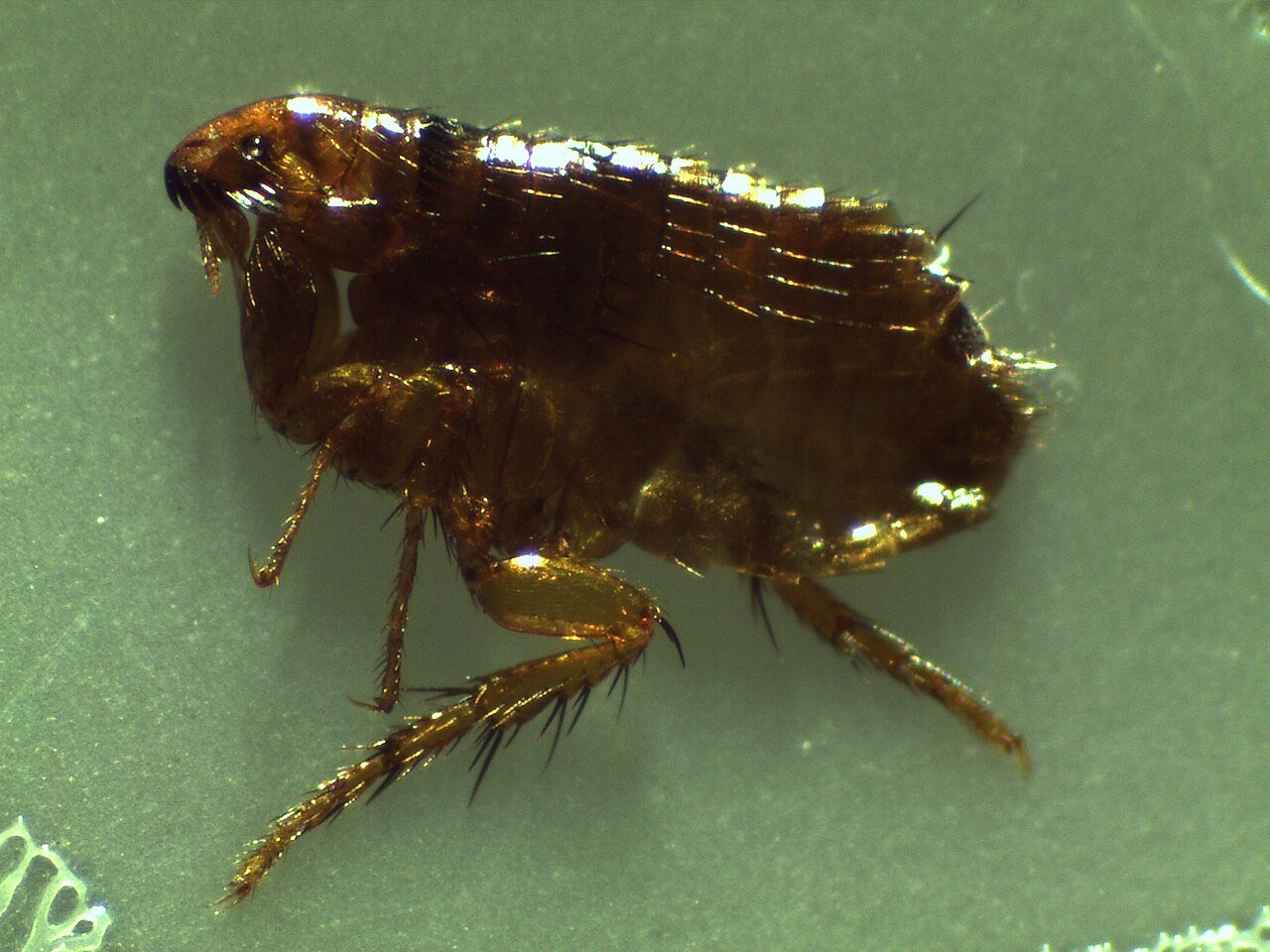
The Yard File, Fairborn Edition
Outdoors, the town runs the standard nursery map — shaded margins, under-porch and under-deck voids, the rabbit routes threading every block — with two local notes. The student-rental yards’ deferred-maintenance shade (overgrown margins, unskirted porches) builds better nurseries than manicured lots, which is why the same rental blocks cycle yard reseeding alongside their carpet inheritance — the premises treatment that ignores the yard buys a quiet month instead of a season. And the creek-corridor streets share the wildlife-traffic seeding every green ribbon delivers, managed with the usual margin treatment and skirting counsel. The mapping tool stays the white-sock walk (ten minutes, indoors and out, locating the population before a drop gets applied), the evidence checks live at signs of fleas, and the full campaign at how to get rid of fleas — with the ankle-bite pattern answering the humans-getting-bitten question the move-in cases always ask.
The Fairborn Calendar and Bottom Line
The season peaks with the region’s — humid July through September — but the turnover town adds its own beats: the August move-in wave produces the September eruption cluster like clockwork, semester ends cycle the pet economy, and PCS season runs its own turnover calendar through the base-adjacent stock. The windows follow: between-tenant treatments in every vacancy, preventives from adoption day, fall knockdowns for households that fought through August, and documentation whenever the lease decides who pays. One flat price covering both fronts and the yard mapping, vet coordination on the animal side, and the guarantee behind it all — the service at flea treatment, and the turnover town’s whole ledger at Fairborn pest control.
Bites Two Weeks After Move-In — No Pet in Sight?
Dormant pupae are premises history — we document it, treat it, and time the turnover windows that prevent it. Flat-priced and guaranteed across Fairborn.
Frequently asked questions
We moved into a Fairborn rental and got flea bites — we don’t even have a pet. How?
Dormant pupae from the previous tenancy waking to your footsteps on the classic two-to-three-week clock — fleas can wait months in carpet. It’s premises history, our written findings document it, and landlord-funded premises treatment is the correct fix.
Whose responsibility are move-in fleas in a rental?
An inherited infestation sits in the same habitability conversation as any premises condition — and the timeline evidence (eruption weeks after move-in, no animals in the household) makes the documentation straightforward. We provide the packet; most managers act on it.
Should landlords treat for fleas between tenants?
Any unit with pet history, yes — a growth-regulator premises pass while the unit sits empty is the cheapest window that will ever exist, and it runs on the same turnover schedule as roach and bed bug turnover services. The pet deposit doesn’t reach the pupae; the treatment does.
We adopted a kitten this semester — what should we do about fleas?
Preventives from day one, vet-guided and cat-labeled only — the student pet economy cycles young untreated animals through rental carpet at scale, and one animal seeds a unit for the next three tenancies. Day-one coverage is the whole counter.
Do flea bombs fix a rental flea problem?
No — foggers can’t reach the sealed pupae that carry the infestation, and the rebound arrives on schedule. Growth-regulator premises treatment plus preventives on any animals is what breaks the cycle; containment vacuuming holds the line meanwhile.
Why do fleas keep coming back to the same rental blocks?
Two engines: carpet inheritance cycling tenancy to tenancy, and deferred-maintenance yard shade — overgrown margins and unskirted porches — rebuilding the outdoor nursery. Premises treatment that ignores the yard buys a month; treating both buys the season.
How do I check whether the fleas are indoors, outdoors, or both?
The white-sock walk: ten slow minutes through carpeted rooms, then the yard’s shaded margins — leaping specks map the population before a drop gets applied. Indoor-heavy points to premises history; yard-heavy points to the nursery margins.
What does flea treatment cost in Fairborn?
One flat price covering the interior program with growth regulator, the yard’s mapped nurseries, and the written counsel — with rental documentation where the lease decides who pays, vet coordination on the animal side, and the follow-up visit built in.