
Kettering is, by the numbers, one of the harder towns in the region for a cockroach to conquer — settled owner-occupied streets mean low turnover, low turnover means few importations, and the kitchen species that terrorizes rental markets arrives here only as often as the moving boxes do. But the city’s roach file isn’t empty; it’s specific. The estate-sale and secondhand-appliance economy runs the main importation route (the same quiet channel as the city’s bed bug file); the original mid-century kitchens — sixty-year-old cabinet runs with voids no modern kitchen has — give any arrival five-star harborage; and the split-level basements and their floor drains host the standard black-roach commuter traffic. Low frequency, distinctive cases: here’s the Kettering playbook.
How Roaches Actually Reach Kettering
- The estate-sale appliance: the vintage refrigerator, the auction microwave, the hand-me-down freezer — warm motor voids are the kitchen species’ first-class cabin, and the settled city’s biggest importation route runs through its own secondhand market. The vacuum-and-inspect before anything crosses the threshold is the whole prevention.
- The moving-box minority: the standard cardboard route runs at low volume here — but every Kettering turnover, downsizing, and college-kid boomerang carries the regional baseline risk.
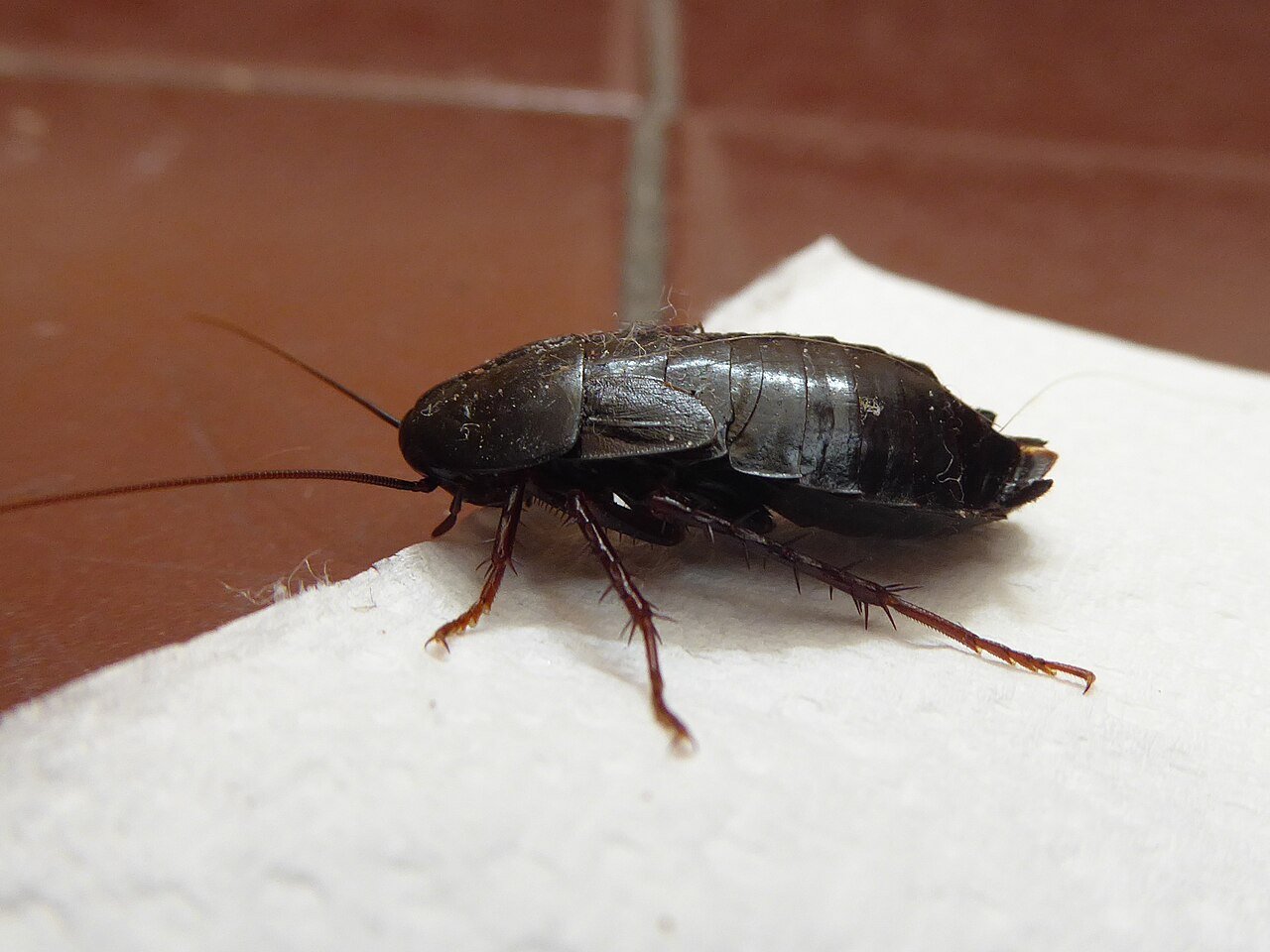
- The basement commuters: the split-level and ranch basements’ floor drains, laundry areas, and water-heater platforms host the glossy black drain roaches after storms — infrastructure traffic, not infestation, closed by the water-the-traps protocol (the water bug file).
- The June porch-light visitors: wood roaches off the mature-tree canopy, dying indoors without breeding — the free-identification dustpan case, every year.
The Mid-Century Kitchen Factor
When an importation does land, Kettering’s original kitchens give it real estate no builder-grade 2005 kitchen offers: site-built cabinet runs with continuous voids behind them, soffit boxes above the uppers, decades of retrofit gaps around plumbing, and the warm dead space behind wall ovens and under original cooktops — harborage geometry that swallows a colony and defeats every surface-level spray. The treatment answer is placement depth: gel baits and dusts into the void system (hinge lines, soffit seams, plumbing escutcheons, the retrofit gaps), insect growth regulator throughout, and monitors reading the population trend — with follow-ups timed inside the 50-day reproduction window so each hatch meets a treated kitchen. The renovation footnote cuts both ways: kitchen remodels expose and eliminate the void system (mid-project treatment while walls are open is the cheapest thorough roach work a house can ever buy), while un-renovated kitchens justify the deeper placement map on every job. The species stakes stay standard — the two-stripe check settles identification, a single nymph is the earliest alarm, and daylight sightings mean crowding — and the don’t-do list carries its usual weight: no foggers into the void system (the indictment), no bleach-mopping the placements.
The Settled-City Advantage (and How to Keep It)
Kettering’s structural advantages are worth naming because they’re maintainable: detached housing means no party-wall repopulation (a cleared kitchen stays cleared — the opposite of the connected-building math); low turnover means introductions are rare events rather than annual cycles; and the mature-tree streets’ only roach contribution is June’s harmless porch-light traffic. Keeping the advantage costs three habits: the secondhand-appliance inspection (flashlight into the motor void, vacuum pass, before it plugs in), cardboard discipline during any move or estate clean-out (boxes broken down and out the same week), and the basement drain protocol (monthly water plus mineral oil in unused traps, screens on the sump). Households that run those three essentially never meet the kitchen species — and when one does arrive anyway, the low-pressure environment means a properly placed program clears it in a single reproduction cycle more often than anywhere else we work.
The Kettering Calendar and Bottom Line
The file runs quiet by regional standards: estate-sale season and moving months carry the importation risk, spring storms bring the basement commuter surges, June brings the wood roaches, and winter’s only activity is whatever a heated kitchen already hosted. The response windows match — same-week verification for any striped sighting (free, from a photo), the drain protocol ahead of storm season, and the appliance-inspection habit year-round. One flat price, placement-depth treatment built for mid-century kitchens, the method at cockroach control with the species lineup at roaches in Ohio — and the city’s whole ledger at Kettering pest control.
Stripes in a Mid-Century Kitchen?
Placement-depth treatment for the void systems builder-grade sprays never reach — one flat price, guaranteed, across Kettering.
Frequently asked questions
How would roaches even get into our long-settled Kettering house?
The quiet routes: estate-sale and secondhand appliances (warm motor voids are first-class roach cabins), moving boxes during any turnover or clean-out, and basement drain commuters after storms. Low frequency is Kettering’s pattern — specific routes, not constant pressure.
Should I inspect a used appliance before bringing it home?
Always — flashlight into the motor compartment and a vacuum pass before it plugs in. It’s the single highest-value roach habit in a settled city whose main importation route is its own secondhand market.
Why are mid-century kitchens harder to treat for roaches?
Site-built cabinet runs hide continuous voids, soffit boxes, and retrofit gaps that swallow colonies and defeat surface sprays. Treatment needs placement depth — baits and dusts into the void system itself, with growth regulator and timed follow-ups.
Is a kitchen remodel a good time for roach treatment?
The best that will ever exist — open walls expose the entire void system, and a mid-project treatment plus modern cabinet construction eliminates the harborage geometry permanently. Tell us the demo date; it’s the cheapest thorough work a house can buy.
What is the black roach by my basement floor drain?
A storm-following drain commuter — infrastructure traffic, not infestation. Monthly water plus mineral oil in unused traps and screened sumps close the route; a steady year-round patrol means a dry trap worth finding.
Do the June roaches at the porch light mean trouble?
No — wood roaches off the mature canopy can’t breed indoors and die within days. Free photo identification spares the treatment nobody needs.
If we get roaches, will they spread to the neighbors?
Not through detached walls — Kettering’s housing keeps every case to one home, which is why cleared kitchens stay cleared here. It’s the structural opposite of apartment-market roach math.
What does cockroach control cost in Kettering?
One flat price: species confirmed free, placement-depth treatment through the void system, growth regulator, monitors, and follow-ups inside the reproduction window — guaranteed, with the low-pressure environment usually clearing cases in a single cycle.
The Estate Clean-Out Protocol
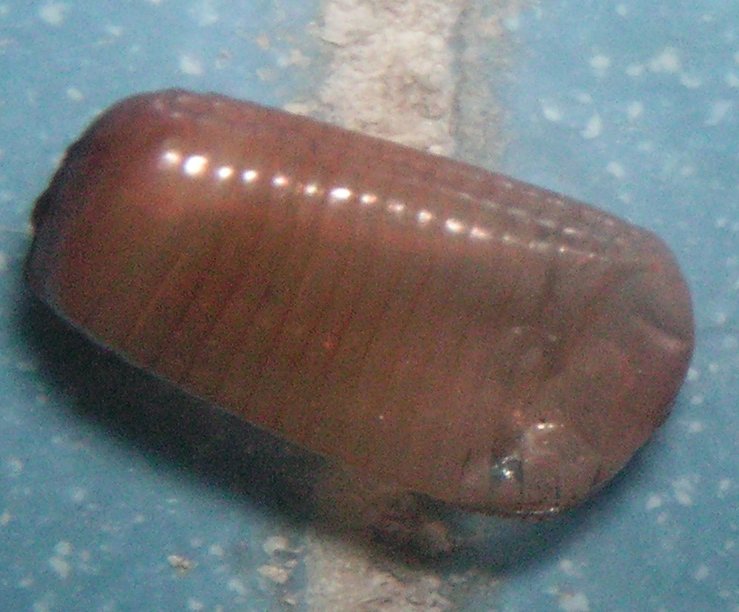
Since the city’s main importation route runs through its estate economy, the clean-out deserves its own checklist — for executors, downsizers, and the families handling a Kettering house between generations. Appliances get the motor-void inspection before donation or sale (a flashlight and a shop-vac pass protect the next household and the family’s conscience alike); cardboard staging happens in the garage rather than the kitchen, with boxes moving out the same week they’re packed; long-stored basement goods — the decades of holiday boxes and paper archives — get opened and inspected in the garage too, since undisturbed storage is where any historic population would sit; and if the house shows evidence during the clean-out (droppings in cabinet hinges, an egg case in a drawer track), a pre-listing treatment resolves it while the house is empty — the cheapest window that will ever exist, and increasingly a line item the estate attorneys around here have learned to recommend. One quiet afternoon of protocol, and the settled city’s quietest importation route stays closed.