
Kettering’s bed bug cases arrive through quieter doors than the region’s turnover towns — and the quietness is exactly what makes them grow. This is a settled city: long-tenured households, one of the area’s larger senior populations, multi-generation homes, and an estate-sale economy that moves more secondhand furniture per capita than almost anywhere in Montgomery County. The introduction routes match — the estate-sale dresser, the assisted-living transition, the grandkids’ visit home from a dorm, the ordinary travel souvenir — and so does the discovery lag: in settled households, bites get blamed on everything else first, and the average Kettering case we confirm has been established weeks longer than its Fairborn equivalent. The playbook below is built for exactly that profile: quiet routes, late discovery, and the verification-first response that shortens both.
Kettering’s Quiet Introduction Routes
- The estate-sale economy: upholstered furniture and bed frames from cleared households are the highest-risk secondhand objects in existence, and Kettering’s estate-sale calendar runs year-round. The flashlight-at-the-sale inspection — seams, joints, screw holes — is five minutes that prevents four figures.
- The senior-transition route: moves between homes, senior apartments, and care settings shuttle furniture and belongings through shared trucks and storage — no fault anywhere, just logistics — and the receiving household inherits whatever rode along. Transition weeks deserve transition vigilance.
- The visiting-generations route: college kids home for breaks, traveling adult children, the grandparents’ own trips — the standard luggage pathway, running through settled houses on holiday schedules.
- What Kettering largely skips: the rental-turnover churn — detached owner-occupied streets don’t cycle introductions the way turnover markets do, which keeps case counts moderate even as individual cases age.
The Discovery-Lag Problem (and the Medical-Adjacent Honesty)
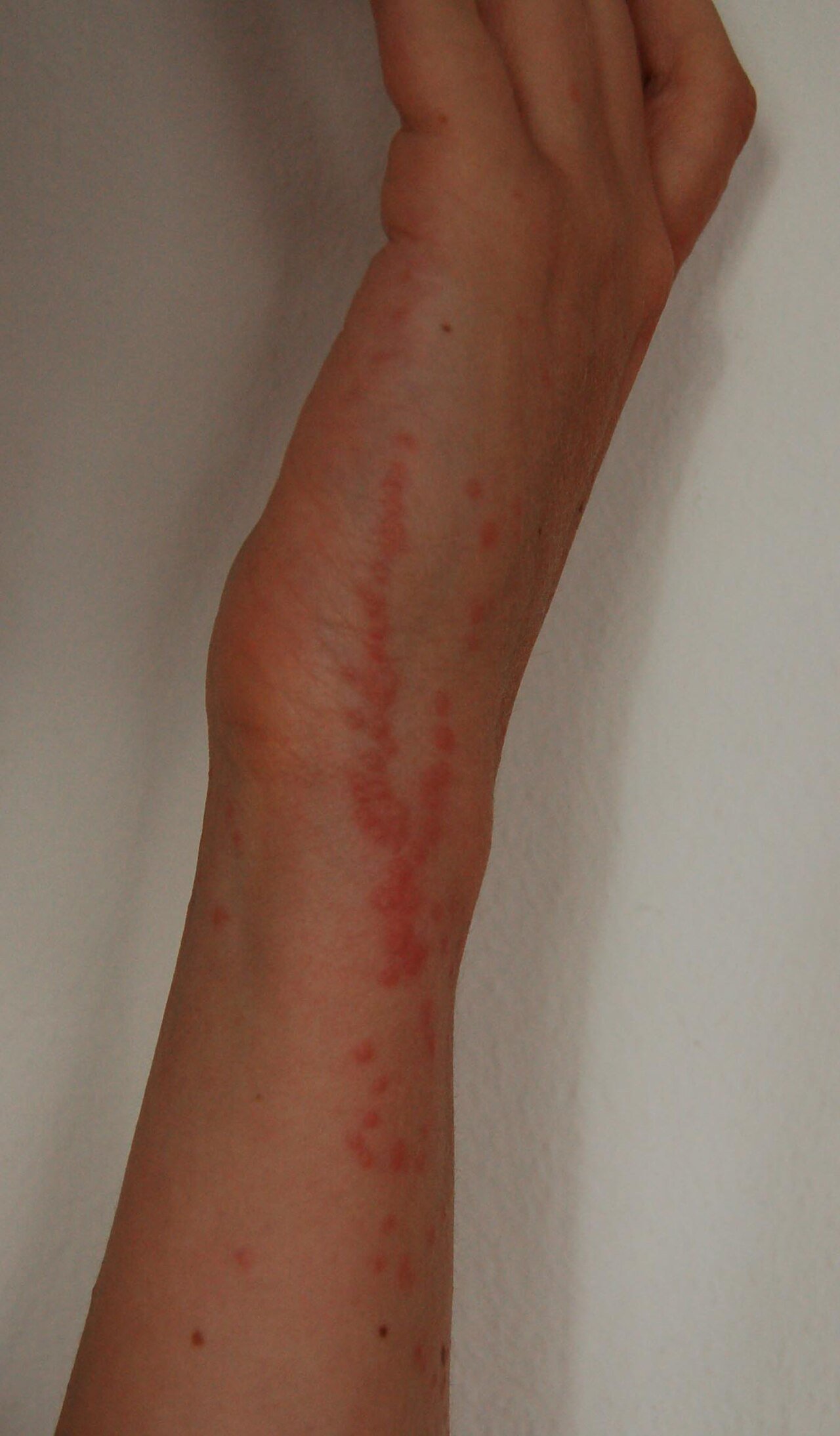
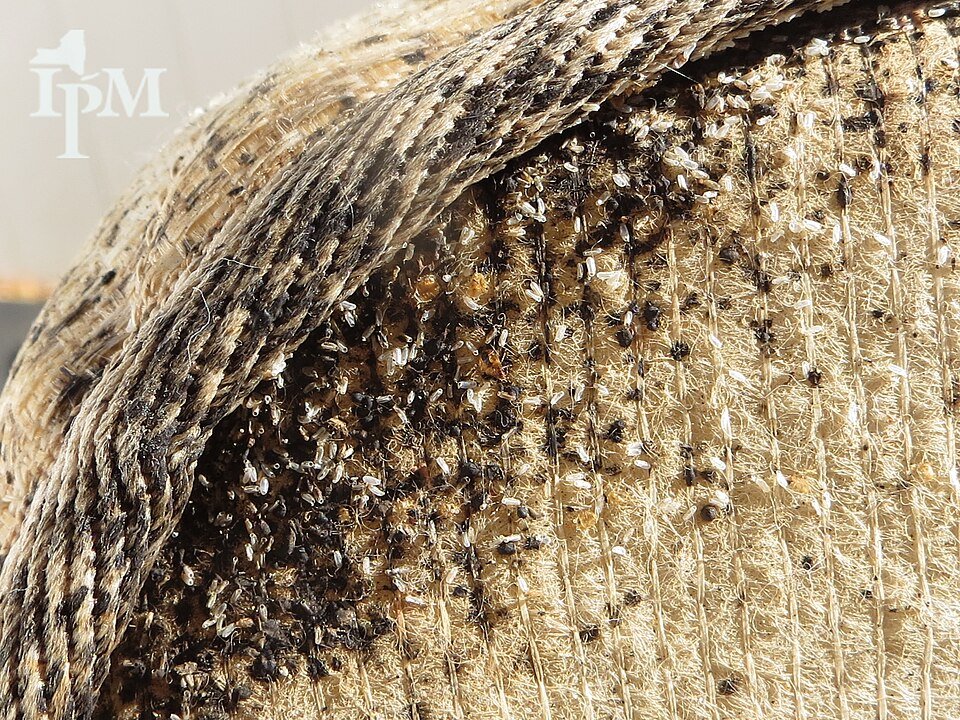
Settled households run long differential diagnoses: the bites get attributed to spiders, allergies, detergent, “dry winter skin” — and in older adults, to the medication list — while the colony compounds behind the headboard. Two honest correctives shorten the lag. First, bites can’t diagnose anything — reaction varies wildly between people, a third of individuals (and a higher share of seniors) barely react at all, and one unbitten spouse proves nothing — so the answer lives in the furniture, not the skin: the card-and-flashlight seam check, the ink-dot staining, the cast skins in the frame joints. Second, the caregiver check matters: for households helping older relatives, a quarterly two-minute seam inspection of the bed quietly catches what fading eyesight and stoic habits miss — we teach it free on any visit, and it’s the single highest-value habit in this city’s bed bug file. When evidence turns up, establishment age reads from the cast-skin sizes and distribution — and Kettering’s later-stage discoveries are precisely why the mapping matters: treatment scoped to a three-room reality succeeds where a one-room assumption fails.
Treatment Built for Settled Households
Confirmed cases get the standard evidence-mapped program — inspection-mapped non-repellent residuals and desiccant dust in the voids, a second visit timed inside the hatch window, encasements you buy to our spec converting beds to dead ends, interceptor monitoring proving zero — with the accommodations settled households actually need: treatment scheduling that works around medical equipment and mobility, and a prep sheet we walk through with you rather than hand over, plain-language walkthroughs for households where the paperwork reader and the decision-maker are different generations, and the discretion standard everywhere (no signs, no commentary — bed bugs ride with the cleanest households in America, and Kettering’s decades-kept homes prove it weekly). The don’t-do list carries extra weight here: no fogging (scatters colonies into the mid-century wall voids — the case), no discarding beds before inspection (the evidence leaves with the mattress, and encased beds usually survive treatment), and no DIY chemical layering on sleeping areas — the home-remedy honest reviews exist because settled households try patience first, and patience is the one thing this insect converts into square footage.
The Kettering Bottom Line
The city’s bed bug math: moderate introduction rates through quiet routes, longer-than-average establishment at discovery, and detached housing that keeps every case containable to one home — which means the whole game is shortening the lag. The estate-sale flashlight habit, the caregiver seam check, the three-weeks-after-any-transition vigilance window, and the free same-week verification visit (half our calls end with a relieved “not bed bugs” — the lookalike gallery earns its keep here) together turn late-stage campaigns back into early interceptions. Flat pricing from the evidence map, follow-up verification built in, the guarantee behind it all: the method is at bed bug treatment, the prevention file at preventing bed bugs — and the city’s whole ledger, ants and rodents included, at Kettering pest control.
Estate-Sale Find — or Unexplained Bites in a Settled House?
Same-week verification, free honest verdicts, and treatment scoped to the map with settled-household accommodations built in. Flat-priced, with a 30-day re-treatment window across Kettering.
Frequently asked questions
How do bed bugs get into settled Kettering homes?
Quiet routes: estate-sale and secondhand furniture, senior-living transitions moving belongings through shared trucks and storage, and visiting family’s luggage. No turnover churn required — and no fault involved; it’s logistics.
Is estate-sale furniture really a bed bug risk?
Upholstered pieces and bed frames from cleared households are the highest-risk secondhand objects in the entire bed bug economy. A five-minute flashlight check of seams, joints, and screw holes at the sale prevents a four-figure problem at home.
Why did our bed bugs go unnoticed so long?
The settled-household pattern: bites get blamed on spiders, allergies, and dry skin first — and many people, seniors especially, barely react at all. The furniture holds the answer weeks before the skin does; the seam check is the shortcut.
How can I check on an older relative’s home for bed bugs?
The caregiver check: quarterly, two minutes — flashlight along the mattress seams and behind the headboard for ink-dot staining, cast skins, or live bugs. We teach it free on any visit; it catches what fading eyesight and stoicism miss.
One spouse has bites and the other doesn’t — can it still be bed bugs?
Yes — roughly a third of people don’t react to the bites at all, and reaction rates drop with age. Both sleepers are typically being bitten at similar rates; the unbitten partner is evidence of nothing.
Can you treat around medical equipment and mobility needs?
Yes — we walk the prep sheet through with you rather than hand it over, scheduling works around care routines, and walkthroughs run in plain language for households where the decision-makers span generations.
Should we throw the mattress out before you come?
No — the evidence leaves with it, encased mattresses usually survive treatment fine, and a discarded bed often just relocates survivors to the new one. Inspect first, encase second, discard only if the map says so.
What does bed bug treatment cost in Kettering?
Flat pricing scoped from the evidence map — contained cases run far less than established ones, which is the financial case for early verification. The inspection verdict is free either way, and follow-up verification is built into every job.