Roach control in Dayton proper is building-scale work in a way the suburbs never require. The city’s housing runs dense and connected — doubles and duplexes, row-adjacent frames, apartment blocks over storefronts — and its infrastructure runs old and warm: steam-era basements, shared utility chases, and the region’s most senior sewer network. Both facts shape the roach math. Connected buildings share kitchen-roach populations through party walls and plumbing runs, so the unit-by-unit approach that works on a detached ranch becomes a subscription to reinfestation downtown. And the old sewers sustain the big American roaches that surface through floor drains from the Oregon District to North Main. We clear both problems weekly across this city — here’s how the work actually gets done at Dayton scale.
Dayton’s Three Roach Realities
- The connected-kitchen problem: the small striped kitchen roach moves through duplexes and apartment blocks via shared walls, wire chases, and plumbing runs — a treated unit beside an untreated one refills on a roughly two-month cycle. The fix is building-level treatment, and half our Dayton roach work is documenting exactly that case for landlords and property managers.
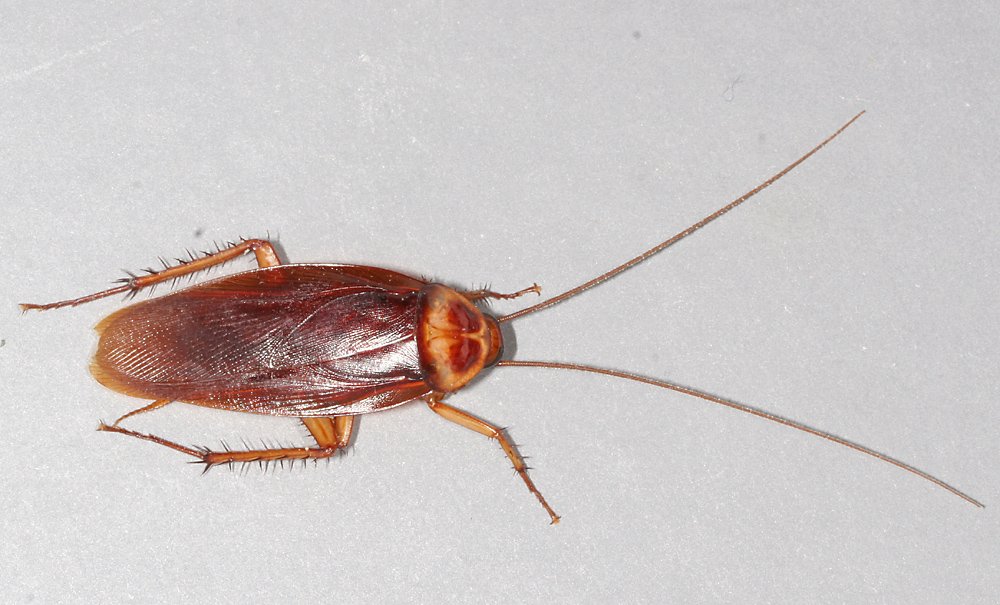
- The sewer giants: inch-and-a-half mahogany roaches surfacing through basement floor drains, especially after summer storms — commuters from the municipal underworld, heaviest in the older neighborhoods and anywhere near the restaurant districts. Monthly water down unused drain traps closes their main door free.
- The storefront-and-restaurant economy: food-service density seeds background pressure into the blocks around it — the roach version of the same geography that shapes our Dayton rodent work. Commercial kitchens themselves run on our documented monitoring programs; the homes nearby benefit from knowing which way the pressure flows.
Why Unit-by-Unit Treatment Fails Downtown (and What Works)
The biology is unforgiving: kitchen roaches reproduce on a 50-day clock, and a party wall is not a barrier — it’s a highway with insulation. Spray one unit and the population shifts next door for eight weeks, then returns; fog one unit (the classic Dayton rental mistake) and you actively drive roaches deeper into the shared voids, spreading the infestation while coating the kitchen in residue — the full indictment lives on our bug bomb page. What clears a connected building is coordinated placement-based work: gel baits and insect growth regulator in every unit’s hinge lines, appliance voids, and plumbing penetrations in the same service window, monitors reading the population trend, and follow-ups timed inside the reproduction cycle so each hatch meets a treated kitchen. For tenants: Ohio’s habitability framework puts serious roach infestations squarely in the landlord conversation, and our written inspection findings — species, evidence, distribution — are built to carry that conversation. For owners and managers: the building-level program costs less than the eternal unit-by-unit cycle, and we’ll show the math. The species distinctions that drive all of it are in our library: the Ohio lineup, what a nymph sighting means, and why daylight roaches mean crowding.
The Old-Basement Front
Dayton’s pre-war basements — stone walls, floor drains, coal-room corners, chronic damp — are the American and Oriental roaches’ city headquarters, and the program there is infrastructure-first: water and mineral oil down every unused trap monthly, mesh screening on sump lids and drain grates, dehumidification to strip the damp these species require, sealed gaps where laterals and utilities pierce the foundation, and low-zone baiting along the routes the flashlight finds. It’s the same playbook our water bug page teaches homeowners, executed with professional materials and backed by the perimeter band. Two Dayton-specific notes: post-storm surfacing surges are normal for a week after heavy rain (the sewers flood; the tenants evacuate upward) and mean drains, not infestations — but a steady year-round basement patrol means a breach or a chronically dry trap worth hunting. And any basement roach sighting in a building with a restaurant at street level deserves the building conversation early; the vertical routes are shorter than anyone thinks.
The Dayton Roach Calendar
Kitchen-species pressure runs year-round — heated buildings have no winter — with importation spikes at moving season (cardboard is the number-one arrival vehicle citywide) and the holidays. The sewer roaches surge after April-May storms and again in late-summer heat; August is the city’s peak visible-roach month on both fronts. Fall cooling concentrates everything indoors, which makes September and October the strategic window for building-level programs — clearing populations before winter density peaks. And January’s quiet is a trap: infestations don’t pause, they just stop being seen, and the spring surprise is always a winter’s worth of compounding. The honest bottom line for the city’s renters and owners alike: Dayton roach problems are absolutely clearable — we do it weekly — but the connected-building math means the earlier the coordinated program starts, the smaller it is. One flat price residential, documented agreements for multi-unit and commercial, the method on our cockroach control page, and everything else we do in the city on the Dayton pest control page.
Roaches in a Dayton Kitchen — or a Dayton Building?
Species confirmed free, the connected-building math shown honestly, and coordinated treatment that actually ends it — flat-priced, guaranteed, citywide.
Frequently asked questions
Why do roaches keep coming back to my Dayton apartment?
Because connected buildings share populations — kitchen roaches travel party walls, wire chases, and plumbing runs, refilling a treated unit from untreated neighbors on a two-month cycle. Building-level coordinated treatment is the fix, and we document the case for landlords.
What are my rights as a Dayton tenant with a roach infestation?
Ohio’s habitability framework puts serious infestations in the landlord’s court — and our written inspection findings (species, evidence, distribution) are built to carry that conversation. Most managers act on documented findings; the ones who don’t have created a record.
What is the huge roach in my Dayton basement?
An American cockroach — a sewer commuter surfacing through floor drains, heaviest after storms and in the older neighborhoods. Monthly water down unused traps, screened sumps, and a dry basement close the route; one sighting is a commuter, a steady patrol is a breach.
Should I bomb my apartment for roaches?
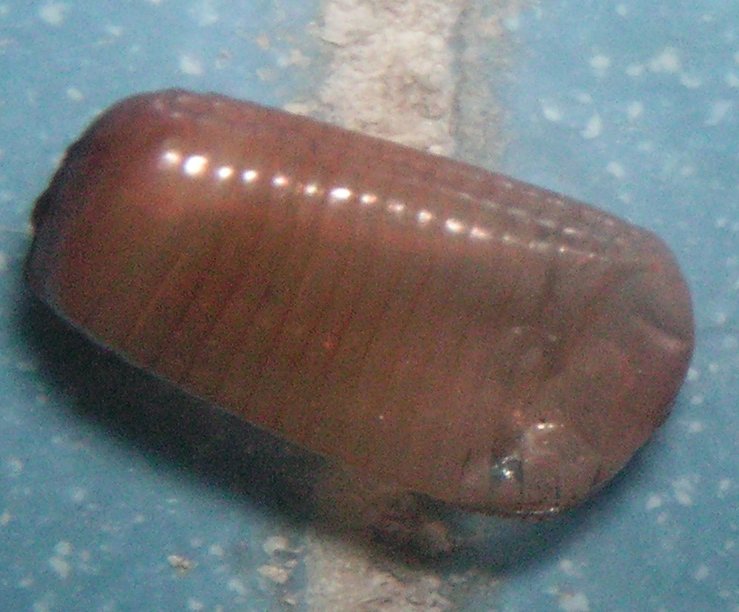
No — foggers drive roaches deeper into shared voids and into the neighbors’ units, spread the problem building-wide, and miss the protected egg cases entirely. Crevice-placed baits with growth regulator, coordinated across units, is what actually clears connected housing.
How do roaches spread between Dayton apartments?
Through the building’s own anatomy: party walls, utility chases, shared plumbing, and hallway traffic — plus cardboard moving between units. It’s why single-unit victories are temporary and why we treat buildings, not addresses, downtown.
Why do roaches surge after summer storms in Dayton?
Heavy rain floods the old sewer network and pushes the American roach population upward through drains and laterals — a week of surfacing is normal. Persistent basement patrols beyond that window mean a dry trap or a breach worth finding.
Do clean apartments get roaches in Dayton?
Constantly — the kitchen species arrives in cardboard and secondhand appliances and travels shared walls regardless of housekeeping. Sanitation controls compounding speed, not arrival; the building’s connectivity matters more than any one kitchen’s counters.
How long does it take to clear a roach infestation in a Dayton building?
Coordinated building programs typically bend the curve in one reproduction cycle — six to eight weeks — with monitors proving it. Unit-by-unit efforts in connected housing, by contrast, can run indefinitely; that’s the math we show owners up front.