
Kettering’s ant problem is a mid-century problem. This is Ohio’s definitive post-war suburb — block after block of 1950s and ’60s ranches and split-levels under silver maples that have had seventy years to mature — and every element of that recipe feeds a specific ant economy: aging concrete driveways and patios whose expansion joints house pavement ant cities, huge shade trees running aphid farms that bankroll odorous house ant colonies, and original roofs, gutters, and bathroom plumbing reaching the age where slow moisture turns sills and window frames into carpenter ant real estate. We treat ants across every neighborhood from the Fraze to the Moraine line, and this page covers what we actually find in Kettering kitchens — and how we end it at the colony, not the countertop.
The Three Ants That Run Kettering
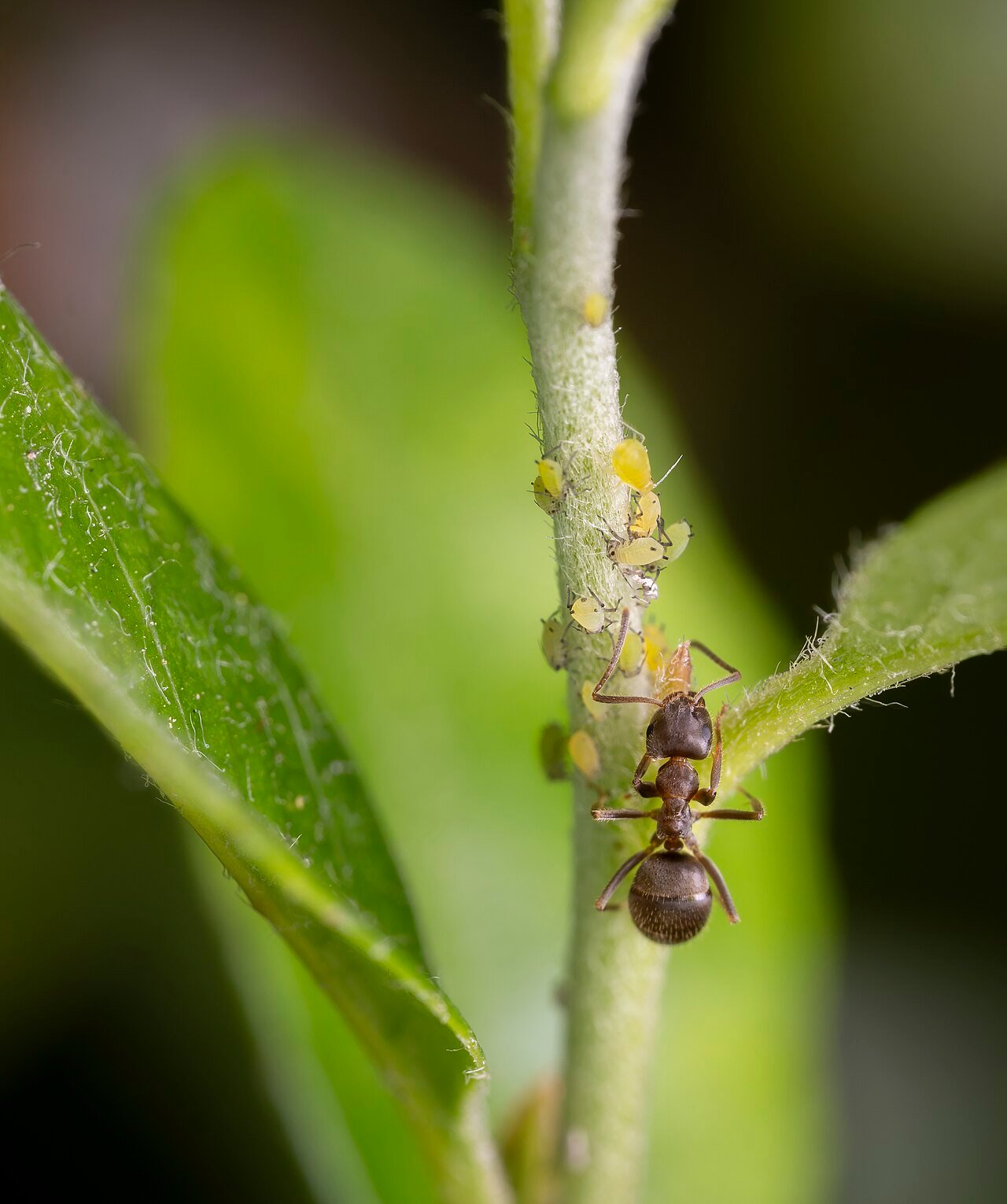
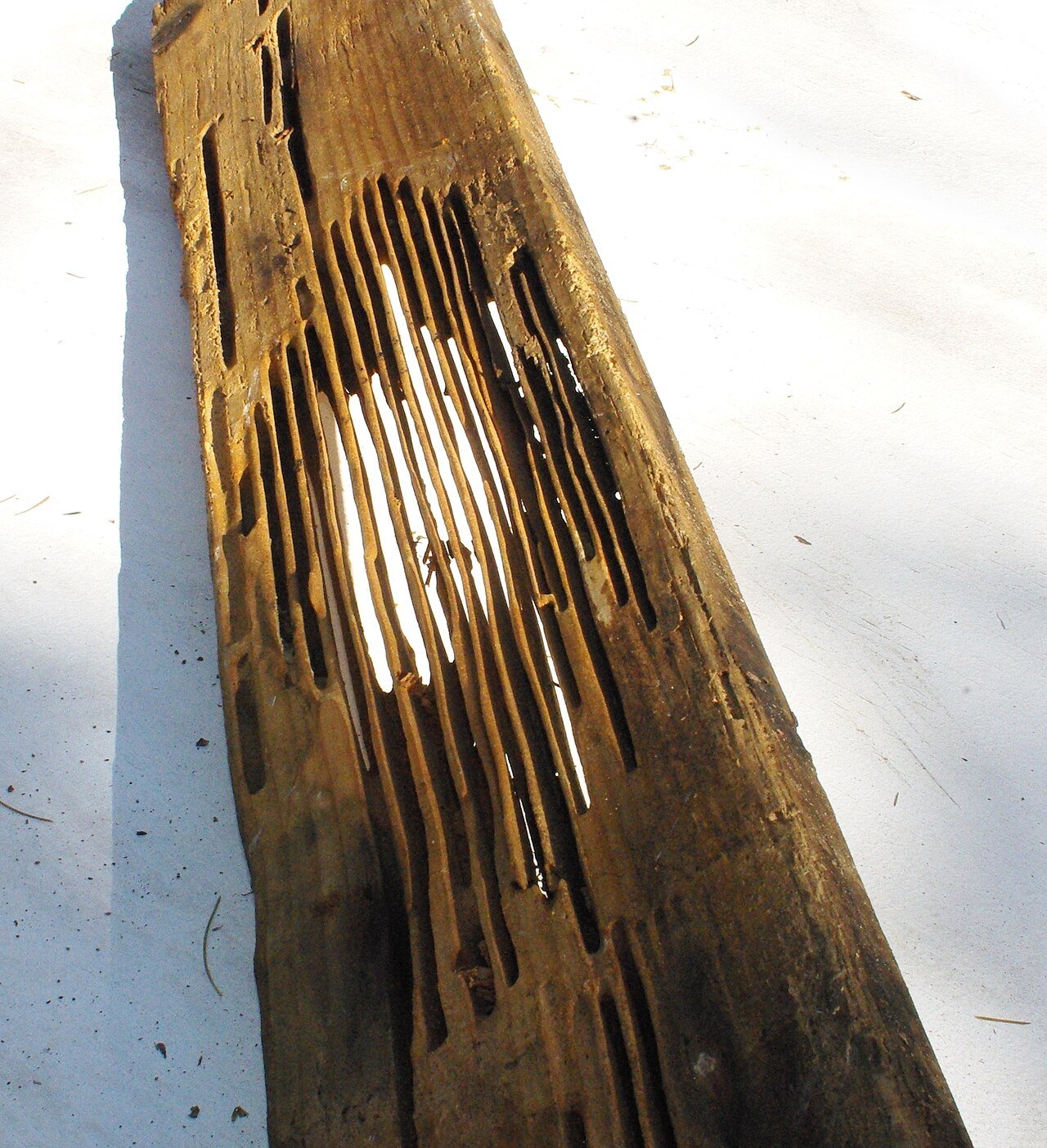
Odorous house ants are the city’s default kitchen invader — the small dark trails that appear along the backsplash after a June rain. Kettering’s mature landscaping is the engine: seventy-year-old maples and oaks host the aphid colonies whose honeydew feeds these ants all season, and when weather disrupts the supply, the nearest ranch kitchen becomes the backup pantry. Crush one and smell rotten coconut — that’s the ID, and it matters because this species punishes DIY spraying by splitting one colony into several (our odorous house ant guide explains the budding problem). Pavement ants are Kettering’s second signature, and the city’s concrete is why: driveways, patios, and sidewalks poured in the Eisenhower administration have spent decades developing the cracked joints these ants colonize, and the little sand volcanoes along your drive every May are their calling card. Carpenter ants round out the trio in the leafier sections — big black ants whose presence indoors, especially in spring, points to moisture-softened wood somewhere in a house that’s likely had one roof, one addition, and one plumbing surprise too many. Details worth reading before you panic: carpenter ants in Ohio.
Why Kettering Houses Get Ants (It’s Not the Housekeeping)
The pattern we see on service calls is architectural, not sanitary. Mid-century construction put slab porches and stoops directly against framing — a classic ant highway — and seventy years of settling has opened hairline gaps at thresholds, sill plates, and the brick-to-siding transitions common in Kettering’s split-levels. Crawl-space sections hold humidity that softens rim joists; original single-pane window frames wick condensation every winter; and the mature-tree canopy that makes streets off Far Hills so pleasant also bridges branches onto rooflines and drops honeydew-producing aphids onto every foundation shrub. Add the city’s vintage concrete — more linear feet of cracked expansion joint per lot than almost anywhere in the region — and Kettering offers ants more infrastructure than nearly any newer suburb. The upside: infrastructure problems have infrastructure fixes, and they hold.
How We Treat Ants in Kettering
- Identification first: the three Kettering species take three different treatments, so every job starts with a positive ID under magnification — and honest advice if what you have is a harmless field ant mound in the lawn.
- Non-repellent baiting at the colony: slow-acting baits placed on the trails ants are already running, carried home to the queens — the approach that ends colonies instead of scattering them. No repellent sprays across kitchen counters, ever.
- Exterior perimeter treatment: a treated band at the foundation, with special attention to stoop junctions, threshold gaps, and the expansion-joint network that feeds pavement ants indoors.
- Moisture and access counsel: if your carpenter ant evidence traces to a damp sill or a branch bridging the roof, you’ll get the specific fix in writing — because the gutter matters more than the chemical.
- The Protection Plan guarantee: quarterly exterior service with free re-treatments between visits — built for exactly the kind of persistent, landscape-driven ant pressure Kettering generates. Details on our service plans page.
The Kettering Ant Calendar
Ant season here opens in March and April with carpenter ant activity in the older housing — indoor sightings now mean an overwintering colony in the structure, the year’s most important early warning. May brings the pavement ant emergence along driveways and patios, including the dramatic sidewalk-crack swarm battles this species stages. June through August is odorous house ant prime time — every warm rain pushes flooded colonies toward kitchens, and the post-storm trail is practically a Kettering tradition. September and October bring the last big foraging push as colonies provision for winter — and the fall window when perimeter treatment and threshold sealing pay off double, catching colonies at their hungriest while closing the doors before frost drives everything inward. If you’re seeing steady indoor trails in January, the colony is wintering inside the envelope — worth a call rather than a wait.
DIY First? Here’s the Honest Version
Plenty of Kettering ant problems are solvable without us, and our library says exactly how: bait-don’t-spray fundamentals in ants in the house, the outdoor colony playbook in outdoor ant control, and straight grades on the home remedies — vinegar, borax, baking soda — plus the pet-safe approach for households with dogs and cats. The call-us thresholds: trails that outlast two weeks of correct baiting, any big-ant-plus-sawdust combination, winter trails, and the multi-species pileup where one kitchen hosts two different ants running two different diets — a bait-matching puzzle that’s genuinely our specialty. One flat price, a licensed local applicator, and the colony handled at the source; the full method lives on our ant control service page, and the rest of what we do in this town is on the Kettering pest control page.
Ant Trail on a Kettering Counter?
Species identified, colony baited at the source, perimeter sealed — one flat price, guaranteed, from a company that works your streets every week.
Frequently asked questions
Why does my Kettering house get ants every June?
Warm rains flood the odorous house ant colonies living under Kettering’s mature landscaping, and the aphid honeydew supply on the big shade trees gets disrupted — so colonies reroute to the nearest kitchen. It’s a neighborhood-scale weather pattern, not a housekeeping verdict.
What are the little dirt piles along my Kettering driveway?
Pavement ant colonies excavating the expansion joints — the city’s 1950s-and-’60s concrete offers more cracked joint habitat than almost any newer suburb. The sand volcanoes are harmless outdoors; treatment matters when trails move indoors.
Are big black ants in an older Kettering home serious?
Worth attention — carpenter ants indoors, especially in early spring, usually mean a nest in moisture-softened wood: an aging sill, a leak-stained frame, a damp rim joist in the crawl space. The moisture fix and the ant fix travel together.
Do you spray inside Kettering kitchens for ants?
No — repellent sprays scatter colonies and can make odorous house ants split into several nests. We use targeted non-repellent baits the workers carry to the queens, plus exterior perimeter treatment where the pressure originates.
Can you treat ants without risk to my dog or cat?
Yes — enclosed bait placements and exterior-first treatment keep active ingredients away from pets, and we walk you through the specifics room by room. Most Kettering ant jobs need nothing a pet can reach.
How fast does professional ant treatment work?
Trails typically swell for a day or two as workers haul bait home — that’s the plan working — then collapse within one to two weeks as the colony fails. The Protection Plan guarantees re-treatment free if anything rebounds between quarterly visits.
Which Kettering neighborhoods see the most ant pressure?
The mature-tree blocks — the older sections off Far Hills and around Town & Country — run the heaviest odorous house and carpenter ant pressure, while every neighborhood with original concrete contributes pavement ants. Newer infill sees lighter, later-season activity.
Do you treat ants in Kettering crawl spaces?
Yes — the city’s crawl-over construction puts colonies and their moisture sources under the living space, and crawl-level placements plus the humidity counsel reach what surface treatment never will. It’s the same under-floor discipline the rest of Kettering’s ledger runs.
For the rest of what this town actually deals with, see bed bug treatment in Kettering, wasp & hornet removal in Kettering, and cockroach control in Kettering.