There is a four-figure rodent subsidy running in Centerville’s backyards, and it’s made of sunflower seed. This is a town that takes its bird feeding seriously — premium feeders on shepherd’s hooks, heated baths, suet programs running all winter across the big treed lots off Franklin Street and through the stone-house district. Every one of those stations drops a nightly ration of spilled seed, and spilled seed is the most reliable rodent provisioning system suburban America has ever devised. Rodent control in Centerville has to start from that ledger: the town’s mice and the occasional rat are not surviving in spite of the landscaping standards — they are underwritten by them. We call it the feeder subsidy, and managing it — without asking anyone to give up their cardinals — is the local art.
The Subsidy’s Books
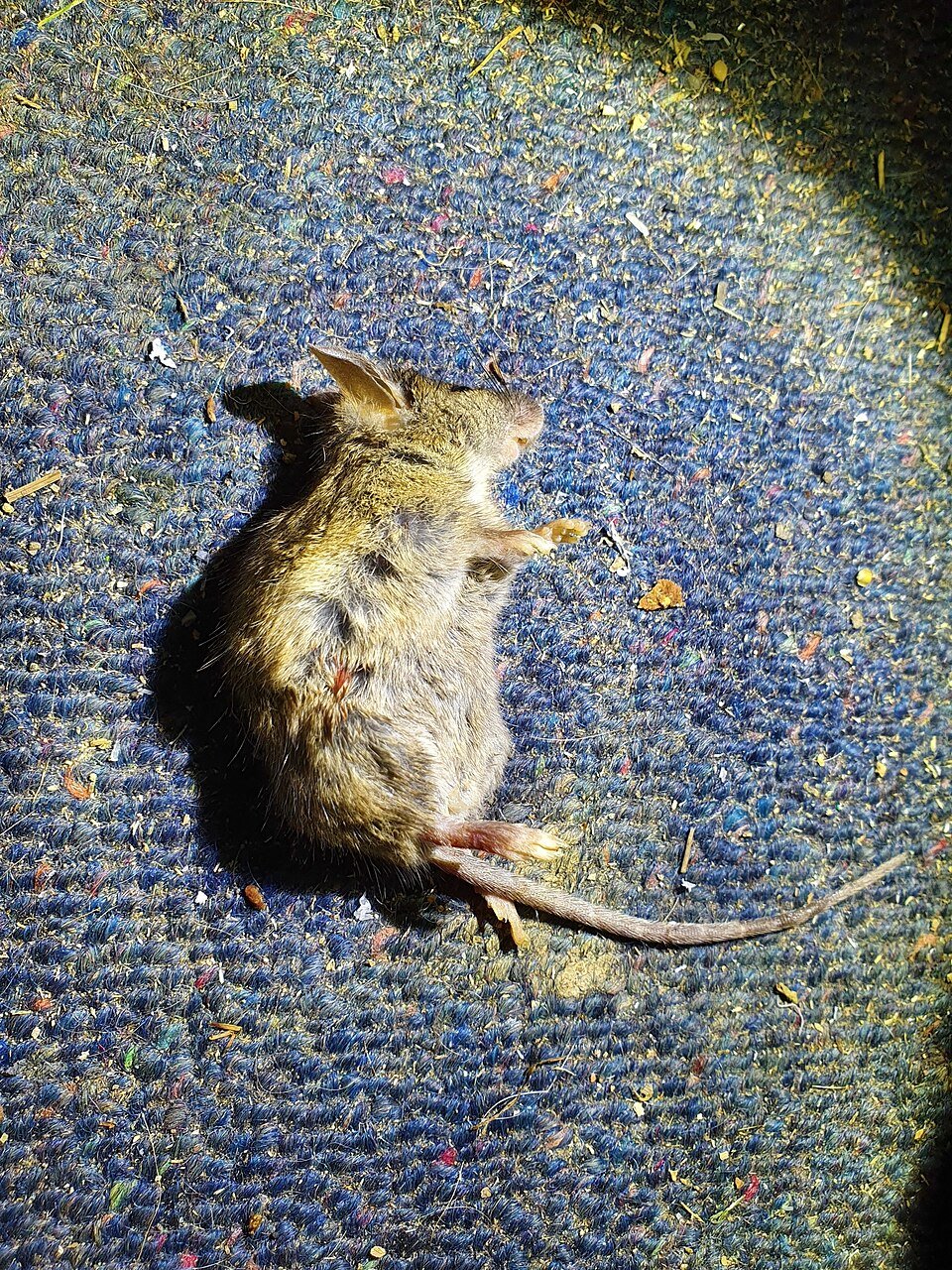
Run the numbers the way a mouse does. A busy feeder scatters a steady fraction of its throughput — jays sweep seed off the tray, house finches drop hulls with meat attached, squirrels raid and spill. That waste lands in the mulch below, a shaded, sheltered zone that doubles as perfect runway habitat, and it renews every single day including the coldest ones, when wild food is scarcest and a heated bath is providing open water besides. A single well-stocked station can carry a breeding population of deer mice or white-footed mice through an Ohio winter within thirty feet of a foundation. Multiply by a neighborhood’s worth of feeders and Centerville’s handsome backyards run a distributed, weatherproof provisioning network — which explains the pattern our techs see constantly: pristine house, immaculate garage, and a rodent pressure profile that makes no sense until someone looks out the kitchen window at the feeder line.
From Feeder to Foundation
The commute is short and predictable. Mice provisioned at the feeder zone den in the nearest cover — the stone retaining walls this town builds so well, the dense foundation plantings, the wood pile — and when October’s temperature line moves, they follow the foundation to the first gap: the garage-door corner gasket, the utility penetration behind the meter, the sill gap under the deck door. The interior calls we run in the stone district in November trace backward down that exact chain, and the chain is the treatment map: manage the subsidy, harden the cover, seal the routes.
Keeping the Birds, Losing the Mice
- The catch-tray retrofit: seed catchers under existing feeders intercept the spill before it banks — the single highest-leverage change, and the birds never notice
- Feeder placement: stations moved beyond the thirty-foot commute radius from the foundation break the den-to-food economics
- No-mess blends: hulled seed costs more per bag and less per winter — nothing viable reaches the ground
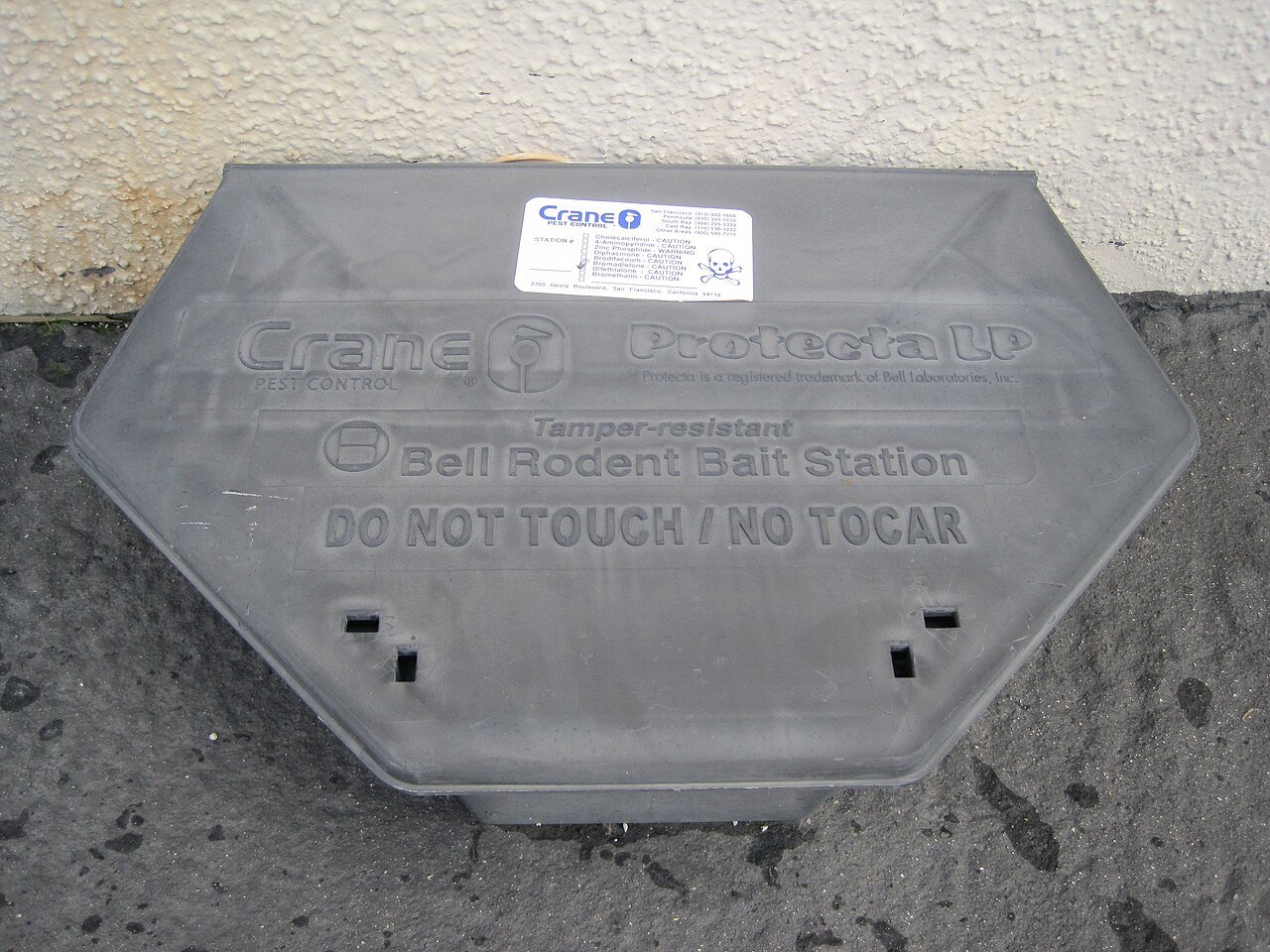
- Station-and-seal program: exterior bait stations along the actual commute lines, plus exclusion work on the gasket corners, penetrations, and sill gaps the stone district’s architecture hides
What we don’t do is prescribe feeder removal. It doesn’t get followed — Centerville’s bird culture is non-negotiable, correctly — and it isn’t necessary. A managed feeder line is compatible with a rodent-free house; an unmanaged one is a standing work order. The distinction is the catch tray, the placement, and the seal, in that order of leverage.
The Centerville Ledger, Complete
This page closes the town’s set, and the through-line is now visible across all eight files: Centerville’s pest pressure is the shadow price of its standards. The irrigation that keeps the lawns perfect subsidizes the ants and the termites; the stone walls that define the streetscape house the wasp colonies; the entertaining calendar feeds the roach file and the holiday convergence; the manicured shade runs the flea clock; the mature plantings anchor the spider economy; and the feeders underwrite the mice. None of it is neglect — it’s investment, casting a biological shadow. A provider who reads the investments reads the town, and services all eight files without asking Centerville to be less Centerville. The full file lives on our Centerville service page.
Audit the Subsidy
One walk-around prices your yard’s rodent ledger — feeder line, cover, and commute routes — and one program closes it: catch trays, placement, stations, and seals. The cardinals stay. The mice don’t.
Frequently asked questions
Do bird feeders really cause mouse problems?
They’re the most consistent rodent subsidy in suburban Centerville — daily spilled seed, renewed through the exact winter months when wild food is scarcest, landing in sheltered mulch within commuting distance of a foundation. The feeder isn’t the crime; the unmanaged spill is.
Do I have to take my feeders down?
No — and we won’t pretend you would anyway. Catch trays, placement beyond the thirty-foot foundation radius, and no-mess hulled blends make a serious bird program compatible with a rodent-free house. Managed, not removed.
Why does my immaculate house have mice?
Because house cleanliness was never the variable — exterior provisioning and entry gaps are. A pristine kitchen thirty feet from a spilling feeder and a worn garage gasket is exactly the profile our November stone-district calls share.
What’s living in my stone retaining wall?
Prime denning habitat — deer mice and chipmunks use the voids year-round. The wall isn’t a problem to fix; it’s a commute node to manage with stations on the route and seals at the house end.
How are mice getting into my garage?
The bottom corner gaskets, almost always — the flexible seal wears into a mouse-sized arch at each end. Rodent-rated gasket corners plus the utility-penetration check close the two routes that account for most Centerville entries.
Are rats a problem in Centerville?
Far less than mice — but heavy ground-feeding stations and open compost can recruit them along the creek corridors. The same subsidy management that handles mice removes the invitation before it’s accepted.
Is the bait safe around birds, pets, and kids?
Stations are locked, anchored, and placed on rodent commute lines — not open bait, ever. And half our Centerville program is non-toxic anyway: trays, placement, exclusion. The poison is the smallest tool in the kit.
What does rodent control cost in Centerville?
Flat-priced service with the exclusion assessment included — and the honest version of the quote sometimes says your biggest line item is a $30 catch tray and a feeder moved forty feet, with our stations doing cleanup rather than heavy lifting.
The Winter Test
If you want to know whether your yard is running the subsidy, run the winter test: the morning after the season’s first real snow, walk the feeder line and read the ground. Fresh snow is a guest book — mouse trails show as stitched dotted lines with occasional tail drags, running from the mulch beds and wall voids to the seed shadow beneath each station and back. No prints, no problem: your spill management is working. A beaten path means the ledger is open and the commute is established, and it’s worth a call while the population is still denned outside — because the same snow that shows you the trails is the cold that will push the commuters toward your garage gasket by January. Ten minutes with your morning coffee, once a winter: the cheapest rodent inspection in Centerville, and you don’t even need boots if the porch view is good.
Also in Centerville: a lender-ready termite and WDI inspection for a purchase or listing — $99 flat on the NPMA-33.