Centerville’s wasps nest in its investments. The mature canopy that shades the town’s best streets hangs the aerial habitat; the stone borders, dry-stacked retaining walls, and landscape boulders that define its yards offer void-nesting real estate yellowjackets prize above almost anything; and the outdoor-living build-out — pergolas, outdoor kitchens, pavilions, pool surrounds — adds sheltered horizontals precisely where families spend their evenings. The result is a wasp season that concentrates on the landscape features the town is proudest of, and a removal practice that has to work around stonework, specimen trees, and hardscape nobody wants scarred. Here’s the Centerville file — the stone-wall colony above all, because it’s the call that defines wasp work in this zip code.
The Stone-Wall Colony: Centerville’s Signature Call
A dry-stacked retaining wall is, to a yellowjacket queen, a pre-built fortress: weatherproof voids by the hundred, thermal mass holding warmth, and entrances too numerous to map. Colonies founded in May build invisibly through summer — traffic at one or two gaps between stones reads as “a few wasps” until August, when the steady stream announces a nest of thousands inside the wall’s core. The DIY failure mode here is absolute: spraying the visible gaps kills doorkeepers while the colony reroutes through a dozen alternates (sometimes into the lawn above, occasionally toward the patio the wall borders), and expanding foam — the folk remedy of choice — entombs nothing while redirecting everything. The professional protocol respects both the colony and the stonework: dusk treatment with materials injected at the active entrances and carried into the void network by the workers themselves, no dismantling, no staining, follow-up verification that the core went quiet, and only then the optional gap-tightening at the courses the colony used. Garden-wall, boulder-cluster, and railroad-tie variants run the same playbook — and the same patience: stone-void colonies are the one nest category where we schedule the follow-up before we leave, because thermal mass hides survivors that a soffit job would show in a day.
The Rest of the Estate File
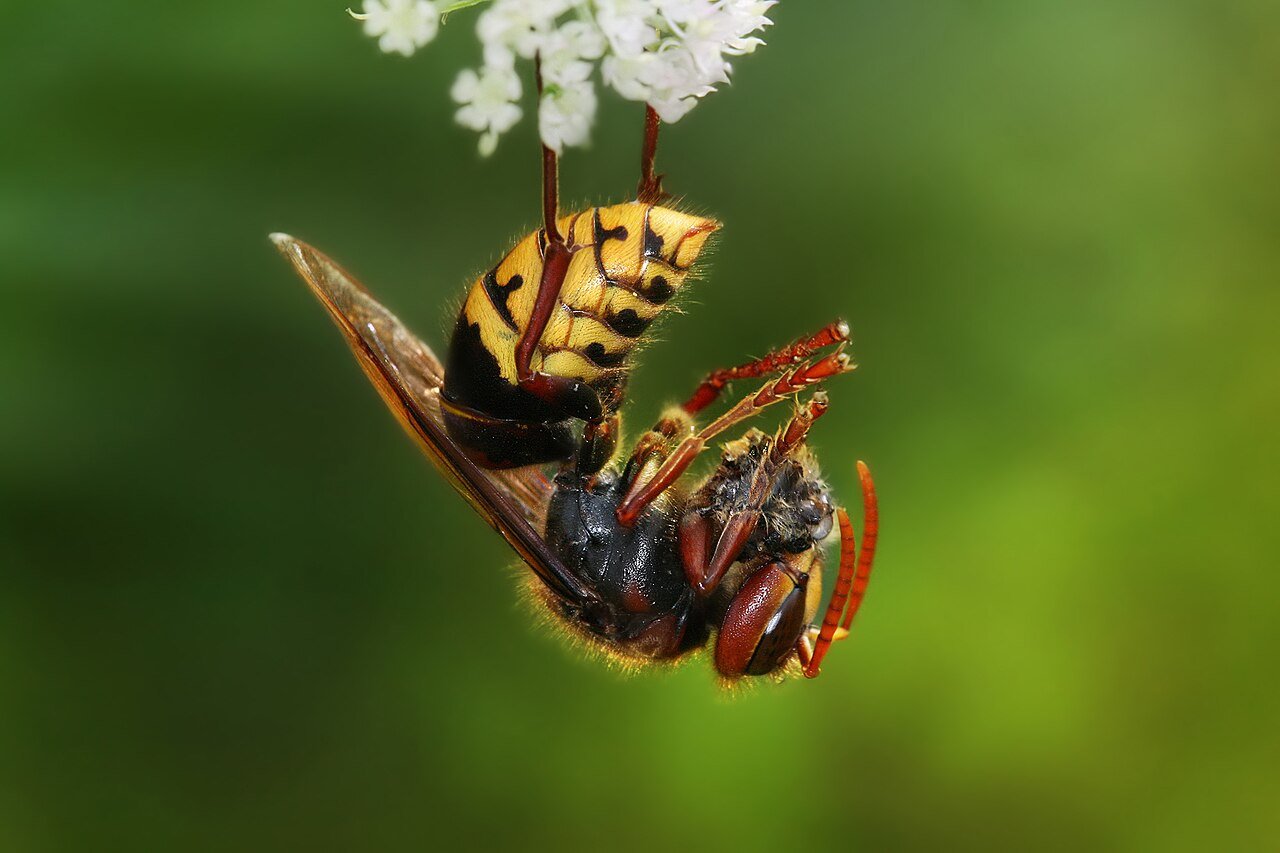
- The canopy aerials: bald-faced footballs in the mature oaks and maples — the August discovery, triaged by the standard rules: high-and-away earns the frost pass, low-or-over-traffic earns the dusk removal. Specimen trees get treated from the ground or ladder without limb damage, always.
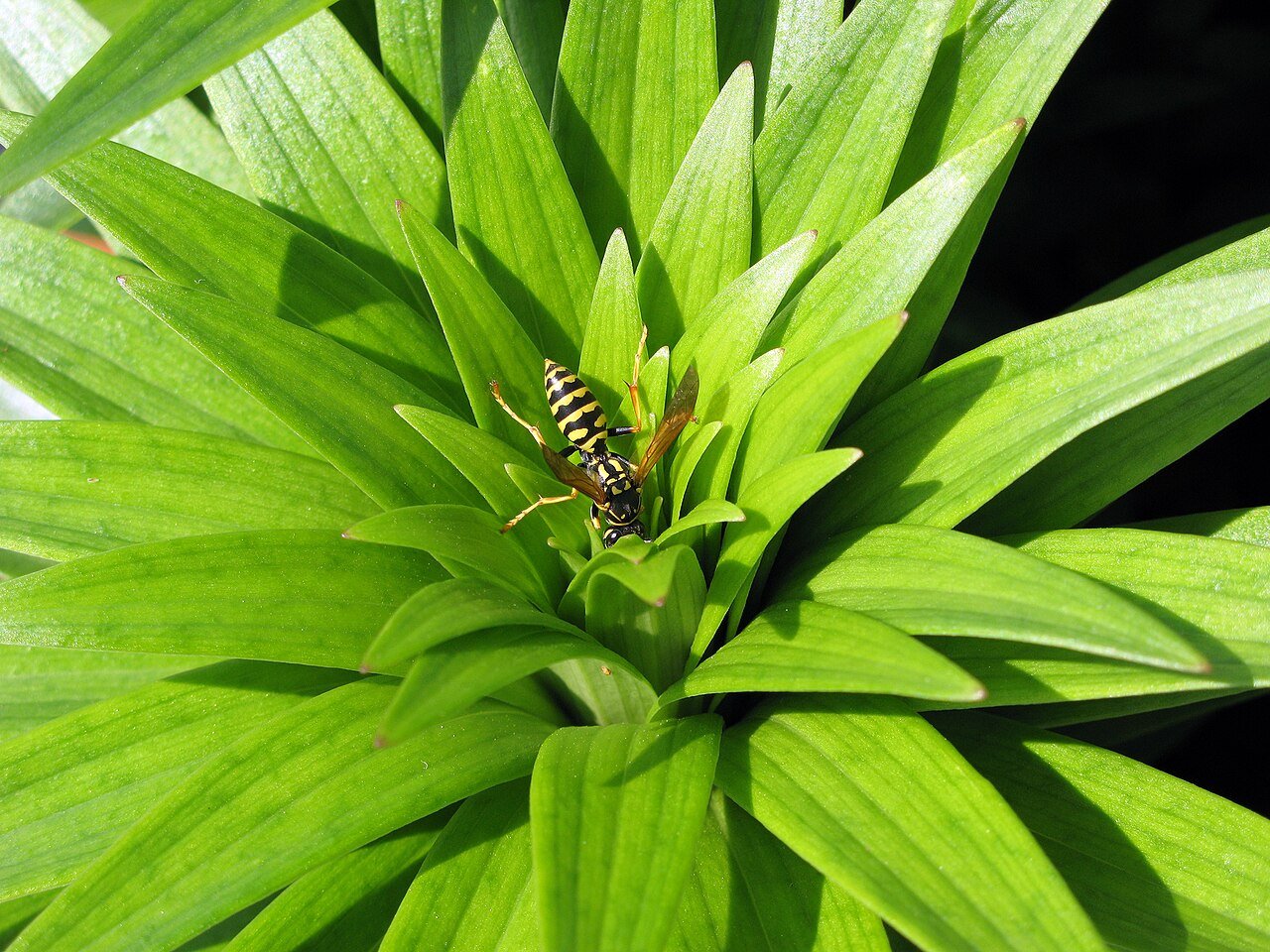
- The outdoor-living structures: paper wasp umbrellas under pergola beams, pavilion ceilings, outdoor-kitchen counters, and pool equipment lids — the family-contact zone, patrolled April through June at the broom stage and treated at dusk after.
- The irrigated-garden economy: the same lush landscaping that runs the town’s ant and flea files feeds wasp colonies’ insect-hunting all summer — a healthy sign, managed rather than resented.
- The historic-district stonework: the early stone buildings’ deep mortar voids occasionally host colonies at architectural scale — treated with the same no-damage discipline as the retaining walls, and sealed by a preservation-minded hand afterward.
- The harmless giants: July’s cicada killers over the sunny lawn edges — the standing free acquittal, delivered weekly in this town.
Working Around What You’ve Built
Centerville removal practice is as much about what we don’t damage as what we treat: no staining dusts on visible stone faces (materials chosen and placed for invisibility), no pressure applications near specimen plantings, pool-area treatments timed and selected for swim-safe re-entry, and the pergola-and-pavilion work done with the finishes in mind. The prevention counsel follows the same logic — gap-tightening on the stone courses colonies used (after, never before, the colony dies), spring patrols of the outdoor-living structures folded into opening-the-patio season, and the September sealing of soffit and structure gaps that every town’s file shares. Sting first-aid and the emergency escalation signs live at sting treatment; the family taxonomy at wasp vs. hornet and the yellowjacket file; and honey bee swarms — which the flowering landscape draws in spring — get the beekeeper referral, never a treatment.
The Centerville Calendar and Bottom Line
April–June: queen season and starter nests — the patrol months, cheapest interventions of the year. July: colonies build in the walls and canopy; cicada killers run their harmless show. August: discovery season — the stone-wall streams and canopy footballs announce themselves at full garrison. September: peak size, peak defensiveness, sugar-switched foragers at the patio — and peak call volume. October: frost closes the colonies; gap-tightening and sealing close the year. Same-week response, same-day for doorway nests and allergy households, one flat price quoted before any ladder or wall work begins — the service at professional wasp nest removal, and the town’s whole ledger at Centerville pest control.
Steady Stream From the Retaining Wall?
The stone-void specialists: dusk treatment, no damage, verified quiet, and the gap-tightening after — flat-priced and guaranteed across Centerville.
Frequently asked questions
Wasps are streaming from a gap in my retaining wall — what is it?
A yellowjacket colony in the wall’s void network — Centerville’s signature wasp call. Founded in May, invisible until August, and thousands strong inside the core by discovery. It needs dusk treatment injected at the active entrances, never a spray at the visible gap.
Why can’t I just spray or foam the wall gaps?
Both fail the same way: doorkeepers die, the colony reroutes through a dozen alternate gaps — sometimes into the lawn above or toward the patio — and foam entombs nothing. Worker-carried materials at dusk reach the core; the follow-up verifies quiet.
Will treatment damage or stain the stonework?
No — materials are chosen and placed for invisibility, nothing gets dismantled, and gap-tightening on the used courses happens only after the colony is verified dead. The no-damage discipline extends to specimen trees, finishes, and pool areas.
When should we check the pergola and outdoor kitchen for nests?
April through June, weekly — starter umbrellas under beams, counters, and equipment lids are broom-stage problems for exactly those weeks. Fold the patrol into opening-the-patio season and July never gets a vote.
There’s a football-sized nest high in our oak — do we act?
Triage by altitude and traffic: thirty feet up and away from decks earns the frost pass (the colony dies completely and the nest is never reused); low, over a walk, or near a pool earns the dusk removal — ladder work without limb damage.
Is pool-area wasp treatment safe for swimmers?
Yes, with timing and selection — treatments around pool surrounds and equipment are scheduled and chosen for swim-safe re-entry, and we’ll give you the interval in writing before work starts.
What are the huge wasps hovering over the lawn edge in July?
Cicada killers — the standing free acquittal: two-inch solitary diggers whose hoverers can’t sting. No treatment sold, ever, for the town’s most dramatic harmless insect.
How fast can you reach a Centerville wasp emergency?
Same-week standard, same-day for doorway nests and sting-allergy households — flat price quoted before ladder or wall work begins, dusk treatment with proper gear, and stone-void jobs scheduled with their verification follow-up before we leave.