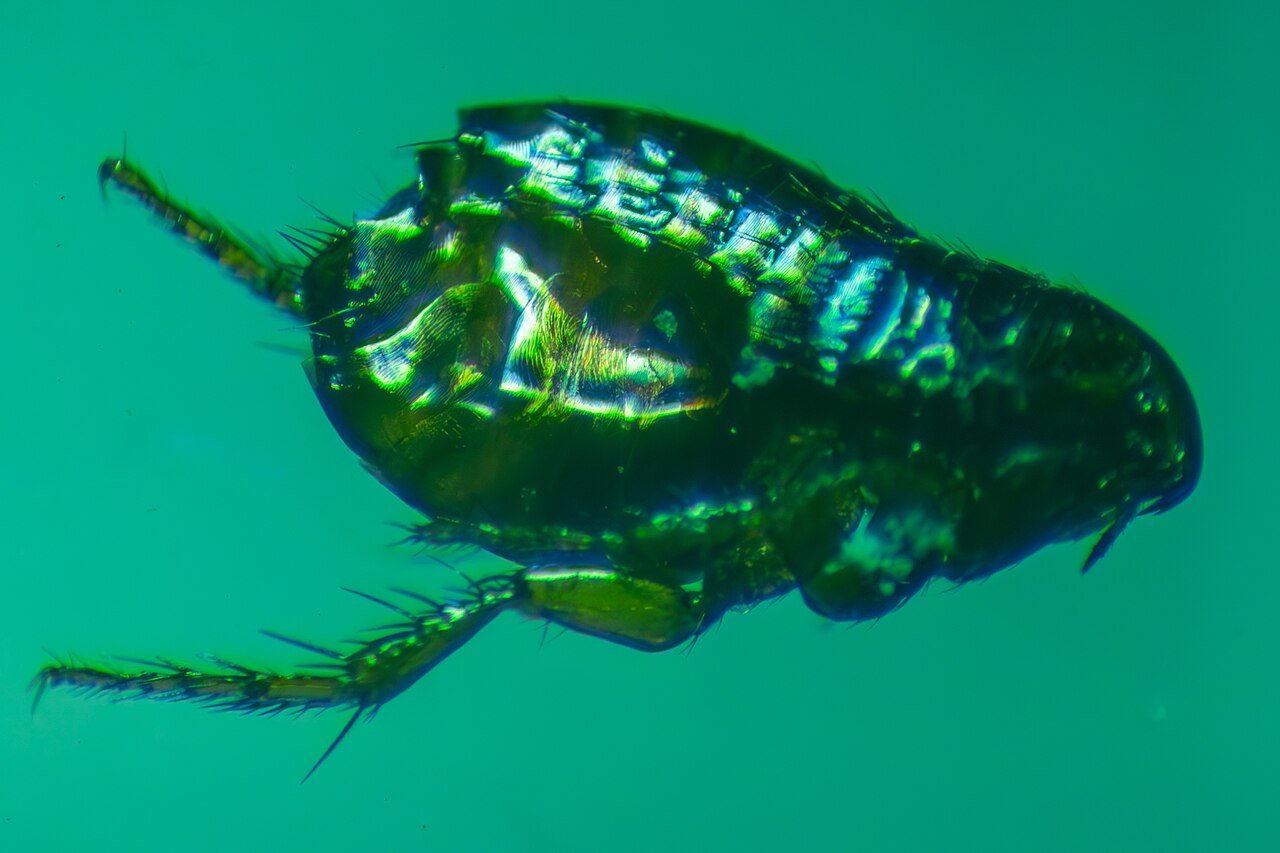
Centerville’s flea problem hides behind its landscaping budget. This is a town of deep, irrigated, professionally mulched lots under mature shade — and that combination builds better flea nurseries than any unkempt yard could: sprinkler-fed humidity in the bed margins, dense groundcover holding the damp, and shade canopy keeping the larval zones out of the sun that would kill them. Add one of the region’s densest dog populations — this is a golden-retriever town to its bones — plus the rabbit economy that manicured landscapes somehow always sustain, and the flea cycle here runs on quality infrastructure. The manicured-lawn paradox is real: we treat more flea jobs per capita on Centerville’s prettiest streets than in most of the plainer zip codes around them. Here’s why, and what actually breaks the cycle.
The Manicured-Lot Flea Machine
- Irrigation is larval life support: flea larvae die in dry soil — and automated sprinklers guarantee they never have to. The shaded, watered bed margin against the foundation is the single most productive flea habitat in town.
- Mulch depth shelters the cycle: the deep hardwood mulch this town refreshes annually insulates eggs and larvae from heat and drought — a two-inch bed is landscaping; a five-inch bed is a nursery.
- The rabbit subsidy: ornamental plantings feed a robust rabbit population whose nightly routes seed yards continuously — the reason “the dog never leaves the yard” households still restock. Groundcover beds and under-deck shadows are the drop zones.
- The dog density multiplier: more dogs per street means more hosts cycling more eggs through more shared spaces — the sidewalks, the cul-de-sac grass, the friends’ backyards — and a neighborhood-scale reservoir no single household controls.
- The indoor finish: larger homes with more carpet, more upholstered rooms, and more pet-access square footage give the indoor half of the cycle more real estate — which is why thorough premises treatment here is a mapping exercise, not a quick spray.
Breaking a Cycle That Infrastructure Sustains
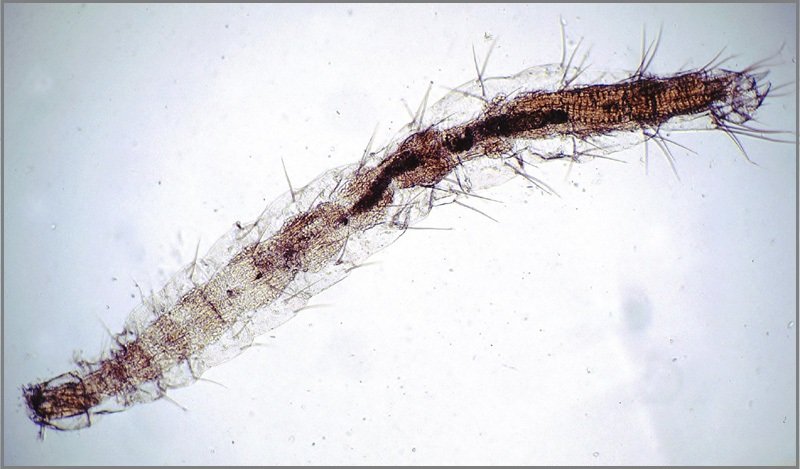
The two-front rule — every pet on veterinary preventives, premises treated simultaneously — is the constant everywhere; Centerville adds a third front: the irrigation-and-shade audit. Our yard treatment here maps the actual larval zones (sprinkler-fed bed margins, groundcover masses, deck and porch shadows, the rabbit runs along the back plantings) and treats those with growth regulator rather than fogging turf that sunny lawns already keep flea-free. The written counsel that accompanies it is Centerville-specific: shorten irrigation cycles on foundation zones, thin mulch to two inches against the house, gap the groundcover back from patios and play areas, and skirt or treat the deck shadow the dog favors. Indoors, the program runs the full map — carpeted rooms, the pet’s furniture circuit, the car — with adulticide plus insect growth regulator, and the honest pupal-window briefing: two to four weeks of declining stragglers is the program finishing, and the follow-up visit lands inside that window. The library carries the deep dives: the room-by-room campaign, the household evidence checks, and the ankle-bite pattern that announces overflow.
The Centerville Calendar (Irrigation Version)
The regional flea season — building from May, peaking July through September — runs a critical local variation: irrigated shade doesn’t break in drought. The August dry spells that naturally crash flea cycles in unwatered yards leave Centerville’s sprinkler-fed nurseries in full production, which is why late-summer infestations here outlast the neighbors’ and why the yard-treatment front matters more, not less, on the well-kept streets. Fall brings the indoor consolidation — any household that fought fleas through August should close the season with a premises knockdown rather than winter over a seeded carpet — and the heated indoor cycle runs all winter wherever autumn’s pupae landed. Spring’s job is prevention posture: preventives current on every animal before May, mulch and irrigation adjustments with the season’s first landscaping visit, and the under-deck and groundcover zones on the treatment calendar before the first hatch, not after. Our quarterly Protection Plan carries that rhythm, re-treats free between visits — and pairs naturally with the spider and general-pest work the same shaded, irrigated margins generate. The service itself, with pricing, is at flea treatment; the rest of the town’s file at Centerville pest control.
Fleas Outlasting the Nicest Yard on the Street?
Because the irrigation is feeding them — we treat the actual nurseries, sterilize the indoor pipeline, and tune the landscape that sustains the cycle. One flat price, guaranteed.
Frequently asked questions
Why does my well-kept Centerville yard keep getting fleas?
Because the upkeep is the habitat: irrigated, shaded, deeply mulched bed margins are ideal larval nurseries, and the rabbit routes through ornamental plantings reseed them nightly. The manicured-lawn paradox is real — and treatable at the actual nursery zones.
Does lawn irrigation really affect fleas?
Directly — flea larvae die in dry soil, and sprinklers guarantee they never face it. August droughts that crash flea cycles in unwatered yards leave irrigated foundation zones in full production; shorter cycles on those zones is written into our counsel.
Where in my yard do fleas actually live?
Not the sunny lawn — the shaded, humid margins: sprinkler-fed foundation beds, groundcover masses, under decks and porches, and the rabbit runs along back plantings. We map and treat those zones with growth regulator rather than fogging turf.
Our dog is on a preventive — why are we still seeing fleas?
The environment’s 95 percent — eggs, larvae, and pupae in the yard’s nurseries and the home’s carpet — keeps conveying doomed new fleas onto the treated dog for weeks. The premises front, indoors and out, closes what the preventive can’t.
Do rabbits really bring fleas into yards?
Continuously — the same species of flea runs rabbits, dogs, and cats, and every nightly crossing dusts eggs along the route. Gapping groundcover back from patios and managing the under-deck shadows cuts the drop zones.
Why do we keep seeing a few fleas after treatment?
The pupal window: sealed pupae resist treatment, hatch over two to four weeks into the treated environment, and die. Declining stragglers during that stretch mean the program is finishing — and the built-in follow-up lands inside the window.
Should we treat for fleas before or after the landscapers mulch?
Before — and ask for two inches against the house, not five: deep fresh mulch insulates the larval zone we just treated. Timing the yard treatment with spring’s first landscaping visit is the clean sequence.
What does flea treatment cost in Centerville?
One flat price covering the interior program (adulticide plus growth regulator, full map), the yard’s nursery zones, and the written irrigation-and-mulch counsel — with the follow-up visit included and re-treatment free under the quarterly plan.