Centerville’s ants live better than most ants — and that’s the problem. The town’s signature landscaping runs deep irrigated beds, stone borders and retaining walls, mature shade, and annually refreshed mulch, and every element is ant infrastructure: irrigation sustains colonies through droughts that would cull them anywhere else, stone work offers void-riddled nesting real estate no bare foundation can match, and the shaded mulch line is a nursery running the length of every house. Add the historic district’s early-1800s stone buildings — whose lime-mortar joints have hosted pavement ant dynasties for two centuries — and Centerville’s ant pressure is a landscaping feature wearing an insect costume. The fix, accordingly, is half treatment and half tuning. Here’s the local file.
Where the Landscaping Feeds the Colonies
- The irrigated bed margin: odorous house ant networks thrive in the sprinkler-fed foundation zones — the same humid margin our Centerville flea page maps for larvae feeds ant colonies through every August that should have thinned them. The post-rain kitchen trail here arrives on a sprinkler schedule as much as a weather one.
- Stone borders and retaining walls: dry-stacked and mortared stonework alike offer galleries of nesting voids — pavement ant sand piles at the joints are the visible sign, and colonies in retaining walls export foragers uphill into patios and kitchens all season.
- The mulch nursery: deep annual mulch insulates colonies and hides the foundation line — the two-inch rule (and a pulled-back margin of visible ground) converts the nursery back into a bed.
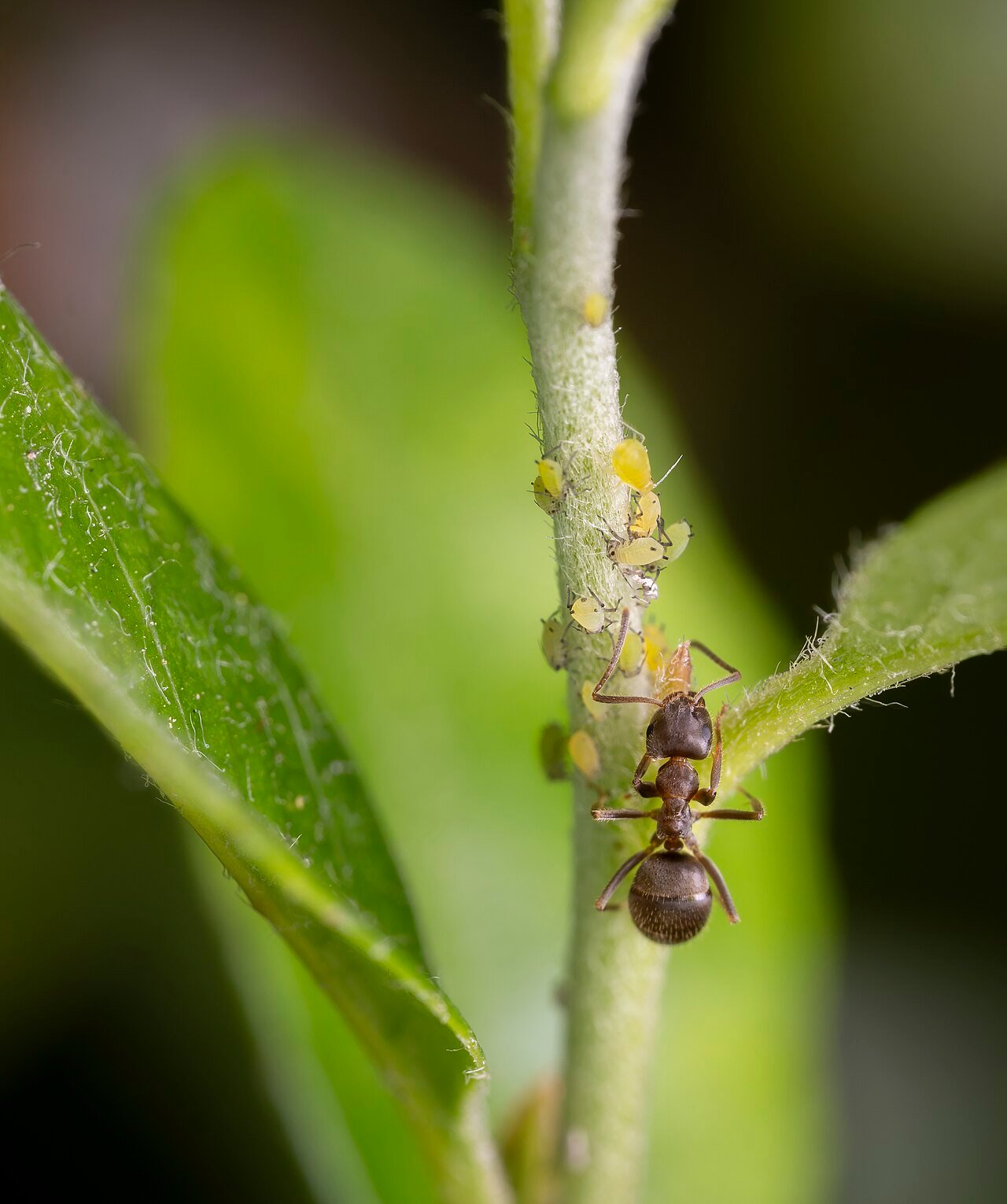
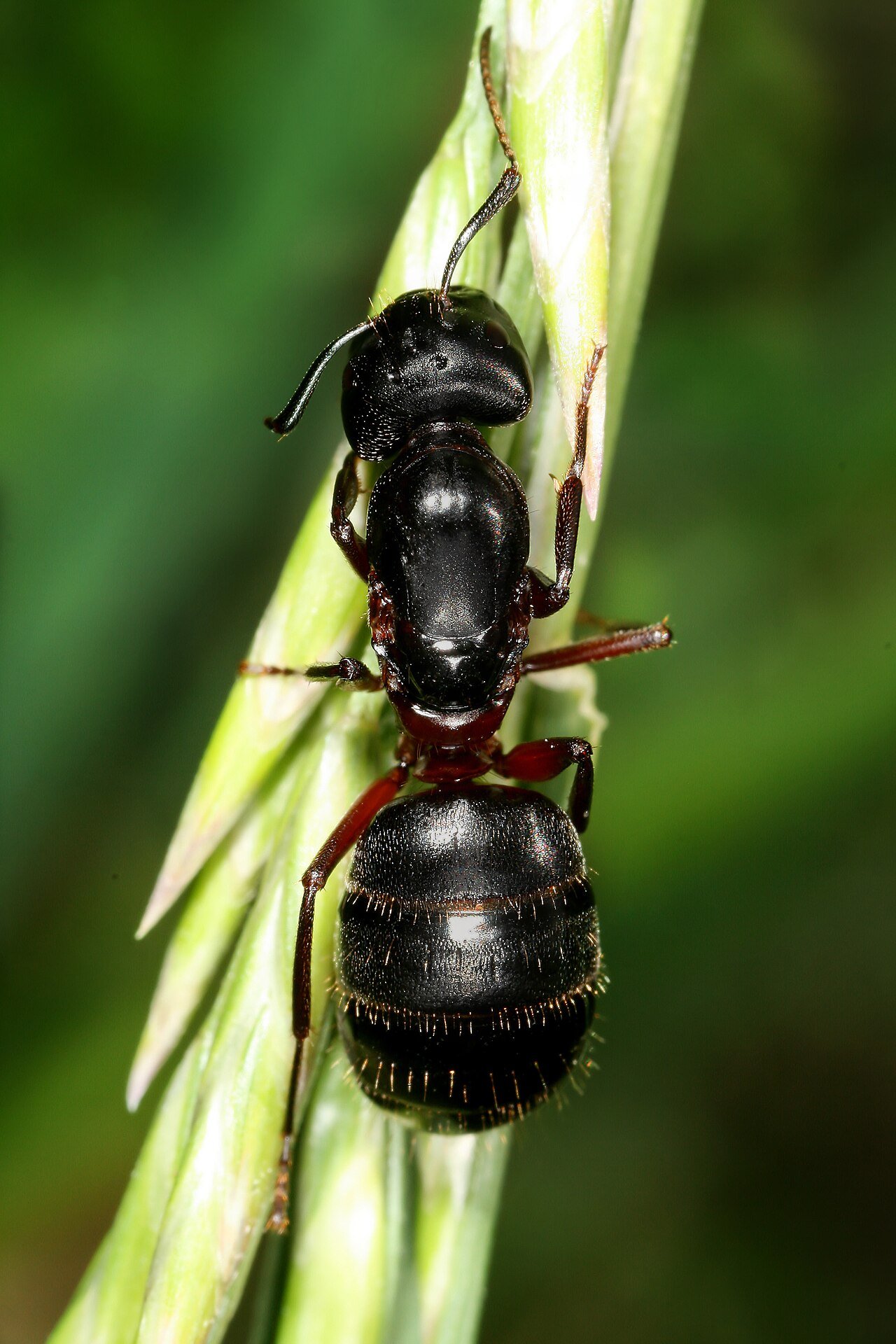
- The mature-shade economy: big trees run the aphid honeydew accounts that bankroll the whole system — and drop the branch bridges that let acrobat ants commute onto rooflines. The historic district’s old frames add the carpenter ant file wherever moisture has history: the triage for any big black ants indoors in spring.
Treatment Plus Tuning: the Centerville Method
The treatment half runs the standard discipline — species identification under magnification, non-repellent baits placed on active trails and carried home to the queens, perimeter banding at the foundation and stone lines, never repellent sprays through kitchens (the scatter-and-split failure documented at ants in the house). The tuning half is what makes Centerville jobs hold: irrigation cycles shortened on foundation zones so the margin dries between waterings, mulch thinned to two inches with a visible-ground strip against the slab, stone-wall joints on the treatment route where colonies are established (crack-and-crevice placements reach what sprays never will), and the branch-and-shrub bridges trimmed off the siding. Skip the tuning and the landscape re-runs the invasion annually; do both and the treated colonies stay gone — which is precisely the trade our quarterly Protection Plan formalizes, with the re-treatment guarantee carrying anything that rebounds between visits. The home-remedy grades stay linked for the DIY-first: vinegar, borax, the pet-safe file for the dog households.
The Historic District Footnote
The early stone buildings around the historic core deserve their own paragraph, because their ant work is masonry work. Two-century-old lime mortar is softer and more galleried than modern mix — pavement ant colonies occupy the joints as permanent housing, and the annual May emergence along the old walks is as traditional as anything else downtown. The treatment approach respects the architecture: crevice-placed baits and dusts in the active joints, no pressure-washing or aggressive repointing advice from us (that’s a preservation mason’s call), and the honest framing that stone-building colonies are managed rather than eradicated — the housing is too good and too old to make any single treatment permanent. What changes the equation is interior exclusion: sealing the sill lines and utility penetrations where the building’s colonies would otherwise forage indoors, which converts a two-century tenancy back into an outdoor curiosity. It’s a niche skill, and in this town it comes up weekly.
The Centerville Calendar and Bottom Line
April–May: pavement emergence along the stone lines and old walks; carpenter season opens in the historic frames. June–August: odorous house ant prime time on the sprinkler schedule — and the acrobat ants’ wire-and-branch commuting peaks with the aphid economy. September–October: peak baiting effectiveness and the landscape-tuning window — irrigation, mulch, and bridges adjusted before frost. Winter trails mean indoor colonies and a prompter call. One flat price covering identification, matched baiting, stone-aware crevice work, and the tuning counsel in writing; the method at ant control, the outdoor playbook at outdoor ant control — and the town’s whole file, spiders and fleas included, at Centerville pest control.
Trails Running the Stone Line?
Colony-level baiting plus the landscape tuning that makes it hold — irrigation, mulch, masonry, and bridges. One flat price, guaranteed, across Centerville.
Frequently asked questions
Why does my well-landscaped Centerville yard have so many ants?
The landscaping is the infrastructure: irrigation sustains colonies through droughts, stone borders offer galleried nesting voids, deep mulch insulates the nursery, and mature shade runs the aphid honeydew economy that funds it all. Treatment holds only when paired with tuning.
What are the sand piles in my stone retaining wall?
Pavement ant colonies excavating the joints — stonework is premium ant housing, and wall colonies export foragers uphill into patios and kitchens. Crack-and-crevice bait placements reach them; sprays never do.
Do sprinklers really affect ants?
Directly — irrigated foundation margins keep odorous house ant networks solvent through the August droughts that would otherwise thin them, and the post-rain kitchen trail here runs on the sprinkler schedule. Shorter cycles on foundation zones are written into our counsel.
What about the ants in the historic district’s stone buildings?
Two-century lime mortar hosts permanent pavement ant tenancies — managed, not eradicated, out of respect for both the biology and the architecture. Interior sill-and-penetration sealing converts the tenancy back into an outdoor curiosity.
Are the big black ants in my older Centerville home a concern?
Spring indoor sightings warrant the carpenter ant triage — they read moisture history in old frames, and the ant fix travels with the moisture fix. Winged emergences get the termite check before anyone relaxes.
Why shouldn’t I just spray the trail on the counter?
Repellent sprays scatter foragers, warn the colony, and split odorous house ant networks into multiple nests — while erasing the trail map that makes baiting work. Non-repellent baits carried home to the queens end colonies; sprays multiply them.
When should ant treatment happen in Centerville?
Any active trail treats well; September–October is peak — hungry pre-winter colonies find bait fastest, and it’s the landscape-tuning window for irrigation, mulch, and branch bridges before frost. Winter trails mean an indoor colony and an earlier call.
What does ant control cost in Centerville?
One flat price: identification under magnification, matched baiting, stone-aware crevice work, perimeter banding, and the tuning counsel in writing — with free re-treatment between quarterly visits under the Protection Plan.
Also in Centerville: carpenter ants appear on a wood-destroying insect report alongside termites — see the $99 termite and WDI inspection.