
Centerville’s termites collect two subsidies the town pays voluntarily: irrigation and history. The landscape investment that defines its yards — automated sprinklers holding foundation-bed moisture through every drought, deep mulch insulating the soil line, mature shade slowing evaporation — maintains exactly the damp ground eastern subterranean colonies require, converting the region’s driest weeks (nature’s own termite suppression) into business as usual. And the historic district’s stone buildings carry the second file: two centuries of timber framing behind the famous masonry, sills and joists older than the state constitution, inspected on the archaeology-versus-activity discipline the oldest structures demand. The manicured suburb and the stone village, one termite program: here’s how each half works.
The Irrigation Subsidy
- The drought that never comes: Ohio’s late-summer dry spells naturally push termite foraging deep and slow — but a sprinkler-fed foundation bed never dries, so Centerville’s colonies forage the soil line at full tempo through weeks that idle their rural cousins. The same subsidy running the town’s ant and flea files runs this one, at higher stakes.
- The mulch-line concealment: deep annual mulch buries the slab edge and lower foundation courses — the exact zone where tubes would show — making the four-inch visible-foundation rule the town’s single most violated and most important termite standard.
- The hardscape bridges: the stone borders, raised beds, and landscape timbers of the town’s outdoor build-out add soil-to-structure contacts by the yard — every timber a feeding station, every raised bed against the house a moisture poultice.
- The tuning that helps: the same counsel as the ant file, with termite weight — shorter irrigation cycles on foundation zones, thinner mulch with a visible gap, and ground-contact wood swapped or isolated where the landscape allows.
The Stone District’s Timber File
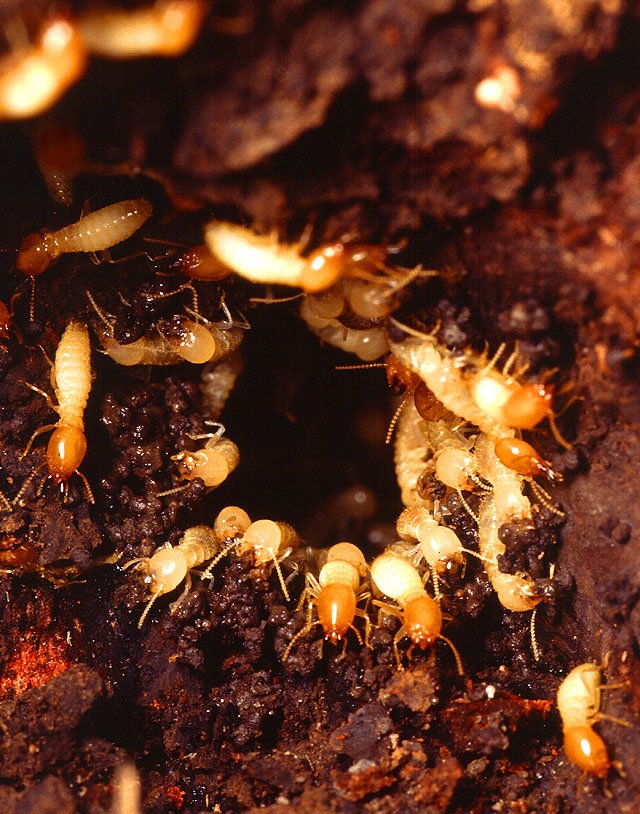
The historic core’s early-1800s buildings run the region’s second-oldest termite file after Dayton’s — stone shells around timber skeletons, with sills, joists, and lintels that have weathered two centuries of moisture cycles and, in many cases, historic termite episodes whose evidence outlasts any memory of them. The discipline is the archaeology standard: abandoned tubes and ancient galleries read as history until the break test says otherwise (an active colony repairs a breached tube in days; archaeology stays broken), and old evidence proves susceptibility — the standing case for monitoring rings on evidence-bearing properties whether or not anything currently moves. The preservation constraint shapes the toolkit: no trenching against two-century foundations, no staining applications on visible stone, bait rings carrying the protective load precisely because they work in the soil without touching the architecture — the same no-damage principle as the district’s wasp file, applied underground. And the renovation rule runs at its highest local value here: any historic rehab opening walls or floors gets the termite eye before closing, because two-century framing hides what no exterior inspection reaches, and mid-project discovery costs a phone call while post-project discovery costs the project twice.
Protection Across Both Centervilles
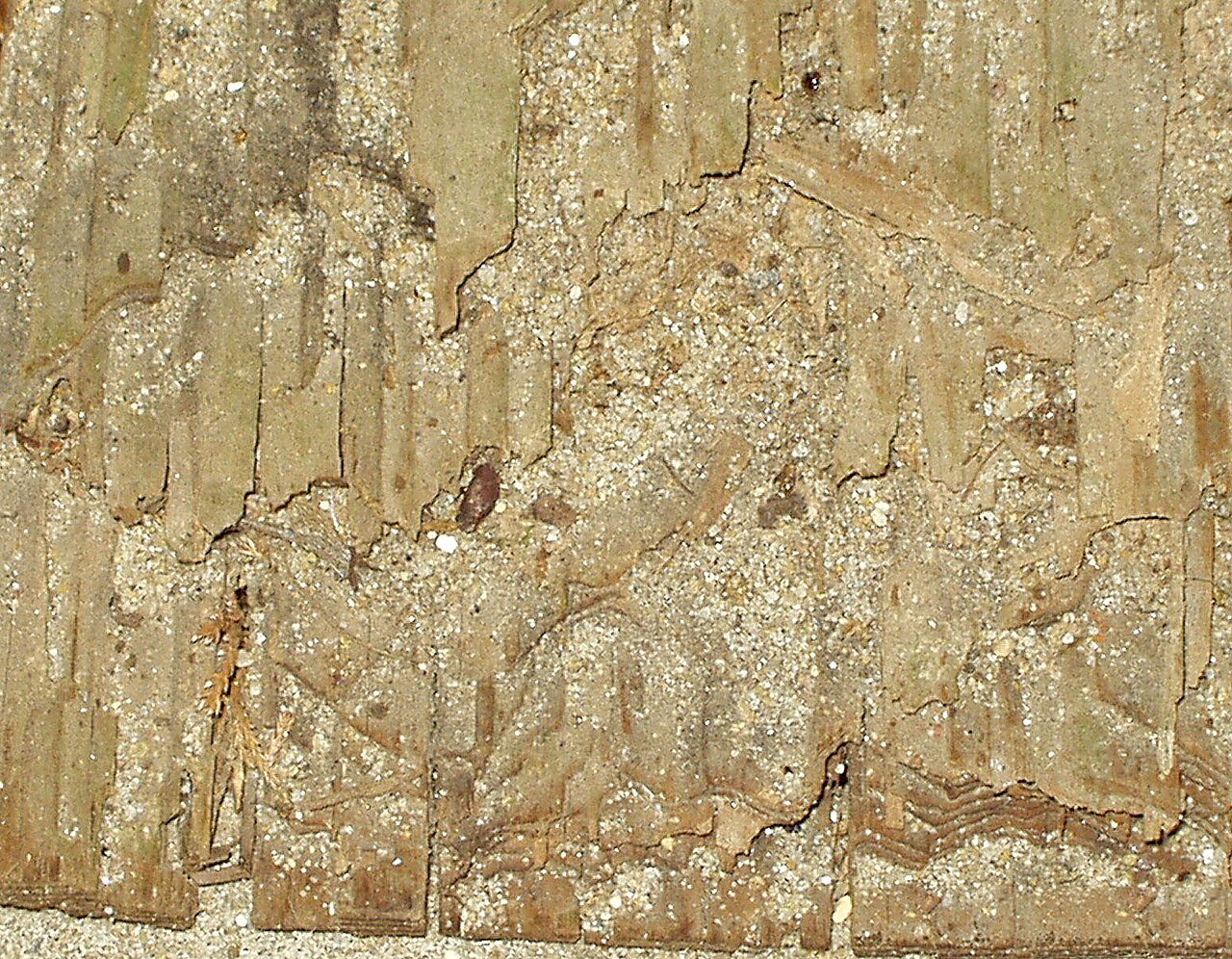
The program unifies the halves: bait station rings as the standard everywhere — intercepting the irrigated suburb’s full-tempo foragers and standing guard on the district’s evidence-bearing properties, installed through lawn and landscape without trenching or staining; liquid soil treatment for confirmed activity, placed with the judgment irrigated ground and historic masonry each require; annual inspections leveraging whatever visibility each structure offers (the suburb’s garage slab joints and windowsills, the district’s basements and exposed framing); and the swarm-season triage — March through May’s warm-rain flights, indoor emergence earning the this-week inspection, and the ant-or-termite check fielding the lookalikes first. The standing reassurances hold at both altitudes of the market: termites eat slowly, same-hour contract pressure is theater, transferable documentation serves the town’s brisk listings, pricing stays flat and published at the cost page — and no Centerville structure, stone or sided, will ever need a tent.
The Centerville Calendar and Bottom Line
Swarm season delivers the discovery calls; fall is ring-installation prime; and the irrigation season — the subsidy’s active months — is when the mulch-and-sprinkler tuning pays its termite dividend alongside its ant-and-flea ones. The bottom line joins the town’s whole ledger: Centerville’s landscape investment is worth protecting from itself — the irrigation that keeps the yard showpiece-green keeps the soil termite-friendly, and the monitored ring plus the visible-foundation rule converts that trade-off into a managed one. One flat price, preservation-grade care where the stone demands it, the method at termite control with the evidence kit at signs of termites — and the town’s complete ledger, now five services deep, at Centerville pest control.
Sprinklers Running — and the Mulch Line Creeping Up?
The subsidy is real and the fix is a tuning: visible foundation, monitored ring, and preservation-grade care for the stone — flat-priced across Centerville.
Buying or selling in Centerville? What a lender, a VA file, or a listing agent asks for is not a treatment — it is a written report. That is a termite and WDI inspection in Centerville: $99 flat on the lender-ready NPMA-33, next business day, PDF the day we inspect. Treatment only enters the conversation if the report actually finds something.
Frequently asked questions
Does lawn irrigation really increase termite risk?
Measurably — sprinkler-fed foundation beds never dry, so colonies forage the soil line at full tempo through the late-summer droughts that naturally suppress their rural cousins. Shorter cycles on foundation zones and the visible-foundation rule manage the subsidy.
Why does mulch depth matter for termites?
Deep mulch buries the slab edge and lower courses — exactly where mud tubes would show — hiding the evidence while holding the moisture. Two inches, with a visible gap of foundation above it, is the town’s most important termite standard.
Are the historic stone buildings termite-proof?
The stone is; the skeleton isn’t — two-century timber sills, joists, and lintels frame every district building, many carrying historic termite evidence whose archaeology-versus-activity read (the break test) decides everything before any dollar moves.
Can you treat a historic Centerville building without damaging it?
That constraint shapes the whole toolkit: bait rings work in the soil without trenching two-century foundations or staining visible stone, and placements stay preservation-grade throughout — the underground version of the district’s no-damage wasp work.
Should a historic rehab include a termite inspection?
At its highest local value — two-century framing hides what no exterior inspection reaches, and the mid-project eye (before walls close) costs a phone call while post-project discovery costs the project twice. Tell us the demo date. If what you need is the lender-ready report rather than treatment, that is a termite and WDI inspection in Centerville — $99 flat on the NPMA-33.
Do landscape timbers and raised beds attract termites?
Ground-contact wood is a feeding station, and a raised bed against the house is a moisture poultice on the foundation — every soil-to-structure contact the outdoor build-out adds joins the risk map. Isolation or substitution where the landscape allows.
When do termites swarm in Centerville?
March through May on warm humid afternoons after rain — indoor emergence means a mature colony in or under the structure and a this-week inspection, with the flying-ant check fielding the lookalikes first. Fall is bait-ring installation prime.
What does termite protection cost in Centerville?
Flat, published pricing — monitored rings suited to both the irrigated suburb and the stone district, liquid treatment scoped to confirmed activity, and transferable documentation for a market that lists briskly. Never a tent, at either altitude of the market.