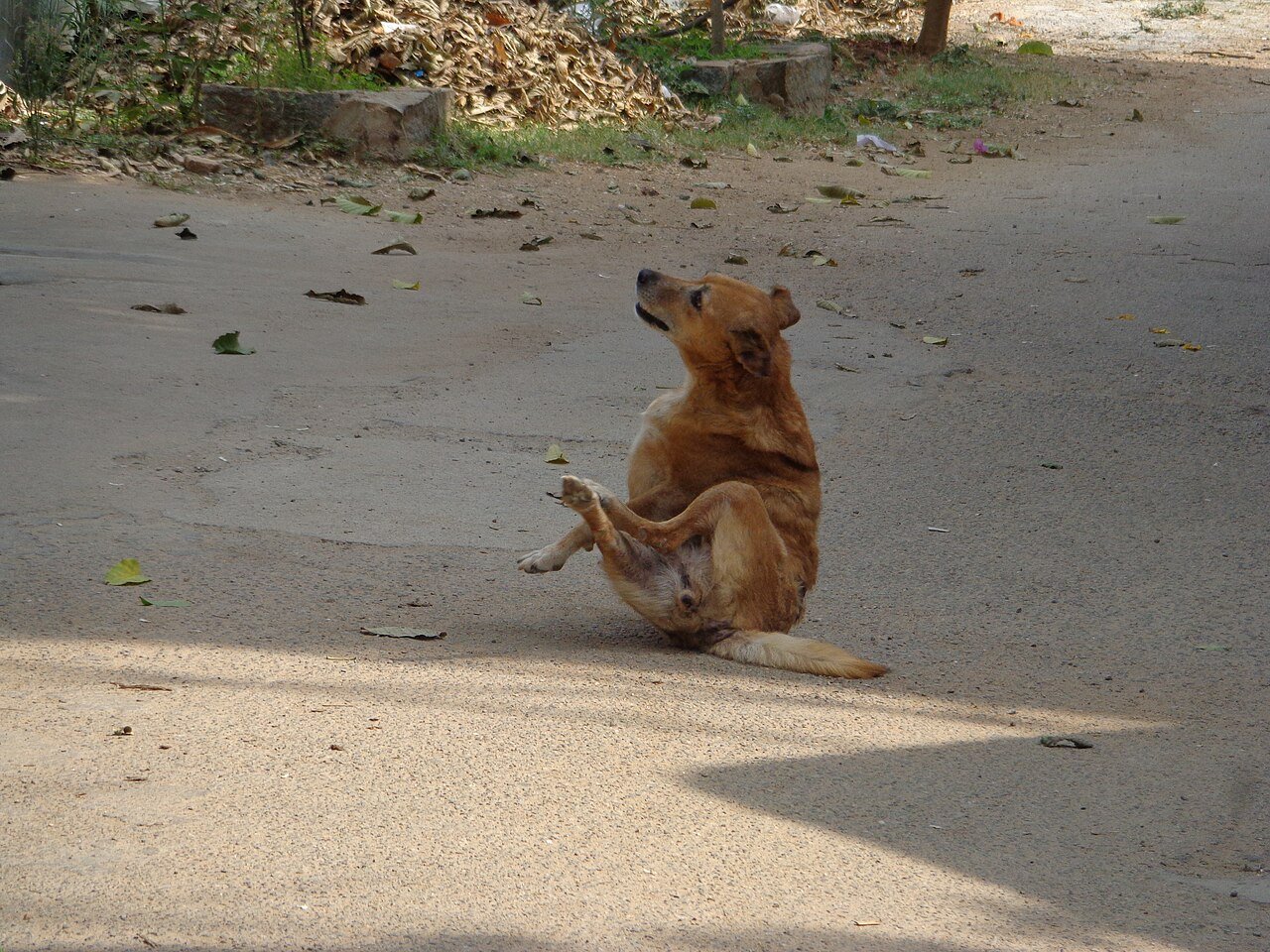
Every morning, Englewood runs one of the busiest dog economies in the region and hardly notices. The MetroPark trailheads fill before eight — leashes, retrievers, doodles, the whole roster — and every one of those dogs walks a woodland edge where the wild flea reservoir lives, then rides home to a couch. That commute is the spine of flea treatment in this town. We call it the trailhead exchange: the preserve keeps the flea population banked in its wildlife, the trail network hands it to the pet population a few dozen paw-steps at a time, and the town’s living rooms settle the account in August. Understanding that loop — and where it actually breaks — is the difference between treating fleas once and treating them annually.
How the Exchange Works
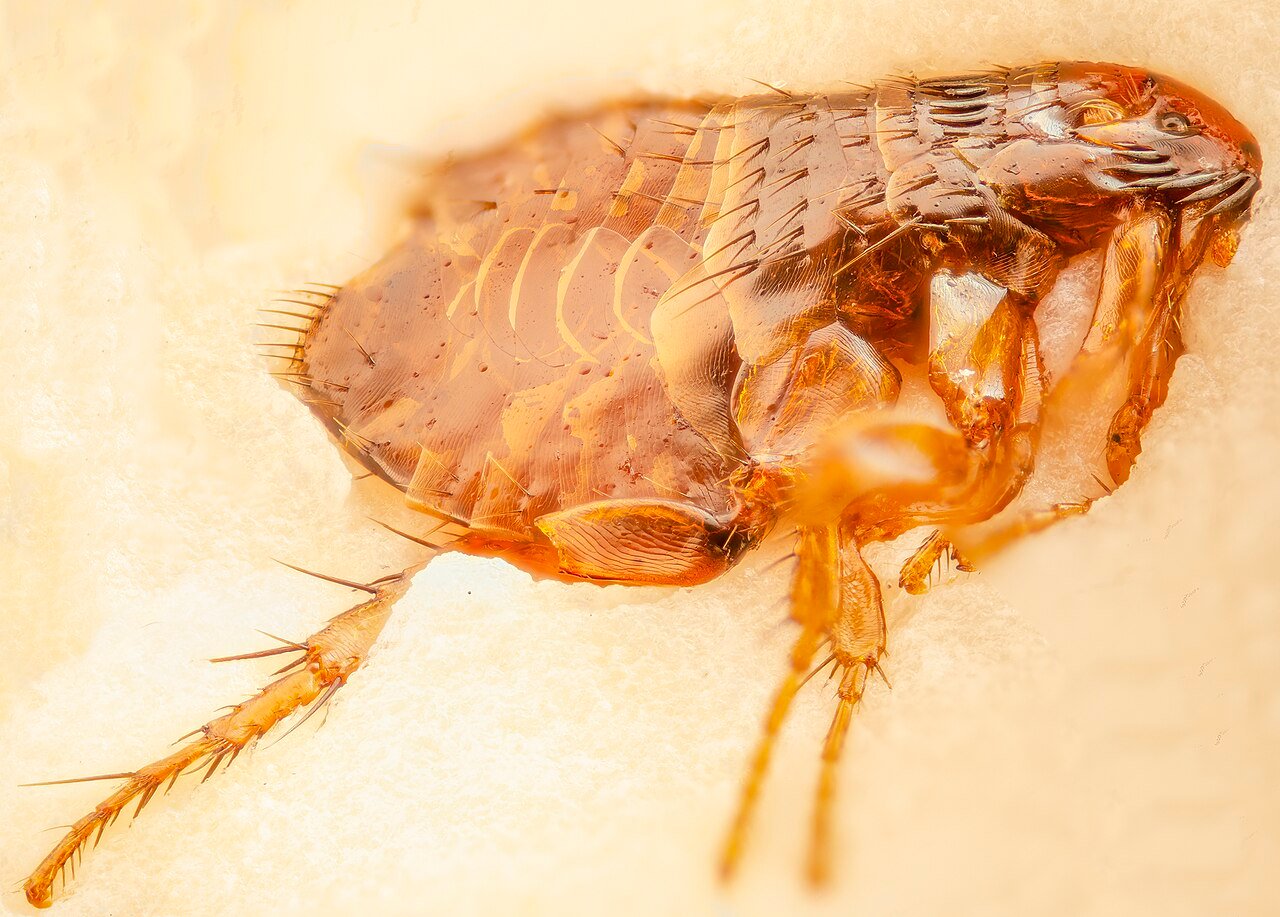
Fleas don’t leap from the woods into houses; they run a relay. The preserve’s wild hosts — rabbits, deer, the small mammals a healthy floodplain forest carries — keep flea populations cycling year-round, seeding egg-and-pupae banks in the shaded soil along trail margins where animals rest and groom. A dog lingering at exactly those spots — the sniff posts, the shady pull-offs, the creek access points — picks up new adults whose entire biology is tuned to board a passing warm body. One or two fleas ride home unnoticed. Three weeks later the eggs they dropped in the carpet have cycled, and the household “suddenly” has fleas that actually arrived a month ago on a Tuesday walk. The pattern shows up in our call log as a geography: Englewood’s heaviest flea season runs hottest in the neighborhoods nearest the trail network, and coolest in the blocks whose dogs walk sidewalks.
Why the Yard Is Usually Innocent
Here’s the counterintuitive part: most corridor-side Englewood yards are not the problem. Open, sun-hit suburban lawns are hostile flea habitat — UV and dry heat kill larvae efficiently. The exceptions are the yard’s preserve-like corners: under decks, dense foundation shade, the strip along a wooded back fence where wildlife transits at night. A treatment plan that sprays the whole sunny lawn is theater; one that treats the shaded refugia and the house interior while the pet’s vet-prescribed preventive handles the animal is the actual kill chain. We say this even though it means selling less square footage, because the alternative — an annual whole-yard ritual that never touches the real cycle — is how this town’s flea problems become traditions.
The Three-Front Protocol
- The pet (your vet’s front): a prescription preventive on every dog and cat in the house, current, year-round — without it, everything else is temporary
- The house (our front): insect-growth-regulator treatment of carpets, pet resting zones, upholstery edges, and the vehicle if the dog rides — timed with a follow-up to close the pupal window
- The refugia (the forgotten front): deck shadows, foundation shade, and the wooded fence line treated; the sunny lawn left honestly alone
The pupal window deserves its own sentence, because it’s why fleas “come back” after DIY treatments: pupae in their cocoons are effectively invulnerable to every product on the market, and they hatch on vibration and warmth cues over several weeks. Our follow-up visit lands inside that hatch window to break the cycle the first visit couldn’t finish. Anyone who promises one-visit flea elimination is selling you the first half of a treatment.
The Englewood Ledger, Complete
This page closes the town’s set: all eight service files now read Englewood through the same lens — the dam’s hydrology driving the ants, the preserve edge running the rodent commute and feeding the spider economy, the corridor’s wet timber shaping the termite file, the trailheads exchanging the fleas, the wasps sorting commuters from residents, and the roach and bed bug files earning their honest low-pressure asterisks. One town, one preserve, one provider reading the whole system — the full file lives on our Englewood service page.
Break the Exchange, Keep the Trails
Nobody should give up the MetroPark mornings — the loop breaks at the house, not the habit. One call sets the three-front protocol: your vet’s preventive, our interior and refugia treatment, and the follow-up that closes the pupal window for good.
Frequently asked questions
Where do Englewood dogs actually pick up fleas?
At the trail margins — the shaded rest spots, sniff posts, and creek access points where wildlife lingers and seeds the soil with eggs and pupae. The sunny middle of the trail and your open lawn are nearly flea-proof; the shade pockets are the exchange floor.
My dog is on a preventive — why do we still have fleas in the house?
The preventive kills fleas that bite the dog, but the carpet’s egg-and-pupae bank hatches for weeks and bites people while it waits for the dog. The house needs its own treatment with a growth regulator, plus the follow-up inside the pupal hatch window.
Why did fleas come back two weeks after I treated the carpet?
Pupae in cocoons survive every consumer product and hatch later on warmth and vibration cues. That’s not treatment failure — it’s the second half of the job. The scheduled follow-up visit exists precisely to land inside that window.
Should I spray my whole yard for fleas?
No — open sun-hit lawn is hostile habitat and spraying it is theater. Treat the refugia: under the deck, dense foundation shade, and the wooded fence line where wildlife transits. We sell less square footage than the competition on purpose.
Can fleas live on people?
They bite people — ankles first, from carpet-level hatches — but can’t sustain on us. Human bites with no pet in the home usually mean a recently departed animal’s flea bank, or a wildlife source under a deck or porch.
When is flea season in Englewood?
The exchange runs spring through fall, but indoor infestations peak in August and September — the trail pickups of June cycling through their carpet generations. Winter cases are house-banked populations, not new arrivals.
Do indoor cats need flea protection here?
Indoor cats in trail-dog households do — the dog imports, the cat amplifies. Ask your vet; a single unprotected animal keeps the cycle alive for everyone.
What does flea treatment cost in Englewood?
Flat-priced interior treatment with the follow-up visit included — the pupal window makes two visits one job, so we price it that way — plus honest refugia-only exterior work where the yard actually warrants it.
The Thirty-Second Habit
The cheapest flea control in Englewood costs nothing and lives at your back door: the post-trail comb. A fine-toothed flea comb run through the coat — neck, rump, and belly, the boarding zones — for thirty seconds after a MetroPark walk intercepts hitchhikers before they disembark, and doubles as the early-warning system no treatment plan matches. Finding one flea on the comb in June is a preventive conversation; finding the carpet hatching in September is a treatment course. Trail-dog households that build the habit call us for the first kind of conversation, and that difference — caught at the door versus caught at generation three — is measured in both dollars and itchy ankles. The preserve isn’t going anywhere, the dogs aren’t giving up their mornings, and with the exchange guarded at your threshold, neither has to.