Rodent work in Dayton proper is different work than rodent work anywhere else in the Miami Valley, and the difference is age and infrastructure. The city’s housing stock runs a century deep — stone and block foundations, limestone sills, balloon framing, and generations of utility retrofits, every one of which left a gap — and beneath it all runs the region’s oldest sewer network, which means Dayton is the one place in our eight-county service area where the conversation regularly includes rats, not just mice. We run rodent programs from the downtown restaurant blocks to the neighborhood streets of South Park, DeWeese, and Greenwich Village, and this page covers what the city’s buildings actually present — and the trap-and-seal discipline that clears them.
Dayton’s Two Rodents, and How to Tell Which You Have
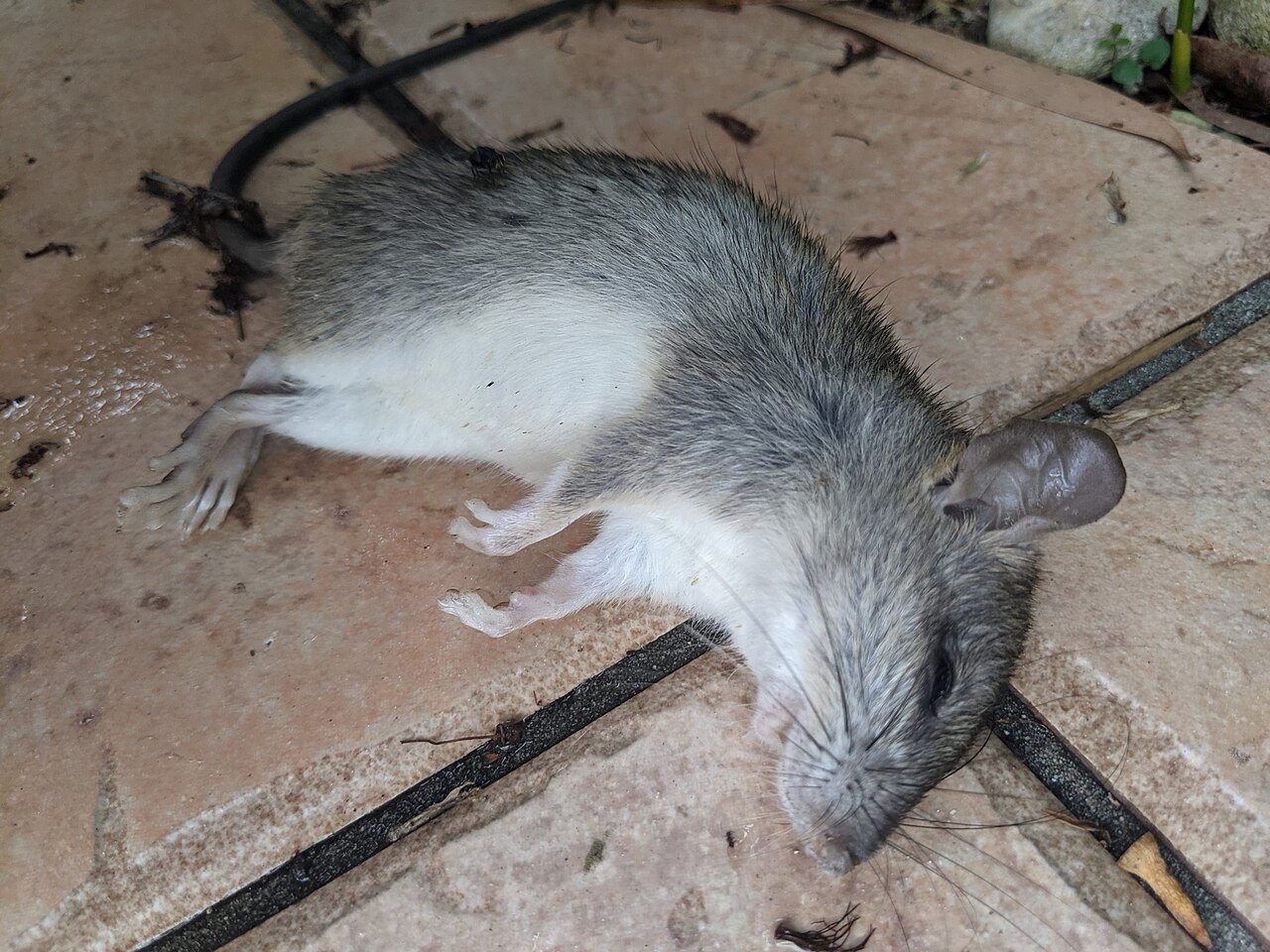
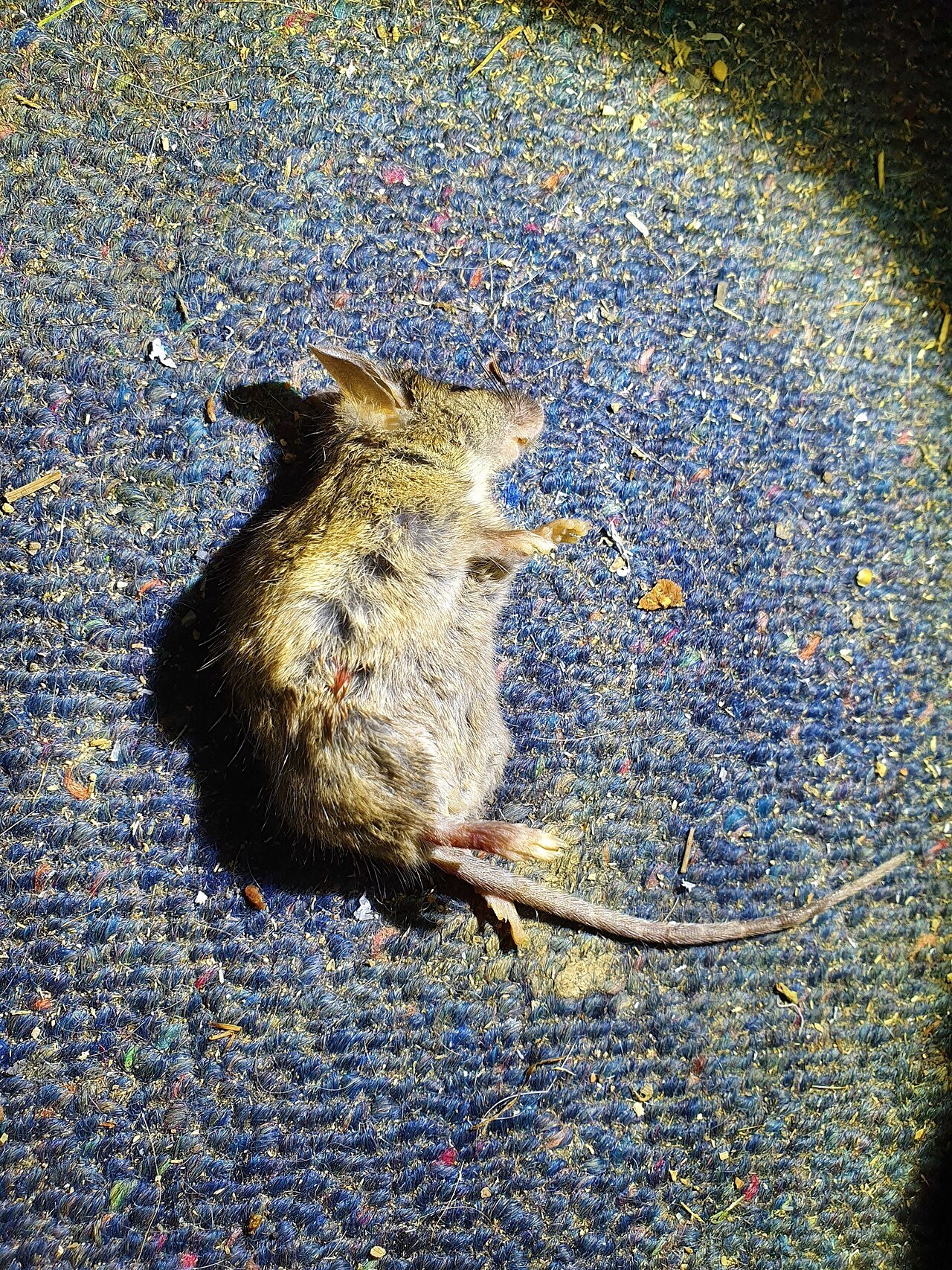
House mice are the default in Dayton’s residential blocks: half-ounce, gray, and endlessly capable of exploiting a stone foundation’s character. The pre-war basement is their kingdom — mortar joints that have shed a century of pointing, sill gaps atop rubble walls, and coal-chute and milk-door legacies that were never sealed to modern standards. Norway rats are the city-specific escalation: burrowers and sewer travelers that surface along alleys, under porches and slab additions, and anywhere trash service and older laterals intersect. The distinction changes everything — trap sizes, bait volumes, exclusion standards (a dime-sized gap admits a mouse; a quarter-plus admits a rat), and urgency — so the first job on any Dayton call is settling it with evidence: droppings (rice grains versus raisins — our mouse-or-rat guide runs the full comparison), gnaw diameters, rub marks, and burrow openings along foundations. Heavy, low wall-noise and burrows by the alley fence say rat; light attic-and-wall scratching after midnight says mouse; and the answer decides the entire program.
Why Dayton Buildings Feed Rodents
Three structural facts drive the city’s rodent pressure. Foundations with history: stone and early-block walls breathe, shift, and shed mortar — and every re-pointed generation missed spots that a mouse finds in one night of whisker-work. Density and connection: row-adjacent housing, shared alleys, connected porches, and duplex party walls let one block’s population move as a unit — the reason a single-address fix in South Park often holds for months while the untreated block keeps cycling. The alley economy: trash staging, older garages on dirt floors, and mature urban wildlife pressure keep the outdoor reservoir stocked, while downtown’s restaurant density supports the sewer-line rat population that periodically surfaces into adjacent blocks — especially after main work, heavy rain, or a building demolition disturbs the underground routine. None of this is a Dayton insult; it’s what a real city’s bones look like, and it’s why cookie-cutter suburban rodent plans underperform here.
The Dayton Program: Trap, Seal, and Hold the Block
- Evidence-mapped trapping: snap traps on the actual runways — along stone sills, behind basement stairs, at the alley-side gaps — sized to the species the droppings named. No poison inside structures, ever: a bait-killed rodent in a balloon-framed wall is a three-week odor event, the full argument on our mouse poison page.
- Exclusion built for old masonry: copper mesh and mortar-compatible sealants at sill gaps, utility penetrations, and the coal-chute-and-milk-door legacy openings — the dime standard for mice, the quarter standard where rats are in play.
- Exterior stations where the pressure is chronic: locked, sealed bait stations along alley lines and heavy-pressure perimeters — the one correct role for rodenticide, far from interiors, pets, and owls.
- The burrow and sanitation call-outs: active rat burrows get treated and collapsed, and you get the specific trash-staging and pet-food adjustments that starve the route — in writing.
- Follow-up verification: flour patches, trap-line trends, and a re-inspection before we call it cleared — then the quarterly Protection Plan holds the perimeter, with free re-treatment between visits if anything re-breaches.
The City Calendar, and the Neighborhood Patterns
Dayton’s rodent year peaks with the first October frosts — the annual migration into heated structures that fills our schedule through February — but the city adds patterns the suburbs don’t see. Summer sewer work and demolition projects push rat activity into adjacent blocks on a two-to-three-week lag; restaurant districts run year-round baseline pressure that spills toward nearby residential streets; and the historic-district neighborhoods — South Park’s Victorians, the Oregon District’s row structures, Greenwich Village’s and DeWeese’s older frames — carry the highest per-building entry-point counts in our whole service area, purely on architectural age. Our neighborhood pages for South Park, downtown, and Greenwich Village cover the block-level specifics. The strategic takeaway for any Dayton owner: run the exclusion audit in September, before the frost migration — the same caulk-and-mesh afternoon that suburban homes spend on one or two gaps is, in a pre-war Dayton house, the single highest-value pest investment of the year.
DIY, Landlords, and When to Call
Our library gives the self-starter everything: the trap-and-seal fundamentals in how to get rid of mice, entry forensics in how mice get in, the evidence reads in droppings identification, and the honest grades on repellent folklore. The call-us cases: any rat evidence (burrows, raisin-sized droppings, heavy wall noise — a different league of animal and program), populations that outlast two weeks of correct trapping, multi-unit buildings where the block-connection problem needs building-level treatment and documentation (we broker exactly that conversation between tenants and landlords regularly), and any restaurant or food business, where the monitoring-log version of this work is our commercial program’s specialty. One flat price, a licensed applicator who knows what a rubble foundation asks for, and the full method on our rodent control service page — with everything else we do in the city on the Dayton pest control page.
Scratching in a Dayton Wall Tonight?
Species confirmed from the evidence, trapped at the runways, sealed at the masonry — one flat price, guaranteed, from a crew that works these blocks every week.
Frequently asked questions
Does Dayton have rats or just mice?
Both — Dayton proper is the one part of our service area with regular Norway rat work, sustained by the region’s oldest sewer network, alley trash economies, and restaurant density. Residential blocks still run mostly mice; the droppings and gnaw evidence settle each case.
Why do old Dayton houses get mice every winter?
Stone and early-block foundations shed mortar and carry legacy openings — coal chutes, milk doors, sill gaps — that a mouse finds in one night. The first October frosts push outdoor populations through those gaps annually until the masonry-level exclusion is done.
Do you use poison for mice in Dayton homes?
Not inside structures — a poisoned rodent dying in a balloon-framed wall creates weeks of unreachable odor. We trap on the runways and reserve rodenticide for locked exterior stations in chronic-pressure situations like alley lines.
Why do rats show up after sewer work or demolition?
Underground disturbance reroutes the sewer-dwelling population, and surfacing activity appears in adjacent blocks on a two-to-three-week lag. It’s temporary if the block’s buildings are sealed — and a colonization event where they aren’t.
My neighbors have rodents too — can one house really get clear?
Yes, but honestly: connected housing shares populations, so a sealed, trapped single address holds while the block keeps cycling around it. In duplexes and multi-unit buildings we recommend — and document the case for — building-level treatment.
What does rodent exclusion cost on an old stone foundation?
More entry points than a suburban slab, but the same flat-price program — we quote after the inspection maps the actual gap count. The September pre-frost audit is the highest-value version; it beats every January emergency call.
Which Dayton neighborhoods see the heaviest rodent pressure?
The historic districts — South Park, the Oregon District, Greenwich Village, DeWeese — carry the highest per-building entry counts on architectural age alone, and blocks adjacent to restaurant rows or active demolition run elevated rat pressure.
How do I know if it’s mice or rats before you arrive?
Droppings: rice-grain size means mouse, raisin size means rat. Add sound (light scratching high in walls = mouse; heavy low movement = rat) and any burrow openings along the foundation — photos of any of it let us bring the right gear on the first visit.
Dayton’s other pest files run on the same local logic: cockroach control in Dayton, bed bug treatment in Dayton, and wasp & hornet removal in Dayton.