Dayton’s wasps inherit the same heritage architecture as its spiders — and read it the same way. The city’s cornice returns, porch ceilings, bracketed eaves, and deep window hoods offer umbrella-wasp real estate at a density no suburb approaches; its aging soffits and balloon-framed voids run the cavity-colony file through every block of century housing; and its institutional inventory — church eaves, school entries, storefront awnings, the civic architecture around downtown — adds the commercial-and-public dimension where a nest over a doorway is a liability question before it’s a biology one. Behind the buildings run the standard urban fronts: alley economies feeding the September sugar-switch, connected structures sharing wall-void colonies, and the porch-dense rental stock where the removal call and the listing photo are the same appointment. The city edition, block by block:
The Heritage Inventory
- The cornice canyon: a century of ornamental woodwork per block — the umbrella-wasp patrol’s densest territory in the region, with the same soft-tool discipline as the spider file’s de-webbing: nothing pressure-washed, nothing scarred, painted gingerbread respected on every pass.
- The balloon-frame voids: century housing’s continuous wall cavities run the void-colony file at urban scale — yellowjacket colonies entering at soffit gaps and aged siding seams, building invisibly, and occasionally emerging indoors through the uninterrupted framing: the interior-emergence call that jumps every queue, treated on cavity rules (in the void, at dusk, sealed after verified quiet).
- The institutional file: church and school eaves, storefront awnings, and public entries where nests meet foot traffic at liability stakes — documented commercial response on the county-seat model, with the paper trail the property committees and facilities managers need.
- The connected-structure factor: row-adjacent housing shares wall voids the way it shares everything — the duplex soffit colony working both addresses, and the coordinated response documented for both households.
The Urban Season
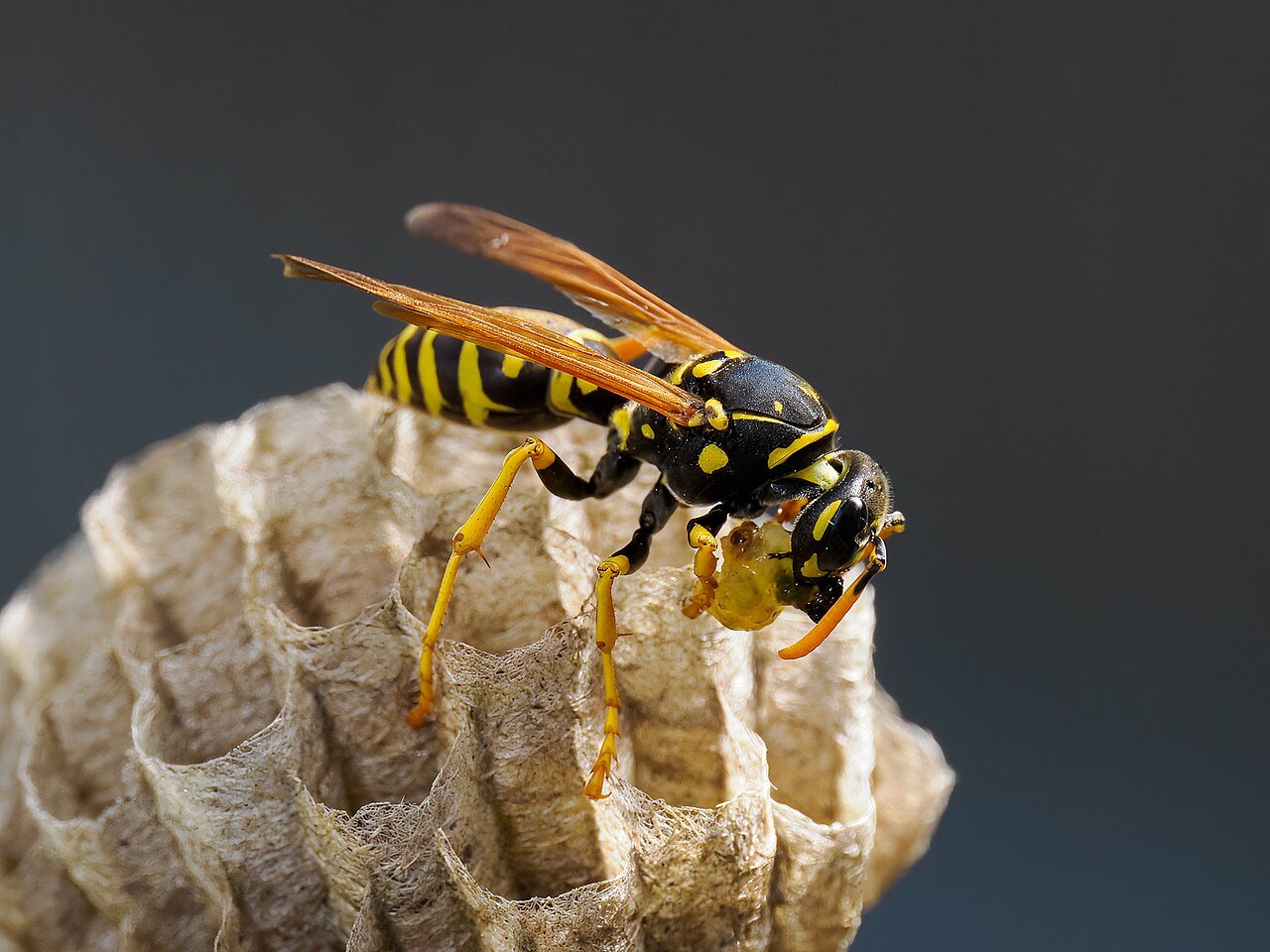
The city runs the regional wasp year with its own amplifiers. Spring’s patrol covers the heritage geometry — porch ceilings, brackets, hoods — at broom stage, with the rental-stock version timed to listing calendars (a wasp-free porch photographs like the asset it is, the same math as the spider file’s). Summer builds the void colonies invisibly behind the siding while the alley economy feeds every forager in range. September converges: peak garrisons, the sugar-switch meeting the alley’s open dumpsters and porch-dense outdoor life, the year’s call volume, and the interior-emergence season as mature void colonies probe the balloon framing’s inner walls. October’s frost closes the colonies; the sealing work — soffit gaps, siding seams, the fall calendar every file shares — closes the vacancies. Sting protocol and the emergency escalation signs stay at sting treatment; the taxonomy at wasp vs. hornet and the yellowjacket file; and the free identification sorts the city’s abundant harmless — the dauber galleries under the eaves, the July giants over the vacant lots — from the files that warrant the dusk visit.
The Dayton Bottom Line
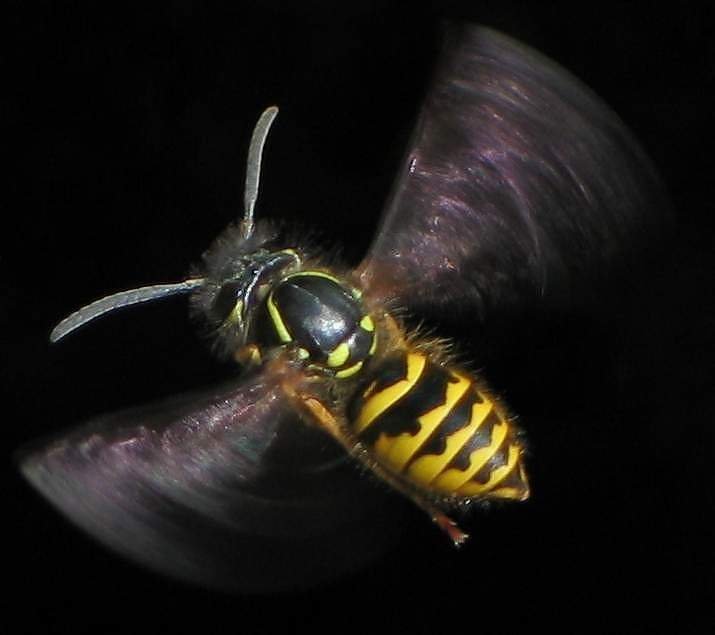
The city’s wasp math scales with its architecture: more sheltered geometry per block than anywhere in the region, more void volume behind more aged siding, and more foot traffic under more nests — met with the patrol discipline, the cavity rules, the coordinated response where structures connect, and the documentation the institutional inventory requires. Same-week response citywide, same-day for doorway nests, allergy households, and every interior emergence; one flat price residential with commercial agreements for the institutional file — and with this page, the city’s ledger stands complete: all eight services, from the sidewalk empires to the cornice canyon, at Dayton pest control.
Umbrella on the Century Porch — or Workers Emerging Indoors?
Heritage-safe patrols, cavity rules for the balloon frames, and the paper trail the institutions need — flat-priced and guaranteed, citywide.
Frequently asked questions
Why do Dayton’s old porches get so many wasp nests?
The cornice canyon: a century of brackets, returns, hoods, and porch ceilings per block offers umbrella real estate at a density no suburb approaches — plus the weathered-wood pulp supply beside every nest site. The spring patrol is the city’s cheapest wasp control.
Wasps are coming out of my wall inside the house — what’s happening?
A void colony in the balloon framing probing inward — century construction’s continuous cavities let soffit-entering colonies reach interior walls. Interior emergence jumps every queue: same-day response, cavity treatment at dusk, sealed after verified quiet.
Can you remove nests from ornate trim without damage?
That’s the standard: soft tools, no pressure washing painted gingerbread, and placements chosen for invisibility — the same heritage discipline as the city’s de-webbing routes. The architecture outlasts every nest we’ve ever taken off it.
Our duplex shares a soffit colony — who calls?
Either — and both benefit: connected structures share wall voids, so the coordinated treatment (documented for both households) is the version that holds. One side’s spray can is the version that sends workers through the other side’s outlets.
What about nests on churches, schools, and storefronts?
The institutional file: doorway nests at liability stakes, met with documented commercial response — scheduled treatment, the paper trail facilities committees need, and the fall sealing that cancels next year’s vacancy.
Are the mud tube nests under my eaves dangerous?
Those are dauber galleries — solitary, sting-averse spider hunters, and the standing free acquittal. The city’s abundant harmless (daubers, the vacant-lot cicada killers) gets sorted from the dusk-visit files by free photo verdict.
When does Dayton’s wasp season peak?
September — maximum garrisons, the sugar-switch meeting the alley economy and porch life at once, and interior-emergence season as mature void colonies probe the framing. The spring patrol and fall sealing are what keep September boring.
What does wasp removal cost in Dayton?
One flat price residential — dusk treatment, cavity rules, heritage-safe work, sealing after — with commercial agreements for the institutional inventory and same-day response for doorways, allergies, and every interior emergence.
The City’s Ledger, Complete
Eight files, one city, and the through-line Dayton taught every page of it: scale changes structure, and structure decides strategy. The connected blocks that made unit-by-unit roach treatment a subscription made coordinated wasp response a necessity; the stone cellars that host the spider dynasties feed the ant masonry file and archive the termite evidence; the alley economy provisions the rodents, the roaches, and September’s sugar-switched foragers from the same dumpsters; and the heritage architecture that draws every listing photo hosts every umbrella, web, and cavity colony in the inventory. The city’s pest management is city management — blocks, buildings, and paper — and the crew that reads all eight files off the same architecture delivers what the piecemeal approach never has. From the sidewalk empires to the cornice canyon: the complete file, flat-priced, citywide.