
Preble County’s most dangerous wasp encounter happens in a machine. Every September, combines, grain trucks, and wagons that have sat since spring get fired up for harvest — and every September, somewhere in the county, an operator climbs into a cab, hits a bump at the field’s edge, and discovers that a colony spent the summer in the machine: under the cab’s floor plates, inside the header’s framework, in the grain truck’s box corners, behind the wagon’s running gear. Wasp and hornet removal in Eaton is calendared around that collision: stored agricultural equipment is the county’s biggest inventory of undisturbed nesting cavities, harvest startup is the year’s most concentrated disturbance event, and the two meet at exactly the season colonies run largest and defend hardest. We call it the harvest cab, and its prevention costs ten minutes per machine at a moment every operator already schedules: the pre-season service check.
Why Machinery Recruits
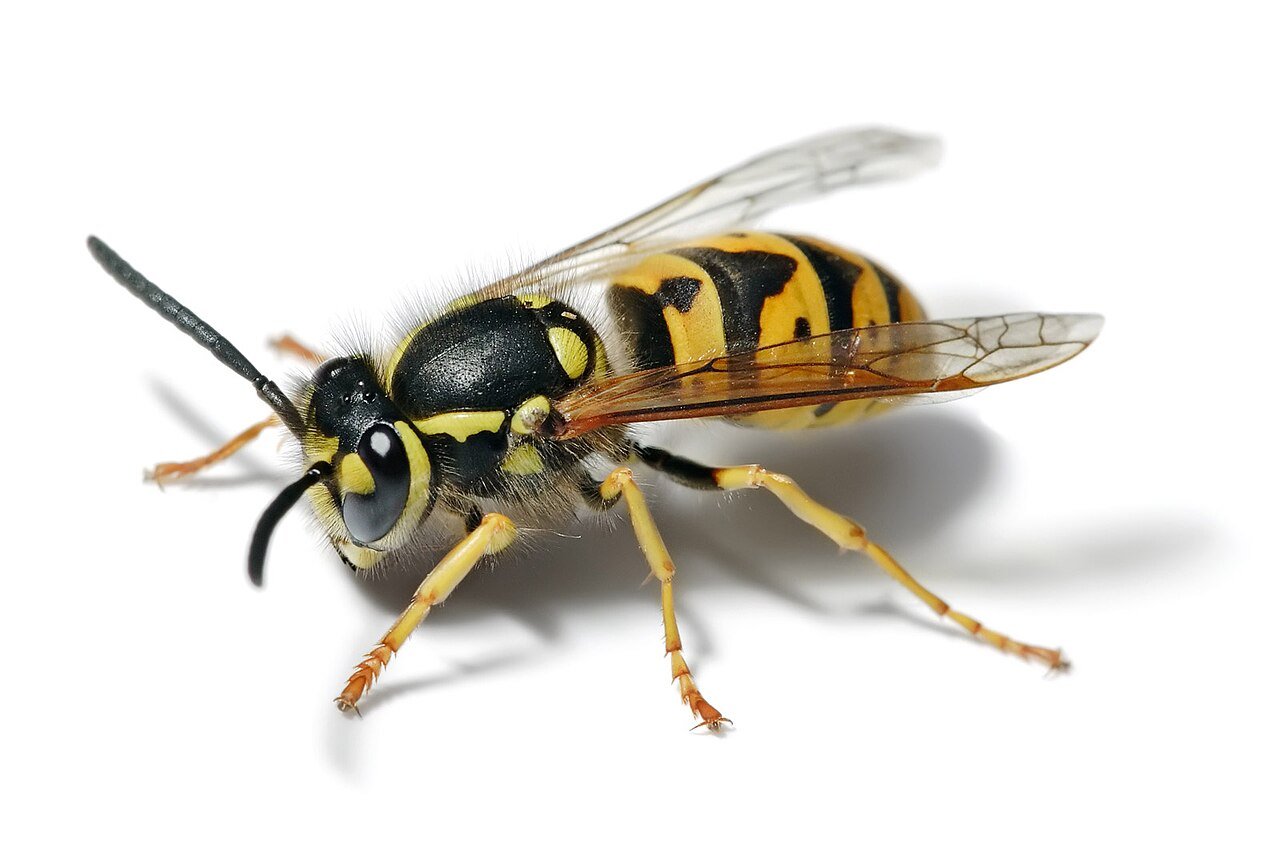
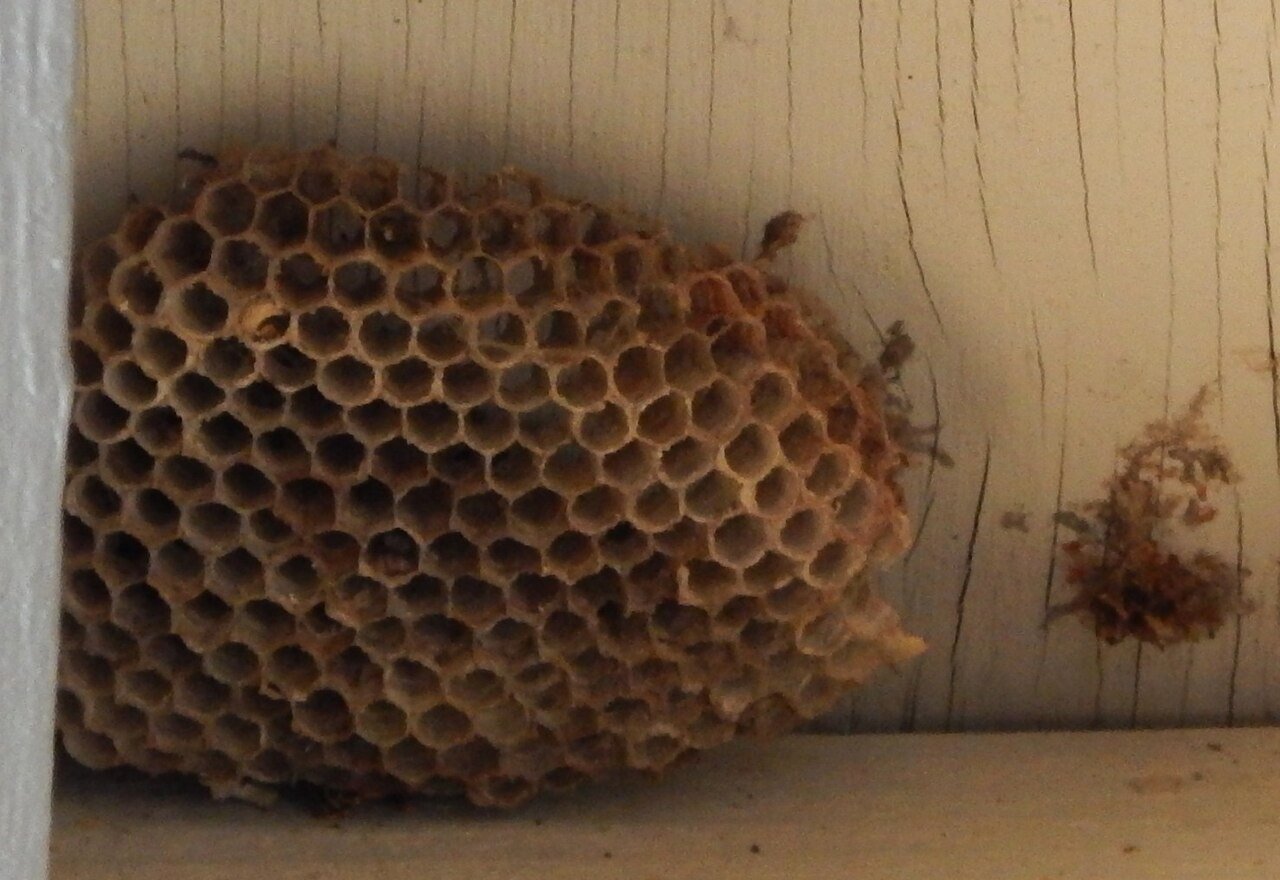
A parked combine is a nesting structure by every measure a founding queen applies: dry sheltered cavities at every scale (cab voids, frame tubes, belt housings, the header’s hollow works), months of guaranteed quiet, and siting — the equipment shed or the field-edge parking spot — along the exact margins the county’s yellowjackets and paper wasps work. The occupancy pattern mirrors the equipment-shed file at higher stakes: paper wasps take the sheltered overheads, yellowjackets take the enclosed voids, and by September a machine can carry a full-strength colony that reads engine vibration as an attack on its home — which it is, with the operator sealed in the cab beside it. The fix rides the existing calendar: when the pre-harvest service check walks the machine anyway — belts, fluids, bearings — the wasp scan joins it: ten minutes of watching for traffic at the frame gaps, a flashlight in the cab voids and header works, and any occupied machine treated before startup instead of discovered after.
The Fair and the Farmstead
The county’s other files run their established calendars. The fairgrounds’ barn-and-grandstand complex gets the public-venue standard — spring founding sweeps before the season, trash-station discipline through fair week (the sugar-shift crowd-management that decides August), and void colonies in the old structures treated on the killed-first-sealed-second rule. The farmsteads run the rural standard: outbuilding rafter sweeps, ground-nest patrols along the field margins where old burrows offer move-in foundations, and the European hornet night-shift file at the porch lights, ID’d honestly. And the town’s residential season runs the usual porch-and-eave calendar, flat-priced, with April’s broom-stage sweeps beating September’s removals by the usual order of magnitude.
The Eaton Ledger, Complete
This page closes the town’s five-file set, and the county character held through every one: Eaton’s pest files are its agricultural calendar read by species — the fair-week circuit touring the concession equipment, the mound file acquitting the pastures, the farmstead perimeter walking all five buildings, the project pens running their 4-H seasons, and the harvest cabs waiting for their ten-minute scan. Five files, one county seat, one provider on the same calendar as the county — the whole set lives on our Eaton service page.
- The pre-harvest scan: the ten-minute wasp check folded into the service walk every machine already gets — taught free, or run as a parcel visit before startup week
- Occupied-machine treatment: colonies in cabs, headers, and running gear treated before the engine turns — same-week during startup season
- Fairgrounds and venue work: spring sweeps, fair-week trash discipline, and void protocol on the old structures
- The standing files: farmstead rafter sweeps, ground-nest patrols, night-shift hornet IDs, and the town’s April-beats-September residential calendar
Scan Before You Start
Ten minutes per machine, folded into the checks you already run — traffic at the frame gaps, flashlight in the voids — and the occupied ones treated before startup. One call books the parcel pass; harvest is loud enough without the passengers.
Frequently asked questions
Do wasps really nest inside farm equipment?
Constantly — a parked combine is a founding queen’s checklist: dry cavities at every scale (cab voids, frame tubes, header works, box corners), months of guaranteed quiet, and field-margin siting. By September a stored machine can carry a full-strength colony that reads engine vibration as an attack.
What’s the pre-harvest wasp scan?
Ten minutes folded into the service check the machine already gets: watch for insect traffic at frame gaps and housings, flashlight the cab voids and header works, check under floor plates and around running gear. Occupied machines get treated before startup instead of discovered after.
I found a nest in the cab — can I just spray it and go?
In an enclosed cab, no: a half-killed colony in a sealed space with an operator is the worst-case geometry, and cavity colonies’ size is unknowable from outside. Same-week professional treatment before the engine turns is the honest play during startup season.
Why is September the peak collision month?
Colonies run largest and defend hardest exactly when harvest startup delivers the year’s most concentrated disturbance — every stored machine in the county fired up within weeks. The scan exists because the calendars collide by design.
What does the fairgrounds need through fair week?
The public-venue standard: spring founding sweeps before the season, trash-station discipline at density through the week (the sugar-shift management that decides August), and void colonies in the old barns and grandstand treated killed-first, sealed-second.
Something huge keeps hitting the porch light at night — murder hornet?
European hornet — Ohio’s only night-flying wasp, resident 150 years, and not the headline species, which has never been found in Ohio. Lighting changes end most visits; heavy traffic earns a dusk flight-line trace to the colony. The ID is free, tonight.
What about the ground nests along my field margins?
The rural standard: old rodent burrows offer move-in foundations, steady low flight to one grass point is the tell, and the response is flag, mow around, and full-protocol burrow treatment — September’s colonies run thousands strong.
What does wasp removal cost in Eaton?
The scan is free to learn and cheap to book as a parcel pass; occupied-machine treatments run flat per machine with startup-season same-week priority; venue and farmstead programs quote by walk — all priced against the ER-visit-at-the-field’s-edge alternative.