
Every spring, Brookville’s wasps and Brookville’s equipment make the same real-estate decision: the outbuilding. The pole barn nobody heats, the shed where the zero-turn winters, the lean-to over the trailer — to a founding paper wasp queen in April, each is a dry, undisturbed, south-facing nursery; to the property owner, each is a building that won’t be entered in earnest until something needs to run. Wasp and hornet removal in a working-parcel town like this one is dominated by that shared calendar, and by its collision point: the day in June or July when someone rolls the door, drags out the mower, and discovers — at arm’s length, at head height — that the rafters have been busy. We call it the equipment-shed file, and its whole strategy is beating the colony to the collision.
Why Outbuildings Win the Housing Market
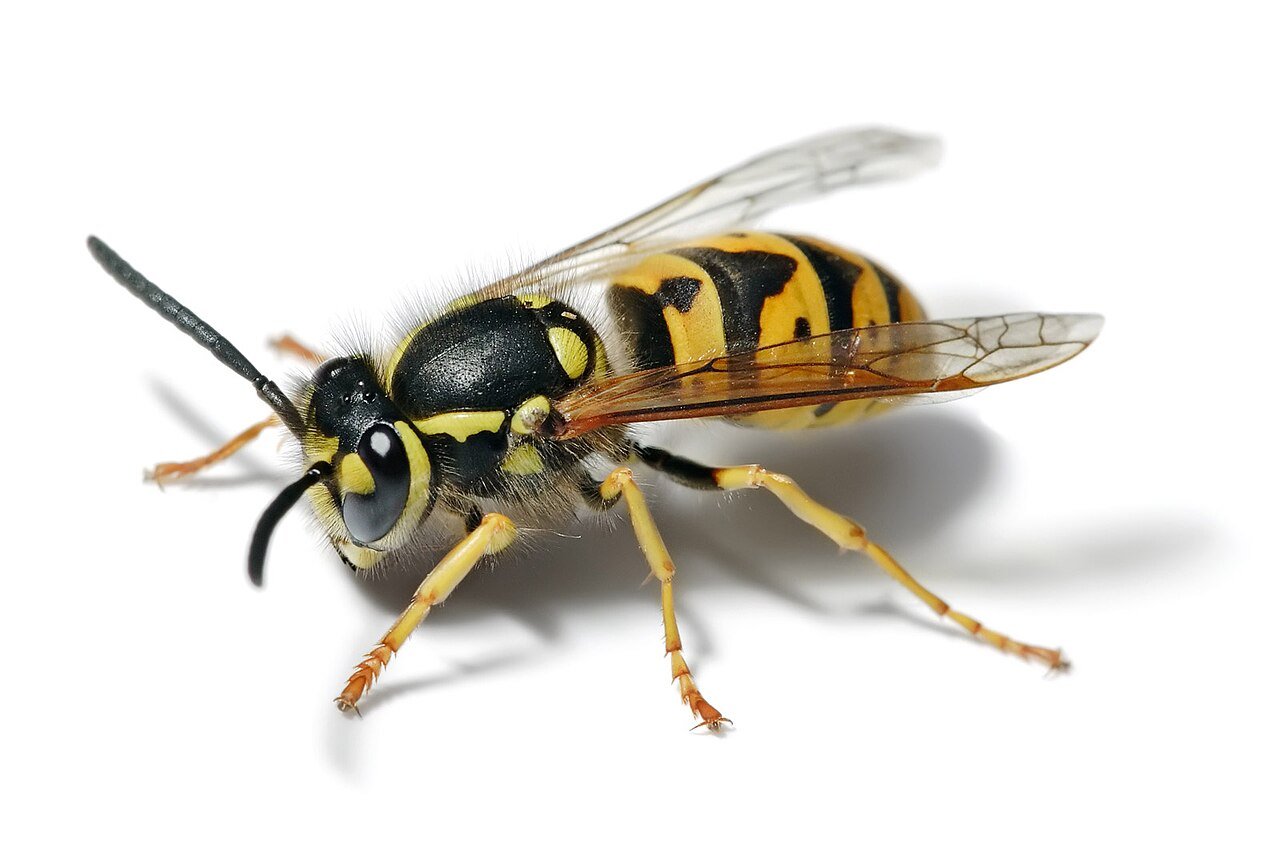
A residential eave gets walked under daily; a shed rafter goes unobserved for months, and unobserved is the single quality a founding colony values most. Brookville’s parcels supply that quality in bulk — the town-edge properties with a barn and three outbuildings, the equipment stored under open lean-tos, the rail- and grain-adjacent structures with their high, sheltered framing. The occupancy pattern follows: paper wasps take the rafters, door tracks, and the undersides of anything stored high; yellowjackets take the wall voids, the junk-pile cavities, and — on the untended margins — the ground, where old rodent burrows on a rural parcel offer them move-in-ready foundations by the dozen. By August, an unentered shed can hold a colony at full strength three feet from where a hand is about to reach for a gas cap.
The Pre-Use Sixty Seconds
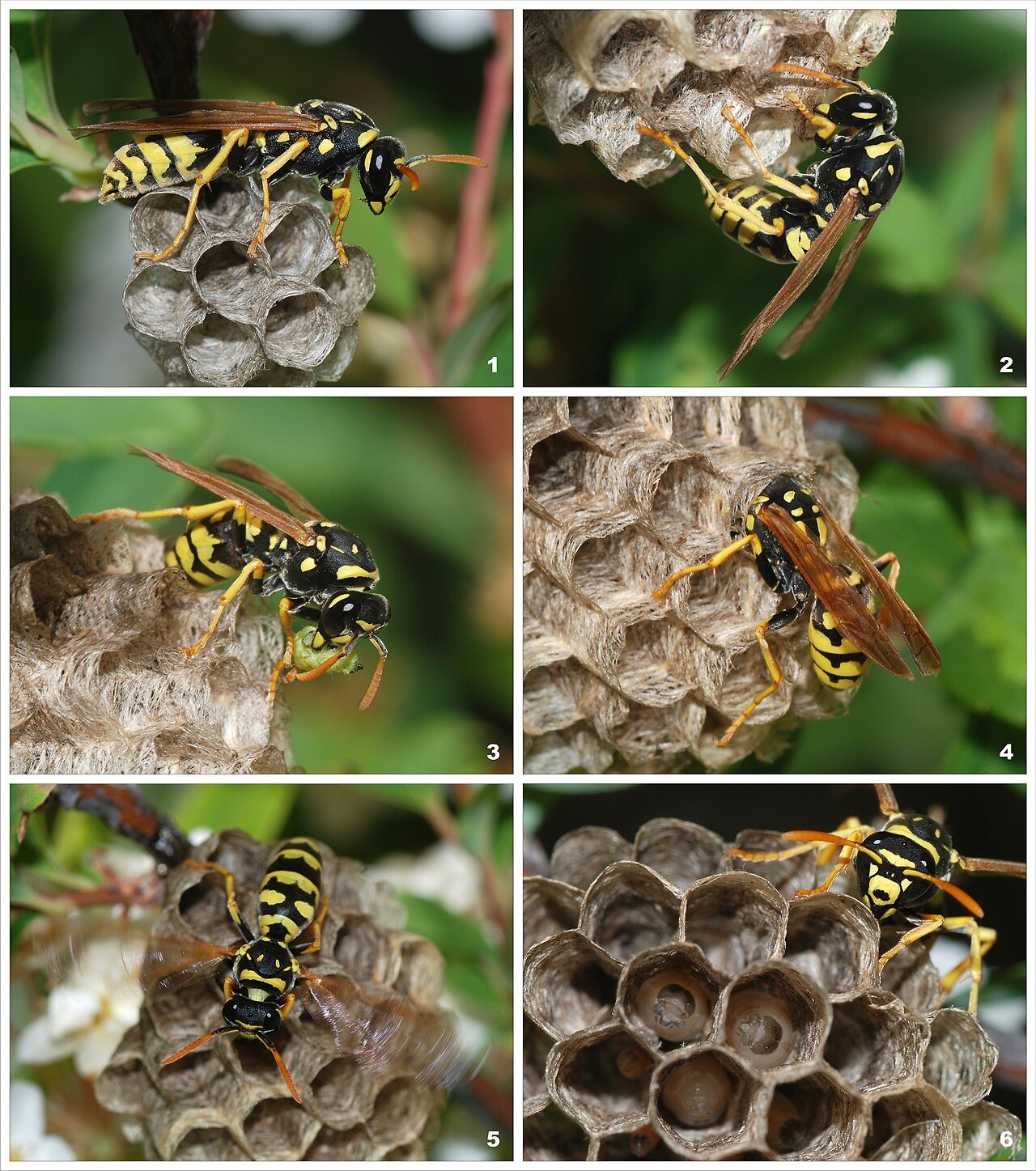
The habit that prevents most of this file’s emergencies costs one minute: before the season’s first serious use of any stored building or machine, stand in the doorway and look up. Scan the rafters and ridge line, the door track and header, the underside of the stored equipment itself — wasps nest on mower decks, in trailer frames, under seed-drill covers — and listen for the hum a working colony can’t suppress. A golf-ball founding nest spotted in April is a broom job at dusk; the same architecture discovered by starting the engine under it in July is a defended colony reading vibration as attack, and it’s how a routine morning becomes a sting story. Machinery adds the multiplier: an operator stung at the controls of running equipment has two problems at once, which is why the pre-use scan is genuinely a safety habit and not just a comfort one.
The Brookville Program
- Spring outbuilding sweeps: April–May passes through every structure on the parcel — rafters, tracks, stored equipment — catching colonies at the broom stage
- Established-colony removal: full-protocol treatment for the August discoveries: rafter nests, wall-void yellowjackets (colony killed first, opening sealed after — never the reverse), and hornet nests at height
- Ground-nest response: the rural-margin file — steady low traffic to one point in the grass gets flagged, mowed around, and treated at the burrow with the full kit
- The parcel calendar: sweeps folded into the same seasonal visits that run the rodent stations and perimeter work, because a working property’s files share a schedule better than they share separate invoices
The honest note for the town lots: in-town Brookville runs the standard eave-and-porch season, lighter than the parcels but on the same calendar, and the same rule applies at every scale — April’s founding nests are trivially cheap to remove and August’s are not, so the spring pass is where the money is saved. Frost ends every colony in town regardless; what it doesn’t end is the architecture, and the fall walk-through that knocks down dead paper and notes the favored corners is what makes next April’s sweep surgical. The town’s full file lives on our Brookville service page.
Beat the Collision
One spring sweep covers every rafter, track, and stored deck on the parcel; one call handles whatever summer found first. And if the discovery’s already made — the nest is live, the mower’s under it — leave the door rolled down and let our ladder take the risk.
Frequently asked questions
Why do my sheds and barn get so many more wasps than the house?
Observation pressure — a residential eave gets walked under daily; a shed rafter goes months unobserved, and unobserved is the founding queen’s favorite amenity. Add dry framing, door-track shelter, and stored equipment’s undersides, and outbuildings win the housing market every April.
Where exactly should I look before using stored equipment?
The sixty-second scan: rafters and ridge line, door track and header, and the machine itself — mower decks, trailer frames, implement covers all host nests. Listen for the hum too. April finds are broom jobs; July engine-starts under a nest are sting stories.
Is it safe to knock down a small spring nest myself?
A founding nest — golf-ball comb, single queen, no workers patrolling — yes: dusk, broom, done. Visible worker traffic means an established colony with alarm-pheromone defense, and that’s our ladder’s job, especially at rafter height over concrete.
What’s nesting in the ground along my field edge?
Yellowjackets in old rodent burrows — rural parcels produce move-in-ready foundations by the dozen. Watch for steady low flight converging on one grass point, flag it, mow around it, and call: by September these colonies run thousands strong and answer mower vibration as an attack.
There are wasps going into a gap in my barn wall — can I just seal it?
Never seal first: a closed colony digs inward, and board walls give them somewhere to go. The sequence is fixed — entrance-dust treatment, colony confirmed dead, then the seal, ideally with the elevation’s other gaps closed while the ladder’s up.
Do wasps reuse old nests each spring?
Old paper is never reused, but proven sites get re-founded by new queens reading the same architecture. The fall walk-through — dead paper knocked down, favored corners noted — is what makes the spring sweep surgical instead of general.
Are wasps in the barn good for anything?
Honestly, yes — paper wasps hunt caterpillars and flies all summer, and a nest high in an unused corner of a big barn can sometimes stay by agreement. The line is human traffic: anything over doorways, equipment, or working zones gets removed. We’ll call it straight per nest.
What does wasp removal cost in Brookville?
Flat single-nest pricing, whole-parcel sweep rates that cover every outbuilding in one visit, and the spring pass priced deliberately under the summer emergency — because the April broom beating the July ladder is the entire strategy.
The neighboring Brookville files complete the map: termite control in Brookville and ant control in Brookville.