
Every summer, Eaton’s backyards fill with livestock. The county’s 4-H culture puts project animals on town lots and rural edges alike — a market hog in a backyard pen, rabbits in a hutch row, goats in a corner paddock, broilers in a movable coop — and every one of those projects is, from a rodent’s accounting, a micro-farm opened in a residential neighborhood: daily grain, spilled feed, water, bedding, and a structure nobody enters after evening chores. Rodent control in a fair county runs through that seasonal economy. We call it the project-pen file, and it explains a call pattern unique to towns like this one: rodent complaints that bloom on ordinary residential streets in late summer, peak through fair season, and trace — house by house — to the pen out back that a kid’s project built in April.
The Micro-Farm Economics
A single market hog’s summer runs hundreds of pounds of feed through a backyard, and even careful feeding spills the percentage that matters: a colony’s budget lands in the soil around the trough within weeks of the project starting. Rabbit hutches drop pellets and hay through wire floors into sheltered under-hutch zones that mice colonize as fast as they find them; chicken tractors concentrate feed on a moving footprint; and the pens themselves — plywood, pallets, whatever April’s build afforded — offer harborage at ground contact. None of this argues against the projects: they’re the county’s best tradition, and the fix is the same husbandry discipline the projects exist to teach. Feed in steel with lids, measured feeding that the animal finishes, under-hutch trays or gravel pads that deny the sheltered floor, pens up on blocks with sight lines beneath, and the weekly spill sweep added to the chore chart — a 4-H’er who runs that list is learning exactly what the program means by animal husbandry, and the yard’s rodent budget closes with the feed cans.
Fair Season and After
The calendar has two pressure points. Fair week concentrates the county’s project animals — and their feed — at the fairgrounds barns, whose seasonal-occupancy rhythm (intense week, quiet months) runs the classic rodent dynamics of any intermittently-used livestock building; the fair board’s station lines and off-season exclusion work are what keep the barns from banking populations between events. The after matters more for households: when a project ends — the animal sold at auction, the pen standing empty — the feed stops but the established colony doesn’t, and September’s empty pen sends its residents to the nearest provisioned structure, which is the house. The project’s last chore is the one nobody assigns: the pen cleaned out, the feed residue removed, and — if the colony established — the station work that ends it in the yard rather than the kitchen.
The Eaton Program
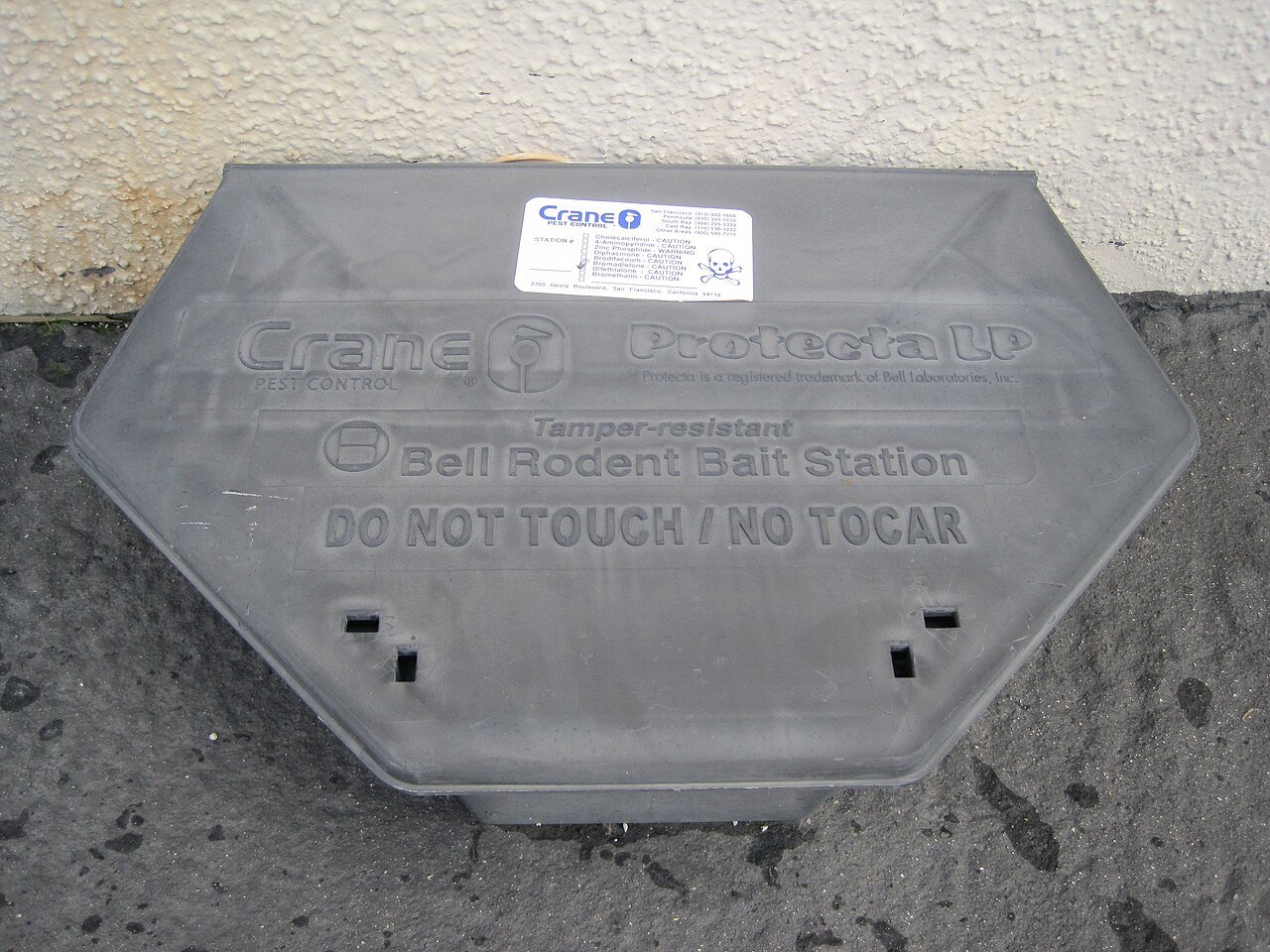
- Project-season service: pen-line stations and snap-trap boxes placed animal-safe for the summer, the husbandry list taught to the project’s actual manager (the kid — they’re usually the best student in the house), and the end-of-project closeout visit
- Farmstead and rural work: the full parcel walk — barns, cribs, and the five-building perimeter’s rodent half — on the fall calendar
- Town-lot standard: garage gaskets, sill gaps, and the September exclusion timing that beats the field-eviction wave
- The boundary, honestly: rats and mice only — the raccoon after the feed and the groundhog under the pen are licensed wildlife referrals, named without a bill
The framing the county deserves: Eaton’s rodent pressure maps to its agricultural character, and its solution maps to the same character — husbandry, timing, and honest hardware, taught and serviced by people who know which end of a feed scoop matters. The projects stay; the colonies don’t. The town’s full pest picture lives on our Eaton service page.
Add Us to the Chore Chart
One visit sets the project’s rodent posture — steel storage, trays, stations, sight lines — and the closeout visit ends the season clean. Fair-board and farmstead work quoted the same honest way, and the husbandry list is free to every 4-H family who asks.
Frequently asked questions
Why did mice show up after we started our 4-H project?
Because a project pen is a micro-farm by rodent accounting: daily grain, the spill percentage in the soil, water, bedding, and ground-contact harborage — opened on a residential lot in April. It’s the county’s signature seasonal call pattern, and the husbandry list closes it.
What’s the project-pen husbandry list?
Feed in lidded steel, measured feedings the animal finishes, under-hutch trays or gravel pads, pens up on blocks with sight lines beneath, and the weekly spill sweep on the chore chart. A 4-H’er who runs it is learning exactly what the program means by husbandry — and defunding the colony besides.
Are bait stations safe around project animals?
Placed our way, yes: locked stations outside the pen line where hooves, beaks, and muzzles can’t work them, snap-trap boxes where bait shouldn’t sit at all, and every placement walked with the family. Around show animals headed to auction, placement discipline isn’t optional.
What happens when the project ends at auction?
The feed stops; the colony doesn’t — and September’s empty pen sends its residents to the nearest provisioned structure, usually the house. The closeout is the chore nobody assigns: pen cleaned, residue gone, and station work if a colony established. We run it as a single visit.
Does the fairgrounds itself drive rodent pressure?
Its barns run classic intermittent-livestock dynamics — intense fair week, quiet months — and station lines plus off-season exclusion are what keep them from banking populations between events. That’s fair-board-scale work we quote separately and gladly.
We’re rural with a full farmstead — same program?
Scaled up: the whole-parcel walk covers barns, cribs, and feed rooms on the fall calendar, with the same animal-first placement rules. The pen file is just the farmstead file at town-lot size.
Who handles the raccoon in the feed or the groundhog under the pen?
A licensed wildlife operator — different trade, different license — and we hand you the referral without a bill. Rats and mice and smaller is our honest boundary.
What does rodent control cost in Eaton?
Project-season setups priced as the two visits they are — setup and closeout — with the husbandry list free to every 4-H family; town-lot service at standard flat rates; farmstead and fair-board work quoted by the walk.