
Every summer, Eaton hosts one of Ohio’s great traveling economies: the fair. The Preble County Fairgrounds fill with concession trailers that have worked a dozen counties since May — fryers, coolers, syrup lines, and storage bays that have parked beside a hundred other rigs at a hundred other midways. It is wonderful, and to a German cockroach it is transit. Cockroach control in a county-seat fair town carries a file most pest pages never mention: the concession circuit, where roaches ride trailer to trailer through a summer of shared midways, winter over in stored rigs, and occasionally disembark into the kitchens, church halls, and homes of the town that hosts the show. We call it the fair-week file — and alongside it runs the honest, quieter residential truth of a rural county seat.
How the Circuit Carries
A concession trailer is a compressed restaurant: heat, moisture, sugar, grease, and cardboard restock arriving daily — German roach habitat rated five stars. Rigs that work the summer circuit park flank to flank at every stop, share commissary loads and supply deliveries, and then winter in barns and storage yards where an established population simply waits. The transfer moments are prosaic: a restocked syrup box that sat in an infested storage bay, a cooler loaned between vendors, the trailer itself parked beside a barn wall all January. For Eaton specifically, the file touches ground in three places — the fairground vendors themselves, the town’s year-round food service that shares suppliers and church-festival duty with the circuit, and the households of everyone who operates, borrows, or stores that equipment. None of this is a warning against the fair; it’s a map of where the audit belongs.
The Vendor’s Off-Season Audit
If you run or store concession equipment in Preble County, the highest-value hour of your year is the post-season strip-down: every rig emptied, cardboard out permanently (plastic totes forever after), hinge voids and equipment gaps inspected with a flashlight, and — the professional’s move — monitor traps placed in the stored rig through the winter. A sticky trap in a January trailer answers the only question that matters before the next season: is anything wintering here? Catching a population in storage costs a fraction of discovering it at your first spring festival, in front of a health inspector, at the worst possible moment for a food license.

The Rest of Eaton’s File
Away from the circuit, Eaton runs the standard rural county-seat pattern, and it deserves the honest telling: detached housing on big lots carries low German-roach pressure — no shared walls, no building-to-building highways — and most residential sightings here are the June wood roach off the tree lines, an outdoor species that cannot infest and needs a lightbulb conversation rather than a treatment. The genuine residential cases arrive the way they arrive in every detached-housing town: carried in secondhand appliances, moving boxes, and storage totes — or in equipment coming home from the circuit. Caught early in a house with no shared walls, a confirmed case clears in a single gel-bait course, and we say so instead of selling a subscription.
- Vendor and commissary service: off-season strip-down inspections, winter monitoring, and pre-season clearance for concession rigs and storage bays
- Food-service accounts: the county seat’s restaurants, cafeterias, and church kitchens on scheduled monitor-and-bait programs with the logbook health inspectors want to see
- Residential verdicts: free photo ID first — wood roach acquittals cost nothing, and confirmed German cases get the single-course protocol with the import audit that closes the route
- No foggers, anywhere: total-release cans scatter populations deeper into equipment and walls — the most expensive “cheap” move in this file
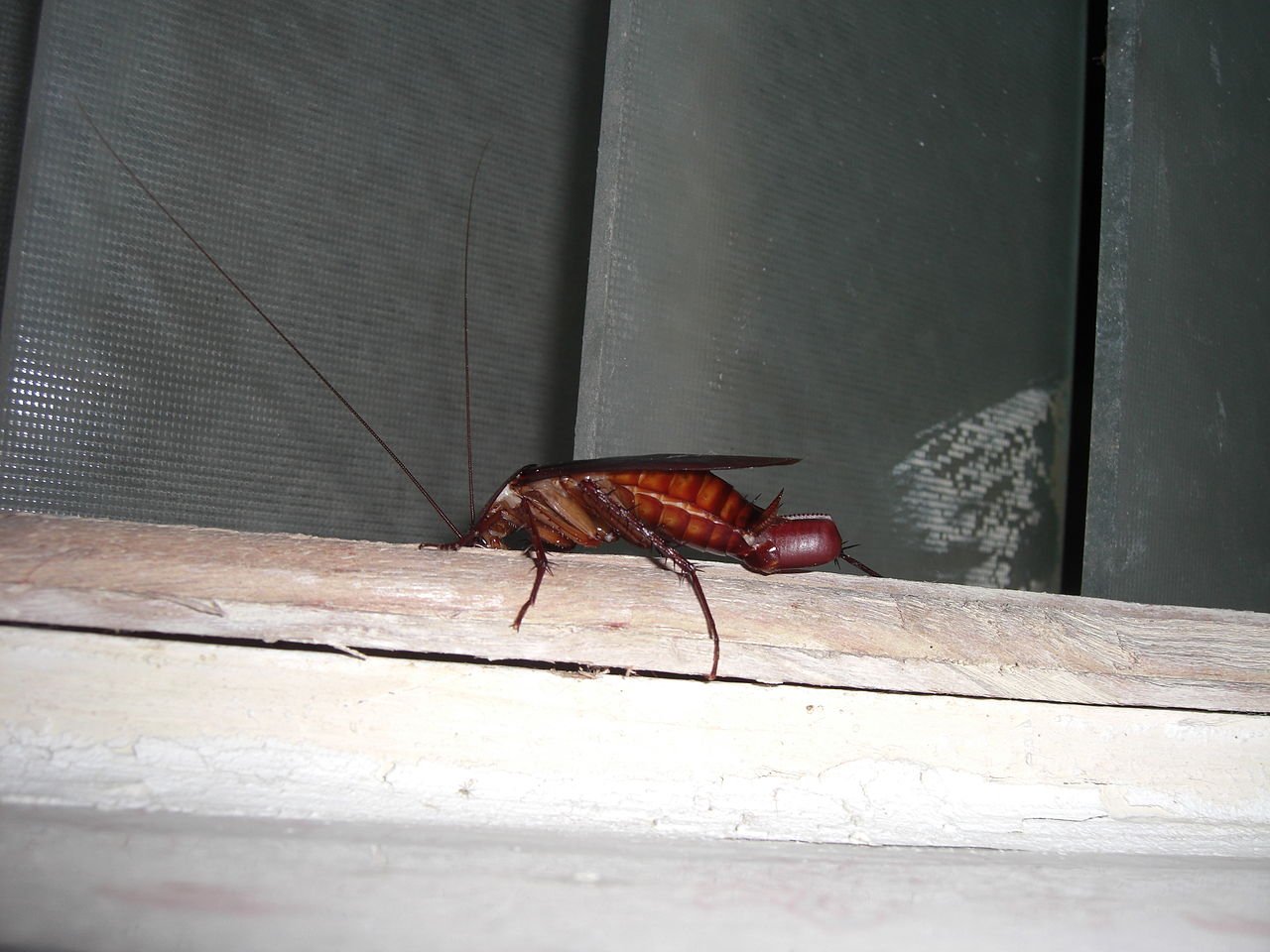
The town’s full file lives on our Eaton service page — and the fair-week file’s bottom line is worth stating plainly: the circuit is a vector, not a verdict. Equipment audited in the off-season, suppliers’ cardboard broken down at the door, and a free photo sent before any panic — that’s the whole discipline, and it keeps the county’s best week of summer exactly what it should be.
Book the Off-Season Hour
Vendors: the strip-down and winter monitor is the cheapest insurance your food license can buy. Households: the photo ID is free, the acquittal is common, and the real cases clear in one course. Either way, the call costs nothing.
Frequently asked questions
Can roaches really spread through fair concession trailers?
It’s a documented commercial vector: rigs are compressed restaurants — heat, moisture, sugar, daily cardboard — that park flank to flank across a summer of midways, share coolers and commissary loads, and winter in storage where populations simply wait. The audit belongs on the equipment, not the fair.
I operate a concession rig — what should I do after the season?
The strip-down hour: everything out, cardboard banished for plastic totes, hinge voids and equipment gaps flashlighted, and monitor traps left in the stored rig all winter. A January sticky trap answers the only question that matters before spring licensing.
I found a roach in my Eaton house — is it an infestation?
Odds favor acquittal: single sightings near lights in June are wood roaches off the tree lines — an outdoor species that can’t breed indoors and needs a lightbulb conversation, not treatment. Multiples in the kitchen with young is the real file. The photo ID is free and settles it.
How do real roach problems start in a town like Eaton?
Carried — secondhand appliances, moving boxes, storage totes, or circuit equipment coming home. Detached housing with no shared walls means no building-to-building spread, so closing the import route closes the case.
Do bug bombs work on roaches?
They make things worse — the repellent blast scatters populations deeper into walls and equipment voids, turning a contained case into a distributed one. Gel bait plus growth regulator is the protocol that actually ends a population.
What does a restaurant or church kitchen need to stay clear?
A scheduled monitor-and-bait program with a logbook — monthly checks, documented placements, and a trend line. It’s what health inspectors want to see, and it catches the delivery-borne introduction at insect three instead of generation three.
Will one treatment fix a confirmed house case?
In Eaton’s detached housing, usually yes: a single gel-bait course with follow-up check clears an early-caught German roach case, and no shared walls means no reinfection pressure. We price it that way instead of selling quarterly forever.
What does cockroach control cost in Eaton?
The ID and the acquittal are free. Residential courses run flat-priced; vendor strip-downs and winter monitoring are priced as the license insurance they are; and food-service programs quote by facility — always less than one failed inspection.
The companion files for Eaton households: rodent control in Eaton and wasp & hornet removal in Eaton.