Standing in the bedroom at midnight with a can of Lysol and a confirmed bed bug on the mattress seam, the question is understandable and the internet’s answers are a mess. So, cleanly: yes, Lysol kills bed bugs it directly soaks — and no, Lysol cannot treat a bed bug infestation, not even a small one, and trying tends to make the next month worse. This page walks the honest chemistry of why both halves are true, what that midnight can is actually good for (there is a real answer), the specific ways disinfectant campaigns backfire, and the two-week plan that beats the population instead of the individual. Same format as the rest of our myth-testing series, same rule: mechanisms and evidence, no wishcasting.
Why it kills the one and misses the war
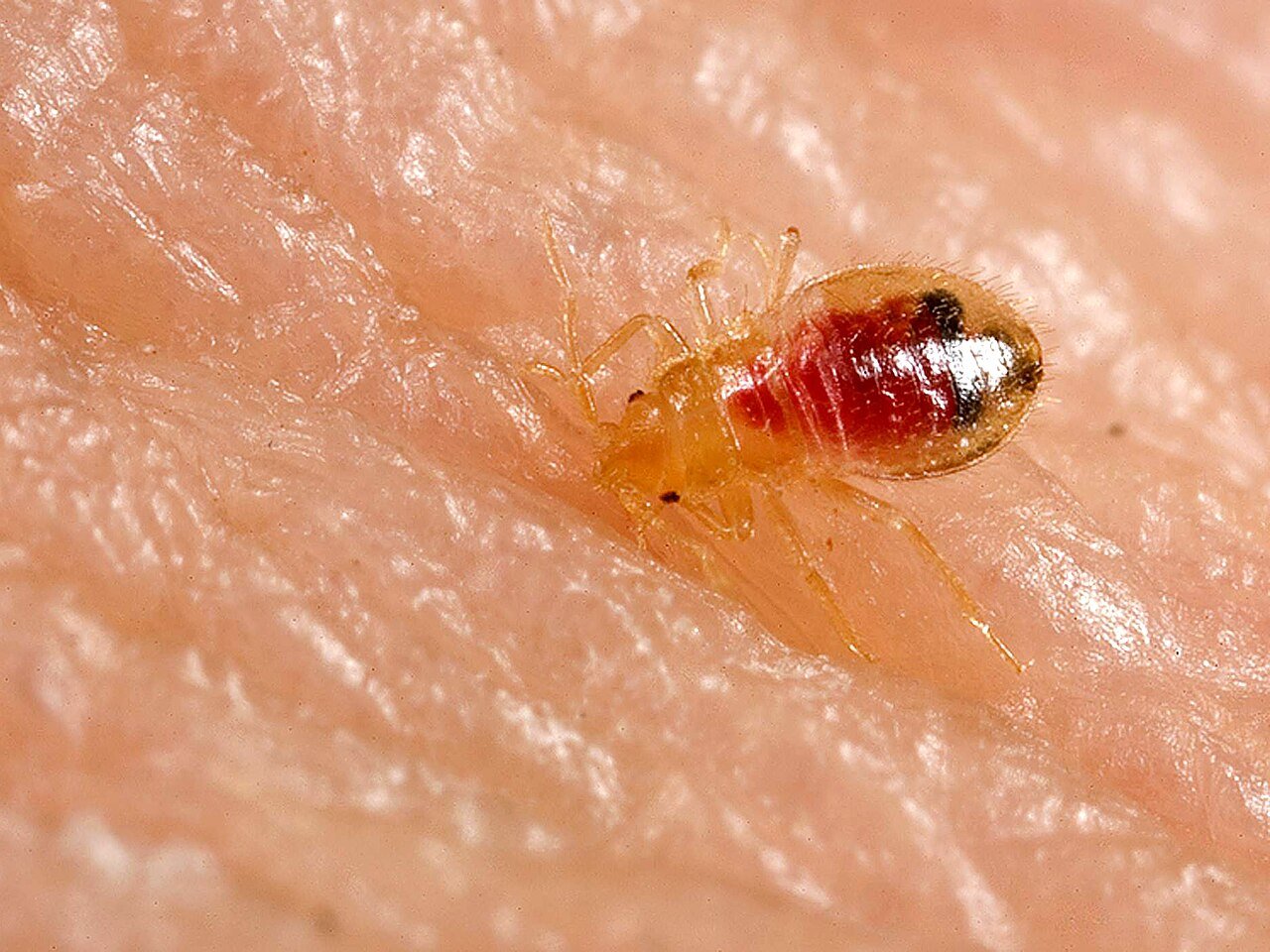
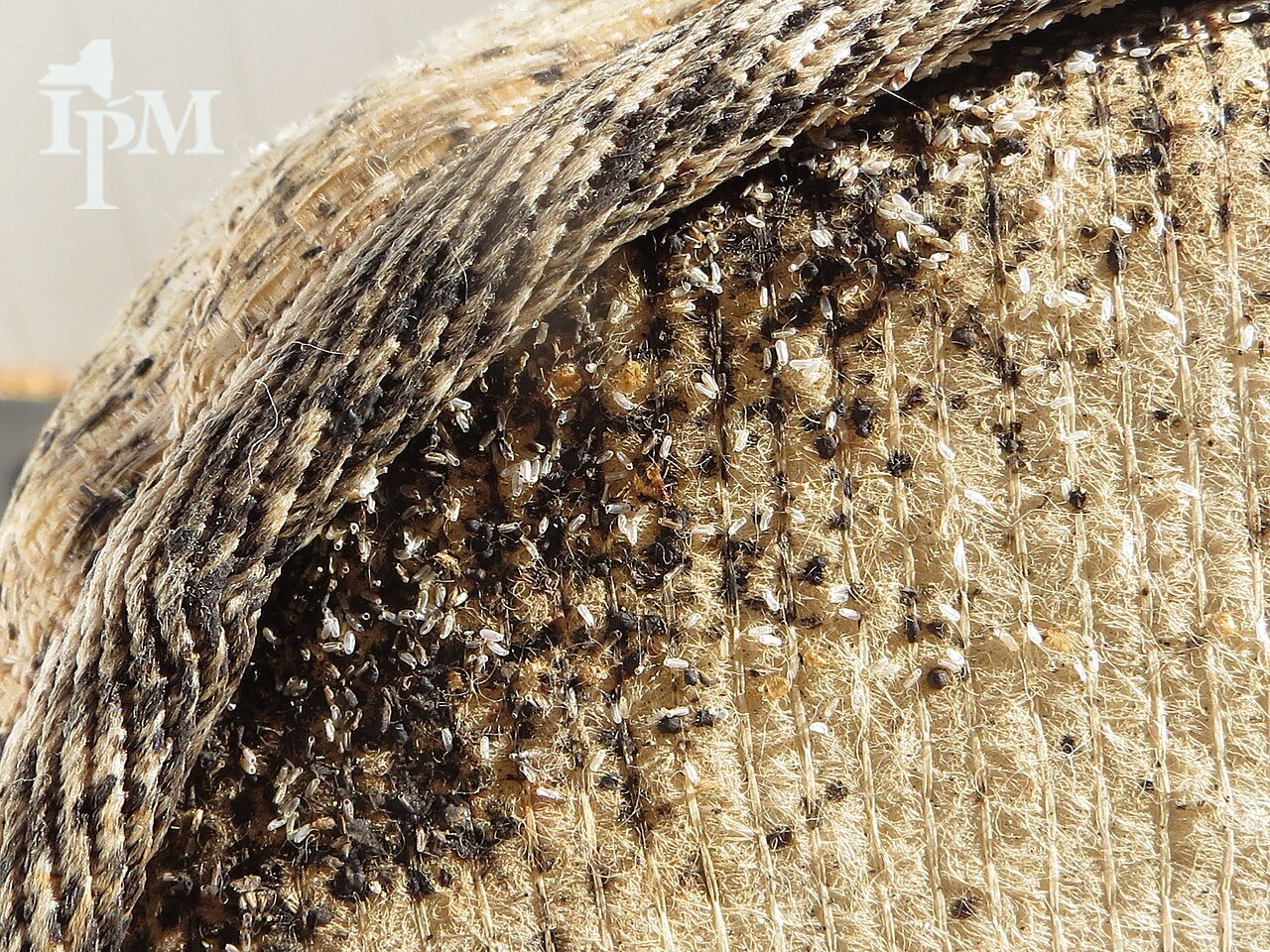
Lysol’s spray formulations run on ethanol and quaternary ammonium compounds — solvents and membrane disruptors that are genuinely lethal to a soft-bodied insect drenched at close range. Soak a wandering bed bug and it dies; the demonstration is real. The war is lost on four fronts the can cannot reach. Coverage: the visible bug is the outlier — the population lives cemented into mattress piping, box-spring frames, screw holes, and baseboard gaps (the egg guide maps the territory), where a surface mist never arrives at lethal dose. Eggs: the shell sheds brief liquid contact; nothing short of soaking — or 118°F — touches them, and the label’s contact-time chemistry was designed for bacteria on countertops, not embryos in sealed casings. No residual: once the ethanol flashes off (minutes), the treated surface is just a lemony surface; the nymph that walks it at 3 a.m. strolls through unbothered. Behavior: repeated wet assaults on the bed teach survivors to disperse — deeper into voids, into adjacent rooms — trading a concentrated, treatable infestation for a scattered one. Every contact-spray myth in our series fails on this same quartet; Lysol just smells nicer failing.
A disinfectant is not an insecticide, and spraying one buys a false sense of progress. The real answer is bed bug treatment in Dayton.
The label is also the law — and it agrees with us
One more angle worth knowing: Lysol is registered as a disinfectant, and its label lists the organisms it is approved to kill — bacteria and viruses on hard surfaces. Bed bugs are not on it, which means using it as an insecticide is both off-label (federal pesticide law’s “the label is the law” applies to disinfectants too) and untested for the job by anyone with a stake in the claim. Products legally allowed to say “kills bed bugs” had to submit efficacy data; the disinfectant aisle never did. When a $9 can and a $12 labeled bed bug product sit one aisle apart, the registration paperwork is quietly telling you which one was ever designed for this fight — and even the labeled consumer sprays inherit the coverage-and-eggs problem, which is why the honest ranking runs: professional protocol, then heat-and-steam discipline, then labeled products as supporting cast, then disinfectants somewhere behind a stiff shoe.
How the Lysol campaign actually backfires
If a few sprays were merely useless, we would shrug — but the pattern we see on jobs that started with a disinfectant phase has real costs. The scatter effect is the big one: nightly wet attacks on the bed push survivors outward along baseboards and cords into wall voids and the next room, so the eventual professional treatment covers more territory at more cost. The false-confidence effect runs second: dead bugs on the surface read as progress while the egg bank hatches on schedule, and families lose the three or four weeks that separate a small job from an established one. And the exposure effect is not nothing: fogging a sleeping room nightly with ethanol-quat aerosols — far beyond label use — means breathing it, sleeping in it, and coating kid-and-pet surfaces in it, all for the pest-control value of a scented shrug. There is also the flammability footnote the alcohol page covers: ethanol aerosols plus pilot lights and space heaters have written real fire-department reports during DIY bed bug sieges. High effort, negative return — the definition of a myth worth retiring.
What that can is actually good for (a real answer)
Do not throw the Lysol away — reassign it. Bed bug infestations come with a legitimate sanitation aftermath: fecal spotting on frames and baseboards, the general grime of moved furniture, the post-treatment urge to reset the room. Disinfectant is exactly the right tool for that cleanup phase — after the insect problem is being solved by things that solve insect problems. It also has a supporting role in the travel ritual: wiping down luggage exteriors after trips (mechanical wipe-down matters more than the chemical, but the habit stacks with the dryer ritual that actually protects you). What it is not, ever, is the treatment — and the same verdict covers the cousin questions in the cluster: Lysol on ants (contact kill, trail erasure, and the same budding backfire as vinegar), Lysol on roaches (see the bleach page’s identical logic), Lysol as a preventive mist (nothing to prevent with — no residual). Disinfectants disinfect. It is honest work. Let them do it.
The two-week plan that replaces the can
- Tonight: stop spraying; bag tonight’s bedding for the dryer; put the confirmed bug in a zip bag or tape it to paper — evidence for the free ID: (937) 569-3330
- Day 1–2: the full thermal opening — dryer campaign, slow steam on seams and frame, certified encasements on mattress and box spring, interceptors under every leg
- Day 2–14: weekly steam passes, interceptor readings, no furniture migrations, no couch-sleeping — keep the trap baited with yourself, protected by the moat
- The fork: counts falling toward zero — finish the protocol and stay on monitoring; counts holding or evidence beyond the bed — professional staging, brought in while the job is still small
Lysol questions we hear
The label says it kills 99.9% of germs — surely that includes bugs?
“Germs” is doing specific legal work in that sentence: it means the bacteria and viruses on the label’s tested list, full stop. An insect is a different kingdom of life with a waxed exoskeleton, a respiratory system that closes under assault, and eggs built like sealed vaults — none of which was in the test tube. The 99.9% claim is real and really irrelevant, the way a lawnmower’s warranty says nothing about your car.
I sprayed and found dead bugs the next morning — proof it works?
Proof it killed the ones you soaked, which was never in dispute. The morning bodies are the drenched; the colony’s core — cemented eggs, seam-dwellers, void-dwellers — missed the event entirely and will replace the losses inside two weeks. Judge any bed bug method by week three, not morning one: bites, interceptor counts, fresh spotting. Contact sprays win every morning-one and lose every week-three; it is the signature of the whole category.
Lysol laundry sanitizer — does that help with bedding?
It disinfects laundry; the dryer’s heat is what executes bed bugs, and it needs no chemical assistant — 30+ minutes on high kills every stage on its own (the numbers). Use the sanitizer if you like sanitized laundry; just do not let it promote itself into the bed bug plan. The plan is the heat.
What about spraying it in luggage after hotels?
A light exterior wipe-down, fine. The protective step that matters is thermal and mechanical: contents through the high-heat dryer on return, suitcase inspected (seams, pockets) and stored away from bedrooms — sealed in a bin or bag if you travel often. Our spread guide ranks the travel defenses; aerosol mist ranks near the bottom, the dryer near the top.
The full myth-testing series: rubbing alcohol · bleach vs bed bugs · bleach vs roaches · bug bombs · vinegar vs ants · home remedies, graded.
Why this myth specifically refuses to die
Every myth in our series has an engine, and Lysol’s runs on three reinforcing parts. Availability: at midnight, the can under the sink is the only weapon in the house, and desperation promotes whatever is within reach. Visible results: the soaked bug dies on camera, and thirty seconds of dying bug outranks three weeks of population biology on every video platform — the same demonstration-versus-outcome economics that keep the vinegar myth green. And category confusion: a lifetime of “kills 99.9%” marketing builds a mental model of the can as a universal death ray, when its actual engineering brief was countertop bacteria. Understanding the engine is practical armor — the next viral remedy (there is always a next one) will run on the same three parts, and you will recognize the sound. The boring test that defeats all of them: does the method reach the eggs, and does anything remain lethal next week? Two questions, and the entire home-remedy shelf answers no twice.
The bottom line
Lysol kills the bed bug you drown and cannot touch the infestation — no reach into harborage, no effect on cemented eggs, no residual after the ethanol lifts, and a real record of scattering populations and burning treatment-critical weeks. Reassign the can to the cleanup it was built for, run the thermal-and-monitoring plan that actually corners the population, and judge everything by week three. And the moment you would rather hand the whole timeline to professionals — free assessment, staged or whole-room heat, follow-up inside the hatch window, re-treatment guarantee in writing — we are one call away: (937) 569-3330. Greater Dayton Pest & Rodent, Ohio licensed — ODA Pesticide Business License #115079: honest about what does not work, relentless with what does.
The full contact-spray scoreboard
Because the Lysol question never travels alone, here is the entire midnight-cabinet lineup against bed bugs, scored on the only two questions that matter — egg reach and residual life. Lysol and disinfectant sprays: no and no; contact kill only, plus the scatter risk. Rubbing alcohol: no and no; slightly better contact kill, genuine fire hazard at room scale (full test). Bleach: no and no; adds fabric destruction and fume exposure to the same failure (full test). Windex and ammonia cleaners: no and no; the weakest contact kill of the set. Essential oil sprays: no and briefly-maybe; lab-verified knockdown of directly sprayed bugs, evaporating repellency, zero egg effect. Hair spray, hand sanitizer, perfume: no and no; flammable novelty answers. The dryer, the steamer, encasements, interceptors: yes where applied, and yes in function — the household tools that pass are not sprays at all. The scoreboard’s lesson compresses to one sentence worth keeping: if it comes in a spray can from a grocery aisle, it can execute a bug you have already found, and bed bug infestations are never made of bugs you have already found.
Is there ANY spray that solves bed bugs?
Even professional products are not “solve it in one pass” sprays — they are components: non-repellent residuals that keep working across the hatch window, growth regulators that sterilize survivors, dusts for voids, each placed by harborage logic and sequenced with follow-up. The delivery system for a real solution is a protocol, not a nozzle. Anyone — product or company — promising one-spray elimination is describing marketing, and the week-three test will grade them accordingly.
What a real first 24 hours looks like (from our call log)
For contrast with the midnight can, here is how the households that resolve fastest actually spend day one, drawn from hundreds of Dayton-area cases. They photograph the bug and the evidence before disturbing anything — species confirmation changes everything, and bat bugs and look-alikes hijack a meaningful share of panics. They text it in and get the free ID plus an honest read on scale. They run the thermal opening that evening — dryer, steam if they own one, encasements ordered same-day, interceptors improvised from dish soap and plastic cups until the real ones arrive. They do not move to the guest room (the single most infestation-spreading decision available), do not fog, do not spray the aisle products, and do not throw out the mattress (a $900 panic that solves nothing — the encasement makes it irrelevant). And they book the inspection while the problem is one room, one seam, one manageable invoice. Total day-one spend: often under a hundred dollars and two hours. The households that arrive at us in month three via the spray-can road spend multiples of both. The difference was never effort — the midnight sprayers work hard — it was aim.
For renters: the Lysol trap has a lease-shaped version
One audience meets this myth under extra pressure: tenants who fear that reporting bed bugs means blame, charges, or a lease problem, and who therefore fight quietly with whatever the cabinet holds. Two things worth knowing. First, the quiet war fails for all the reasons above, and in multifamily housing it fails outward — populations pushed by nightly spraying travel wall voids into neighboring units, converting a private problem into a building event with your name in the middle of it. Second, Ohio’s landlord-tenant framework generally puts multifamily infestation treatment on the owner’s side of the ledger, and most Miami Valley landlords respond quickly to a documented report — especially one that arrives with photos and a professional confirmation attached, which we provide free. The move that protects both your sleep and your security deposit is the early, documented report — not six weeks of aerosol archaeology for a maintenance tech to find. We work both sides of that conversation weekly through our property management programs, and the units that report in week one are consistently the units back to normal by week four.
Can Lysol at least keep bed bugs from coming back after treatment?
No — prevention needs either a physical barrier or a lasting residual, and a disinfectant offers neither. Post-treatment prevention that actually holds: encasements kept zipped for the full year, interceptors left under the legs as a permanent early-warning system, the travel dryer ritual, and the secondhand-furniture inspection discipline from our spread guide. Those four habits are the whole maintenance program — none of them aerosol. Spray the bathroom fixtures with the Lysol; guard the bedroom with physics and vigilance, and when in doubt at any point, the free photo line is always open: (937) 569-3330.
One closing image to carry out of this page: the bed bug population in an infested room is an iceberg, and every spray can in the house is a hairdryer pointed at the tip. The visible ten percent dies impressively; the ninety percent below the seam line never notices. Professionals win because the protocol is built for the ninety — heat that penetrates, residuals that wait, follow-ups timed to the hatch calendar, monitoring that proves the water is finally empty. Aim at the iceberg, not the tip, and the midnight panic becomes a two-week project with an ending. We are here for whichever part of it you want handled: (937) 569-3330.
Frequently asked questions
Does Lysol kill bed bugs?
On direct-soak contact, some bugs — like almost any solvent spray — and as a treatment, no: zero residual once dry, zero egg penetration, and zero reach into the seams and voids where the population actually lives. Lysol is a disinfectant; bed bugs are not a germ.
Why do people think Lysol works on bed bugs?
The demo effect — spray a visible bug, watch it die, conclude victory. The colony’s other 95% never met the can, and the repellent-ish solvent scatter pushes survivors deeper — the same dynamic that makes every contact-spray strategy fail.
Is spraying Lysol on a mattress safe?
Against label directions and genuinely unwise — heavy fabric application means sleeping in solvent and fragrance residues, with flammability warnings on the aerosol to boot. The mattress-safe tools are vacuum, steam, and a certified encasement.
What about Febreze, alcohol, or other household sprays?
Same verdict across the aisle: contact kills at soaking volumes, no residual, no eggs, plus scatter risk — and rubbing alcohol adds documented fire hazard. No household spray-can product has ever cleared an infestation; the category is a placebo shelf.
Does Lysol at least kill bed bug eggs?
No — the cemented, capped eggs shrug off surface disinfectants; only sustained heat (118–120°F+), slow steam, or physical removal reliably ends them. Egg survival is precisely why spray-based DIY relapses two weeks later.
Can I use Lysol to clean up after bed bugs?
After elimination, sure — as the disinfectant it actually is, for the fecal staining on hard surfaces. That is the product’s honest role in the story: janitorial, post-war.
What should I spray on bed bugs instead?
Reframe the question — spraying visible bugs is the losing strategy in every brand. The working tools: hot dryer, slow steam, vacuum, encasements, interceptors, and treatments (professional residuals and growth regulators) engineered to reach harborage and survive drying.
Will Lysol keep bed bugs away from my bed?
No repellent effect worth the name — and repellency would be the wrong goal anyway: deflected bugs relocate to the couch and adjacent rooms rather than leaving. Interception (cups) and containment (encasements) beat repellence categorically.
I already sprayed everything with Lysol. Did I make it worse?
Possibly mildly — scatter happens — but far less than a fogger, and nothing unfixable. Stop spraying, bag and hot-dry the bedding, install interceptors to re-map where the bugs actually are, and start the real protocol from evidence.
What actually gets rid of bed bugs?
The boring, proven stack: inspection-mapped treatment (chemical protocol with the egg-timed follow-up, or whole-structure heat), encasements, interceptors, and laundry discipline — the combination that touches every life stage: (937) 569-3330, free assessment, no judgment about the Lysol.