
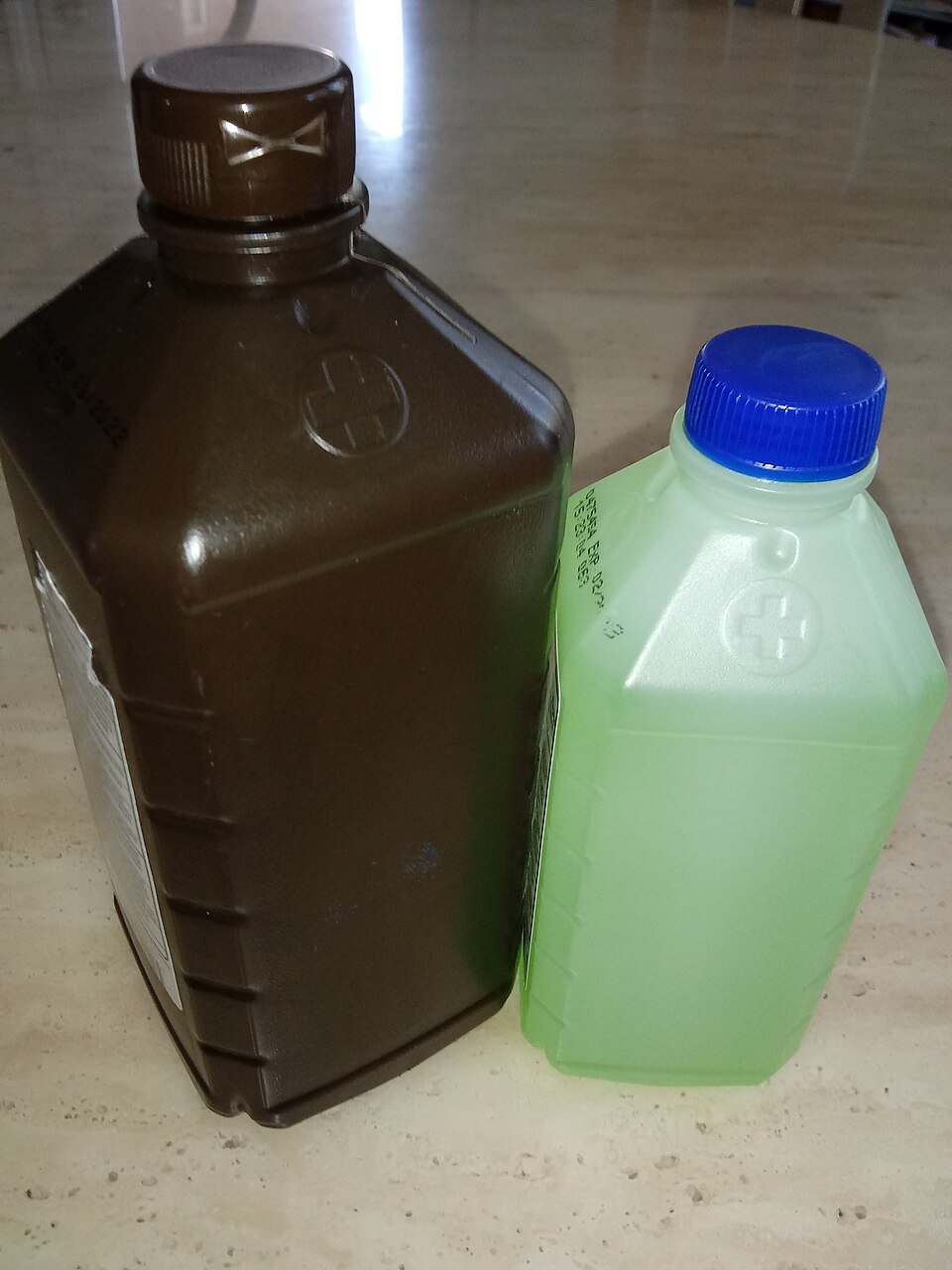
The short answer: yes, rubbing alcohol kills the bed bugs it directly soaks — and no, it cannot kill a bed bug infestation, and trying has burned down American homes. Both halves of that sentence deserve to be taken literally. Isopropyl alcohol is a genuine contact killer: drench a bed bug and the alcohol dissolves its waxy outer layer and desiccates it within minutes. But laboratory testing tells the rest of the story — spray application kills only a fraction even of the bugs it visibly hits, it has zero effect on the eggs glued into seams and screw holes, it evaporates in minutes leaving no residual protection whatsoever, and the bugs that matter most were behind the baseboard where no spray reached them anyway. Meanwhile the fire record is real: alcohol-soaked mattresses and furniture plus a pilot light, cigarette, or space heater have produced documented house fires in Cincinnati and beyond, started by people doing exactly what this search suggests. This page is the complete honest treatment of the question — what alcohol does and doesn’t do, why the DIY chemical shelf fails against this insect generally, what the fire risk actually looks like, and the parts of a real bed bug response you can start tonight for free — from the team whose guaranteed bed bug service cleans up after the alcohol experiment weekly: (937) 569-3330.
What the research actually shows
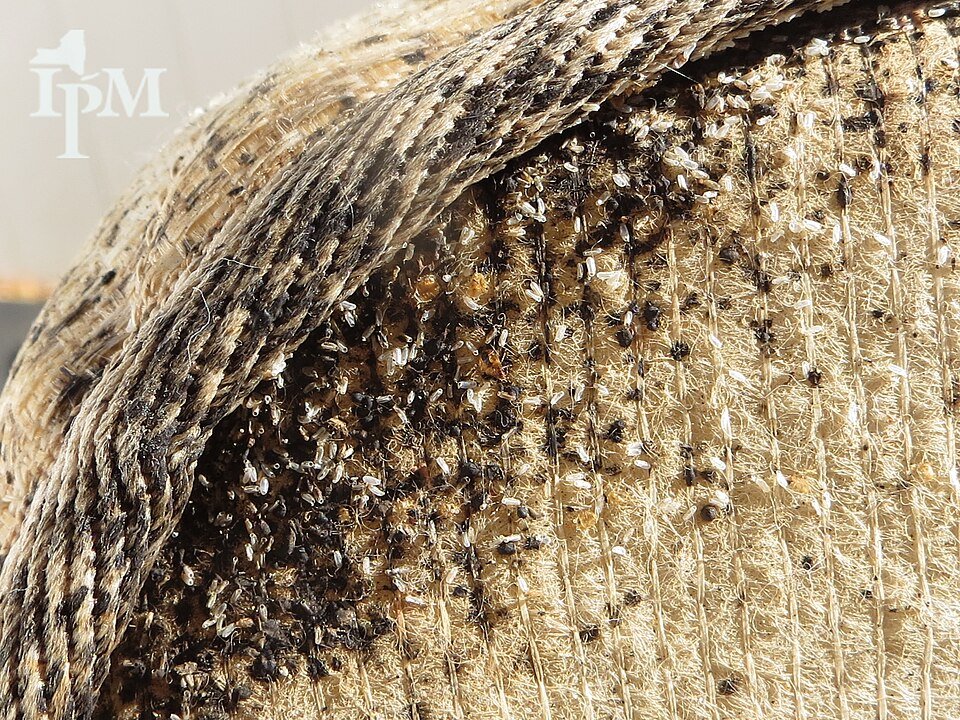
The definitive work here comes from university urban-entomology labs (Rutgers’ bed bug program most prominently), and the numbers demolish the strategy while confirming the chemistry. Direct spray with 91% isopropyl alcohol in controlled tests killed roughly half or less of adult bed bugs — even with soaking application at point-blank range — because the insect’s tucked profile, rapid flight into cover, and the spray’s fast evaporation leave most individuals under-dosed. Against eggs, alcohol performed close to uselessly: the egg’s shell and glued placement shrug off brief wetting, and every egg surviving is a fresh bug in ten days. Add the strategic math and the verdict compounds: a typical established infestation hides the large majority of its population in harborages a hand-sprayer never contacts — inside the box spring, behind the headboard’s wall side, in outlet boxes and baseboard gaps, under carpet tack strips — and alcohol carries zero residual, meaning the bug that walks the sprayed seam an hour later crosses clean, dry fabric. Compare the professional toolkit on our treatment page — steam that kills eggs on contact, rotated non-repellent chemistries bugs carry into harborages, desiccant dusts that keep killing in voids for months, encasements and interceptors that convert the bed into a monitored fortress — and the difference isn’t degree, it’s category: one approach is a squirt gun, the other is a siege engine.
It kills on contact, misses every egg, and is a genuine fire risk in quantity. The thing that finishes it is bed bug treatment in Dayton.
The fire file: why this DIY carries a warning label the others don’t
Most futile bed bug remedies merely waste time; alcohol uniquely adds hazard, and the record is unambiguous. Isopropyl alcohol’s flash point sits near room temperature — its vapor ignites readily — and bed bug panic pushes people toward exactly the worst application pattern: saturating mattresses, upholstery, and carpet (porous reservoirs that hold flammable vapor in the sleeping room), often with windows closed, often near ignition sources nobody counts — pilot lights, space heaters, candles, cigarettes, even static-prone bedding. Fire departments have attributed multiple U.S. house fires to precisely this scenario, including a widely reported Cincinnati apartment fire started by alcohol treatment near an open flame — close enough to home that Miami Valley fire crews cite it in prevention talks. The adjacent hazards fill out the file: fumes in an enclosed bedroom are genuinely unpleasant respiratory exposure (worse for kids and asthmatics — and bed bug households, per our main guide, already skew sleep-deprived and desperate); alcohol strips finishes off wood furniture; and the “stronger is better” escalation — heat guns, open-flame “torching” of frames, kerosene folk remedies — is how bed bug fires become a recurring national news genre every summer. The rule we’d put on the bottle: alcohol is for wiping a specimen jar, not treating a bedroom.
Homemade bed bug sprays, graded on the same curve: alcohol, vinegar and the rest of the shelf
- Rubbing alcohol: real contact kill, ~half effectiveness even on direct hits, useless on eggs, zero residual, genuine fire risk — grade F-plus, and the plus is for honesty
- Diatomaceous earth: the shelf’s one passing grade — food-grade DE is a legitimate desiccant dust when applied correctly (paper-thin films in cracks, voids, and under-bed perimeters, never visible piles bugs walk around); slow but genuinely residual, and a reasonable supporting player while awaiting professional dusts that outperform it
- Store “bed bug sprays” (pyrethroid aerosols): the resistance problem in a can — Ohio bed bug populations carry heavy pyrethroid resistance, and repellent formulations scatter survivors into new rooms; frequently worse than nothing
- Foggers/bug bombs: the catastrophic option — broadcast droplets never enter harborages, the repellent cloud drives infestations deeper into walls and adjacent units, and fogger-plus-pilot-light is its own fire genre; the one product professionals universally beg the public to skip
- Essential oils and “natural” sprays: lab results range from weak to negligible at consumer application rates; aromatherapy with a pest-control label
- Baking soda, salt, dryer sheets, mothballs: internet folklore, zero mechanism, zero results — mothballs adding the same toxicity problem they bring to every other pest myth
- The pattern: everything cheap kills the bug you can see and spares the population you can’t — and bed bug infestations are, definitionally, the population you can’t
What tonight’s desperation SHOULD go toward: the free, safe, effective list
The impulse behind the alcohol bottle is right — do something now — so aim it at the moves that actually bank progress toward elimination. Heat what you can launder: bedding, pajamas, and recently worn clothes through a hot dryer cycle (30+ minutes high heat kills every life stage — the household’s one genuinely lethal appliance); bag the clean output. Vacuum the visible: slow passes on seams, tufts, frame joints, and floor perimeter with a crevice tool; bag or empty the canister outside immediately — mechanical removal beats chemical splashing every night of the week. Isolate the bed properly: pull it from the wall, drop skirts and dangling bedding, and stand the legs in interceptor cups (a few dollars each, doubling as the monitoring data a professional will thank you for) — sleep in the treated bed, not the couch, because migrating sleepers seed new rooms, the classic panic error. Photograph everything: live bugs, cast skins, fecal spotting on seams — evidence that speeds identification (and rules out the bat bug plot twist and carpet beetle false alarm this site documents). Then book the inspection: every day of DIY-only response is a compounding day for an insect laying five eggs daily. That sequence costs almost nothing, endangers no one, and — unlike the alcohol — every minute of it still counts after the professionals arrive.
Rubbing alcohol questions, answered straight
What about a higher percentage — 91% or 99% instead of 70%?
Marginal differences in a failed strategy: higher concentrations evaporate even faster (shrinking the contact window), the egg and harborage problems remain untouched, and the fire risk climbs with the proof. The lab work used 91% and still couldn’t crack reliable kill on direct-sprayed adults; there is no percentage at which a contact-only, residue-free liquid beats an insect that hides.
Can I at least use alcohol to clean up after an infestation?
As a surface cleaner for fecal spotting during post-treatment cleanup, modestly useful — ventilate, keep it away from ignition sources, and know that soap-and-water or standard cleaners do the same job without the vapor. For luggage wipe-downs after travel, a quick alcohol pass on hard shells is reasonable; the dryer handles the contents better.
Someone online swears alcohol cleared their infestation. Why doubt them?
Because “cleared” and “stopped seeing for a while” are different claims, and bed bugs specialize in the gap: reduced visible activity while eggs incubate and survivors regroup is this insect’s signature rhythm, and the six-week “cure” that relapses is the most common origin story our service page hears. The success stories that hold up invariably involved tiny, day-one introductions — the scale at which vacuuming alone can also “work” — not established infestations.
The economics of desperation: what the alcohol phase actually costs
Run the ledger on the typical DIY-first bed bug arc and the alcohol bottle turns out to be the most expensive cheap product in the house. The direct spending is modest — bottles, sprayers, maybe the fogger escalation — but the real invoice accrues in the currency this insect trades in: time and spread. A female lays one to five eggs daily; six weeks of half-measures converts a one-bedroom problem (the smallest professional job on the menu) into a multi-room establishment (a program priced accordingly), and the scattering effect of repellent products can add the second bedroom, the couch, and — in multifamily housing — the neighbor’s unit to the scope. Layer the human costs — six weeks of bad sleep, laundered wardrobes, the anxiety spiral our main guide takes seriously because it’s often the worst symptom — and the arithmetic every veteran of this arc reports lands the same place: the cheapest bed bug response is the fast professional one, and the most expensive is the slow cheap one. This is also exactly why our pricing conversation welcomes the tight-budget call: a scoped early treatment with the guarantee beats the deluxe version of the problem that patience builds, and we would genuinely rather quote you week one than week ten. If money is the reason the alcohol bottle is in your hand, say that on the phone — the honest scoping options are better than the fire risk.
The one-screen verdict
- Does it kill bed bugs? On direct soaking contact, often — lab-tested at roughly half effectiveness even then
- Does it kill infestations? No — zero egg kill, zero residual, zero reach into harborages where most of the population lives
- Unique hazard: flammable vapor + soaked bedding + any ignition source = documented house fires; never saturate sleeping surfaces
- The shelf’s only passing DIY grade: thin-film diatomaceous earth in cracks and voids — slow, safe, genuinely residual
- Tonight’s real moves (all free/cheap/safe): hot dryer cycles, crevice vacuuming, bed isolation + interceptor cups, photo documentation, stay in your own bed
- The actual solution: inspection → integrated treatment (steam, rotated chemistry, desiccant dusts, encasements) → verified follow-ups, guaranteed — the full protocol, (937) 569-3330
Yes, the alcohol kills the one you see. The infestation was never the one you see — and now the bottle can go back under the sink where it belongs, next to the first-aid kit it actually serves.
Why this insect defeats chemistry-in-a-bottle, structurally
Zoom out from alcohol specifically and the deeper lesson generalizes to every spray the checkout aisle will ever sell: the bed bug’s entire evolutionary design is an argument against contact-killer strategies. It is flat enough to occupy the gap between a baseboard and its wall shadow; it aggregates in protected harborages and leaves them only briefly, at night, to feed; its eggs are glued, sheltered, and staggered so any single-day intervention misses a hatching wave by design; and decades of human insecticide pressure have selected Ohio populations for resistance to the pyrethroid class that dominates consumer products. Every one of those traits neutralizes a different aspect of the spray-bottle model — reach, timing, persistence, and potency respectively — which is why the professional playbook is built from tools that each defeat one trait specifically: steam and heat beat the egg’s armor, non-repellent residuals beat the brief-exposure problem by riding back to the harborage, desiccant dusts beat the timing problem by waiting months in the voids, encasements and interceptors beat the hiding problem by shrinking the battlefield to monitored terrain, and scheduled follow-ups beat the staggered-hatch problem by definition. No single bottle — alcohol, aerosol, or essential oil — addresses even two of the four traits, and that’s the structural reason the DIY shelf loses to this particular insect while occasionally winning against easier ones. Know the opponent’s design, and the tool list picks itself: the integrated protocol, run by people who’ve read the insect’s spec sheet — (937) 569-3330.
A word to the 2 AM reader
Bed bug searches spike in the small hours, so odds are decent this page found you tonight, mid-crisis, bottle within reach. Three things before you decide anything. First: you did nothing wrong. Bed bugs ride luggage, guests, secondhand finds, and multifamily walls into the tidiest homes in the Miami Valley — our service page says it and means it, and the shame that keeps households in DIY silence for months is the infestation’s best friend. Second: tonight is for the safe list, not the spray. Run the dryer, run the vacuum, set the bed island, take the photos — every one of those moves is still valuable tomorrow, which is more than any bottle on the shelf can claim, and none of them can burn anything down. Third: morning is for the phone. Free identification from your photos, honest scoping including the budget-tight versions, priority scheduling because this is one of the problems we treat as urgent by default, and a guarantee that means the plan finishes even when the bugs are stubborn: (937) 569-3330. The insect in your seam tonight has a ten-day egg clock and no idea what’s coming. Sleep in your own bed, let it bite one last shift if it must — and let the last useful thing the rubbing alcohol does be returning to the medicine cabinet, unlit.
The complete myth-to-method index for bed bugs on this site
This page is one entry in a set, so here’s the full navigation for whichever question the crisis asks next. The master document is the bed bug treatment page — biology, the integrated protocol, prep lists, pricing honesty, and the renter/landlord law of it. The bat bug identification guide covers the attic-borne look-alike that makes “bed bug treatments” fail in houses with bat history, and the carpet beetle guide covers the bristle-allergy false alarm that mimics bites without any bugs in the bed at all. The heat-versus-chemical comparison, the hotel-room protocol, the secondhand-furniture rules, and the landlord coordination playbook all live in the master guide’s sections; the property management page scales the answer to buildings. And the pattern connecting every entry is the one this alcohol page just demonstrated end to end: identify precisely, respect the biology, act fast with tools that match the insect’s design, verify with evidence, and spend desperation on the moves that compound instead of the ones that combust. That’s the whole house philosophy — for bed bugs and for everything else with six legs in the Miami Valley — and it’s available around the clock at the same number every page signs off with: (937) 569-3330. Photos welcome. Judgment never included.
Frequently asked questions
Does rubbing alcohol kill bed bugs?
On direct-soak contact about half the time in controlled testing — a coin-flip that evaporates in minutes, leaves no residual, barely touches eggs, and reaches none of the harborage. As a treatment plan, isopropyl alcohol is a fast-drying disappointment.
Is spraying rubbing alcohol for bed bugs dangerous?
Genuinely — treatment-scale application aerosolizes a flammable solvent through your bedroom, and alcohol-sprayed-for-bed-bugs house fires are documented repeatedly (Cincinnati’s 2017 case made national news). The fire risk is not theoretical; it is the reason this page exists.
Why does the internet recommend alcohol for bed bugs?
The visible-kill demo again — spray a bug, watch it die, post the video. The 90-plus percent of the population in seams and voids never appears on camera, and the two-week relapse doesn’t make the highlight reel.
Does alcohol kill bed bug eggs?
Poorly — the capped, cemented eggs survive practical exposures, and egg survival alone guarantees relapse regardless of adult kills. Every alcohol campaign is racing a hatch calendar it cannot beat.
Can I use alcohol on my mattress and sheets?
Fabric application concentrates both the fire risk and the futility — and the actual mattress tools (dryer for the sheets, steam and encasement for the mattress) are safer, cheaper per result, and proven. There is no bedding scenario where alcohol is the right bottle.
What percentage of alcohol works best — 70% or 91%?
The honest answer: neither works as a strategy, and the concentration debate is rearranging deck chairs — higher percentages evaporate faster and kill marginally better on contact while changing nothing about eggs, harborage, or residual. Skip the aisle entirely.
Does alcohol at least sanitize the bed bug mess?
Modestly, on hard surfaces — but so do ordinary cleaners without the flammability. Even the cleanup role goes to better products; alcohol’s bed bug resume is genuinely empty.
What kills bed bugs on contact that is safer than alcohol?
Steam leads the contact category (lethal to all stages, zero chemicals, zero fire risk, applied slowly), with soapy water sprays a distant utility player. But every contact method shares the limit: it kills what you can see, and bed bugs live where you cannot.
I already sprayed alcohol everywhere. What now?
Ventilate, eliminate ignition sources until fully dry, and pivot to the working stack: hot-dry the textiles, install interceptors to re-map the population, encase the bed, and book the inspection — alcohol scatter is milder than fogger scatter, and the protocol recovers it routinely.
What is the actual best way to kill bed bugs?
Treatment that reaches all life stages where they live: the professional protocol (targeted residuals and growth regulators, both visits included) or whole-structure heat, wrapped in encasement-and-interceptor containment: (937) 569-3330 — cheaper than a fire, guaranteed to out-perform the bottle.
Why This Question Won’t Die (and What the Position of Authority Says)
Alcohol-versus-bed-bugs persists because it’s half true, and half-truths outlive lies: yes, a direct soaking of 70–91% isopropyl kills the individual bug it drenches (dissolving its waxy coat and desiccating it) — and no, that fact scales to nothing, because an infestation is hundreds of bugs and eggs hidden in seams, voids, and frames that no spray bottle reaches, alcohol’s kill-on-contact evaporates in minutes leaving zero residual protection, and the eggs shrug off anything short of immersion. Meanwhile the fire record is genuinely grim — alcohol-soaked mattresses plus a pilot light or cigarette have burned down homes in well-documented cases — and every university extension bulletin lands on the same verdict ours does: alcohol is a contact spot-killer at best, a house fire risk at worst, and never a treatment. What actually ends bed bugs is the boring arsenal: heat (the dryer’s high cycle for fabrics, professional whole-room heat for structures), encasements that starve the mattress population, interceptors that census the legs of the bed, and professionally applied residuals that keep killing after application — the program, not the bottle.