
Ask a Springboro homeowner about ants and you’ll usually hear a version of the same puzzled sentence: “the house is only eight years old.” That’s exactly why. Springboro’s explosive growth built whole neighborhoods at once across former farm ground — and every new subdivision is an ant colonization event in progress: fresh hardscape laying miles of crisp expansion joint for pavement ants, irrigated sod and young landscaping importing odorous house ant colonies root-ball by root-ball, and builder-grade caulk lines shrinking open at exactly the two-to-five-year mark when the landscape’s ant population hits stride. Add the historic district along Main Street — where the oldest housing in Warren County runs the opposite, carpenter-ant version of the problem — and Springboro’s ant work spans both ends of the housing spectrum. Here’s the local map.
The New-Construction Ant Story
- Pavement ants love new concrete: fresh driveways, patios, and sidewalk runs offer clean, uncontested expansion joints — prime colony real estate — and the little sand volcanoes appear by year two or three as the subdivision’s founding colonies mature. May slab emergences and patio-edge trails are the signature; the full playbook is on our pavement ant page.
- Odorous house ants arrive with the landscaping: nursery root balls and mulch deliveries seed new beds with the region’s default kitchen ant, and irrigation keeps the colonies thriving where farm ground would have dried them out. The first warm-rain kitchen trail typically shows up two or three summers after move-in — right on schedule, not a fluke (crush one: rotten coconut confirms it, and this page explains why spraying that species backfires).
- Builder caulk has a lifespan: the original bead at thresholds, sill plates, and utility penetrations shrinks within a few years — opening scout-width gaps precisely when the yard’s colonies peak. The two-to-five-year-old “suddenly we have ants” house is the most predictable call on our Springboro schedule.
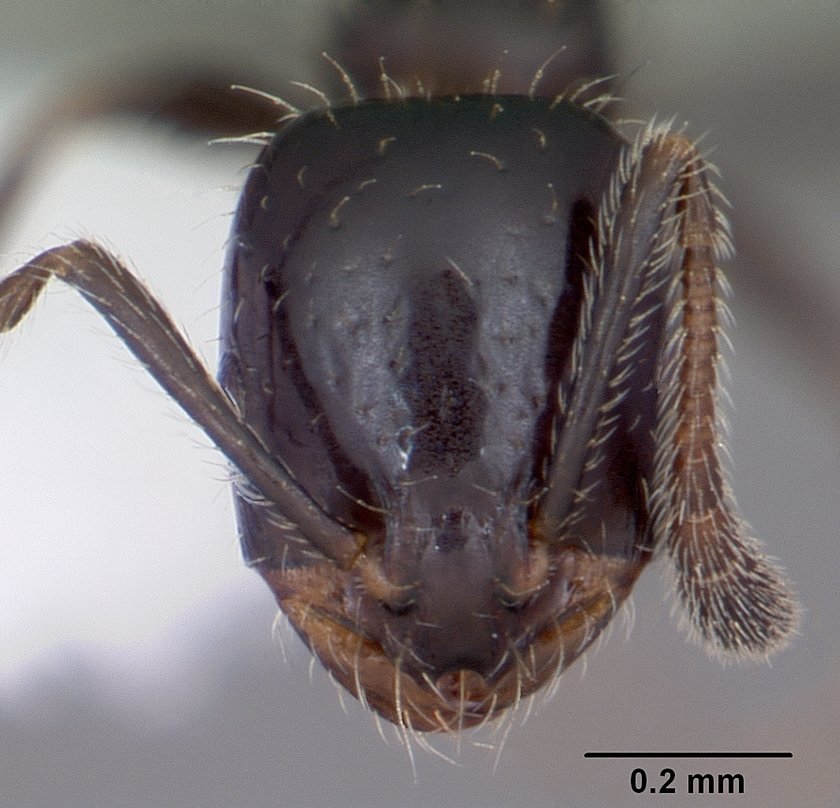
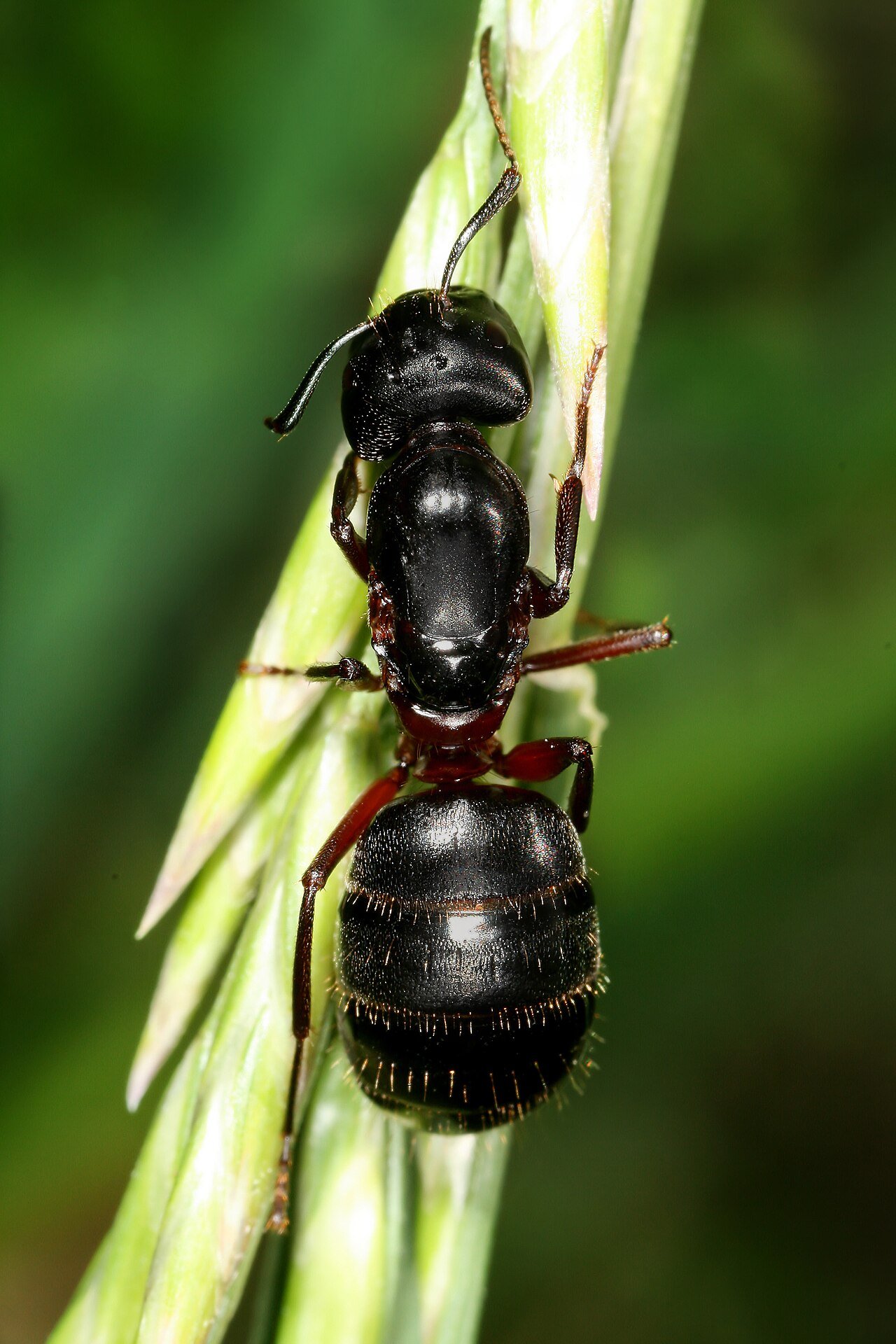
- The Main Street exception: the historic district’s early-1800s housing runs the old-wood version — carpenter ants tracing decades of roof and gutter history. Big black ants indoors in spring there mean a moisture inspection, not a bait card; start with the carpenter ant guide.
Why Spraying Fails in a New Subdivision (Worse Than Usual)
The standard case against DIY spraying — repellents scatter colonies, warn the survivors, and split odorous house ant nests into several — runs extra hot in Springboro’s housing for a structural reason: new subdivisions are connected ant economies. The colonies live in the shared landscape layer — the continuous sod, the common mulch beds, the joint-riddled hardscape running lot to lot — so a sprayed kitchen in one house simply redirects foraging pressure along the row while the actual colonies persist in the irrigated commons. What works is the same discipline we run everywhere, aimed at the subdivision’s architecture: non-repellent baiting on the active trails (workers ferry it home; the colony, not the foragers, dies), perimeter treatment at the foundation band where the landscape layer meets the house, and re-sealing the shrunken builder caulk at thresholds and penetrations — a one-afternoon upgrade that outperforms any amount of interior chemistry. Home-remedy grades, for the committed: vinegar, borax, baking soda — and the pet-safe approach for the dog households this town is full of.
The Springboro Ant Calendar
April–May: pavement ant emergence along the newest concrete — sand piles at the joints, and the occasional dramatic sidewalk swarm-battle between rival colonies. Main Street’s carpenter ant season opens the same weeks. June–August: odorous house ant prime time — each warm rain floods landscape colonies toward kitchens, and the newest subdivisions’ pressure builds year over year as founding colonies multiply. September–October: the pre-winter foraging push — the season’s best baiting window, colonies at their hungriest — and the right month for the caulk-and-threshold audit before frost drives everything toward heated slabs. Winter: steady indoor trails in January mean a colony wintering inside the envelope (slab-adjacent soil stays warm enough), which moves the case from patience to a phone call. Our quarterly Protection Plan matches this rhythm on purpose — and re-treats free between visits, which matters most in exactly the connected-landscape pressure this town generates.
Flat Pricing, Local Judgment
Every Springboro ant job starts with identification under magnification — the species picks the bait chemistry and the placement map — and ends with the exclusion and moisture counsel in writing. One flat price, a licensed applicator who can tell a year-three pavement colony from a Main Street carpenter problem at a glance, and the honest verdicts throughout: field ant mounds in the new sod are harmless and get named as such, and the occasional winged swarm gets the termite check before anyone relaxes. The general method lives on our ant control service page, the DIY fundamentals at ants in the house and outdoor ant control — and everything else we do in town on the Springboro pest control page.
Year-Three Ant Trail, Right on Schedule?
Species identified, colony baited in the landscape layer where it actually lives, builder gaps resealed — one flat price, guaranteed, across Springboro and Clearcreek Township.
Frequently asked questions
Why does my nearly new Springboro house have ants?
Because new subdivisions are colonization events: landscaping root balls import odorous house ant colonies, fresh concrete lays uncontested pavement ant real estate, and builder caulk shrinks open at the two-to-five-year mark — exactly when the yard’s colonies peak. Year-three trails are the schedule, not a fluke.
What are the sand piles along my new driveway joints?
Pavement ant colonies excavating the expansion joints — new concrete’s clean cracks are prime real estate, and colonies mature by year two or three. Harmless outdoors; the treatment case starts when trails move inside.
Do ants come in with new landscaping?
Routinely — nursery root balls and mulch deliveries seed beds with odorous house ants, and irrigation sustains colonies that dry farm ground never could. It’s the single biggest reason new Springboro neighborhoods develop kitchen trails within a few summers.
Why did spraying make our ant problem worse?
Repellent sprays scatter foragers, warn colonies, and split odorous house ant nests into several — and in a connected subdivision landscape, spraying one kitchen just reroutes the row’s pressure. Non-repellent baits the workers carry home are what actually end colonies.
Are the big black ants in a Main Street house different?
Yes — the historic district’s early housing runs carpenter ant risk: big ants indoors in spring point to moisture-softened wood from decades of roof and gutter history. That’s an inspection case, not a bait card.
Is ant treatment safe for our dog?
Yes — enclosed bait placements and exterior-first treatment keep active ingredients out of reach, and we walk the specifics room by room. Most Springboro ant work needs nothing a pet can touch.
When is the best time to treat ants in Springboro?
September–October is the sleeper window — colonies forage hardest before winter and find baits fast, and it’s the right month to reseal shrunken builder caulk before frost. In-season, any active trail is a good time; winter trails mean an indoor colony and an earlier call.
What does ant control cost in Springboro?
One flat price, quoted before work: identification, trail-mapped baiting, perimeter treatment, and the exclusion counsel in writing — with free re-treatment between quarterly visits under the Protection Plan. No surprise line items, ever.
The companion files for Springboro households: termite control in Springboro, spider control in Springboro, and bed bug treatment in Springboro.