
Somewhere behind a Dayton refrigerator right now sits a saucer of mothballs, placed there by someone’s grandmother’s instructions, radiating chemical confidence at a roach population that has not noticed. The mothballs-for-roaches remedy is one of the oldest in the folk arsenal — and it fails on three separate counts worth understanding, because one of them applies to your family more than the roaches: it does not work (roaches shrug at any concentration a room can tolerate), it is illegal in exactly this use (mothballs are a registered pesticide whose label is federal law), and it is the rare home remedy that is genuinely more hazardous to children and pets than to the pest. Full verdict below, along with what naphthalene actually does, why the closet-to-kitchen leap breaks the chemistry, and the roach plan that works for the price of the mothball box.
What a mothball actually is (and the one job it does)
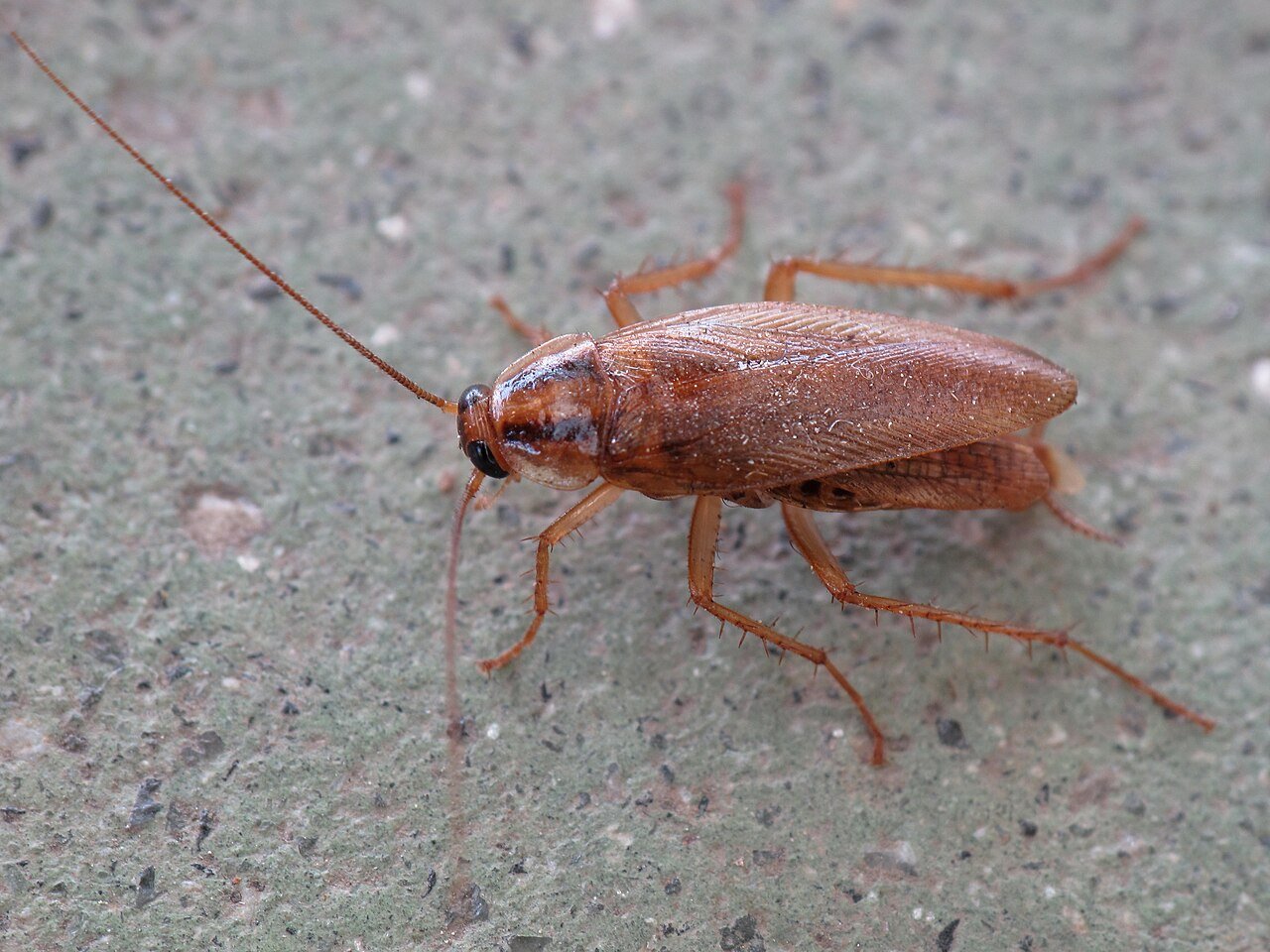
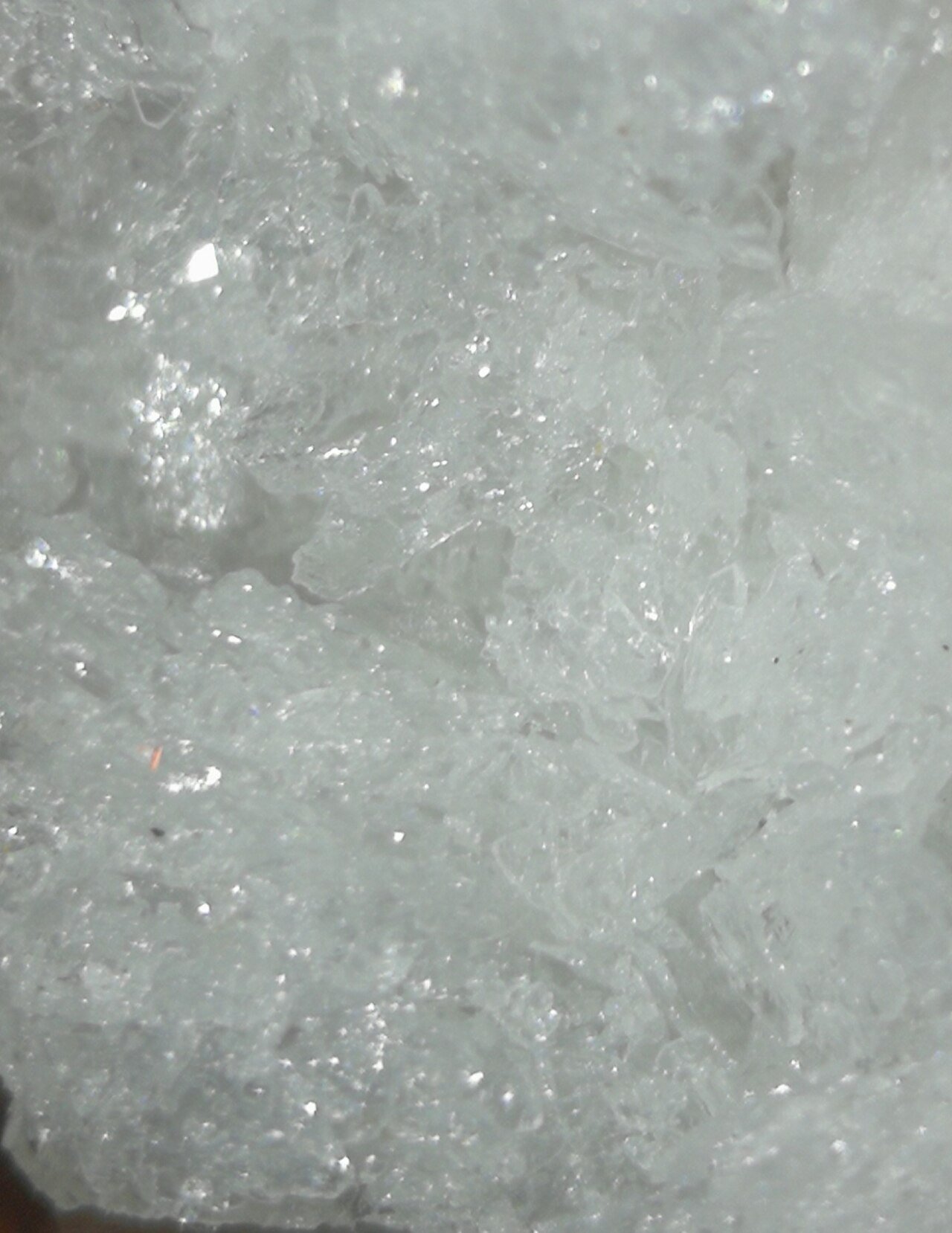
Mothballs are nearly pure pesticide — naphthalene or, in newer formulations, paradichlorobenzene (PDB) — engineered to sublimate: solid to vapor, slowly, continuously. Their designed use is specific and real: inside sealed, airtight containers — garment bags, cedar chests, sealed totes — where the vapor accumulates to concentrations lethal to clothes-moth eggs and larvae over weeks. Every word of that sentence is load-bearing: sealed (the vapor must build), fabric pests (the target on the label), enclosed volume (a chest, not a kitchen). The folk leap — if it kills moths in a chest, scattered mothballs will repel or kill roaches in a room — snaps that chemistry at the first step: an open room dilutes the vapor thousands-fold below any threshold that inconveniences an insect, and what remains is a distinctive smell that humans register far more sensitively than roaches respond to. The German cockroach — a species that shelters in dishwasher insulation, drinks from drain traps, and shrugged off half the twentieth century’s insecticide classes — walks past the saucer to the grease spot behind it.
Mothballs are a hazard to you and an inconvenience to them. The thing that actually works is cockroach control in Dayton.
Tested, and failed: what the evidence says
This is not a folklore-versus-folklore standoff; naphthalene has been in laboratories for a century. Repellency studies across insect species show naphthalene’s effects are weak, wildly concentration-dependent, and absent at open-air levels — the classic entomology result is that concentrations high enough to move roaches are concentrations no occupied room can legally or safely reach. Meanwhile the roach side of the literature is a resistance epic: German cockroaches have evolved measurable resistance to actual engineered insecticides — pyrethroids, organophosphates, even avoidance of bait formulations — under decades of selection pressure. The idea that a passive Victorian closet fumigant would succeed where modern chemistry has to fight for every kill misreads the opponent completely. Our field version of the data: in twenty-plus years of Miami Valley roach work, mothball saucers behind appliances are a routine finding at active infestations — the remedy and the thriving population, side by side, documenting each other. The saucer is not fighting the roaches; it is timestamping how long the household has been improvising.
The part that matters more than efficacy: the hazard ledger
Most failed remedies on this site earn an F and a shrug — wasted effort, no harm done. Mothballs earn the stronger warning, because the exposure math points at the household. Naphthalene vapor in living spaces is a genuine indoor-air concern: it is classified as a possible human carcinogen, chronic exposure is linked to respiratory irritation and headaches, and in susceptible individuals — including infants and anyone with G6PD deficiency, a common inherited enzyme condition — naphthalene exposure can trigger hemolytic anemia, a documented pediatric emergency with case reports tracing to exactly the scattered-mothball scenario. The ingestion risk compounds it: mothballs look like candy or dog treats to the two household members who investigate floors by mouth, a single naphthalene mothball is a toxicologically significant dose for a toddler or small dog, and poison-control centers field thousands of mothball calls annually. And the legal frame is not a technicality: mothballs are EPA-registered pesticides, the label specifies sealed-container fabric-pest use, and scattered-in-living-space deployment is off-label use of a pesticide — the same “label is the law” principle from our Lysol page, here with actual toxicology behind it. The summary no other remedy on this site requires: the saucer behind the fridge is doing nothing to the roaches and something to the people, and it should come out tonight — gloved, bagged, and trash-bound, with the area aired.
Same verdict, whole shelf: naphthalene’s cousins and the scatter myths
The mothball family of folk uses collapses under the same three tests. Mothballs against mice: the smells guide already ran it — rodents nest happily among mothballs in our field photos. Against snakes, squirrels, bats, groundhogs: same dilution failure, same off-label problem, memorialized in a thousand futile crawl-space scatterings. Cedar blocks and lavender sachets: pleasant, fabric-adjacent, and roach-irrelevant. PDB toilet-rim blocks repurposed to cabinets: identical chemistry, identical verdict. The pattern worth internalizing is the sealed-versus-open rule: every passive vapor product depends on enclosure to reach working concentration, which is why the only legitimate mothball use on Earth is a sealed container of off-season sweaters — and why no scattered version of anything has ever protected a kitchen. If a remedy’s mechanism is “the smell drives them away,” you now own the complete rebuttal: dilution, habituation, and a pest whose relationship with your kitchen is caloric, not aromatic.
What the mothball money buys instead: the roach plan that works
The satisfying comparison: a box of mothballs and a tube of quality roach gel bait cost about the same, and the bait ends infestations. The German roach playbook, condensed from our service page and the bleach verdict’s longer version: gel baits placed in pea-sized dabs inside the harborage zones — cabinet hinges, under the sink at the plumbing, behind the fridge at the compressor warmth, the dishwasher kick panel — where roaches feed, return home, and share the dose through the population (the same courier logistics that beat ant colonies); insect growth regulators that sterilize survivors and break the breeding curve; sanitation as siege warfare — grease stripped, crumbs owned, dishes done nightly, food sealed, because bait competes with whatever else the kitchen serves; water denial — the leak fixed, the sponge wrung, the pet bowl up overnight, since roaches die of thirst faster than hunger; and monitoring traps in the corners to grade progress with counts instead of feelings. Run honestly for three weeks, that protocol resolves most early German roach situations for under thirty dollars — and where it stalls (established populations, multi-unit buildings where the neighbors restock your walls, German roaches’ documented bait-aversion strains), the professional escalation adds the tools the shelf cannot: rotated bait matrices against aversion, void dusts, building-wide coordination, and the guarantee. Either path beats the saucer by exactly one working mechanism, which is one more than the saucer ever had.
Mothball questions we hear
My grandmother swore by them. Was she wrong the whole time?
She was running better sanitation than the mothballs got credit for. The generation that scattered mothballs also scrubbed floors on schedule, sealed flour in tins, and kept kitchens that starved roaches structurally — the remedy rode along on habits that did the actual work, the same confounding that keeps half of folk pest control alive. Keep her kitchen discipline, retire her chemistry, and the tradition survives intact where it always really lived.
The smell seems to keep them out of one cabinet. Explain that?
Concentration and enclosure: a nearly-closed cabinet approximates the sealed-container conditions mothballs were designed for, so a strong local vapor zone can genuinely shift roach traffic to the next cabinet over — displacement, not control, at the cost of storing your dishes in pesticide vapor. You have built a tiny fumigation chamber around your glassware while the population next door grows on schedule. The bait dab achieves more in that cabinet with none of the off-gassing — and works on the neighbors too.
Are mothballs at least okay in the garage, attic, or crawl space?
The hazard drops with distance from living air, but the efficacy stays at zero and two problems follow the balls wherever they roll: vapor migrates — attic and crawl air becomes house air through every chase and gap (the same physics our crawl-space section maps), so the “away from the family” scatter often is not — and the off-label legal status does not improve in the crawl space. For the storage areas the instinct is protecting: sealed totes solve the fabric-pest question correctly (with or without a mothball inside, per label), exclusion solves the rodent question with steel, and moisture control solves the crawl-space guild. There is no square foot of a property where the scattered mothball is the right tool — the product has exactly one address, and it is inside an airtight container of wool.
I just cleaned up years of old mothballs. Anything else to do?
Air the space thoroughly (the residue smell fades over days to weeks), wash hard surfaces that hosted them, launder any fabrics that shared enclosed space, and dispose of the collected balls as household hazardous waste where your jurisdiction offers it rather than down any drain. Lingering strong odor in an enclosed room weeks later — or any household member with unexplained headaches or, in infants, unusual lethargy during the mothball era — is worth a conversation with your physician and, for the air question, a ventilation push. And if the mothballs were standing guard over an actual pest problem all along, now is the diagnostic moment: photo of whatever they were deployed against, free ID, real plan. (937) 569-3330.
Why this myth outlived its century
The mothball’s persistence is a case study in how folk remedies earn immortality, and naming the machinery is the inoculation. First, borrowed authority: mothballs really are a pesticide — they smell industrial, they kill something (moth larvae, in chests), and that partial truth launders the leap to everything else; a remedy that works somewhere is the hardest kind to retire anywhere. Second, the displacement illusion: strong local vapor genuinely shuffles roach traffic short distances, so the cabinet-by-cabinet observer sees “results” while the population compounds behind the dishwasher — morning-one evidence, week-three reality, the signature of every failed remedy in the graded series. Third, generational transmission with the sanitation confounder riding shotgun, as grandmother’s section covered. And fourth, the smell itself: humans read the odor as potency — a kitchen that smells like chemistry feels defended — which is precisely backwards, since the smell is the evidence of dilution into your air rather than concentration onto the pest. The general-purpose filter that catches this myth and its whole family: any remedy whose mechanism is an ambient smell, and whose evidence is that the pests seemed to move over, is running the mothball play — and the mothball play has a century of losses and a hazard sheet.
The bottom line
No — mothballs do not keep roaches away, kill roaches, or belong anywhere outside a sealed fabric container: the open-air concentrations are entomologically meaningless, the use is off-label for a registered pesticide, and the vapor and ingestion risks point at children and pets rather than pests. Pull the saucers tonight, spend the same dollars on gel bait and a growth regulator, run the sanitation-and-water siege, and grade the campaign with monitor counts at week three. And when the counts refuse to fall — or the building’s walls keep restocking the kitchen — the escalation is one call with a guarantee attached: (937) 569-3330, free assessment, honest verdicts on remedies included at no charge. Greater Dayton Pest & Rodent: retiring grandmother’s chemistry, keeping her standards.
The myth-testing series: bleach vs roaches · bug bombs · Lysol vs bed bugs · vinegar vs ants · what smells do mice hate · professional roach control.
The right tool for every job the mothball was drafted into
- Roaches in the kitchen: gel bait + growth regulator + sanitation siege — the plan above, or professional rotation where aversion or the building defeats retail bait
- Actual clothes moths in actual closets: the one legitimate lane — and even here, hot-wash-and-freeze cycles, sealed totes, and pheromone monitor traps outperform the chemistry for most households; mothballs per label, sealed containers only, if used at all
- Mice in the garage or attic: steel exclusion and snap traps (the twelve doors), never aromatics
- Snakes, squirrels, bats, raccoons: exclusion and habitat work, with licensed wildlife partners where removal is the job — no vapor product moves vertebrates from good habitat
- Musty storage smell (the secret motive behind half the scattering): moisture control — a dehumidifier and sealed totes fix what the mothball perfume only masked
- “Just want the crawl space defended”: vapor barrier, sealed vents, and an annual inspection — the crawl-space chapter’s checklist, zero naphthalene required
Every job on that list has a mechanism-matched tool, every tool outperforms the mothball in its lane, and none of them off-gasses at the toddler. That is the whole upgrade — same instincts, better hardware.
A field note to close: the saucer census
An informal statistic from our route sheets, offered as the page’s final evidence: when our technicians pull appliances on German roach jobs across the Miami Valley, the finds behind the fridge run to a pattern — the grease shadow, the droppings line, the harborage cluster at the compressor’s warmth, and, in a remarkable share of homes, the archaeology of past campaigns: the dusty mothball saucer, the bay leaf scatter, the ultrasonic plug still glowing gamely in the outlet, sometimes all three in sediment layers like a dig site of good intentions. The roaches nest among them. We photograph it for the customer not to embarrass anyone — every layer represented a family trying — but because the picture makes the argument no paragraph can: the population and the remedies coexisting peacefully, sometimes for years, until the day the mechanism finally matched the pest. Bait dabs went in that afternoon; the three-week counts told the rest. Whatever layer your kitchen is on, the upgrade is one honest phone call away, and the census stays between us: (937) 569-3330.
Quick reference: the three-test filter for any scatter remedy
Before the next viral scatter-something trick reaches your kitchen, run it through the mothball tests: Mechanism — does it claim ambient smell as the weapon? (Dilution defeats it.) Label — is it a registered product being used off its registration? (The law and the efficacy data agree here more often than people expect.) Ledger — who absorbs more exposure, the pest in the wall void or the family in the room? Three passes earns an experiment; any failure earns the trash can. The filter costs nothing, works on remedies not yet invented, and would have saved a hundred years of saucers.
Frequently asked questions
Do mothballs keep roaches away?
No — naphthalene shows no meaningful roach repellency at any safe concentration, and roaches nest happily near mothballs in every test that matters. The kitchen-cabinet mothball is a fume source, not a defense.
Are mothballs safe to use around the house for pests?
Off-label use is illegal and genuinely hazardous — mothballs are pesticide products labeled ONLY for sealed containers with woolens; loose deployment in cabinets, basements, or gardens exposes kids, pets, and you to a possible carcinogen while repelling nothing.
Why do people believe mothballs repel roaches?
Inherited folklore plus the strong smell — a scent that potent FEELS protective. But roach noses habituate to static odors within days (the same failure as every repellent on this site), and the colony’s calories-and-harborage math never even registers the smell.
Do mothballs work on mice, snakes, or anything else?
The full acquittal across species: no on mice (our smells-mice page), no on snakes, no on roaches — the EPA has pursued off-label mothball marketing for exactly this reason. Their one legitimate job remains sealed-container fabric protection against clothes moths.
What are the health risks of scattered mothballs?
Naphthalene exposure headaches and nausea in enclosed rooms, pediatric poisonings (they look like candy), pet ingestion emergencies, and long-term exposure concerns — a real cost attached to zero pest benefit. Found-mothball cleanup in bought homes is a routine and worthwhile chore.
What should I use instead of mothballs for roaches?
The doctrine: gel bait on the night routes, growth regulator, sanitation, dry kitchen, wet drain traps, sealed gaps. Every element beats naphthalene by an unmeasurable margin because naphthalene’s margin is zero.
I found old mothballs in my new house. What do I do?
Glove up, bag them sealed, and route them through county household-hazardous-waste disposal — not loose trash. Ventilate the space; lingering odor fades over weeks. Then inspect what the previous owner was trying to repel: the evidence usually outlasts the naphthalene.
Do mothballs at least kill roaches in sealed containers?
In a truly sealed bin, vapor concentrations can kill insects present — which is the clothes-moth use case working as labeled. Your kitchen is not a sealed bin; the loophole does not scale to rooms.
Is the mothball smell in a house dangerous?
Strong lingering naphthalene in living spaces warrants airing out and removal of the source — chronic low-level exposure is worth avoiding on principle, especially around children. The smell is the exposure; there is no safe-but-smelly middle ground.
What actually keeps roaches away long-term?
Subtraction, not scent: food sealed, kitchen dry overnight, drains watered, cardboard managed, gaps caulked — plus the quarterly inspection habit that catches importations early: (937) 569-3330. Nothing in the folk-remedy aisle outranks a clean counter and a wet P-trap.