
Troy’s fleas keep livestock company. The county seat anchors Miami County’s animal economy — the fairgrounds and its show seasons, the 4-H barns and backyard projects, the farm-dog and barn-cat populations working every rural route out of town — and that economy runs flea logistics the pet-suburb files never see: show animals commuting between home barns and fairground stalls, barn cats sustaining reservoir populations no preventive ever touches, and the levee corridor’s wildlife traffic seeding the riverside blocks on the standard urban-green pattern. Behind it, the town’s households run the regional pet-and-carpet cycle at ordinary volume. Two economies, one insect: here’s the county-seat program.
The Animal-Economy Routes
- The barn-cat reservoir: the working cats of the county’s barns and outbuildings — essential, semi-feral, and rarely on preventives — sustain flea populations that re-seed every animal sharing their buildings. The honest fix is habitat-side: growth-regulator treatment of the bedding zones and barn corners the cats actually use, paired with whatever veterinary coverage the cats’ tameness permits.
- The show-season commute: fair and 4-H animals moving between home pens and fairground stalls carry the exposure both directions — the post-show protocol (bedding swap, pen treatment, a week’s close watch) is the project family’s cheapest insurance, and August’s calendar makes it a county rhythm.
- The farm-dog standard: the working-dog program from our Vandalia file applies across Troy’s rural routes — occupational exposure, tight preventive schedules, and the kennel-and-truck fronts treated as equipment maintenance.
- The levee-and-town standard: riverside wildlife seeding and the ordinary household cycle run the regional playbook — the two-front program, the shade-map yard treatment, and the pupal-window honesty throughout.
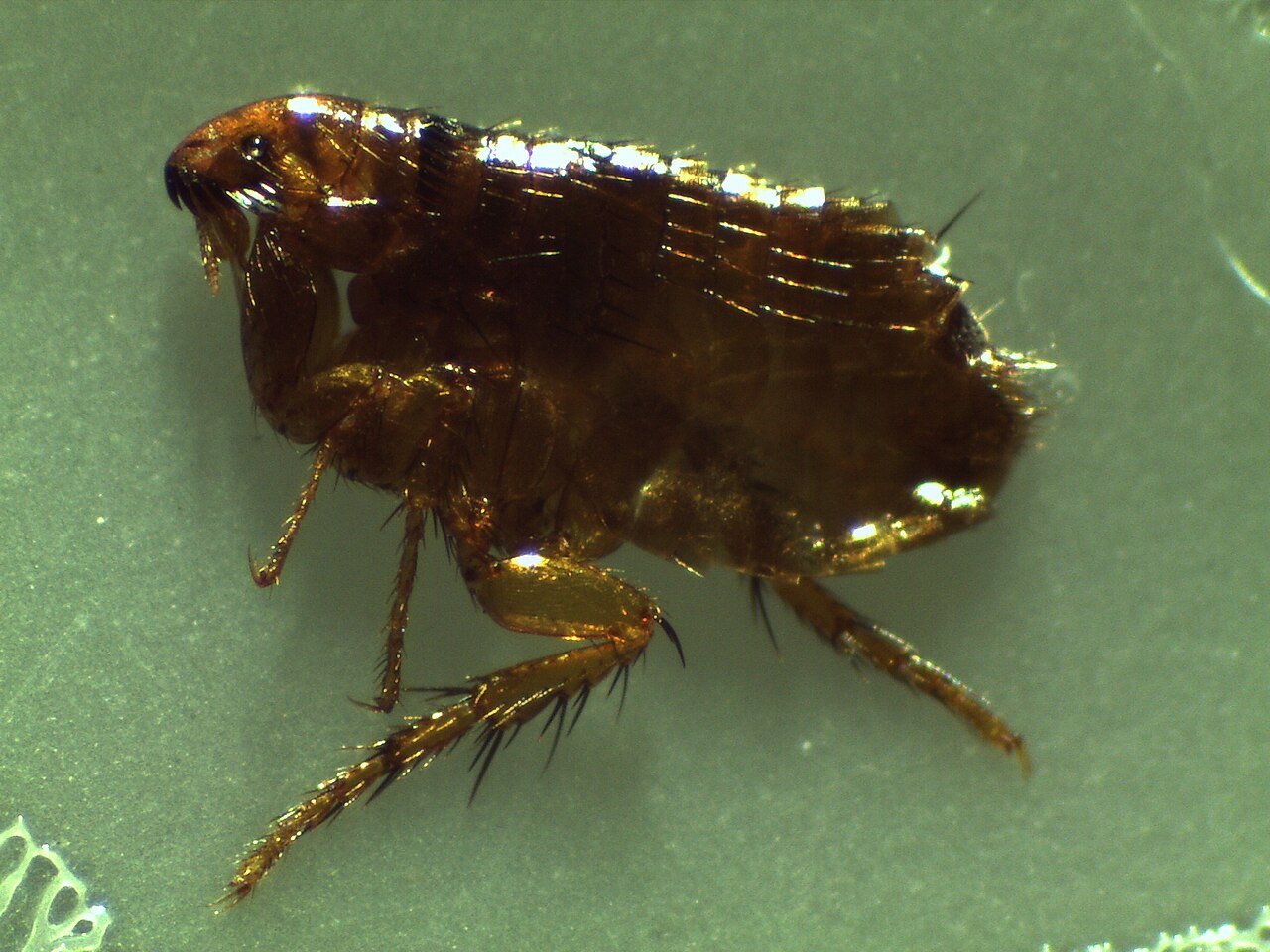
The Program, County-Seat Edition
The two-front constant holds — every treatable animal on veterinary preventives, premises treated simultaneously — and the county adds its third front: the outbuilding reservoir. Barn and shed treatments target the bedding zones, dust-bath corners, and under-structure voids where the untreatable population cycles; growth regulator does the durable work; and the counsel closes the routes (bedding hygiene on a schedule, barn-cat feeding stations sited away from the house, the show-season protocol in writing for the 4-H households). In town, the standard program runs: interior adulticide plus growth regulator through carpets and pet routes, the shade-mapped yard treatment, and the two-to-four-week pupal-window briefing with the follow-up inside it. The library carries the fundamentals — the campaign, the evidence checks, the ankle-bite pattern — and the county’s tick-adjacent geography makes the tick file this page’s standing companion: same margins, same animals, same season, one combined defense.
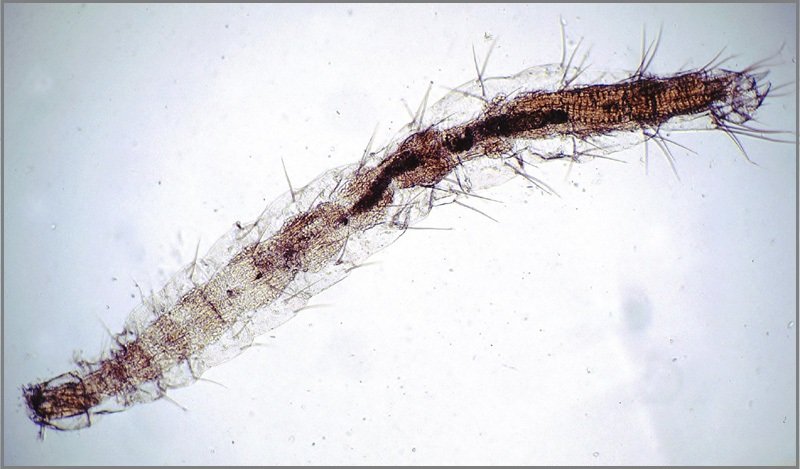
The Troy Calendar and Bottom Line
The season runs the regional arc — May build, humid July-through-September peak, indoor winter persistence — with the county’s additions marked in: fair season concentrates the commute risk into known weeks (the post-show protocol’s moment), harvest stirs the rural margins on the same clock as the town’s rodent wave, and the barn reservoirs run year-round wherever bedding and warmth persist. One flat price covering the fronts the property actually runs — town-standard, working-dog, or full outbuilding — with vet coordination, the follow-up built in, and the guarantee behind it: the service at flea treatment, and the county seat’s ledger, now seven services deep, at Troy pest control.
Barn Cats Winning — or a Post-Fair Surprise?
The county program: reservoir treatment in the outbuildings, the show-season protocol in writing, and the town standard behind it — flat-priced across Troy and Miami County.
The 4-H Household’s Season, Scripted
For the project families whose summers run on the fair calendar, the flea script is short and worth taping inside the barn door. Before the fair: pen and bedding treated with growth regulator two weeks out, the animal’s own veterinary program current, and transport bedding fresh — the stall you bring is the stall you control. At the fair: the stall inherits whatever the barn’s season has held; keep home bedding separate from fairground bedding, and resist pooling supplies with the neighboring stalls however friendly the week gets. Coming home: fairground bedding stays at the fairground (or goes straight to the burn pile), the trailer gets swept and its mats treated, the pen gets a fresh-bedding reset, and the animal gets a week’s close watch — scratching, bare patches, the tail-head check. If the week’s watch finds traffic: the pen-and-bedding treatment repeats, the household’s dogs and cats get their coverage confirmed, and the house’s carpets join the program only if the sock test says so. The whole script costs an hour a season; the untreated alternative bills the barn, the house, and occasionally the project animal’s show condition — and no 4-H family needs that conversation in ribbon week.
Frequently asked questions
Why do farm properties around Troy fight fleas harder than town households?
The outbuilding reservoir: barn cats and bedding zones sustain populations no preventive touches, re-seeding every animal sharing the buildings. Habitat-side treatment — growth regulator in the corners the cats use — is the honest third front.
Can barn cats be part of a flea program?
Centrally — they’re the reservoir’s hosts. Whatever veterinary coverage their tameness permits, plus feeding stations sited away from the house and treated bedding zones, converts essential working cats from problem to managed asset.
Do show animals bring fleas home from the fair?
The commute runs both directions — stalls inherit the barn season’s exposure. The post-show protocol (fairground bedding left behind, trailer treated, pen reset, a week’s watch) is the project family’s hour-a-season insurance.
What’s the flea connection to ticks in Miami County?
Same margins, same animals, same season — the grassy edges and outbuilding zones that run flea traffic run tick traffic, and one combined defense (margin treatment, animal coverage, the walk-in checks) serves both files.
Our house fleas trace to the barn — which gets treated first?
Both in one visit — the reservoir re-seeds the house faster than the house clears without it. Outbuilding growth-regulator work, the interior program, and the connecting routes (the dog, the boots, the bedding path) in a single scope.
Why do we see fleas for weeks after treatment?
The pupal window: sealed pupae hatch into the treated environment over two to four weeks and die as they come — declining stragglers are the program finishing, and the follow-up lands inside the window.
When does flea season peak around Troy?
The humid July-through-September stretch, with fair season concentrating commute risk into known weeks and the barns running year-round wherever bedding and warmth persist. Spring preventives before the wave beat everything after it.
What does flea treatment cost in Troy?
One flat price scoped to the fronts the property runs — town-standard, working-dog, or full outbuilding — with vet coordination, the show-season script in writing for 4-H households, and the follow-up visit built in.