
Fleas are the pest problem most likely to make a sane household feel crazy: the cat is treated, the carpet’s been vacuumed twice, the fogger did its theatrical hiss — and three weeks later the ankles are under attack again, worse than before. The madness has a mechanism, and it fits in one sentence: at any moment, the fleas you can see are roughly five percent of the infestation — the other ninety-five percent is eggs, larvae and cocooned pupae hidden in carpet base, pet bedding, floor cracks and the shady half of the yard, on a staggered development schedule specifically evolved to outlast your one-day war. Beating fleas means fighting the whole life cycle for a month, on three fronts at once — pet, home, yard — and this page is the complete campaign manual: the five-percent math and the cocoon problem that defeats foggers, the pet treatment layer (and why it comes first), the home protocol built around the world’s most underrated flea weapon (your vacuum), the yard program the “flea medicine for yards” searches are looking for, and the honest timeline that keeps week three from feeling like failure. From Greater Dayton Pest & Rodent, which treats fleas across all eight counties and will tell you plainly which half of this you can do yourself: (937) 569-3330.
Know the enemy: the 95% you can’t see
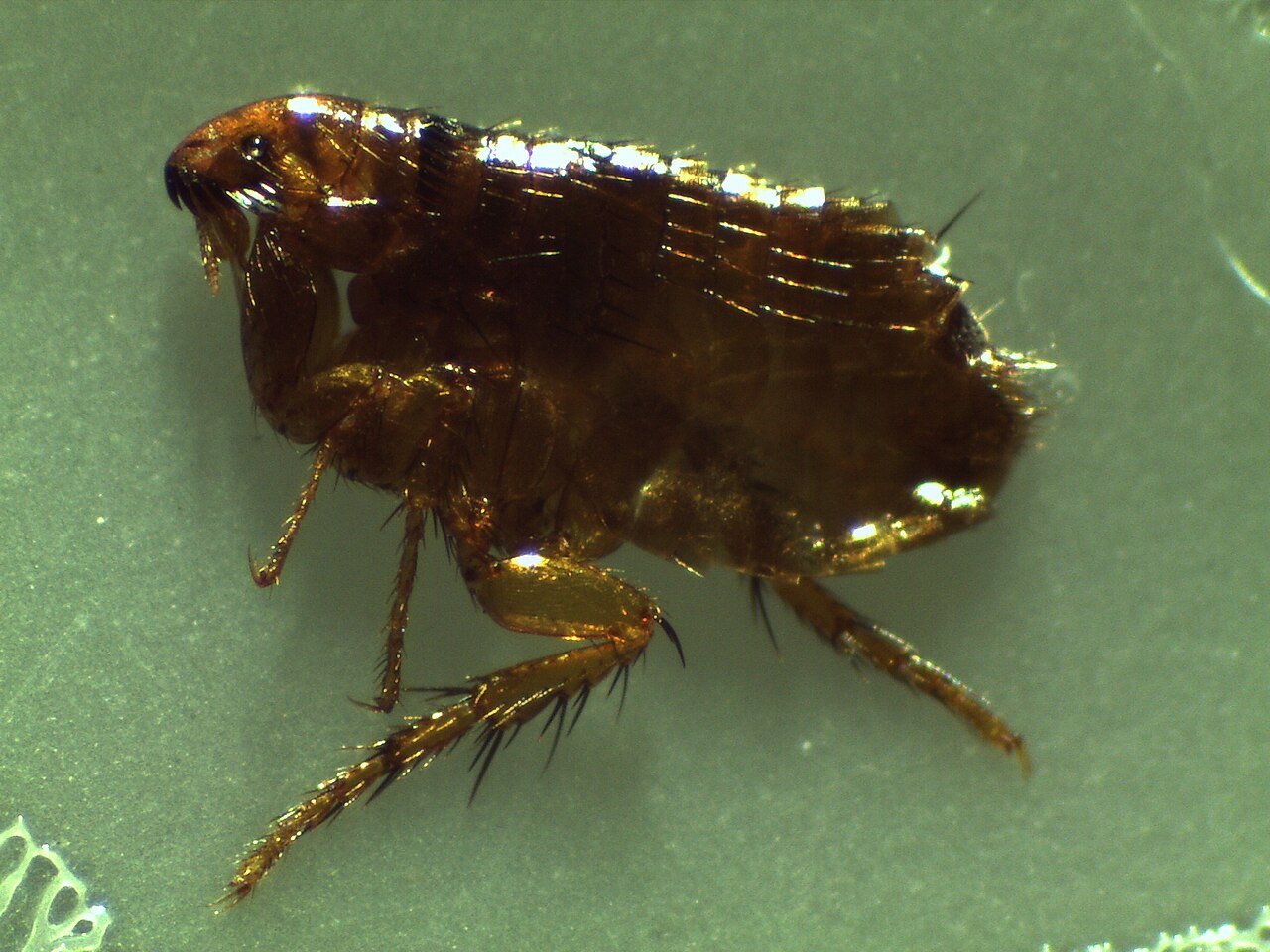
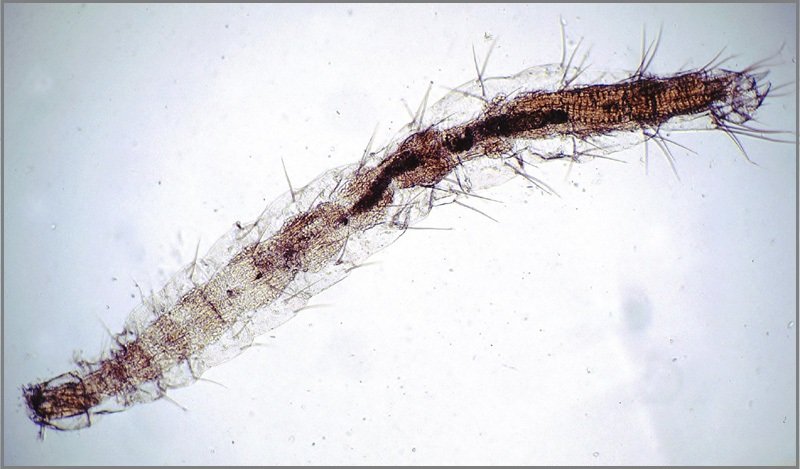
Ohio’s flea is functionally one species — the cat flea (Ctenocephalides felis), which despite the name owns dogs, cats, and the occasional unlucky human ankle alike. The adult is the famous part: a sixteenth-inch of laterally flattened, jumping, blood-drinking persistence, capable of the 150-times-its-height leaps that make it functionally unswattable and spending essentially its whole adult life ON the animal — adults don’t commute; they board and stay. The infestation, though, lives OFF the animal, in the four-stage pipeline: eggs (a fed female lays 40-50 daily, and they’re not sticky — they rain off the pet wherever it rests, seeding the bedding, the couch, the carpet, the car); larvae (blind, bristled crawlers that burrow deep into carpet base and floor cracks, eating organic debris and — the detail that explains their distribution — the dried-blood droppings of the adults above, meaning larvae concentrate exactly where the pet rests most); pupae (the campaign’s villain, next paragraph); and new adults, hungry within minutes of emergence. Egg to adult runs three weeks in a warm humid Ohio summer, and every stage is on its own clock — which is why any one-day intervention, however thorough, is followed by weeks of scheduled reinforcements hatching behind it.
The cocoon problem: why the fogger always loses
The flea pupa deserves its own section because it defeats more treatments than every other stage combined. Inside its silk cocoon — spun deep in carpet fibers, sticky-coated so it cements itself in place and gathers camouflaging debris — the developing flea is effectively invulnerable: no insecticide on the consumer or professional shelf reliably penetrates the cocoon. Worse, the pupa is patient and cue-triggered: it can wait weeks to months fully developed inside the cocoon, emerging only when vibration, warmth and carbon dioxide announce a host — which produces the two signature flea phenomena that convince households they’re cursed. The post-treatment rebound: spray or fog kills the exposed stages; the protected pupae ride it out and emerge on schedule for weeks after, reading as “the treatment failed” when it actually did all it could against the 95% problem (our bug bomb autopsy covers the fogger’s additional sins — the mist barely reaches carpet base at all). And the vacant-house ambush: the family returns from two weeks of vacation — or moves into a house empty for a month — and walks into a coordinated mass emergence, hundreds of cocooned fleas triggered simultaneously by the first footsteps and warm bodies in weeks. Neither is a mystery, a curse, or a treatment failure; both are the cocoon doing exactly what it evolved to do. The counter-weapon, wonderfully, is already in your closet — and it’s the spine of the protocol below.
Front one: the pet (this layer comes first, and it’s the vet’s)
Every flea campaign starts at the veterinarian, for a structural reason: the pet is the only blood source in the house, which makes a properly treated pet a lethal mobile trap — every newly emerged flea’s first (and now last) act is boarding it. The modern prescription tools are genuinely excellent: the isoxazoline chewables and quality vet-grade topicals kill boarding fleas within hours, faster than the females can start laying, which snaps the egg pipeline at its source. The rules that protect the layer: every animal in the household, treated on the same schedule (one untreated cat is a sanctuary city), no lapses through fall (Ohio’s flea season runs hard into November — the September warmth that runs our anchor-visit calendar is peak flea pressure), and dosed by the vet, not the discount rack — the bargain-bin spot-ons are a different chemistry class with a documented failure-and-reaction record, and the flea comb plus a bowl of soapy water remains the honest budget supplement, not the substitute. Two cautions this library owes you: never use a dog product on a cat (permethrin-class dog topicals are seriously toxic to cats — the same warning from our tick page, at higher stakes), and skip the essential-oil flea collars and garlic supplements entirely — the evidence file matches the folk-remedy taxonomy’s theatrics bin, and some are outright hazards to the animal. The pet layer done right carries half the campaign; done wrong, nothing else on this page can compensate.
Front two: the house (the vacuum is the weapon)
Here is the counterintuitive centerpiece, backed by genuinely delightful research: vacuuming kills fleas — outright. University testing found the brush-and-airflow gauntlet lethal to the overwhelming majority of fleas in every life stage it captures, and its value goes further: vacuum vibration is exactly the emergence cue that tricks cocooned pupae into hatching — onto a battlefield you control — making the vacuum the only tool in existence that defeats the cocoon problem. So the home protocol is built around it: Daily vacuuming for 14 days, then every other day through week four — carpets, along baseboards, under furniture edges, the couch cushions and beneath them, and hard-floor cracks (larvae live in plank gaps too); bag emptied or canister dumped outside each time. Hot-wash everything washable — pet bedding above all (the single densest flea nursery in any home — wash weekly or replace outright), throws, slipcovers, the kids’ floor blankets; the dryer’s heat is the kill step, same physics as the tick-laundry rule. Treat the refugia once, correctly: where infestations are established, one properly done application of an IGR (insect growth regulator — methoprene or pyriproxyfen, the same anti-egg chemistry class from our roach protocol) plus an adulticide into the carpet-base zones the vacuum census flags — this is the layer our professional flea service does with commercial equipment and placement experience, and it’s the difference-maker in heavy infestations precisely because the IGR keeps working through the weeks the pupae keep emerging. What stays on the shelf: foggers (see above), flea powders broadcast on carpets (the visible-dust repellency problem, plus respiratory grief), and salt-and-baking-soda folklore. The vacuum, the washer, the IGR, the calendar — that’s the entire indoor war, and the first two are free.
Front three: the yard (what “flea medicine for yards” should actually buy)
The yard front matters because it’s the reinfestation reservoir — and because the popular search that leads here (“flea medicine for yards”) deserves an honest product answer. First, the targeting insight that saves money: fleas cannot survive sun-baked, dry, exposed lawn. Larvae desiccate in open turf; the entire outdoor population lives in the shaded, moist, protected margins — under decks and porches, beneath shrubs, in the crawlspace skirt, along the fence line’s shade, in the mulch where the dog naps, and anywhere untreated wildlife-adjacent edges meet pet territory. So effective yard treatment is edge treatment: granular or liquid insecticide labeled for fleas plus — the professional difference — an IGR in the same pass, applied to the shade-and-moisture map rather than broadcast across sunny lawn that never hosted a flea (broadcast lawn treatment is the outdoor fogger: expensive theater over empty acreage). The supporting cast: keep grass short and margins mowed (sunlight is free acaricide), clear the leaf-litter beds where larvae summer, restrict pet access to under-deck shade during the campaign month, and note the integration bonus — the same shade-margin treatment schedule pairs naturally with the mosquito program’s resting-vegetation work and the tick moat, which is why our yard-pest visits bundle all three. Nematode note for the chemical-averse: beneficial nematodes (Steinernema) genuinely kill flea larvae in moist shaded soil and hold up in field use — the rare natural option this library can endorse, with the honest caveats that they need watering-in, shade, and realistic expectations.
The 30-day campaign calendar
- Day 1: vet appointment (all animals, same product class, same day) + the great hot-wash + vacuum pass one + the white-sock census: walk each carpeted room in tall white socks for five minutes — boarding fleas show as moving dots, and the room-by-room counts map your treatment zones.
- Days 1–3: IGR + adulticide application to the mapped indoor zones (professional or careful DIY per label), yard edge-treatment of the shade map, under-deck access restricted.
- Days 1–14: vacuum DAILY — this is the campaign’s engine; the vibration keeps triggering pupal emergence into treated, host-trapped territory. Wash pet bedding weekly. Expect declining but nonzero sightings — the pipeline is draining, not refilling.
- Days 14–30: vacuum every other day; re-run the white-sock census weekly. A mid-month blip of fresh adults is the last pupal cohort emerging — the calendar’s built-in test of nerve, not a failure signal.
- Day 30: census clean + pets comb-clean = campaign won. Maintain the pet preventive year-round and the vacuum rhythm weekly, and reinfestation needs a new outside introduction to restart — at which point the treated pets kill the scouts before the pipeline seeds.
Flea questions, answered
We don’t even have pets. Why do we have fleas?
Four usual routes: a previous owner’s or tenant’s pets left a cocooned population behind (the vacant-house ambush — the classic move-in story); untreated wildlife-adjacent margins — stray and feral cats especially — seeding the yard and hitchhiking in on cuffs; a visiting pet’s brief seeding visit; or a rodent connection — mice carry their own fleas, and a flea problem paired with any mouse evidence gets treated as one integrated case (and is one more argument for the exclusion-first mouse program). Petless flea cases run the same protocol minus the vet layer — and usually resolve faster, since there’s no blood source keeping adults fed.
Do fleas live on humans or in human hair?
No — cat fleas bite ankles and legs opportunistically but can’t sustain themselves on human blood alone or grip human hair the way they ride fur; you are the backup buffet, not the host. Human-biting pressure actually signals a heavy or host-starved infestation (the pet treated, the emerging adults desperate) — unpleasant, but evidence the campaign is biting back.
Are flea bites dangerous or just itchy?
Mostly the itch — the ankle-and-calf welt clusters covered in our bite-relief guide — with three real footnotes: flea allergy dermatitis in pets (a single bite keeping a sensitized dog scratching for weeks — vet territory), tapeworm transmission to pets (and rarely children) via swallowed fleas, and secondary infection from gouged bites. In Ohio the disease file stays mercifully thin; the misery file does not.
When is it time to skip DIY and call?
Three honest triggers: an established heavy infestation (bites on multiple humans, fleas visible on socks in several rooms — the pipeline is too full for retail equipment); any multifamily situation (shared-wall reinfestation defeats unit-by-unit effort — the landlord program’s whole-building logic applies); and the second failed DIY round — per the standing rule, recurrence means a missed reservoir, and finding it (the crawlspace cat colony, the under-porch fox den line, the untreated basement the pet visits) is inspection work. Our flea service runs the IGR-centered version of everything above with the whole-home equipment, published pricing by home size, and the 30-day expectations set honestly on day one — plus the Protection Plan’s re-treatment guarantee behind plan members if the calendar needs a second pass.
The campaign, won
Fleas beat households that fight the visible five percent; households beat fleas by running the month-long, three-front, life-cycle war — vet-treated hosts as traps, the vacuum as the pupa-baiting engine, IGR holding the refugia, and the yard’s shade map treated instead of its sunshine. It’s the most discipline-dependent campaign in this library, and the most winnable once the 95% math replaces the panic. For the heavy cases, the multifamily stacks, the no-pet mysteries and the households that would simply rather hand off the war: Greater Dayton Pest & Rodent, (937) 569-3330 — flea programs across Dayton and all eight counties, integrated with the mosquito-and-tick yard work they naturally pair with, and priced in the open like everything else. The ankles are worth defending; the calendar does the rest.
The Miami Valley flea calendar
Local timing, because Ohio’s flea year has a shape worth planning around. Spring (April–May): the outdoor population wakes with soil warmth; pet preventives that lapsed over winter get their reckoning now — the cheapest month to restart the layer is the one before the curve turns up. Summer (June–August): peak breeding outdoors — warm plus humid is the flea’s exact preference, and wet summers amplify the shade-margin populations under every deck from Kettering to the farm lanes. September–October: the surprise peak. Ohio’s heaviest indoor flea pressure lands in early fall — the summer’s accumulated outdoor population rides pets indoors as nights cool, exactly the harvest-eviction fortnight that drives the rest of the September pest calendar; our flea calls crest in the same weeks as the mouse calls, and the households that treat pets through November skip the whole crest. Winter: outdoor stages die back, but heated homes run the pipeline year-round — a January flea problem is always an indoor-reservoir problem, usually traceable to a warm crawlspace, a basement the cat patrols, or the vacant-unit ambush. The strategic summary: start the pet layer in April, hold it through Thanksgiving, and let the calendar — like every calendar in this library — do half the fighting for free.
Five percent visible, ninety-five percent on a schedule, one month of three-front discipline — and the maddest-feeling pest in the library turns out to be one of its most beatable. The vacuum was the secret weapon all along; the calendar was the strategy; and the ankles, at last, are demilitarized.
And if the socks are collecting dots as you read this: vet first, vacuum tonight, calendar on the fridge — day one of thirty starts whenever you do.
How to know if you have a flea infestation: the five-signal checklist
For the diagnosis-first searches, the census signals in order of reliability: the white-sock walk (five slow minutes per carpeted room — boarding fleas show as moving dots at ankle height); flea dirt on the pet (comb the rump and belly over damp paper towel — black specks that halo rust-red are digested blood, the definitive sign); the pet’s own testimony (sudden rump-chewing, ankle-biting restlessness); bites at YOUR ankles in clusters; and pale thread-larvae or pepper eggs in bedding seams under a flashlight. Two positives = run this page’s campaign; zero positives with mystery bites = the diagnostic fork’s other suspects.
Do fleas have wings?
No — fleas are wingless by design: the laterally-flattened, bristle-anchored body is built for moving through fur, and the famous jump (the resilin-powered launch that reads as flight) replaced wings entirely somewhere in the lineage’s parasitic past. The practical read: anything tiny, dark and FLYING near the pet is a gnat or fly from the small-fly wing; the true flea travels by leap and by host — which is exactly why the campaign above targets carpets and hosts, never airspace.
Frequently asked questions
How do I get rid of fleas in my house fast?
Run everything at once, today: pet on vet-grade prevention, all bedding hot-washed, every carpet and cushion vacuumed daily (toss the bag — vacuum vibration deliberately triggers pupae to hatch into the open), and an adulticide-plus-growth-regulator treatment for the carpet layer. Speed comes from hitting all four fronts together, not from a stronger single product.
How long does it take to get rid of fleas completely?
Two to three weeks for a full program — sharp decline in days, then the “pupal window” tail as treatment-proof cocoons finish hatching into a treated environment. Seeing stragglers in week two is the program working, not failing.
Why do fleas keep coming back after I treat?
Three usual causes: only the pet got treated (5% of the population), the treatment lacked a growth regulator (adults die, eggs mature anyway), or the source is structural — wildlife in the crawlspace, feral cats under the deck, or the previous tenant’s pupae bank. The fix is treating the whole cycle plus finding the tap.
Do flea bombs and foggers work?
No — the mist settles on open surfaces while eggs, larvae, and cocoons sit at carpet base, under cushions, and in cracks it never reaches. Foggers are the flea aisle’s biggest disappointment; targeted sprays with IGR plus relentless vacuuming outperform them completely.
What kills fleas in carpet?
The combination: an insect growth regulator to sterilize eggs and larvae in the fibers, an adulticide for the hatched, and daily vacuuming to trigger and harvest the pupae nothing can poison. Diatomaceous earth and baking soda folklore grade far below any of the three.
Can fleas live on humans?
Bite yes, live no — human skin offers no anchor against a slap or a shower, so fleas treat people as takeout, not housing. Every ankle bite comes from the carpet population, which makes human bites a severity gauge for the house rather than a personal infestation.
How do I treat my pet for fleas?
Through your vet: modern prescription preventives (oral or spot-on) are the single most effective flea product in existence and make the pet a walking flea trap. What not to do: grocery-store collars, dog products on cats (genuinely dangerous), or essential-oil rubs — tea tree oil poisons cats.
Do fleas live in beds?
They visit beds (pet-shared bedding especially) but breed in carpet, cracks, and pet sleeping zones — the bed’s role is feeding station. Hot-wash weekly during a campaign and bar the pet from human beds until zero-count; the dryer’s heat cycle is fully lethal.
How do I know when the fleas are actually gone?
White-sock test the former hot rooms weekly: ten minutes of shuffling, zero specks, three weeks running — combined with a flea-comb pass on the pet showing no dirt. Track new bites per day, not total welts; welts outlive the war.
Can fleas survive winter in my house?
Indefinitely — heated homes run flea biology year-round, which is why January infestations are just September problems with compound interest. Outdoor populations crash with frost; indoor ones only crash with treatment.
Why is my petless house full of fleas?
Four structural sources, in local order: wildlife denning in the chimney/deck/crawlspace, rodents carrying fleas through walls, the previous occupant’s pupae bank waking to your footsteps, and commuter fleas on clothing. No-pet cases start with a source inspection — treating carpet while raccoons restock is renting relief.
Does vacuuming really help with fleas?
It is arguably the most important tool in the house: it removes eggs and larvae, harvests adults, and — critically — its warmth and vibration trigger cocooned pupae to hatch into a treated environment on your schedule. Daily during the campaign, bag tossed outside each time.
What do flea eggs and larvae look like?
Eggs: pinhead white ovals that fall off the pet and salt its sleeping spots like rolling dandruff. Larvae: bristled, quarter-inch, light-fleeing threads at carpet base and cushion seams, eating the flea dirt raining from above. Finding either confirms a breeding population.
Are fleas dangerous or just annoying?
Mostly a misery-and-scratching file in Ohio — secondary infection from scratching is the common medical event, flea-allergy dermatitis torments sensitive pets, heavy loads can anemia-drain kittens and puppies, and tapeworm rides on swallowed fleas. Serious enough to end properly; not a panic file.
Should I treat my yard for fleas?
Only the biology-supporting zones: shaded, moist, wildlife-trafficked margins — under decks, along fence lines, pet lounging spots. Sunny open lawn kills flea larvae free of charge. Yard-wide broadcast treatments spend money where the problem is not.
How much does professional flea treatment cost?
Whole-home treatment prices by square footage with the 30-day re-treat included, and the phone triage is honest: sock-test-positive one room with a treated pet is often a DIY win we will talk you through instead. (937) 569-3330, free quote.
Can fleas infest a couch?
Thoroughly — cushion seams are premium larval habitat wherever pets lounge. Vacuum the seams daily during a campaign, hot-wash removable covers, and treat the frame crevices; the couch is the number-two address after pet bedding.
Do fleas jump from pet to pet or house to house?
Mostly neither — fleas board from the environment (yard, carpet, bedding), not by leaping between animals. New infestations arrive via wildlife, hitchhiked pupae in moved belongings, and untreated animals visiting treated homes.
What is the white-sock test?
Tall white athletic socks, ten minutes of slow walking in the suspect room: emerging fleas leap to ankle height and print as moving black specks on white cotton. Free, definitive, and the honest before/after meter for any treatment — ours included.
When do I need professional flea treatment?
Bites persisting past three weeks of a full program, multiple sock-positive rooms, any petless-house case (structural source), or a bad reactor in the household. Those four need commercial-grade IGR work and the source hunt — everything else, the guide above just gave you.
Is the Vacuum Cleaner Really a Flea Weapon? (Yes — the Best One You Own)
Searches for a “vacuum cleaner for fleas” deserve a direct answer: you don’t need a special machine — any vacuum with decent suction is already the single most effective physical flea weapon in the house. Research famously found vacuuming kills the overwhelming majority of fleas in all life stages it picks up, and its vibration also triggers dormant pupae to hatch into the spray-vulnerable adult stage. The technique matters more than the hardware: daily passes over pet zones and carpet edges, slow strokes, empty the canister or bag OUTSIDE every time — and pair it with the rest of this page’s program, because the vacuum wins the carpet while the program wins the war.