
Vandalia’s fleas run on the checkerboard, same as its ants and mice — but the flea version of the map has one square the others don’t weight so heavily: the buffer land. The airport’s mowed-but-wild margins, the remaining farm parcels, and the Taylorsville-side green edge sustain the region’s densest rabbit economy, and rabbits are the flea cycle’s great outdoor bank — the same species of flea runs rabbit, dog, and cat alike, and every nightly crossing writes egg deposits along the fence lines and shaded margins of the adjacent yards. Pair that with the town’s outdoor-dog culture — working dogs, yard dogs, and the fenced quarter-acres of the postwar streets — and Vandalia’s flea file is a field-to-fence story: the buffer bank seeds, the dog concentrates, the shade incubates. Here’s how it breaks.
The Field-to-Fence Cycle
- The buffer bank: airport margins and farm-parcel edges run rabbit density most suburbs never see — a permanent outdoor flea reservoir whose nightly commuters re-seed the edge streets continuously, the same neighboring-square logic as the town’s ant file.
- The dog concentration: a fenced yard dog seeds and harvests its own quarter acre along the patrol route — fence line, shade patch, dig spots — running the concentration effect at full strength on the field-adjacent lots where the buffer bank keeps the deposits fresh.
- The shade incubators: larvae survive only in humid shade — under decks and porches, in the fence-line grass the mower skips, beneath the shrubs against the house — and die in open sun. The map of a Vandalia yard’s flea population is the map of its shadows.
- The indoor finish: the standard 95/5 arithmetic — eggs, larvae, and pupae in carpet and pet bedding conveying new fleas onto treated animals for weeks — runs identically here, with the pupal-window honesty attached: two to four weeks of declining stragglers is the program finishing.

The Program, Checkerboard Edition
The two-front constant anchors everything — every animal on veterinary preventives (the outdoor working dog most of all: it meets the buffer bank daily), and the premises treated simultaneously (interior adulticide plus insect growth regulator across carpets, pet routes, and the truck — because the farm-and-work vehicles of this town are pet habitat too). The Vandalia tuning is the margin front: yard treatment maps the shade-and-route geography — the patrol line, the deck and porch shadows, the fence-line grass, the under-shed voids where the rabbit traffic shelters — with growth regulator doing the durable work and the sunny centers skipped honestly. The counsel closes the bank’s local branches: skirt or screen the under-structure voids, gap the brush line back from the fence, and accept the honest framing the edge lots deserve — buffer-bank pressure is permanent, so the durable answer is the maintained margin plus the covered pet, not a one-time knockout. The full campaign lives at how to get rid of fleas, the evidence checks at signs of fleas, and the human-bite overflow pattern at do fleas bite humans.
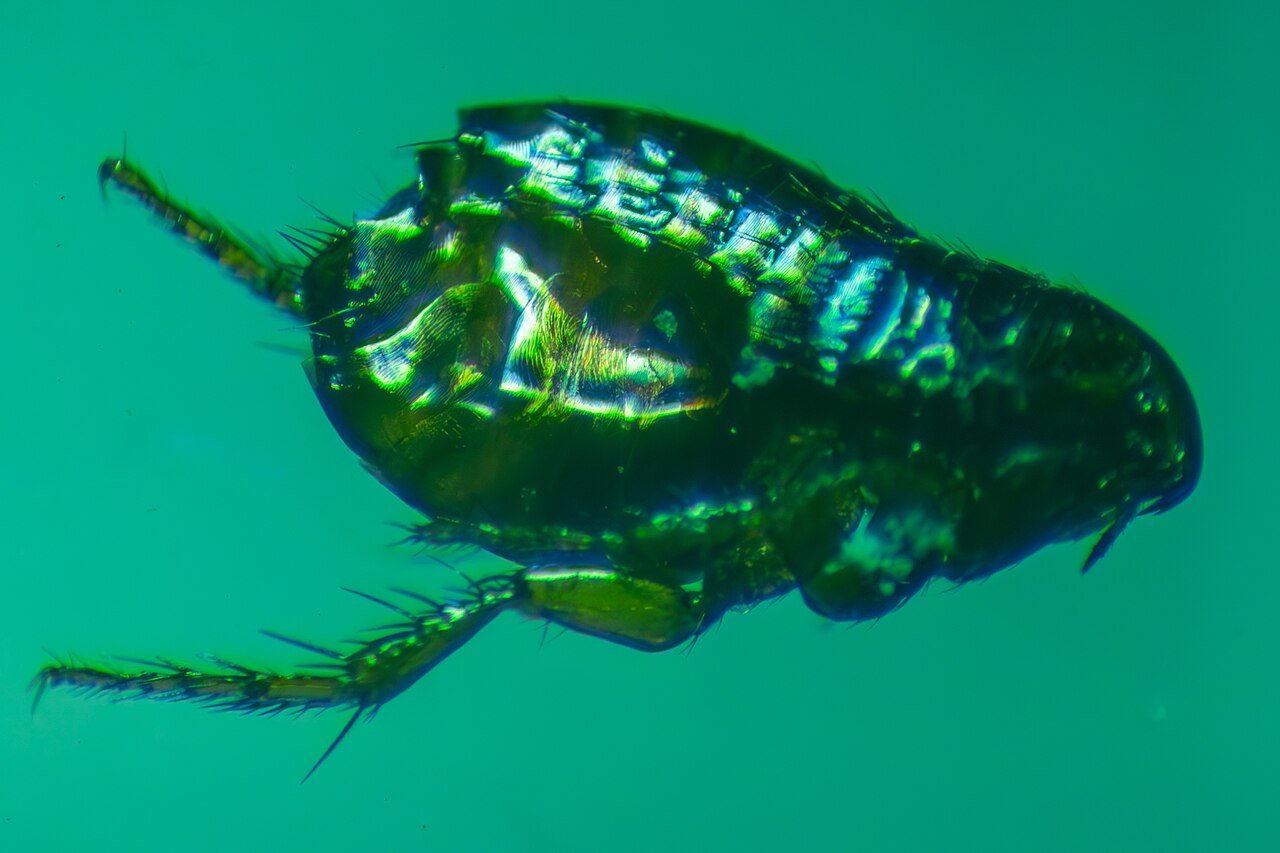
The Vandalia Calendar and Bottom Line
The season builds from May, peaks through the humid July-to-September stretch when the shade incubators run at capacity, and persists indoors all winter wherever autumn seeding met the furnace — with the edge lots running the earliest starts and latest finishes because the bank never closes. The windows: spring preventives on every animal before the wave, summer margin treatment mapped to the shadows, fall knockdowns for households that fought through August, and the truck and kennel additions this town’s working-dog culture makes standard. One flat price covering both fronts and the margin mapping, vet coordination on the animal side, and the guarantee behind it — the service at flea treatment, and the checkerboard’s whole ledger at Vandalia pest control.
Edge-Lot Dog Losing the Summer War?
The buffer bank seeds it, the shade incubates it, and the mapped margin program ends it — coordinated with your vet, flat-priced across Vandalia.
The Working-Dog Addendum
Vandalia’s dog culture leans practical — farm dogs, kennel dogs, hunting dogs that work the same field margins the rabbits do — and the working animal’s flea program deserves its own paragraph. The exposure is occupational: a dog that quarters a buffer margin meets the bank at its source, daily, which makes the veterinary preventive non-negotiable and its schedule tighter than the house pet’s (no stretched doses, no seasonal lapses — the bank doesn’t lapse). The kennel run is the second front: shaded, soil-floored, and dog-concentrated, it’s the property’s single densest incubator, and it gets the growth-regulator treatment plus the drainage-and-sun counsel that converts it from nursery to non-event. The truck bed and travel crate are the third — bedding hot-washed on the house schedule, the crate treated with the interior. And the payoff logic is occupational too: a working dog sidelined by flea dermatitis in October is a season interrupted, which is why the farm-and-field households that run the full program treat it as equipment maintenance rather than pest control. Around this checkerboard, that’s exactly what it is.
Frequently asked questions
Why do the airport-adjacent Vandalia yards get fleas so reliably?
The buffer land runs the region’s densest rabbit economy, and rabbits are the flea cycle’s outdoor bank — nightly crossings re-seed the fence lines and shaded margins continuously. Edge-lot pressure is permanent; the maintained margin plus covered pets is the durable answer.
Where in a Vandalia yard do fleas actually live?
The shadows: deck and porch undersides, fence-line grass the mower skips, shrub beds against the house, and under-shed voids where the rabbit traffic shelters. Larvae die in open sun — the yard’s flea map is its shade map.
Our outdoor dog is on a preventive — why fleas anyway?
The environment’s 95 percent conveys new fleas onto the treated dog for weeks, and a working dog meets the buffer bank daily at its source. The margin front — growth regulator on the routes and shadows — closes what the preventive can’t.
Do kennels and dog runs need their own flea treatment?
They’re the property’s densest incubator — shaded, soil-floored, dog-concentrated — and get growth-regulator treatment plus drainage-and-sun counsel. Bedding and travel crates join the interior program on the same schedule.
Can fleas live in the farm truck?
The cab and bed are pet habitat — carpet, bedding, and warmth — and they reseed a treated house on every ride. The vehicle joins the premises front on every working-dog job we run.
Why do we keep seeing a few fleas after treatment?
The pupal window: sealed pupae resist treatment and hatch into the treated environment over two to four weeks, dying as they come. Declining stragglers are the program finishing — the follow-up visit lands inside that window.
When does flea season run on the Vandalia edge lots?
Earliest starts and latest finishes in the area — the bank never closes, so May-through-October is the working assumption, with indoor persistence wherever autumn seeding met the furnace. Spring preventives before the wave beat everything.
What does flea treatment cost in Vandalia?
One flat price covering both fronts, the margin mapping, and the kennel-and-vehicle additions where the household works its dogs — with vet coordination, the follow-up built in, and the honest edge-lot framing up front.